I have lived in Nagoya for thirty-five years, and the city has never hosted anything on this scale. When friends overseas started asking me about the Asian Games, I went looking for a practical guide in English and could not find one. The information exists, but it is scattered across the organizing committee’s site, the Aichi prefectural government’s spectator pages, and a ticketing PDF. So I read all of it and put the useful parts in one place. Two things surprised me enough that they belong at the very top: the competition starts nine days before the opening ceremony, and the swimming is in Tokyo.
The short answer.
- The 20th Asian Games Aichi-Nagoya 2026 runs September 19, 2026 (Sat) to October 4, 2026 (Sun), centered on Aichi Prefecture and the city of Nagoya [Source]. The program covers 43 sports at 54 venues, with 45 countries and regions of Asia taking part [Source] [Source] [Source].
- Ticketed competition starts on September 10 — nine days before the opening ceremony. The official ticketing guide lists paid sessions from September 10 onward [Source]. Book your flights around September 19 and you may miss the event you came for.
- Being in Nagoya does not mean you can see everything. Pool swimming and equestrian are in Tokyo, track cycling in Izu, diving in Hamamatsu, and some football matches in Osaka and Gifu [Source]. Check the venue before you buy the ticket.
- As a rule there is no spectator parking at the venues. The Games are built around spectators arriving by public transportation [Source]. Do not plan around a rental car.
- Tickets have been on general sale since June 30, 2026, first come first served, and buying requires registering an account (an Ouen-ID) on the official ticket site [Source]. Prices run from ¥1,500 for a sports session up to ¥60,000 for the top seats at the opening ceremony [Source].
Last updated: August 2026 | Author: Yuu (Nagoya-born, 35-year resident)
This article may contain affiliate links. See our affiliate disclosure for details.
Table of Contents
- The Games in 30 Seconds
- Check This First: Where Your Sport Actually Takes Place
- Getting Your Bearings: The Venues by Area
- Buying Tickets, and What to Watch For
- When to Come, and How Many Nights
- Booking a Room: The Most Urgent Thing in This Guide
- From the Airport into the City
- Getting Around During the Games: Subway and IC Cards
- Your Phone: Digital Tickets Assume You Have Data
- What to Do Between Sessions
- Halal Food, Dietary Needs and Prayer Rooms During the Games
- On the Day: Practicalities and Accessibility
- Frequently Asked Questions
- About the Author
- Related Guides
The Games in 30 Seconds
| Item | Detail |
|---|---|
| Event | The 20th Asian Games Aichi-Nagoya 2026 |
| Dates | September 19, 2026 (Sat) – October 4, 2026 (Sun), 16 days |
| Opening and closing ceremony venue | Nagoya City Mizuho Park Athletic Stadium |
| Opening ceremony | September 19, 6:00 p.m. start |
| Sports | 43 |
| Venues | 54 (two sports have no venue announced yet) |
| Taking part | 45 countries and regions of Asia |
| Slogan | IMAGINE ONE ASIA |
| Asian Para Games | October 18, 2026 (Sun) – October 24, 2026 (Sat) |
The official site states the period as “2026.9.19–2026.10.4 (16 days)” [Source]. Both ceremonies are at Nagoya City Mizuho Park Athletic Stadium, and Aichi Prefecture has published a dedicated access page for that venue [Source].
The sport and venue counts come straight from the official site, which writes that the “Aichi-Nagoya 2026 Games will hold 43 sports” [Source] and introduces “54 competition venues that will host events for the 20th Asian Games Aichi-Nagoya 2026” [Source]. The venue count went from 53 to 54 in early August 2026, when the organizing committee rebuilt its website, so older guides (including this one before August 14) still say 53.
One honest note before you read further. International sports media still carry the figure “41 sports, 460 events.” That is the older number from the point at which the Olympic Council of Asia approved the program. The current official site says 43 sports, so 43 is the number used throughout this guide.
Two weeks after the Games close, the same region hosts the 5th Asian Para Games (October 18–24) [Source]. If your trip lands in the second half of October, that is your alternative.
Check This First: Where Your Sport Actually Takes Place
Staying in Nagoya does not mean you can see everything
This is the single most important warning in this guide. The event is called “Aichi-Nagoya,” but several of the 54 venues sit outside Aichi Prefecture entirely. Pulled out of the official venue list, here they are [Source].
| Sport | Venue | Where |
|---|---|---|
| Swimming (pool events) | Tokyo Aquatics Centre | Tokyo |
| Equestrian | Baji Koen | Tokyo |
| Swimming (diving, artistic swimming) | Hamamatsu City Swimming Pool [ToBiO] | Hamamatsu, Shizuoka |
| Cycling (track) | Izu Velodrome | Izu, Shizuoka |
| Football (some matches) | Ogasayama Sports Park ECOPA Stadium | Omaezaki, Shizuoka |
| Football (some matches) | Nagai Stadium | Osaka |
| Football (some matches) | Gifu Memorial Center Nagaragawa Stadium | Gifu |
| Hockey | Gifu Prefectural Green Stadium | Gifu |
| Rowing | Nagaragawa International Regatta Course | Gifu |
| Sailing | Kaiyo Yacht Harbor | Kaiyo, Tokushima |
Swimming is the one that catches people out. One of the most popular sports at any Games is happening in Tokyo, not Nagoya. “Book a Nagoya hotel and watch the swimming” is not a plan that works. Before you buy a ticket, confirm where that session is held.
If you do end up moving between Tokyo and Nagoya, our Tokyo to Nagoya transport guide compares the options, and the Central Japan rail pass guide covers whether a rail pass earns its keep.
The competition starts before the opening ceremony
Here is the second trap. The Games period is announced as starting September 19, but the official ticketing guide lists paid sessions from September 10 [Source]. That is nine days before the opening ceremony.
The official session schedule tells the same story: the grid begins on September 10 (Games minus 9), places the opening ceremony on day zero, September 19, and the closing ceremony at plus 15, October 4 [Source].
From what we could confirm, basketball begins with a 10:00 a.m. session on September 10. In total, 45 sessions are scheduled across September 10–18.
What this does to your itinerary
Fly in on September 19 and out on October 5 and you miss nine days of competition outright. Looked at the other way: the stretch before the opening ceremony is likely to be the calmer period for both accommodation and transportation, so if a particular team sport is what you came for, arriving early may well be the more comfortable trip.
The two sports with no venue yet
As of August 14, 2026, padel and teqball still have no published venue. Neither appears on the organizing committee’s venue list [Source], nor on Aichi Prefecture’s sport-by-sport access page for spectators [Source]. If either is what you are coming for, wait for the official announcement before you lock in your dates.
Getting Your Bearings: The Venues by Area
Update (August 17, 2026): We now keep a dedicated venue-by-venue access guide — Asian Games 2026 Venues: How to Reach Every Arena Without a Car — with the nearest station for every Nagoya venue and the sports held outside Aichi entirely.
Here are the Nagoya and Aichi venues, grouped by how you get to them rather than by sport. Journey times and fares are not given anywhere in this section, because we could not confirm those figures on the transport operators’ own sites. If you read our guide to getting around Nagoya first, this section will make a great deal more sense.
Area A: Nagoya venues you can reach by subway
This is the easy group. Stay in the city and you cover all of it.
| Venue | Main sports | Nearest station |
|---|---|---|
| Nagoya City Mizuho Park Athletic Stadium | Opening and closing ceremonies, athletics | Meijo Line, Mizuho Undojo Higashi Station, about 5–10 min walk / Sakura-dori Line, Mizuho Undojo Nishi Station, about 10–15 min / Aratamabashi Station, about 10–15 min |
| Aichi International Arena (IG Arena) | Basketball, judo | Meijo Line, Meijo-koen Station, Exit 4 — a 0-minute walk |
| Nagoya City General Gymnasium [Rainbow Hall / Rainbow Pool] | Gymnastics, rhythmic gymnastics, trampoline, water polo | JR Tokaido Main Line, Kasadera Station, about 7 min walk |
| Nagoya City Higashiyama Park Tennis Center | Tennis, soft tennis | Nagoya |
| Nagoya City Mizuho Park Rugby Field | Rugby sevens, football | Nagoya (Mizuho Park) |
| Aichi Prefectural Budokan | Combat sports, wushu | Nagoya |
| Kinjo Futo Station Square Venue / Nagoya Kinjo Futo Arena | 3×3 basketball / squash | Nagoya (Kinjo Futo) |
| Nagoya International Exhibition Hall [Portmesse Nagoya] Hall 1 | Sport climbing | Nagoya (Kinjo Futo) |
| Nagoya City Inaei Sports Center | Wrestling, mixed martial arts | Nagoya |
Every station name and walking time above is taken from Aichi Prefecture’s venue access pages [Source] [Source] [Source].
The “0-minute walk” at Aichi International Arena is not marketing. The prefectural page really does say the arena is a 0-minute walk from Exit 4 of Meijo-koen Station. On a wet day you will barely get rained on.
Mizuho Park Athletic Stadium, where both ceremonies are held, has three usable subway stations. After a ceremony the crowd splits three ways, so keep in mind that you do not have to leave from the station you arrived at.
Area B: the venue at the airport
Aichi Sky Expo sits right next to Chubu Centrair International Airport, in Tokoname. The prefectural access page gives the address as Centrair, Tokoname City, and the walk as about 10 minutes from the Terminal 2 side exit of the Access Plaza at Meitetsu Airport Line’s Chubu Centrair International Airport Station [Source].
Breaking, esports, fencing, skateboarding and BMX freestyle are all held here [Source]. It is where the newer sports are clustered.
A way to use this that most people miss
You can fold this venue into your arrival or departure day. It is close enough to the airport to visit on the afternoon you land, or in the hours before your flight home. Just plan what you will do with your bags first — see our luggage forwarding guide.
Area C: venues in Aichi but outside Nagoya
A large share of the venues are in other cities across the prefecture [Source].
- Toyota — Toyota Stadium (football), Sky Hall Toyota (table tennis), Aichi Prefectural Shooting Range (shooting), Miyoshi Pond Canoe Course and Yahagi River Canoe Slalom Course (canoe), Aichi Kororongi Sports Park (cricket)
- Okazaki — Okazaki Chuo General Park (archery, baseball, volleyball)
- Toyohashi — Toyohashi City Gymnasium (karate, taekwondo), Toyohashi Municipal Baseball Stadium (baseball)
- Kasugai — Kasugai Country Club East Course (golf), Kasugai City Gymnasium (handball)
- Ichinomiya — Ichinomiya City Gymnasium (badminton)
- Komaki — Entrio and Komaki City Sports Park Gymnasium (handball, volleyball)
- Anjo — Anjo General Sports Park (softball, modern pentathlon)
- Nishio — Nishio City Gymnasium (boxing) / Kariya — Wave Stadium Kariya (football) / Tokai — Tokai City Gymnasium (kabaddi) / Hekinan — Hekinan Ryokuchi Beach Court (beach volleyball)
- Gamagori — temporary course in the city (triathlon) / Tahara — Taiheiyo Long Beach (surfing) / Shinshiro — temporary course in the city (road cycling)
You will not find journey times or fares to these cities in this guide. We could not confirm those numbers on the rail operators’ own pages, so we are not printing them. Check your route on the day with a transfer search. For how to think about day trips out of Nagoya in general, our day trips from Nagoya guide is the place to start.
Buying Tickets, and What to Watch For
Just here for tickets? We have a dedicated page that goes deeper than this section: Asian Games 2026 tickets — how to buy from overseas. It covers the official resale service, the three authorized agencies, and why a session showing as “Currently Unavailable” is often still worth checking back on.
Where sales stand (as of August 14, 2026)
General sale is open. According to the official ticket site, general sale runs from 5:00 p.m. on June 30, 2026 (Tue) until the day each session takes place, on a first come, first served basis [Source]. There is no lottery involved, so if seats remain, you can buy them right now.
The earlier presale rounds have already closed. Sales are open to buyers overseas: the official English page lists general sales as having “No restrictions (including international sales)” [Source].
If a session shows as unavailable, do not give up on it yet. On July 14, 2026 the organizers renamed the sold-out status: what used to read “Sold Out” now reads “Currently Unavailable” in English (予定枚数終了 in Japanese). Their explanation is that seat numbers are still being finalized and many sports will have more stock added later; a genuine, permanent sell-out will be announced separately [Source]. This is not theoretical — on August 4, 2026 they released more tickets for equestrian, surfing, volleyball at Okazaki, squash and other sessions [Source]. Check again closer to your dates.
How buying works
The official site sets out the steps as follows [Source].
- Go to the official ticket site
- Register a free “Ouen-ID” (the official English pages also call it a Supporter ID) — this is required before you can buy anything [Source]
- Choose your sport and session
- Choose your seat category and number of tickets
- Pay
- Retrieve your ticket
The official ticket sales site is https://generalsale.tickets-aichi-nagoya2026.org/. As a starting point, the official ticket information site at https://lp-ag.tickets-aichi-nagoya2026.org/ is easier to navigate, since it gathers the guidance in one place.
When we visited the sales site on August 3, 2026, it routed us through a virtual waiting room. Assume you will be queuing at busy times of day.
What tickets cost
Seats come in five categories: AA, A, B, C and D. There are also child prices (under 15), disability prices, wheelchair spaces, and a “Heartful” ticket category for people aged 65 and over or for people with a disability traveling with family [Source].
Here are the two ends of the price range as confirmed in the official ticketing guide [Source].
| Session | AA | A | B | C | D |
|---|---|---|---|---|---|
| Opening ceremony (Sep 19, 6:00 p.m.) | ¥60,000 | ¥30,000 | ¥15,000 | ¥7,500 | ¥4,000 |
| Closing ceremony | ¥40,000 | ¥20,000 | ¥10,000 | ¥5,000 | ¥2,500 |
| Lowest price found for a sports session | — | — | — | — | ¥1,500 |
Sports sessions start at ¥1,500. The top seat at the opening ceremony is ¥60,000, but a category D seat at that same ceremony is ¥4,000. Before you write the opening ceremony off as out of reach, look at the lower categories.
We are not reproducing the full sport-by-sport price table here. The Japanese sport labels in the official PDF cannot be extracted reliably, and transcribing them by eye risks attaching the wrong price to the wrong sport. For exact prices, always check the official ticketing guide.
Resale: use the official service, and nothing else
The official site is blunt about it: “You cannot enter with a ticket purchased through unofficial channels.” [Source]
If you are used to buying seats for big sporting events on the secondary market, understand that at these Games, a ticket bought outside official channels will not get you in. Buy from the official site, or from the ticket agencies the official site names. Nothing else.
There is now an official resale service, and it is the route to use if your plans change. It opened at 5:00 p.m. on August 4, 2026. You can list a ticket until 23:59 three days before the session; the ceremonies have their own deadlines (opening ceremony 16:59 on August 19, closing ceremony 23:59 on September 7). Only electronic tickets bought on the official site with a credit card, debit card or Google Pay can be listed, and hospitality packages and tickets bought in the additional-sales round are excluded [Source]. As a buyer, resale tickets appear on the official sales site under their own button. Handball, weightlifting, water polo and cricket are outside the resale service entirely, along with two football sessions whose schedules moved [Source].
The agencies the official site names are Ticket Pia, TBS Tickets and CBC Ticket Center. Which sports each one sells varies, and each requires its own membership registration [Source]. Note that tickets bought through a play guide generally cannot be put back into the official resale service — Ticket Pia purchases are the exception. There is also a package-tour route: the official site lists Tobu Top Tours (group travel only, and its group allocation was already gone as of July 2) and JTB, which has both a corporate desk and an individual-traveler product [Source]. We have not been able to confirm whether either sells to buyers outside Japan in English, so treat those as leads to check rather than a recommendation.
How you receive your ticket
Tickets are digital by default, shown on screen or printed from a PDF. Buy through one of the ticket agencies instead and you collect at a convenience store [Source].
Which means your phone is the thing standing between you and the turnstile. Section 9 covers how to make sure it works.
Ticket enquiries
Email: Aichi-Nagoya2026_support@pia.co.jp / Phone: 052-990-6573 (weekdays 10:00 a.m. to 5:00 p.m.) [Source]
Whether English support is available has not been published. Email, written in plain English or in Japanese, is the safer channel.
When to Come, and How Many Nights
Let us put the dates together. How long you need is decided by what you want to watch, not by the length of the Games.
| If you want to | Aim for |
|---|---|
| See the opening ceremony | Include September 19 (Sat). Arriving the day before is strongly advised |
| Follow one team sport all the way through | Put September 10 onward on the table (see section 2) |
| Be there when the medals come thick and fast | The back half of the Games (late September to October 4) |
| See the closing ceremony | Include October 4 (Sun) |
| Split your time between sport and sightseeing | Any period works. Three or four nights covers two or three sessions plus the city |
The Games open on a Saturday and close on a Sunday. Build an itinerary that contains two or more weekends and you will find it much easier to pick up weekend sessions.
For what late September and early October actually feel like in Nagoya, and what to pack, see our best time to visit Nagoya guide. For putting a budget together, see the Nagoya trip cost guide.
Booking a Room: The Most Urgent Thing in This Guide
Update (August 17, 2026): For the full area-by-area logic — including why the Meijo Line is the key to the whole event — see our dedicated guide, Where to Stay for the Asian Games 2026.
First, what this guide will not tell you
You will not read “hotels are sold out for the Games” or “rooms are going for three times the usual rate” here. No official data exists to support claims like that, and we do not publish what we cannot verify.
What we can say is what holds true for any large international event.
- Moving early means more choice. That is constant across every Games
- Take the free-cancellation rate first. Even with your plans unsettled, holding a room and deciding later puts you ahead
- Do not fix on one neighborhood. If nothing is left by Nagoya Station, there are options along the subway lines
- Consider shifting your dates. As section 2 explains, competition is already underway from September 10
Choosing an area
With venues spread across the city, the right question is not “which venue is closest” but “how easily can I move by subway.”
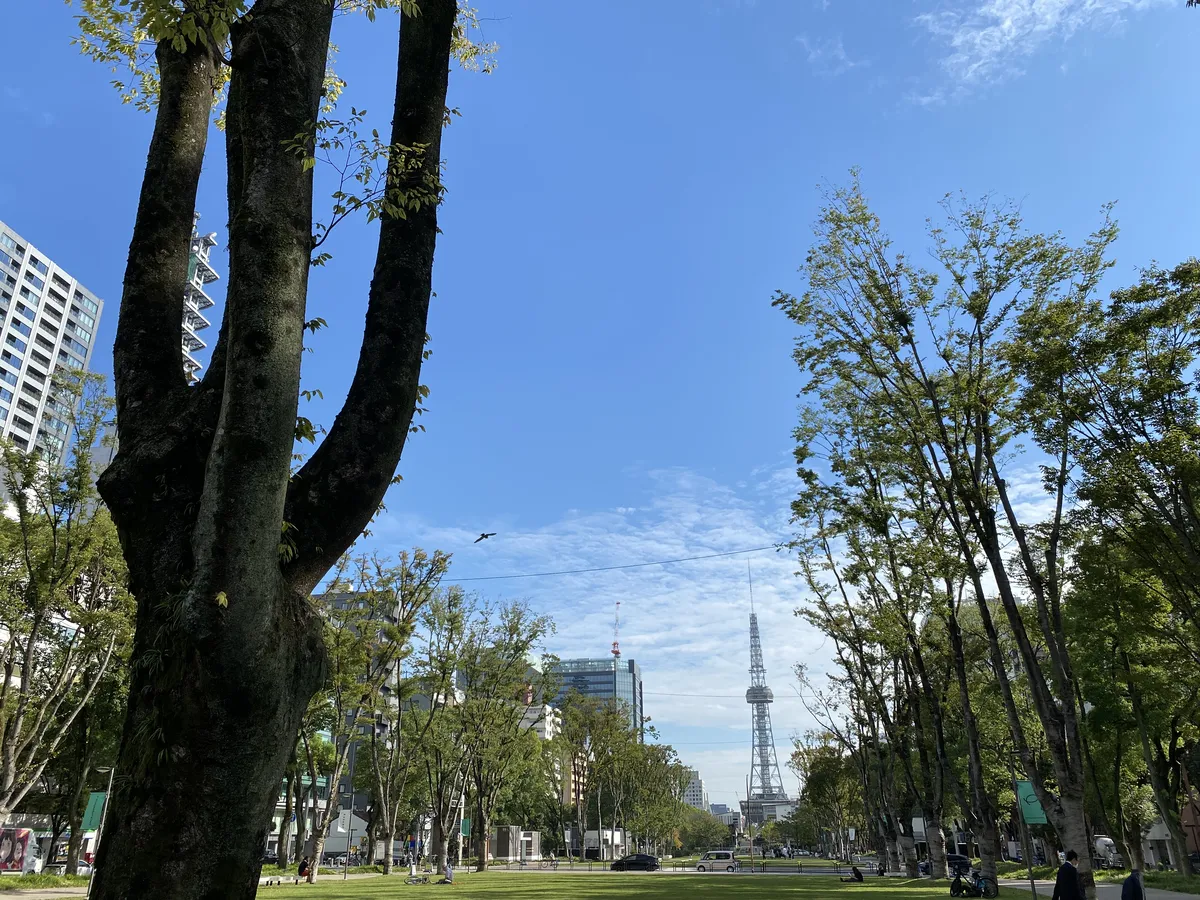
- Around Nagoya Station — the Shinkansen, the airport line and three subway lines all meet here, and it is the easiest base for the out-of-prefecture venues in Tokyo, Osaka, Gifu and Hamamatsu → hotels near Nagoya Station
- Sakae and Fushimi — the center of gravity for eating and sightseeing. Comfortable if your evenings run late
- Comparing the areas — where to stay in Nagoya
- Watching the budget — budget hotels in Nagoya
- Traveling with children — family hotels in Nagoya
You do not need to stay near Mizuho Park, where the ceremonies are held. It is on the Meijo and Sakura-dori subway lines, so basing yourself centrally and traveling out makes far more sense once you factor in food, shopping and everything else you will want to do.
From the Airport into the City
Nagoya’s gateway is Chubu Centrair International Airport (NGO). Routes, journey times and fares from the airport into the city are all verified and laid out in our Centrair to the city guide, so this article will not repeat them.
There are two things worth adding in a Games context.
- There is a competition venue at the airport. As section 3 covers, Aichi Sky Expo is about a 10-minute walk from Chubu Centrair International Airport Station [Source]. It fits neatly into an arrival or departure day
- You do not want to be carrying big bags to a venue. Consider sending your luggage from the airport to your hotel — see the luggage forwarding guide
Arriving at Centrair with a group or a late flight?
Arrange your ride into the city before you fly.
Getting Around During the Games: Subway and IC Cards
The basic rule: go by public transportation
Aichi Prefecture puts it plainly to spectators: “For these Games, spectators are expected to travel to venues by public transportation.” [Source]
And on parking: “As a rule no parking is provided, although a small number of venues will offer free parking.” [Source]
The three venue pages we checked — Mizuho Park Athletic Stadium, Aichi International Arena and Aichi Sky Expo — all state that there is no spectator parking or bicycle parking at the venue, and ask people not to arrive by car or bicycle [Source].
Do not build a plan around driving a rental car to a venue. Aichi Prefecture also explicitly prohibits parking on residential streets nearby and using the parking lots of neighboring businesses.
Shuttle buses and park and bus ride
Some venues will run free shuttle buses from the nearest station [Source]. Which venues “some” covers varies, so check the official access page for the venue you are going to.
For those who do want to drive, there is a park and bus ride system: park at a designated free lot and transfer to a shuttle bus. Most of these require a reservation [Source].
Get an IC card sorted in advance
Nagoya’s subway, buses, JR and Meitetsu services all accept transit IC cards. Ticket machines are likely to have queues during the Games, so having an IC card ready removes that wait entirely. Which cards work, and how overseas visitors can currently top them up, is covered in our Suica and IC card guide.
For reading the route map, deciding whether a day pass is worth it, and how to ride the buses, start with our guide to getting around Nagoya.
On crowding, honestly
You will not find “the subway will be X percent busier on this date” or “extra trains will run” in this guide, because we could not confirm any such announcement from the rail operators. As a general matter, stations get busy before and after the bigger sessions, so leave yourself time. Anything beyond that goes in only once an official announcement exists.
Your Phone: Digital Tickets Assume You Have Data
As section 4 explained, tickets are digital by default [Source]. In practice that means a phone that will not cooperate on the day can cost you entry.
During the Games your phone is doing at least four jobs.
- Displaying your digital ticket (potentially a condition of entry)
- Transfer searches (essential, with venues this spread out)
- Checking venue access pages (whether there is a shuttle bus, for instance)
- Translation, maps, and staying in touch with the people you came with
The fixes are simple.
- Sort your connectivity before you leave home. More reliable than hunting for a SIM after you land
- Save the ticket as a PDF too. The official guidance is on-screen display or a printed PDF, so having a form that survives a dead connection is worth the two minutes
- Carry a power bank. A full day at a venue — ticket on screen, maps open, photos — drains a battery fast
How to choose between an eSIM, pocket WiFi and a local SIM, and how that changes with trip length, is compared in our Japan pocket WiFi and SIM guide.
Your ticket lives on your phone.
Set your data up before you fly and land connected.
What to Do Between Sessions
The Games land in the middle of Central Japan’s autumn festival season, and that is the easiest way to fill a day without a ticket. Two of the region’s big pottery festivals fall inside the Games period: the Seto Pottery Festival on September 12–13 (during the pre-ceremony competition days) and the Tokoname Pottery Festival on October 3–4, which is worth knowing about because Tokoname is the town next to Centrair airport — the same corner of the prefecture as the Aichi Sky Expo venue. The Owari Tsushima Autumn Festival also falls on October 3–4, and the Maneki-neko festival in Seto on September 26–27. Dates, access and what each one is actually like are in our guide to autumn festivals in Nagoya and Central Japan. If you are staying on past the closing ceremony, the Nagoya Festival on October 17–18 is the city’s own big one, and it runs right up against the Asian Para Games.
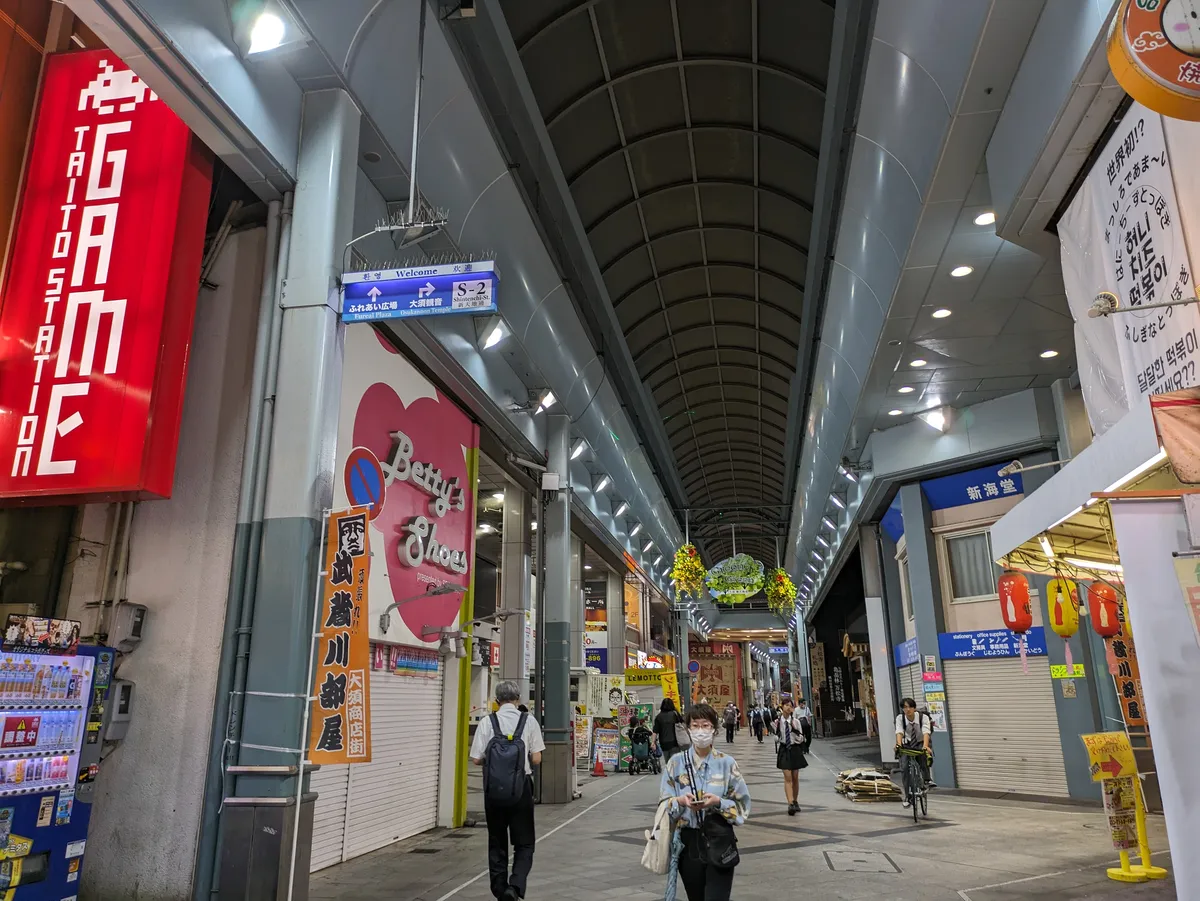
Competition does not run continuously all day. A morning session and an evening session often leave half a day open in between, and Nagoya is a good city for filling half a day.
- Eat — miso katsu, tebasaki, ankake spaghetti, kishimen. The full picture is in our Nagoya meshi food guide, and the city’s signature dish has its own hitsumabushi guide. If you eat halal, vegetarian or vegan, read the section below first — most of those dishes are off the list in their standard form
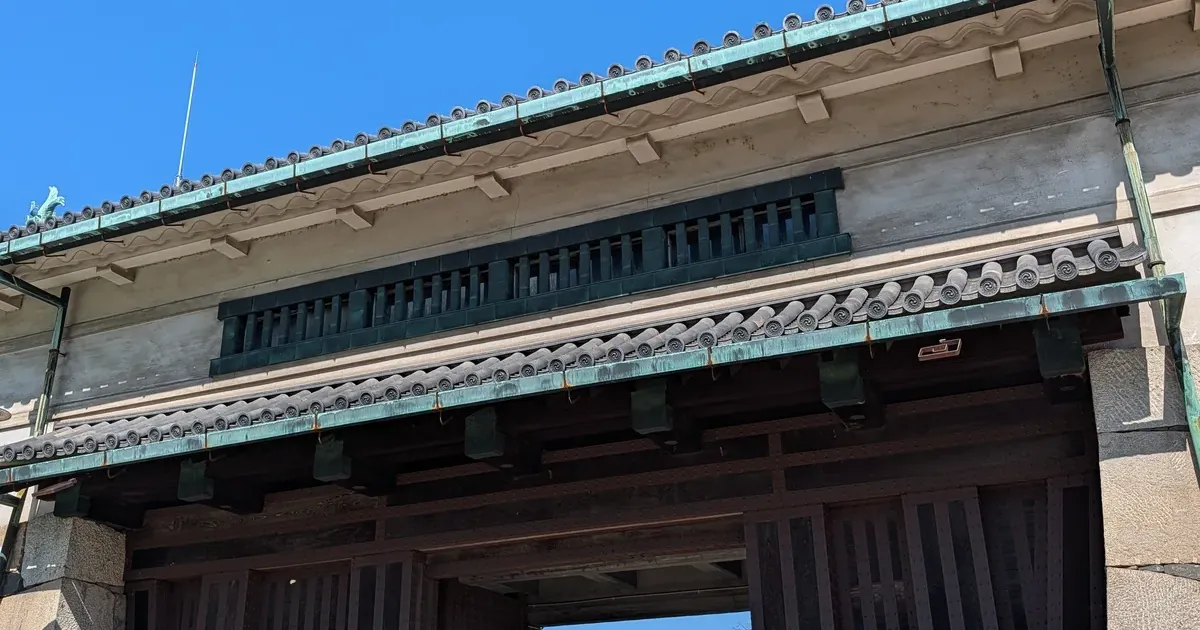
- See the castle — Nagoya Castle complete guide
- Walk a neighborhood — Osu shopping street guide. It is covered, so it works in the rain
- Pick from everything — things to do in Nagoya
- If sightseeing is the main event — take our 3-day Nagoya itinerary as your frame and slot the sport into it
If your trip overlaps late September to early October, that window is also autumn festival season in Central Japan — see our guide to autumn festivals in Nagoya and Central Japan for events you can fit around your sessions.
Halal Food, Dietary Needs and Prayer Rooms During the Games
If you keep halal, or eat vegetarian or vegan, sort this part of the trip out before you fly. Nagoya is a hard city for both. When we worked through the halal side properly, only two food venues in the whole of Aichi Prefecture could be traced back to a certifying body’s own published client list — and one of those two is inside Centrair airport, not in Nagoya City. The wording matters too: “halal-certified”, “Muslim-friendly” and “pork-free” are three different claims, and Japanese tourism listings blur them constantly. Venue by venue, with who said what, is in our Nagoya halal food guide.
Two things have moved on the food side because of the Games (both verified August 16, 2026).
- A Nagoya restaurant group has put Muslim-friendly dishes into 25 of its shops. JB Eleven, the company behind chains including Ikkoku Kaido, developed the menu in May 2026 and extended it to 25 restaurants from June 25, 2026 — the dish to know about being a soy-meat Taiwan ramen, the pork-topped noodle bowl invented in this city, rebuilt without the pork. The company states the dishes use no pork, no lard and no alcohol, with halal-certified seasonings, and states in the same announcement that the shops and the company itself hold no halal certification [Source]. A certified seasoning is not a certified kitchen.
- The tebasaki chain at Centrair airport publishes a Muslim menu. The Sekai no Yamachan branch at Chubu Centrair International Airport lists a Muslim Menu marked NO PORK and NO ALCOHOL and supervised by the Halal Japan Association: beef sukiyaki ¥1,650, phantom chicken wings 5 pieces ¥660, phantom tulip 3 pieces ¥880, chicken wing tempura 3 pieces ¥660, all including tax. The menu carries its own note that “The chicken used in this product is not Halal-certified.” [Source] Read it as Muslim-friendly, not certified.
For prayer, plan around the airport and the museum rather than the mosque. Nagoya Masjid in Nakamura-ku is open for prayer, but its Japanese-language page states that applications for individual visits are suspended for the time being (checked August 16, 2026). Centrair has three prayer rooms — Terminal 1 arrivals lobby, the Terminal 1 international departures restricted area, and the Terminal 2 arrivals lobby — with no reservation needed and partitions so men and women can pray separately [Source]. In the city, the Toyota Commemorative Museum of Industry and Technology has a prayer room in its entrance lobby, applied for at the reception desk [Source].
Vegetarian and vegan spectators have an easier time, though not by much: the practical list is our twelve verified vegan and vegetarian restaurants in Nagoya, and the background — what is in the local dishes, the phrases to ask with — is in our vegetarian, vegan and halal food guide. All of this can change, and a Games-period menu is exactly the kind of thing that does: phone the restaurant before you build a meal around it.
On the Day: Practicalities and Accessibility
Three things to check before you set out
- Assume there is no parking at your venue (section 8)
- Find out whether your venue has a shuttle bus — check Aichi Prefecture’s access page for that venue
- Confirm you saved your ticket as a PDF
Accessibility
The Games will run an “accessible shuttle” from the nearest station to the venue for wheelchair users and people with disabilities. It is free, and reservations are required as a rule [Source].
Some venues also set aside parking for wheelchair users and people with disabilities. At Nagoya City General Gymnasium, for example, 25 spaces in the first parking lot are reserved, free, by advance booking [Source].
On the ticketing side there are wheelchair spaces and the Heartful ticket category for people aged 65 and over, or people with a disability traveling with family [Source].
Deadlines and application methods differ by venue and by service. If any of this applies to you, check the official pages and start the process early.
Bags
We could not find official material on what you may and may not bring into the venues, so this guide does not publish a list of prohibited items. As a general matter, do not turn up at a venue with a large suitcase. Leave it at your hotel, or use luggage forwarding.
Frequently Asked Questions
When and where are the Asian Games 2026 held?
September 19, 2026 (Sat) through October 4, 2026 (Sun), centered on Aichi Prefecture and the city of Nagoya [Source]. The program runs to 43 sports at 54 venues, with 45 countries and regions of Asia taking part [Source] [Source] [Source]. The competition itself, however, is already underway from September 10 — see the next question.
Does competition really start before the opening ceremony?
Yes. The official ticketing guide lists paid sessions from September 10 [Source], and the official session schedule likewise begins on September 10, marked as Games minus 9 [Source]. From what we could confirm, basketball opens with a 10:00 a.m. session on September 10. Do not assume that arriving for the opening ceremony is early enough.
Where are the opening and closing ceremonies, and what do tickets cost?
Both are at Nagoya City Mizuho Park Athletic Stadium [Source]. The opening ceremony starts at 6:00 p.m. on September 19, with categories AA through D priced at ¥60,000 / ¥30,000 / ¥15,000 / ¥7,500 / ¥4,000. The closing ceremony runs ¥40,000 / ¥20,000 / ¥10,000 / ¥5,000 / ¥2,500 [Source].
Can I still get tickets, and where should I buy them?
As of August 3, 2026, general sale is open. Sales run from 5:00 p.m. on June 30, 2026 until the day of each session, first come, first served [Source]. You must register an account (an Ouen-ID) on the official ticket site before you can buy. Buy only through official channels. The official site states that you cannot enter with a ticket purchased through unofficial channels. A resale-site ticket will not get you into the venue.
If I stay in Nagoya, can I watch every sport?
No. Some venues are outside Aichi Prefecture. Pool swimming and equestrian are in Tokyo, track cycling is in Izu, diving is in Hamamatsu, and some football matches are in Osaka and Gifu [Source]. Confirm the venue for your session before you buy the ticket.
Can I drive to the venues?
Better not to. The Games expect spectators to travel by public transportation, and the guidance states that “as a rule no parking is provided” [Source]. Mizuho Park Athletic Stadium, Aichi International Arena and Aichi Sky Expo all state explicitly that there is no spectator parking or bicycle parking [Source]. If you must travel by car, look at park and bus ride, which mostly requires a reservation.
Will I be able to find a hotel during the Games?
We will not tell you rooms are “sold out” or that prices have “tripled,” because there is no official data behind claims like that. What is true in general is that during a big event, moving early means more choice. The practical step is to hold a free-cancellation rate now and decide later. For choosing an area, see where to stay in Nagoya.
Are the Asian Para Games at the same time?
No, they are separate. The 5th Asian Para Games run October 18, 2026 (Sun) through October 24, 2026 (Sat) [Source], two weeks after the Asian Games close on October 4.
How much do I need my phone?
Quite a lot. Tickets are digital by default — shown on screen or printed from a PDF — and with venues spread across the region, transfer searches are unavoidable [Source]. Arrange your connectivity before you leave home (see our pocket WiFi and SIM guide), and save the ticket PDF to your device as a backup.
About the Author
Yuu was born in Nagoya and has lived here for 35 years. He spent a month backpacking around New York during university and has since traveled to more than 15 countries. This is the first time an international event of this size has come to his home city, and he wrote this guide by asking himself what he would want a friend flying in from abroad to know first. The answer turned out to be: check the venue before you buy the ticket — the swimming is in Tokyo.
Related Guides
The Asian Games 2026 series on this site:
- Asian Games 2026 Tickets: How to Buy From Overseas
- Asian Games 2026 Venues: How to Reach Every Arena Without a Car
- Where to Stay for the Asian Games 2026
- After the Asian Games: Stay On for the Takayama Autumn Festival
- Asian Games 2026 Tickets — buying from overseas, prices, and the official resale service
- Where to Stay in Nagoya — choosing your neighborhood
- Hotels Near Nagoya Station — basing yourself at the transport hub
- Centrair Airport to the City — getting in from the airport
- Getting Around Nagoya — subways and buses
- Suica and IC Card Guide — skipping the ticket-machine queue
- Pocket WiFi and SIM Guide — data for your digital ticket
- Things to Do in Nagoya — for the hours between sessions
— Yuu
Planning where to stay during the Games?
Browse Nagoya hotels →Book early — this is the city's biggest event in years.