Central Japan — covering Aichi, Gifu, Mie, Nagano, and Shizuoka — runs a year-round festival calendar of remarkable depth. From the Takayama Festival and Gujo Odori, both registered as UNESCO Intangible Cultural Heritage, to the World Cosplay Summit (WCS), one of the world’s largest international cosplay events, to the Nagoya Festival’s procession of the Three Unifiers of Japan, the region offers something distinctive every month. This guide walks through the calendar month by month and selects the top 5 must-see festivals for foreign visitors, written from the perspective of a Nagoya local. The focus is on festivals that are reachable as day trips from Nagoya.
Last updated: April 2026 | Author: Yuu (born and raised in Nagoya, 35 years local)
This article may contain affiliate links. See our affiliate disclosure for details.
Table of Contents
- Why Central Japan’s Festivals Are Special
- Spring Festivals (March-May)
- Summer Festivals (June-August)
- Autumn Festivals (September-November)
- Winter Festivals (December-February)
- Top 5 Must-See Festivals for Foreign Visitors
- Practical Tips for Festival Travel
- Practical Information
- Frequently Asked Questions
- About the Author
- Related Guides
Why Central Japan’s Festivals Are Special
Central Japan does not appear on the famous “Three Great Festivals of Japan” list (Gion Matsuri, Tenjin Matsuri, and Kanda Matsuri all sit elsewhere), but it is one of the most culturally dense festival regions in the country, with multiple festivals registered as UNESCO Intangible Cultural Heritage. The Takayama Festival (Gifu), Gujo Odori (Gifu), Nagahama Hikiyama Festival (Shiga), and the Owari Tsushima Tennou Festival (Aichi) are all still actively held today, carrying traditions that run back roughly 400 to 600 years.
Nagoya is also unusually strong in modern, urban-style festivals. The city is the birthplace of the World Cosplay Summit (August) and Nippon Domannaka Matsuri (Domatsuri, late August) — internationally oriented urban festivals that began in recent decades. The coexistence of deep tradition and active reinvention is what defines Central Japan’s festival culture.
Source: Agency for Cultural Affairs — Important Intangible Folk Cultural Properties. The float ceremonies of the Takayama Festival, Gujo Odori, and the danjiri-bune (chariot-boat) ceremony of the Owari Tsushima Tennou Festival are all designated as Important Intangible Folk Cultural Properties of Japan.
Source: UNESCO Intangible Cultural Heritage. The “Yama, Hoko, Yatai float festivals in Japan” were inscribed in 2016, including the Takayama Festival float ceremonies and the Owari Tsushima Tennou Festival’s pleasure-boat ceremony.
From the perspective of a 35-year resident: Born and raised in Nagoya and now living in the Osu shopping district, I do not think of festivals as something you “travel out to see.” For me, they are something you enjoy inside your daily living radius. The Osu shopping street hosts some kind of event almost every month, and during the World Cosplay Summit window in August the entire neighborhood overflows with cosplayers from around the world. Nagoya’s festival culture is not just a tourist line item — it is a part of everyday life that residents move through, and seeing it from that angle is what makes a visit truly memorable.
Spring Festivals (March-May)
Spring opens Central Japan’s festival season in earnest, with the cherry blossoms acting as the region-wide signal flag.
Main Festivals in March
Hina Matsuri (Doll Festival, March 3) — across Aichi. Shrines and temples around the prefecture display hina dolls and float them down rivers in traditional ceremonies. In Takahama, the Ningyo Komichi Hina Meguri along the Mikawa-Yoshihama doll-makers’ lane is particularly well-known (February 21 to March 8 in 2026).
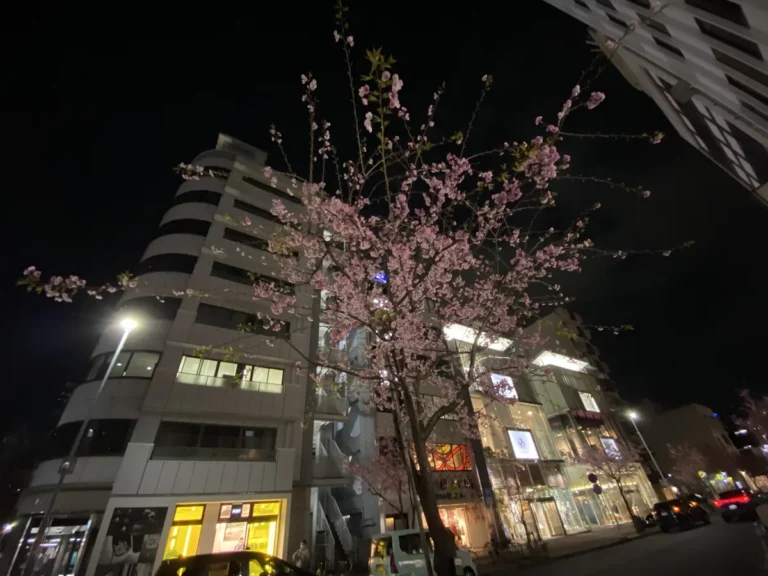
Okazaki Sakura Festival (late March to early April) — Okazaki, Aichi. The cherry trees lining Okazaki Castle and the banks of the Otogawa River are the headline attraction. Okazaki is the birthplace of Tokugawa Ieyasu, so the festival pairs naturally with a historical walk through the castle grounds.
Source: Okazaki Tourism Association Official Site. Okazaki Park (Okazaki Castle) is selected as one of “Japan’s Top 100 Cherry Blossom Sites.”
Main Festivals in April
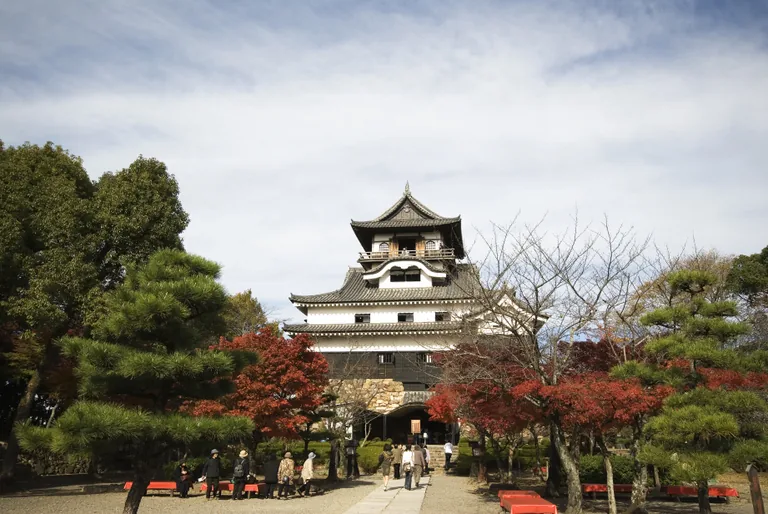
Inuyama Festival (first Saturday and Sunday of April) — Inuyama, Aichi. A festival with deep history dating back to 1635. Thirteen yama (festival floats) wind through the old castle town, and at night each float is illuminated by a dense arrangement of paper lanterns (a figure of 365 lanterns is often cited, echoing the days of the year, though the Inuyama Festival Preservation Society’s official materials do not specify an exact count). Designated as an Important Intangible Folk Cultural Property of Japan. For the full 2027 guide — the Saturday/Sunday schedule, karakuri times, and access from Nagoya — see our Inuyama Festival guide.
Yamazakigawa Cherry Blossom Light-Up (late March to early April) — Mizuho Ward, Nagoya. Roughly 550 cherry trees line about 2.5 km of the Yamazaki River from Ishikawa Bridge to Ochiai Bridge. One of the leading hanami spots within Nagoya city.
Takayama Spring Festival (Sannou-sai, April 14-15) — Takayama, Gifu. A UNESCO Intangible Cultural Heritage event. Twelve elaborately decorated yatai floats parade through the old Takayama castle town, with karakuri puppet performances dedicated to the shrine.
Source: Gifu Prefecture Tourism Federation. The Takayama Festival is the umbrella name for the Spring Sannou-sai (April) and the Autumn Hachiman-sai (October), and is recognized as one of Japan’s three most beautiful festivals. For the full 2026 guide to both festivals — dates, floats, access, and what is confirmed so far — see our Takayama Festival guide.
Mino Festival (second Saturday of April and the following Sunday; 11-12 April in 2026) — Mino, Gifu. The spring rite of Hachiman Shrine: flower-covered hanamikoshi portable shrines on the Saturday, six antique floats and improvised street comedy (niwaka) on the Sunday. For the full 2027 guide — dates, floats and access from Nagoya — see our Mino Festival guide.
Hida Furukawa Festival (19-20 April every year) — Hida-Furukawa, Gifu. A UNESCO-listed float festival: nine floats parade by day, and on the night of the 19th around a thousand men carry a drum-bearing turret while smaller drum teams charge it in the okoshi-daiko rite. For the full 2027 guide — the night drum, floats and access from Nagoya — see our Hida Furukawa Festival guide.
Main Festivals in May
Toyokawa Inari Spring Grand Festival (May 4-5) — Toyokawa, Aichi. One of Japan’s three great Inari sites — and, despite the name, a Soto Zen Buddhist temple (Myogonji) rather than a Shinto shrine. The festival fills the grounds with worshippers offering prayers for an abundant harvest. Source: Toyokawa Tourism Association.
Kamezaki Shiohi Festival (May 3-4) — Kamezaki, Handa, Aichi. A UNESCO-listed float festival on the Chita Peninsula: five two-tiered floats are hauled down a slope onto the beach at low tide and lined up at the water’s edge, timed by the tide rather than the clock. For the full 2026 recap and the 2027 outlook — tide times and access from Nagoya — see our Kamezaki Shiohi Festival guide.
Hamamatsu Festival (3-5 May every year) — Hamamatsu, Shizuoka. A three-day city festival: giant kite battles beside the Nakatajima dunes by day, then more than 80 carved palace floats pulled through the streets after dark. For the full 2026 recap and access from Nagoya, see our Hamamatsu Festival guide.
Nagara River Cormorant Fishing (nightly, 11 May to 15 October in 2026) — Gifu City, Gifu. A 1,300-year-old fishing tradition: boats carrying trained cormorants work the river by firelight on most nights across the whole season. For boat times, fares and how to book, see our Nagara River Cormorant Fishing guide.
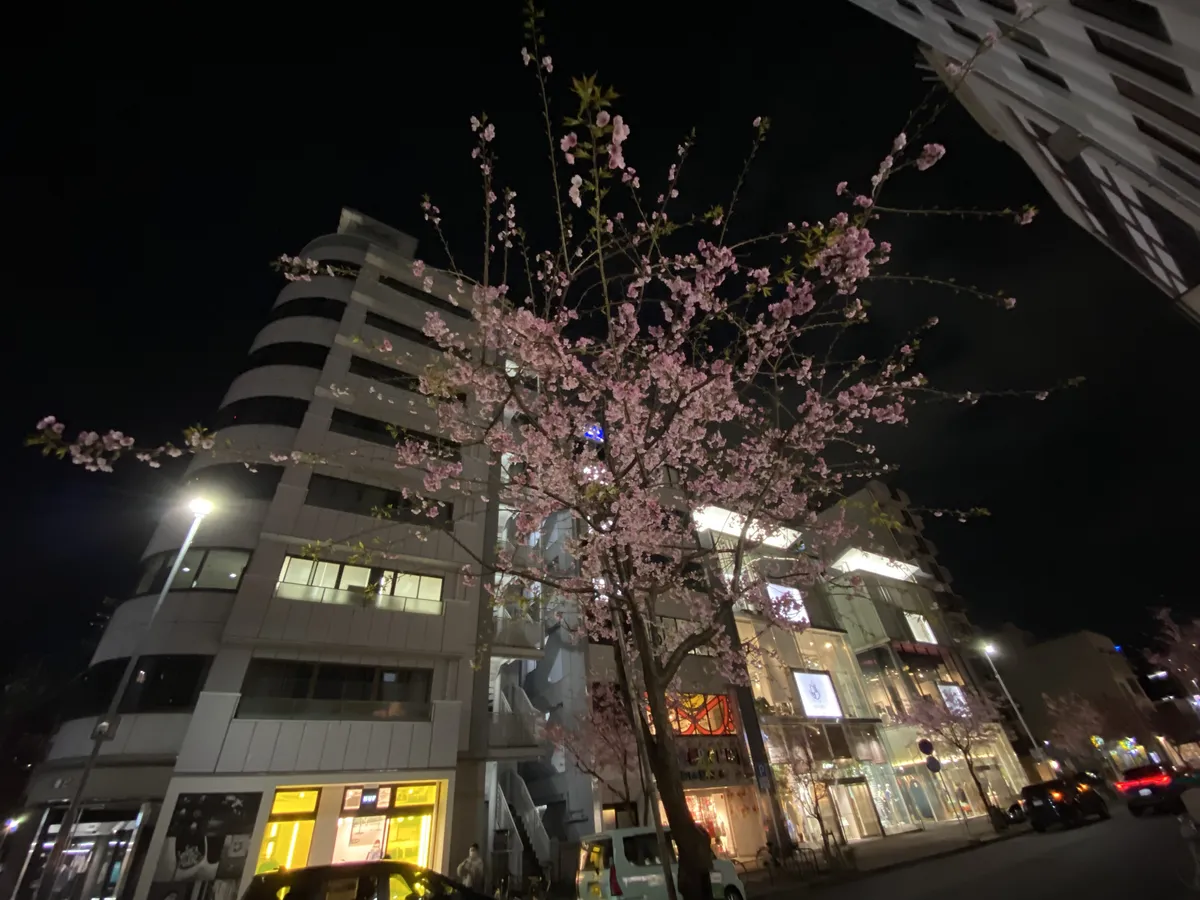
If you can only pick one spring festival in Central Japan, I would point you to the Inuyama Festival. It is 30 minutes from Nagoya by Meitetsu, and the combination of the floats and the cherry blossoms is a concentrated dose of “Japanese spring” in a single afternoon. You can pair it with Inuyama Castle on the same day, which makes the trip very efficient.
For a deeper guide, see the Inuyama day trip guide.
Summer Festivals (June-August)
Summer is the peak of Central Japan’s festival season. From June through early September, almost every weekend has a major festival happening somewhere in the region.
Main Festivals in June
Atsuta Festival (Atsuta Jingu Annual Grand Festival, June 5) — Atsuta Ward, Nagoya. The most important annual rite at Atsuta Jingu, one of the most sacred shrines in Japan. Kentou Makiwara lantern displays (377 lanterns arranged in a dome shape at each of the shrine’s gates) are lit in the evening, and about 1,000 fireworks are launched over Jingu Park at night. Source: Atsuta Jingu Official Site — Annual Ceremonies. For the full 2027 guide — fireworks time, lantern towers, and access — see our Atsuta Matsuri guide.
The annual festival begins at 10:00 AM, with fireworks beginning around 7:40 PM.
Main Festivals in July
Owari Tsushima Tennou Festival (fourth Saturday and Sunday of July) — Tsushima, Aichi. A UNESCO Intangible Cultural Heritage event with a 600-year history. Five Makiwara boats and Danjiri-bune pleasure boats hold the rites on the Tennou River, making it one of Japan’s leading water-based festivals. For the full 2026 recap and the 2027 outlook — lantern boat schedule and access from Nagoya — see our Owari Tsushima Tenno Festival guide.
Gujo Odori (one of Japan’s three greatest bon dance festivals, mid-July to early September, 30 or more nights) — Gujo Hachiman, Gifu. Within that long stretch, the Tetsuya Odori (all-night dance) over the Obon holidays (August 13-16) — four consecutive nights of dancing through to dawn — is the absolute centerpiece. Crucially, tourists are welcome to step into the dance circle, making it one of the most genuinely participatory festivals in Japan.
Source: Gujo Hachiman Tourist Association — Gujo Odori. The festival runs 30 or more nights from mid-July to early September (Japan’s longest-running bon dance), with the Tetsuya Odori taking place on four consecutive nights from August 13-16. For the full 2026 schedule, all-night dance dates, and how to join in, see our Gujo Odori guide.
Kariya Mando Festival (last Saturday of July and the following Sunday; 25-26 July in 2026) — Kariya, Aichi. At Akiba Shrine, young men each carry a bamboo-and-washi warrior figure up to 5 metres tall and 60 kilograms alone, lit from inside, and dance with it after dark. For the full 2026 recap and access from Nagoya, see our Kariya Mando Festival guide.
Toyohama Tai Matsuri (two districts, dates vary by year; 18-19 July in 2026) — Minamichita, Aichi. Giant papier-mache sea bream 10 to 18 metres long are carried through the streets of a fishing town at the tip of the Chita Peninsula. For the full 2026 recap and access from Nagoya, see our Toyohama Tai Matsuri guide.
Main Festivals in August
Gifu Nagaragawa Fireworks Festival (August 8 in 2026) — Gifu City, Gifu. Gifu City’s biggest summer night: launched from a sandbar in the Nagara River, with paid support seats and a free viewing area both available. For the full 2026 recap, seat prices and access from Nagoya, see our Gifu Nagaragawa Fireworks guide.
Kuwana Ishidori Festival (1-2 August in 2026) — Kuwana, Mie. Dozens of ornate carts hammer gongs and drums through the night at Kasuga Shrine, earning it a reputation as Japan’s noisiest festival. For the full 2026 recap, the 2027 dates and access from Nagoya, see our Kuwana Ishidori Festival guide.
Okazaki Fireworks (August 1 in 2026) — Okazaki, Aichi. A ticketed fireworks display over the Oto and Yahagi rivers in Tokugawa Ieyasu’s birthplace — there is no free viewing area near the launch site. For the full 2026 recap, ticket details and access from Nagoya, see our Okazaki Fireworks guide.
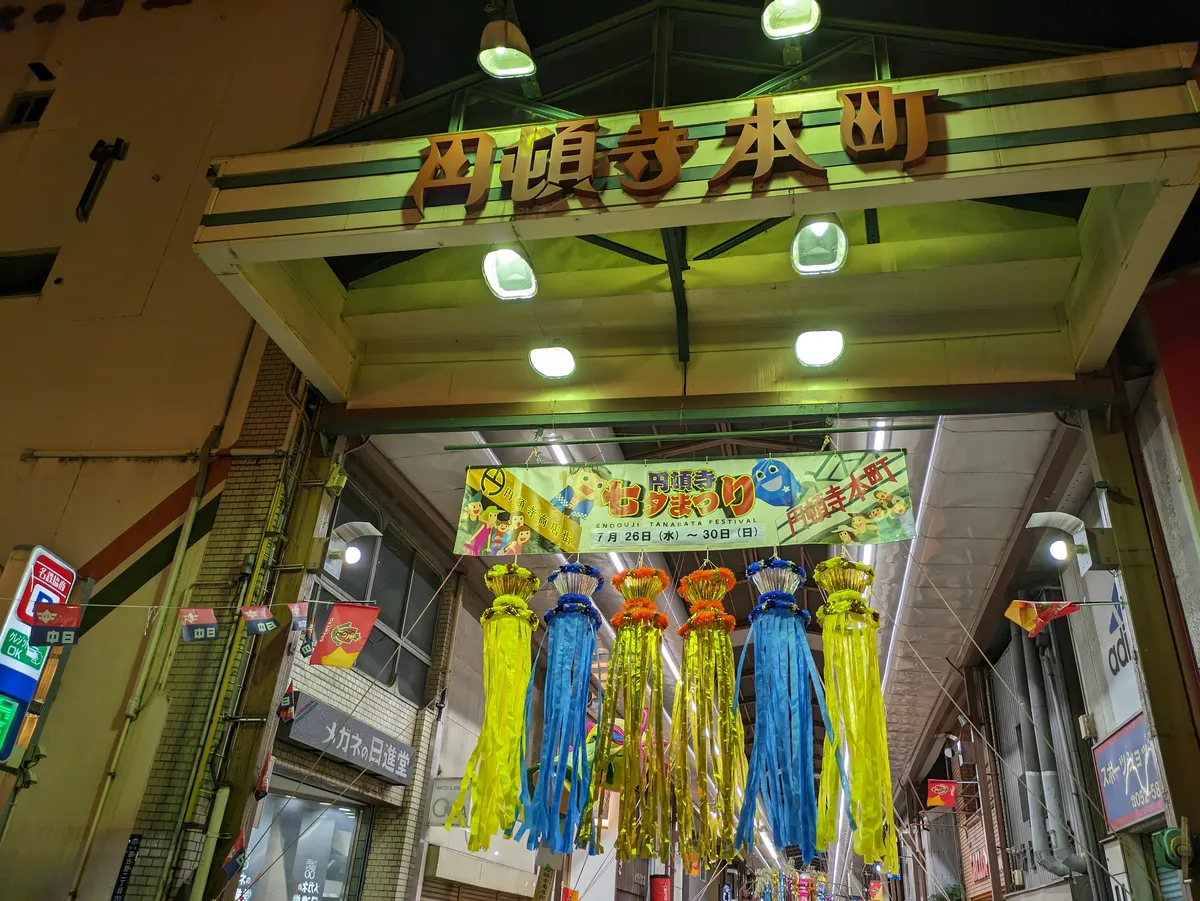
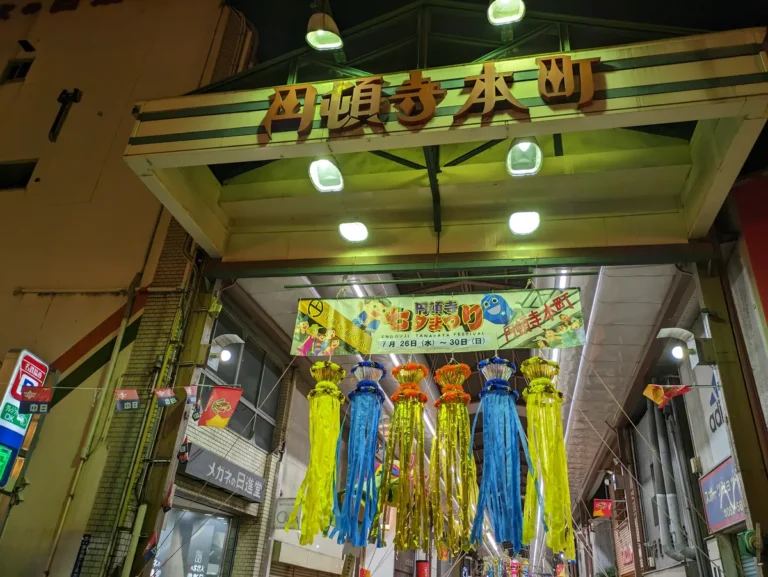
Endoji Tanabata Festival (late July to early August, roughly 5 days) — Nishi Ward, Nagoya. A Tanabata festival held in a downtown old-school shopping street near central Nagoya. It is known for its uniquely handmade decorations, and the showa-retro atmosphere is unlike anything else in the city. Source: Nagoya Convention & Visitors Bureau.
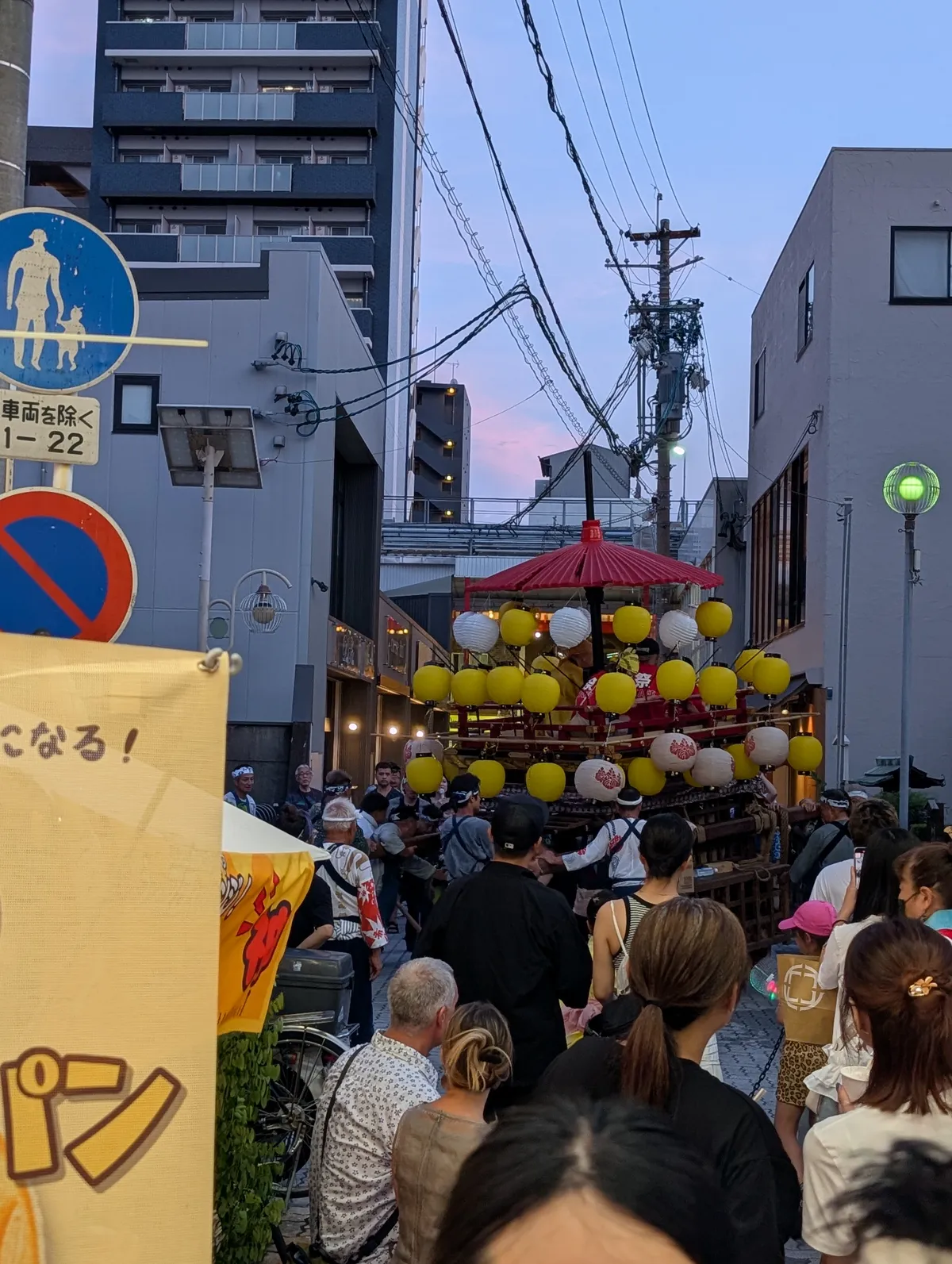
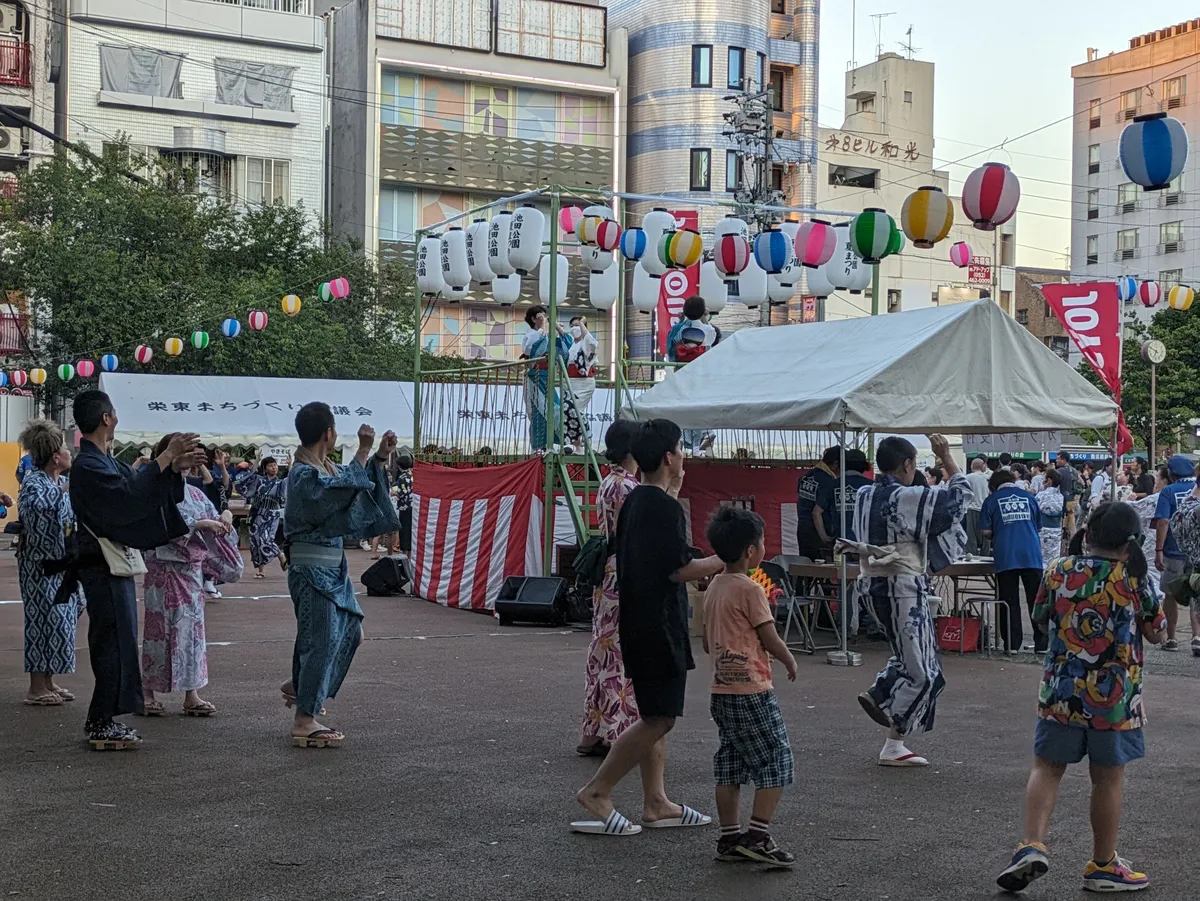
Osu Summer Festival (first Saturday and Sunday of August) — Osu, Naka Ward, Nagoya. The signature summer event of the Osu shopping street. Bon dance, cosplay parade, taiko drum performances, and food stalls all happen at once — the defining example of a Nagoya urban festival.
Living in the Osu shopping district as I do today, the Osu Summer Festival is essentially “the local festival held in front of my house.” What I love about it is the unique atmosphere where cosplay and tradition coexist — it is genuinely Nagoya. The sight of cosplayers gathering right next to a bon dance circle is a scene only Osu produces, and for foreign visitors it is one of those moments that lands hard: the instant where Japanese tradition and contemporary otaku culture blend together in the same street.
A note on my own bon dance philosophy. My personal style at a bon dance is “show up, don’t actually dance, drink a beer nearby and just take in the air.” Soaking up the atmosphere is, for me, the best way to enjoy it. When I was a child, my grandmother loved bon dancing and used to take me to the local festivals near our home. She was the kind of person who would climb up onto the yagura tower and dance there too — meanwhile I would be down below in the local park, playing hide-and-seek and tag through the dancing circle of grown-ups. That is the original landscape of bon dancing for me. Nagoya has its own music that you only ever hear in this city, and the local “Dai-Nagoya Ondo” is a regional dance I genuinely want foreign travelers to see at least once. If you have the energy, step into the circle and try it — no one will mind if you have never done it before. That open-armed quality is exactly the depth of Japan’s bon dance culture.
World Cosplay Summit (WCS, early August) — across Nagoya. The world’s largest international cosplay competition. Representatives from 42 countries and regions gather in 2026 — a record for the event, with parades held at Oasis 21 in Sakae and through the Osu shopping district. The championship final takes place at the Aichi Arts Center (the venue has varied by year; Aichi Prefectural Gymnasium, now IG Arena, hosted it in past years such as 2018).
Source: World Cosplay Summit Official Site. The event began in 2003 and has traditionally run from late July to early August — the 2026 edition is July 31 to August 2. From 2027 the summit moves out of summer into autumn because of Japan’s intensifying heat, with WCS 2027 scheduled for November 12-14, 2027.
I have actually gone all the way to the Aichi Arts Center to watch the championship in person. What hit me, sitting in the stands, was how completely nationality fell away — through anime and manga, a shared culture that transcends borders, people from every direction were genuinely befriending each other right in front of me. It is a remarkable event in that very specific way. During the WCS window, the entire city becomes brighter, and Osu and Sakae take on a parade-like, almost Disneyland-esque atmosphere. The August timing is so hot that I genuinely worry about the cosplayers in costume, but that itself is proof of how much energy is converging on Nagoya from around the world.
Umi no Hi Nagoya Minato Festival (third Monday of July / Marine Day) — Minato Ward, Nagoya. Held around the Garden Pier area of Nagoya Port. In a typical year, about 3,000 fireworks, including water-based fireworks (suijou hanabi), light up the sky over the harbor, though the 2026 edition (80th) has cancelled its fireworks display and parade. Source: Umi no Hi Nagoya Minato Festival Official Site. For the full story on the 2026 cancellation and what returns in 2027, see our Nagoya Minato Matsuri Fireworks guide.
This is the section where my personal memory runs deepest. As a child, my summer ritual was getting on my bike from my home in Nakagawa Ward and riding all the way to Toyokuni Shrine in Nakamura Ward, where my father would take me to the Taiko Festival (Taiko-sai) at the shrine dedicated to Toyotomi Hideyoshi. The approach was lined wall-to-wall with food stalls, lively and bright — yakisoba, kushikatsu, cotton candy, and my father putting money down on the shateki (target shooting) booth so I could play. My father was strict the rest of the year, but on those festival nights his face turned soft and he would buy me anything I asked for, and that memory still sits clearly with me today. By the time I was in junior high, the destination shifted: now it was the Nagoya Minato Festival, and I would head out on my bike with about ten friends. We would eat yakisoba at the stalls, wander into the local arcade, and look up together at the water fireworks — those nights are exactly what the Japanese phrase “seishun sonomono” (youth itself) refers to, deeply nostalgic in a way I cannot quite translate. The water fireworks have a unique quality because the light reflects off the surface of the harbor — it is a different kind of mood from inland fireworks displays. As a local, this is one of the summer scenes I think every visitor should experience at least once.
Nippon Domannaka Matsuri (Domatsuri, last weekend of August) — Sakae, Nagoya. An urban-style yosakoi-derived festival born in Nagoya. Over 20,000 dancers converge on Sakae and Hisaya Odori Park, with free choreography and the rhythmic clack of naruko clappers as the signature sound.
Source: Nippon Domannaka Matsuri Official Site. Held every year over the Friday, Saturday, and Sunday of the last weekend of August in the Sakae area.
The headline of summer in Nagoya is the urban-festival triple: World Cosplay Summit (early August) → Osu Summer Festival (first weekend of August) → Domatsuri (last weekend of August). If you base yourself in Osu, all three are reachable on foot or by a single subway hop. See the Nagoya accommodation guide for help choosing your area.
Autumn Festivals (September-November)
Autumn is the season of harvest and traditional festivals. From September through November, you can pair festivals with the autumn leaves (koyo) — and it is also peak season for inbound tourism in the region.
Main Festivals in September
Respect for the Aged Day (third Monday of September) and Jugoya, the Harvest Moon (mid-September to early October; September 25 in 2026) — across the region. Tsukimi (moon-viewing) festivals dedicated to the autumn harvest moon are held at shrines throughout the area.
Nagoya Festival pre-events (late September) — Nagoya. The main event is in October, but related programming begins in the final week of September.
Toride Shrine Whale Boat Festival (Tomida Kujirabune Matsuri; 26-27 September in 2026) — Tomita, Yokkaichi, Mie. A UNESCO-listed mock whale hunt performed on land: a wooden whale boat is towed through the streets around Toride Shrine. It ran on 14-15 August for generations, but moved permanently to the weekend after 23 September starting in 2025 as a heat-safety measure. For the full 2026 timetable and access from Nagoya, see our Toride Shrine Whale Boat Festival guide.
Main Festivals in October
Nagoya Festival (third Saturday and Sunday of October) — Sakae and Nagoya Castle, Nagoya. Nagoya’s largest civic festival. The single biggest draw is the “Kyodo Eiketsu Gyoretsu” — the procession of the Three Unifiers of Japan: Nobunaga, Hideyoshi, and Ieyasu — alongside the princesses, played by Nagoya residents in full costume marching down Otsu-dori through Sakae. Important for 2026: the 72nd Nagoya Festival (October 17-18, 2026) is not running the parade at all — including the Three Unifiers procession — because the dates clash with the Asian Para Games torch relay and opening ceremony and roadside security cannot be secured. A Three Unifiers procession float is on static display at Hisaya Odori Park instead, and the Oasis 21 venue events are also cancelled. For the full 2026 guide — what replaces the procession, free castle entry, and access — see our Nagoya Matsuri guide.
Source: Nagoya Festival Official Site. The 2025 edition was the 71st time the festival has been held. In recent years the procession has run from Nagoya Station via Hirokoji-dori and Sakae to Yabacho on day one, and from City Hall down Otsu-dori through Sakae to Yabacho on day two.
Takayama Autumn Festival (Hachiman-sai, October 9-10) — Takayama, Gifu. The autumn counterpart to the Spring Sannou-sai. Eleven yatai floats make the procession, and the karakuri puppet “Hotei-tai” performs the dedicated mechanical performance. Counted as one of Japan’s three most beautiful festivals.
Koromo Matsuri (17-18 October 2026) — Toyota City, Aichi. Eight floats designated tangible folk cultural properties by the prefecture and the city are hauled into Koromo Shrine under a storm of confetti, with the Nanatabi Mairi seven-lap night rite on the Saturday. For the full 2026 guide — schedule, access from Nagoya and what to know before you go — see our Koromo Matsuri guide.
Mino Washi Akari Art Exhibition (11 October – 30 November 2026) — Mino, Gifu. Handmade Mino-washi paper lantern artworks light up Mino’s preserved Edo-period merchant street from 17:00 to 21:00 each evening; viewing is free. For the full 2026 guide — dates, the two parts of the exhibition and access from Nagoya — see our Mino Washi Akari Art Exhibition guide.
Ueno Tenjin Festival (October 23-25 in 2026) — Iga, Mie. A UNESCO-listed autumn festival of Ueno Tenjingu: more than a hundred masked demons parade one set of streets while nine towering danjiri floats work another, free to watch. For the full 2026 guide and access from Nagoya, see our Ueno Tenjin Festival guide.
Gifu Nobunaga Festival (7-8 November 2026) — Gifu City. A procession of Sengoku-era warlords centered on Oda Nobunaga. In 2022 the event went nationally viral when actor Takuya Kimura played Nobunaga. Source: Gifu Nobunaga Festival. For the full 2026 guide — dates, the samurai parade and access from Nagoya — see our Gifu Nobunaga Festival guide.
Setomono Festival (second Saturday and Sunday of September) — Seto, Aichi. A pottery festival held continuously since 1932. Around 200 stalls line the streets, with direct sales and hands-on experiences with Seto-yaki ceramics.
Source: Seto Official Tourism Site — Setomono Festival. Considered Japan’s largest pottery festival. For the full 2026 details — hours, fireworks, access, and parking — see our Setomono Matsuri guide.
Main Festivals in November
Shichi-Go-San (around November 15) — across all major shrines. A traditional rite celebrating the growth of children at ages three, five, and seven. Atsuta Jingu, Osu Kannon, and Ise Jingu are particularly busy with families during this window.
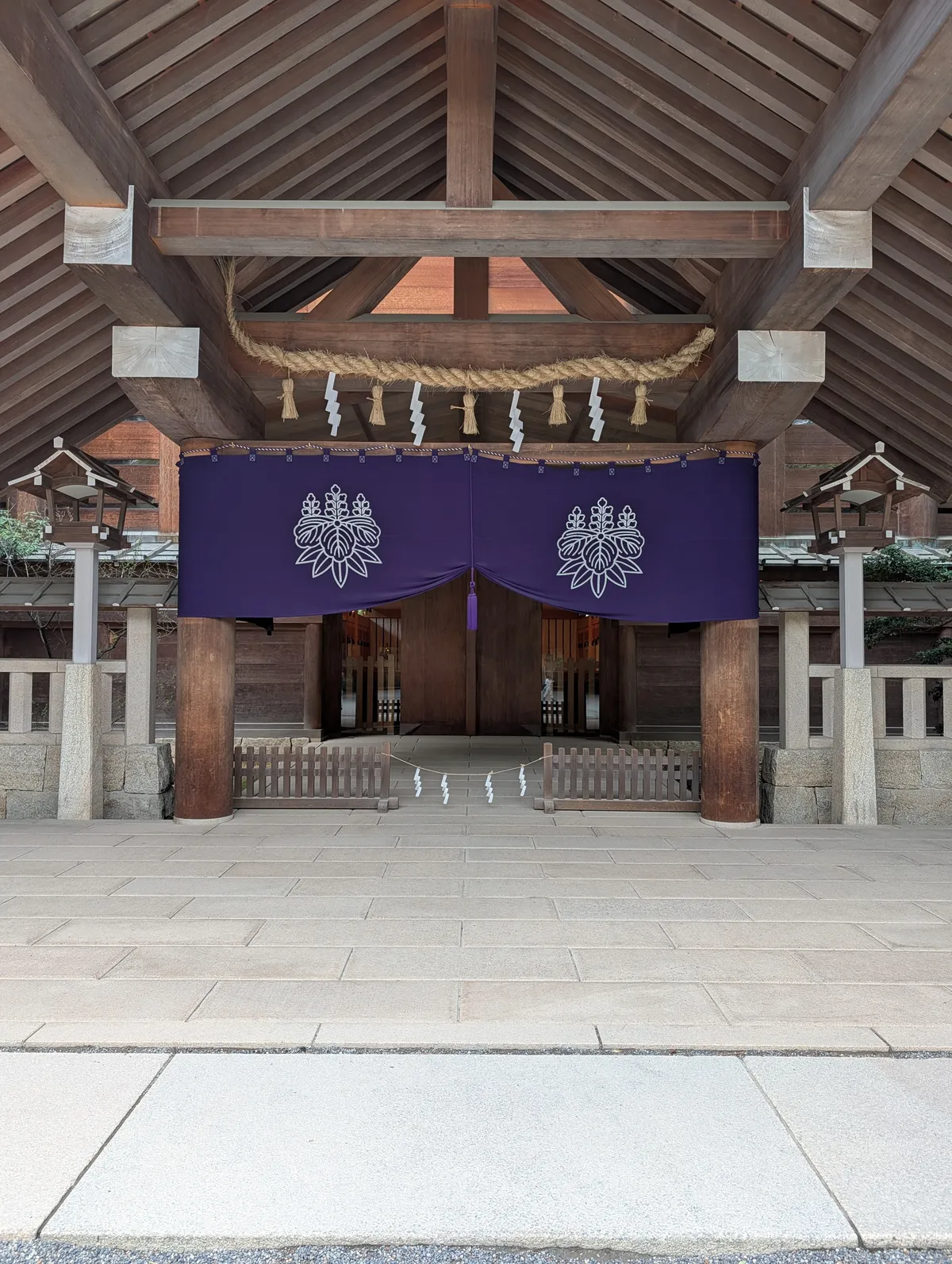
Autumn leaf festivals across the region.
- Korankei Momiji Festival (Asuke, Toyota City, Aichi)
- Tokugawa-en Autumn Leaf Festival (Higashi Ward, Nagoya)
- Inuyama Castle Town autumn leaves
For autumn the festival to prioritize is the Nagoya Festival. In a normal year the Three Unifiers procession is the one annual occasion where you can see them with Nagoya Castle directly behind in the frame — in 2026 the procession itself is not taking place, so this year the draw is free entry to Nagoya Castle on both festival days instead (see our Nagoya Matsuri 2026 guide for the full picture). The peak of the autumn leaves is in November and falls slightly after the festival, so a clean rhythm is: late October for Nagoya sightseeing, then November for koyo at Korankei or Inuyama. No wasted days.
For a deeper look at the castle, see the Nagoya Castle complete guide.
Winter Festivals (December-February)
Winter unfolds a different festival culture from the rest of the year — hatsumode (first shrine visits), setsubun bean-throwing, and large-scale illuminations all sit in this window. Our guide to winter festivals and New Year in Central Japan goes through this season in more depth.
Main Festivals in December
Christmas Markets (early to late December) — Hisaya Odori Park and Osu, Nagoya. European-style Christmas markets are held at Hisaya Odori Park (renewed in 2020); the adjacent Oasis 21 hosts its own separate market and illumination events. Stalls serve glühwein (mulled wine), sausages, and Christmas crafts.
Nabana no Sato Winter Illumination (late October to late May) — Kuwana, Mie. One of Japan’s largest illumination events. The garden is lit by a massive array of LED bulbs (widely cited at around 22 million, though this figure is not specified on the current official page), and the main themed area changes annually. Roughly one hour from Nagoya by train and bus.
Source: Nabana no Sato Official Site — Illumination Lighting Hours. Lighting time varies with sunset and changes through the season; check the official lighting-hours page for your travel dates before visiting.
Main Festivals in January
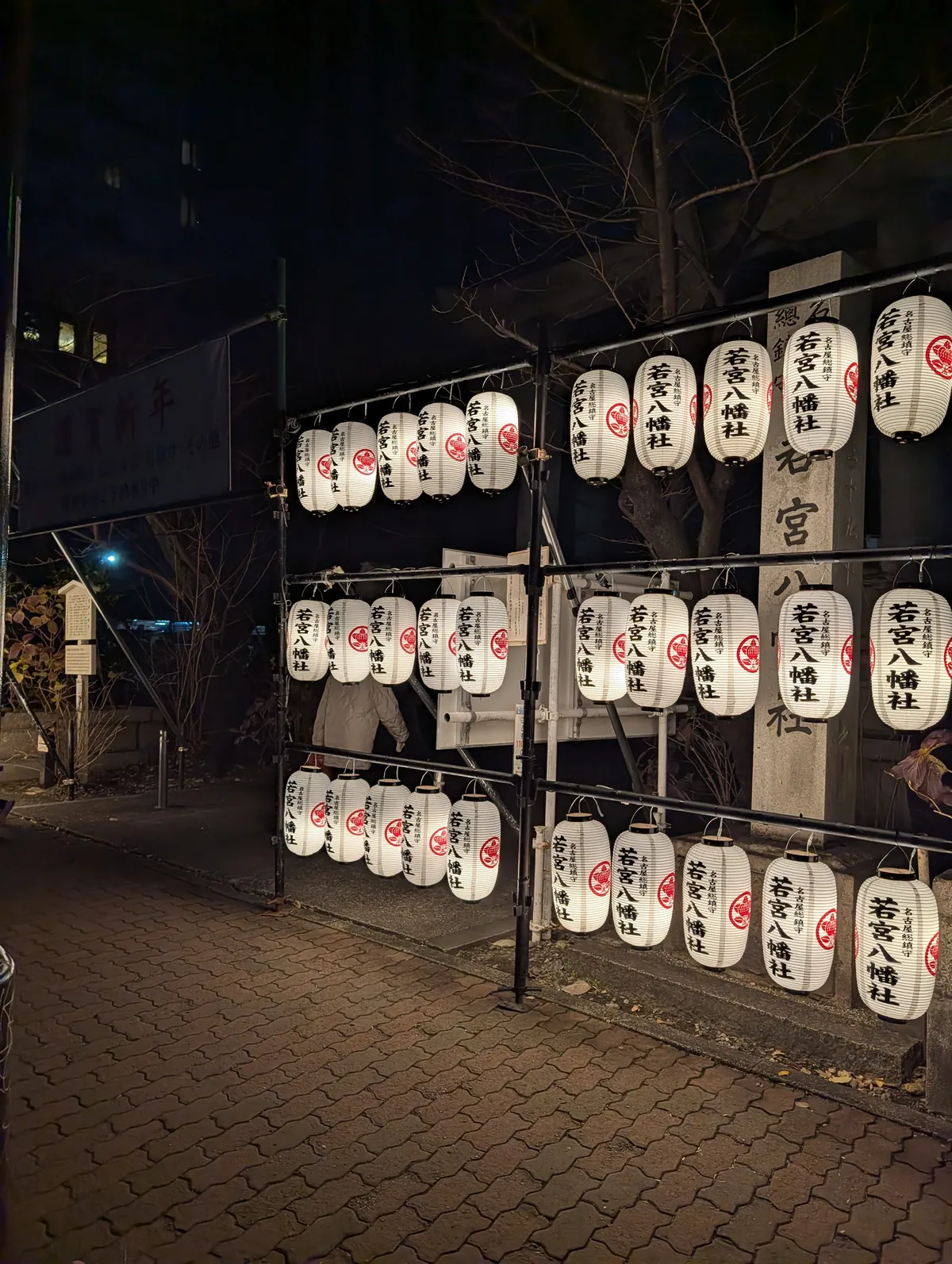
Joya no Kane (New Year’s Eve, midnight on December 31) — Wakamiya Hachiman-sha, Sakae. One of the great year-end rituals for Nagoyans is to listen to the joya no kane (the 108 ringings of the temple bell) at Wakamiya Hachiman-sha, a venerable shrine in the heart of Sakae. It has been a fixed part of my own annual year-end routine for as long as I can remember. For foreign travelers staying in the Sakae area, this is a fully walkable, locally rooted way to step into the new year.
Hatsumode (January 1-3) — major shrines.
- Atsuta Jingu: Aichi’s busiest hatsumode destination — the shrine announced about 2.25 million visitors over the first three days of January 2018, and about 2.3 million were forecast for the same three days in 2025.
- Ise Jingu: Welcomes pilgrims from across the country.
- Osu Kannon: A popular urban hatsumode pick within Nagoya itself.
Sources: Nikkei (2018 figure, announced by the shrine) and Chunichi Shimbun (2025 forecast). Crowding is heaviest on the walking routes from JR Atsuta Station and Jingu-mae Station, and the shrine closes its own car parks from late December until mid-January, so come by train or subway (Atsuta Jingu official).
My personal new-year ritual: rather than fight the January 1-3 crush, I time my visit for shigoto-hajime (the start-of-work day) at Atsuta Jingu. It doubles as a prayer for the year’s work ahead, and the grounds are noticeably calmer once the first three days are past. The bonus, and one of my favorite things about the timing, is that the food stalls are still set up and there are a lot of them. Local businesspeople fill out the crowd, which means foreign visitors get to feel the very specific atmosphere of “the start of the Japanese business year” — a side of the country travelers rarely see.
Main Festivals in February
Osu Kannon Setsubun-e (on Setsubun, typically February 3, though the date shifts some years) — Osu, Naka Ward, Nagoya. Famous for its bean-throwing event, where anyone can join the stage bean-toss for a 3,500-yen prayer fee. Local celebrities and entertainers serve as guest bean-throwers, and the entire Osu shopping street takes on a festival mood for the day. Source: Osu Kannon Official Site.
Konomiya Hadaka Matsuri (Naked Man Festival, mid-to-late February) — Inazawa, Aichi. A purification rite at Owari Okunitama Shrine said to date back about 1,250 years: thousands of men in loincloths mob a single chosen man, the shin-otoko, to pass on a year of misfortune. The date follows the old lunar calendar (the 13th day of the first lunar month), so it shifts every year — the next edition is February 19, 2027. For the full 2027 guide — dates, access, and what to expect — see our Konomiya Hadaka Matsuri guide.
For winter, Nabana no Sato is the top priority. One hour from Nagoya, you reach one of Japan’s largest illumination experiences, and the property even has an onsen on site. The catch: weekend parking lots fill up completely, so weekday evenings between 5:30 PM and 7:00 PM are the sweet spot.
Top 5 Must-See Festivals for Foreign Visitors
Out of the entire Central Japan calendar, here are the five festivals foreign visitors will get the most out of. Their dates are spread across the year, so you can pick whichever fits your travel window.
#1: Gujo Odori (mid-July to early September)
Why #1: A genuinely participatory festival where tourists step right into the dance circle. The four consecutive nights of all-night dancing (August 13-16) have no real equivalent anywhere else. UNESCO Intangible Cultural Heritage.
- Where: Gujo Hachiman, Gifu Prefecture
- From Nagoya: About 2 hours 30 minutes via JR Takayama Line and the Nagaragawa Railway
- Budget: Free admission, free participation
- Suggested stay: One overnight (essential for the all-night dance experience)
#2: Takayama Spring Festival (Sannou-sai, April 14-15)
Why #2: UNESCO Intangible Cultural Heritage. Twelve elaborate yatai floats and karakuri puppet craftsmanship at the absolute peak of Japan’s festival tradition.
- Where: Takayama, Gifu Prefecture
- From Nagoya: About 2 hours 20 minutes on the JR Limited Express Hida (renamed from “Wide View Hida” in the March 2022 timetable revision)
- Budget: Free — viewing is from the street, and the festival does not sell official reserved seating
- Suggested stay: Day-trip possible, but one overnight is recommended
#3: World Cosplay Summit (WCS, early August)
Why #3: The world’s largest international cosplay competition — a single concentrated dose of Japan’s pop culture that even non-otaku travelers genuinely enjoy. The parades through Osu and Sakae are free to watch.
- Where: Osu and Sakae, Nagoya
- Day-trippable from a Nagoya base
- Budget: Parades free; World Cosplay Championship reserved-seat tickets 4,000-20,000 yen (2026)
- Suggested stay: 1-2 days
#4: Nabana no Sato Winter Illumination (late October to late May)
Why #4: One of Japan’s largest illumination experiences. Evening-only, but the balance of one-hour access from Nagoya and the sheer scale of the lights is unmatched in the region.
- Where: Kuwana, Mie Prefecture
- From Nagoya: About 30 minutes on the Meitetsu/Sanco bus to Nabana no Sato
- Budget: 2,500-3,200 yen admission (the nyuson-ryo, or village entry fee) depending on the season and whether you buy at a convenience store or at the gate, including a 1,000-yen voucher usable inside the park plus Begonia Garden entry; the Christmas special days of December 23-25 are 5,000 yen in advance and 5,500 yen on the day; adjacent to Nagashima Resort. Source: Nabana no Sato Official Site.
- Suggested stay: 3-4 hours (late afternoon through evening)
#5: Nagoya Festival (third Saturday and Sunday of October)
Why #5: In most years, the highlight is the procession of the Three Unifiers of Japan: Nobunaga, Hideyoshi, and Ieyasu — a chance to see Japan’s Sengoku history visually rather than only on the page. For 2026 the procession itself is not running (the dates clash with the Asian Para Games torch relay and opening ceremony), with a Three Unifiers float on static display at Hisaya Odori Park instead — see our Nagoya Matsuri 2026 guide for what is still on. Everything happens within the Nagoya city limits, so access is excellent.
- Where: Sakae through to Nagoya Castle, Nagoya
- Day-trippable from a Nagoya base
- Budget: Completely free
- Suggested stay: Half a day to a full day
Practical Tips for Festival Travel
Crowd Management
- Arrive two hours early as a baseline rule. For festivals with paid reserved seating, one hour is usually fine.
- Public transport is at peak crowding on weekends and holidays. Festivals held on weekdays (Atsuta Festival on June 5, for example) are hidden gems for that reason.
- Station crowds on the way home: after fireworks, train stations are jammed for 30+ minutes. Either leave early or deliberately stagger your departure.
Photography Tips
- Tripods are typically prohibited at most festivals. Practice handheld shooting in advance.
- For night festivals on a smartphone, use night mode.
- For procession-style festivals (Nagoya Festival, Inuyama Festival), secure your spot along the route early.
Booking Accommodation
- Hotel rates around major festivals run 2 to 3 times normal.
- Takayama Festival and Gujo Odori require booking 3 to 6 months in advance.
- For Nagoya’s urban festivals, hotels in Osu, Sakae, and Meieki are all within walking distance of the action.
Clothing and What to Bring
- Summer festivals: Many venues have yukata rental (Osu, Nagoya Festival).
- Essentials: Mobile battery, water, towel, cash (most food stalls are cash-only).
- Winter festivals: Nabana no Sato is outdoors — pack winter layers and hand warmers (kairo).
Practical Information
| Festival | When | Where | From Nagoya |
|---|---|---|---|
| Inuyama Festival | 1st weekend of April | Inuyama, Aichi | Meitetsu, 30 min |
| Yamazakigawa Cherry Blossom Light-Up | Late March to early April | Mizuho Ward, Nagoya | Subway, 20 min |
| Takayama Spring Festival | April 14-15 | Takayama, Gifu | JR, 2 h 20 min |
| Atsuta Festival | June 5 | Atsuta Ward, Nagoya | Subway, 10 min |
| Owari Tsushima Tennou Festival | 4th weekend of July | Tsushima, Aichi | Meitetsu, 40 min |
| Gujo Odori | Mid-July to early September | Gujo, Gifu | JR + Nagaragawa Railway, 2.5 h |
| Osu Summer Festival | 1st weekend of August | Osu, Naka Ward, Nagoya | Subway, 10 min |
| World Cosplay Summit | Early August | Osu and Sakae, Nagoya | Subway, 10 min |
| Umi no Hi Nagoya Minato Festival | Marine Day (3rd Monday of July) | Minato Ward, Nagoya | Subway, 25 min |
| Domatsuri | Last weekend of August | Sakae, Nagoya | Subway, direct |
| Setomono Festival | 2nd weekend of September | Seto, Aichi | Meitetsu Seto Line, 40 min |
| Takayama Autumn Festival | October 9-10 | Takayama, Gifu | JR, 2 h 20 min |
| Nagoya Festival | 3rd weekend of October | Sakae and Nagoya Castle | Subway, direct |
| Nabana no Sato Illumination | Late October to late May | Kuwana, Mie | Meitetsu bus, ~30 min |
| Osu Kannon Setsubun-e | February 3 | Osu, Naka Ward, Nagoya | Subway, 10 min |
Frequently Asked Questions
What is the most popular festival in Central Japan?
For Japanese visitors, the Takayama Festival (April and October) and Gujo Odori (July to September) are the two giants. For foreign visitors, the World Cosplay Summit (early August) is the most popular by a clear margin. The Takayama Festival is celebrated for its UNESCO Intangible Cultural Heritage floats, Gujo Odori is famous as a participatory festival where tourists can join the dance circle, and the World Cosplay Summit is recognized as the top international cosplay event in the world, with full English support.
How early should I book accommodation for festival season?
For major festivals like the Takayama Festival and the all-night Gujo Odori (Tetsuya Odori), booking 3 to 6 months ahead is essential. During the Takayama Festival dates (April 14-15 and October 9-10), hotels and ryokan in Takayama City sell out almost completely and prices jump to 2 to 3 times the normal rate. The all-night Gujo Odori window of August 13-16 follows the same pattern in Gujo Hachiman. For Nagoya’s urban festivals, the larger hotel inventory means two weeks in advance is usually enough, but the Osu area is wise to book early.
Can foreign tourists actually participate in Japanese festivals?
Yes — many festivals genuinely welcome foreign participation. Gujo Odori is famous for letting tourists step straight into the dance circle, and basic instruction sessions are offered for beginners. The bon dance at the Osu Summer Festival is open to anyone. The World Cosplay Summit places English-speaking staff throughout the event, and registration and viewing are fully bilingual. If you rent a yukata at one of the shops in Osu, Meieki, or Sakae, the experience deepens further. If this is your first matsuri, our Japanese festival guide for first-timers walks through what happens at one and what the organisers ask of visitors.
Which festivals are famous for fireworks?
Three stand out in Central Japan: Atsuta Festival (June 5), Nagoya Minato Festival (Marine Day in July), and the Gifu Nagara River Fireworks (early to mid-August; August 8 in 2026). Atsuta Festival sends roughly 1,000 fireworks over Jingu Park, and the contrast between the solemn shrine grounds and the explosions overhead is unique. Note that the Nagoya Minato Festival fireworks were cancelled for 2026 (the Asian Games and Asian Para Games took over Garden Pier); in a normal year it is known for its 3,000 water-based fireworks (suijou hanabi) reflecting off the surface of Nagoya Port — see our Nagoya Minato Matsuri Fireworks guide for what happened instead and the 2027 outlook. The Nagara River event is one of the largest in the region (around 10,000 shells since the two former Nagara River displays merged into a single festival in 2023), but the trip from Nagoya to Gifu and the heavier crowds mean you should plan with extra buffer.
What are the best winter festivals in Central Japan?
Two stand out: Nabana no Sato Winter Illumination (late October to late May) and the Osu Kannon Setsubun-e (February 3). Nabana no Sato is one of Japan’s largest illumination events, only an hour from Nagoya, and the indoor sections hold up in any weather. The Osu Kannon Setsubun-e is a major bean-throwing event open to the public (participants can join the stage bean-toss for a 3,500-yen fee), with local celebrities throwing the beans — the neighborhood-rooted, warm atmosphere is unmistakable. For hatsumode at Atsuta Jingu, January 1-3 is the peak; visiting from January 4 onward gives you a noticeably calmer experience.
How do I fit festivals into my Japan trip plan?
If your travel dates are already fixed, look up which festivals fall in that window and build the itinerary around them. For example, an August trip can stack Osu Summer Festival (first weekend) → World Cosplay Summit (same week) → Domatsuri (last weekend) across three weeks of the month — three festivals from a single Nagoya base. An October trip can pair the Takayama Festival (October 9-10) → Nagoya Festival (third weekend) to cover both traditional and urban festivals over two weeks. If you can pick your travel month around festivals, April (sakura plus Takayama Festival) and August (peak festival density) are the strongest picks.
About the Author
Yuu was born and raised in Nagoya and has lived in the city for 35 years. He backpacked through New York during his university years, and after returning to Japan he worked in door-to-door sales across Nagoya, walking every corner of the city in the process. He now runs his own company while writing about the version of Central Japan that does not appear in standard guidebooks — written from a local’s eyes. He currently lives in the Osu shopping district, embedded in the festival rhythms of the neighborhood itself.
Related Guides
- Nagoya 3-Day Itinerary — A sightseeing plan you can fold into your festival timing.
- Osu Shopping Street Complete Guide — The home venue of the Osu Summer Festival and the World Cosplay Summit.
- Nagoya Accommodation Guide — How to choose your area for festival season.
- Takayama and Shirakawa-go Day Trip — Pair this with the Takayama Festival.
- Inuyama Day Trip — Combine the Inuyama Festival with a walk through Inuyama Castle.
- Best Time to Visit Nagoya 2026 — Month-by-month weather, crowds, and what to pack.