Osu Shopping Street (大須商店街) is a covered arcade district in central Nagoya with around 1,200 shops, dating back to Edo-period origins in the early 1600s. Street food starts at around ¥100 per item, most shops open 10:00-20:00, and the arcade is a 10-minute subway ride from Nagoya Station. This local resident’s guide covers food, temples, vintage shopping, festivals, and hidden gems.
Osu Shopping Street is Nagoya’s most vibrant neighborhood — a sprawling covered arcade district with around 1,200 shops, street food stalls, Buddhist temples, vintage stores, electronics shops, and a thriving international community. This is not a tourist attraction in the usual sense. It is a living, breathing neighborhood where people shop, eat, work, and gather every day. I know because I am one of them.
Last updated: August 2, 2026 | Written by Yuu, a Nagoya native of 35 years
This article may contain affiliate links. See our affiliate disclosure for details.
Table of Contents
- Why Osu? This Is My Neighborhood
- Osu Kannon Temple — Where Every Visit Begins
- Walking the Shopping Arcade
- Street Food Guide: Eating Your Way Through Osu
- Shopping Guide by Category
- Monthly Festivals and Events
- The International Community That Makes Osu Special
- Practical Information
- Combine Your Osu Visit With These Nearby Spots
- Frequently Asked Questions
- Related Guides
Why Is Osu Shopping Street Worth Visiting?
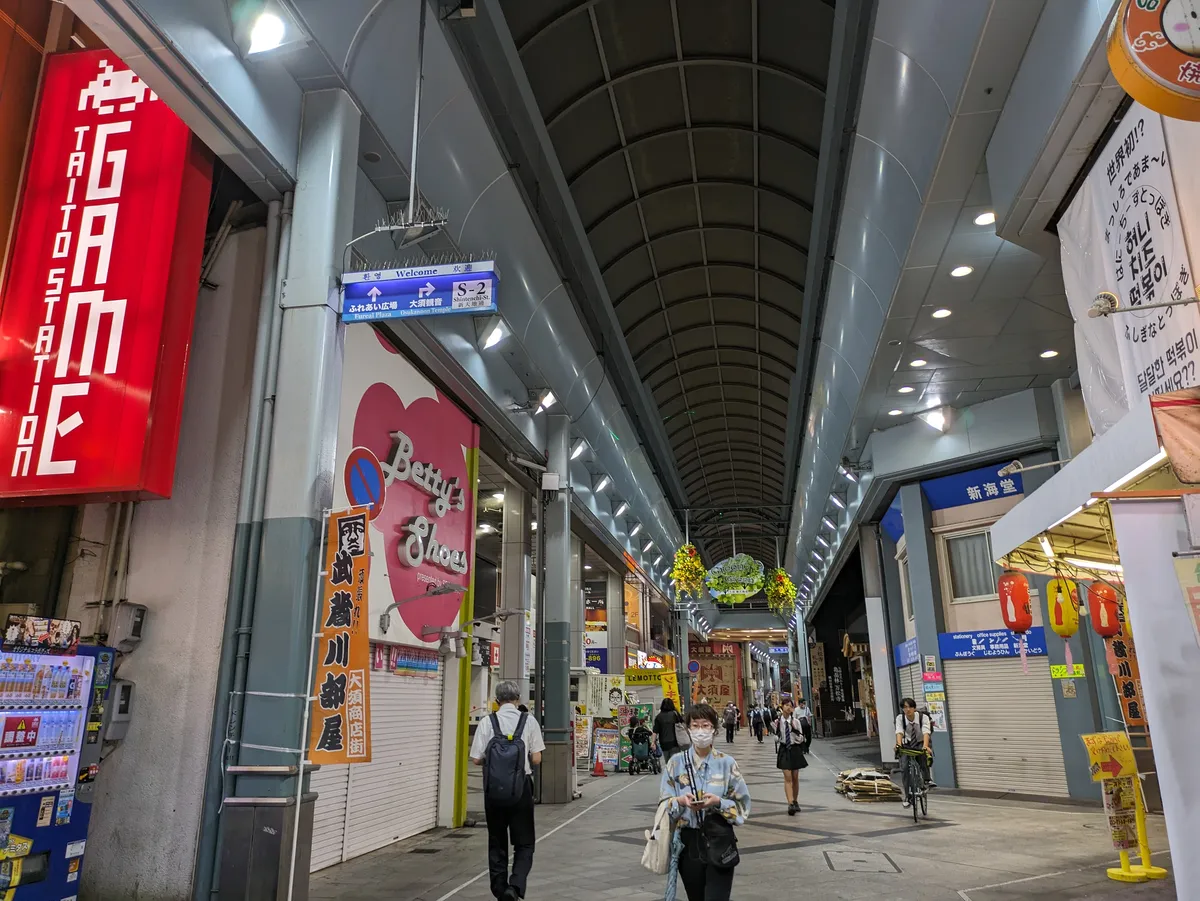
Osu is worth visiting because it is a genuine living neighborhood rather than a tourist-oriented shopping street. Around 1,200 shops, a Buddhist temple founded in 1333 that has stood here for over 400 years, international food from dozens of countries, and monthly festivals create an experience no other Nagoya district can match.
I have been coming to Osu since high school, and now I live within walking distance of the arcade.
Osu is not just a place I visit — it is where I live. My daily errands, my lunches, my evening walks all happen here. I run my company from the Osu area. When I step outside to grab lunch, I walk through the same covered arcades that visitors fly halfway around the world to see. The temple bells I hear in the morning are from Osu Kannon. The street food vendors know my face.
Most travel guides mention Osu Shopping Street as one bullet point in a list of things to do in Nagoya. They tell you it is a shopping district, recommend you spend an hour there, and move on. That advice undersells the place completely. Osu is not a quick stop — it is one of the most interesting neighborhoods in all of Japan, and it deserves real time and attention.
What makes Osu different from other shopping streets in Japan? Three things.
First, it is genuinely mixed. You will find a Buddhist temple that has stood here for over 400 years next to a secondhand electronics shop next to a Brazilian restaurant next to a cosplay store next to a traditional Japanese sweet shop. There is no theme, no branding committee, no corporate master plan. The neighborhood grew organically over centuries, and it shows.
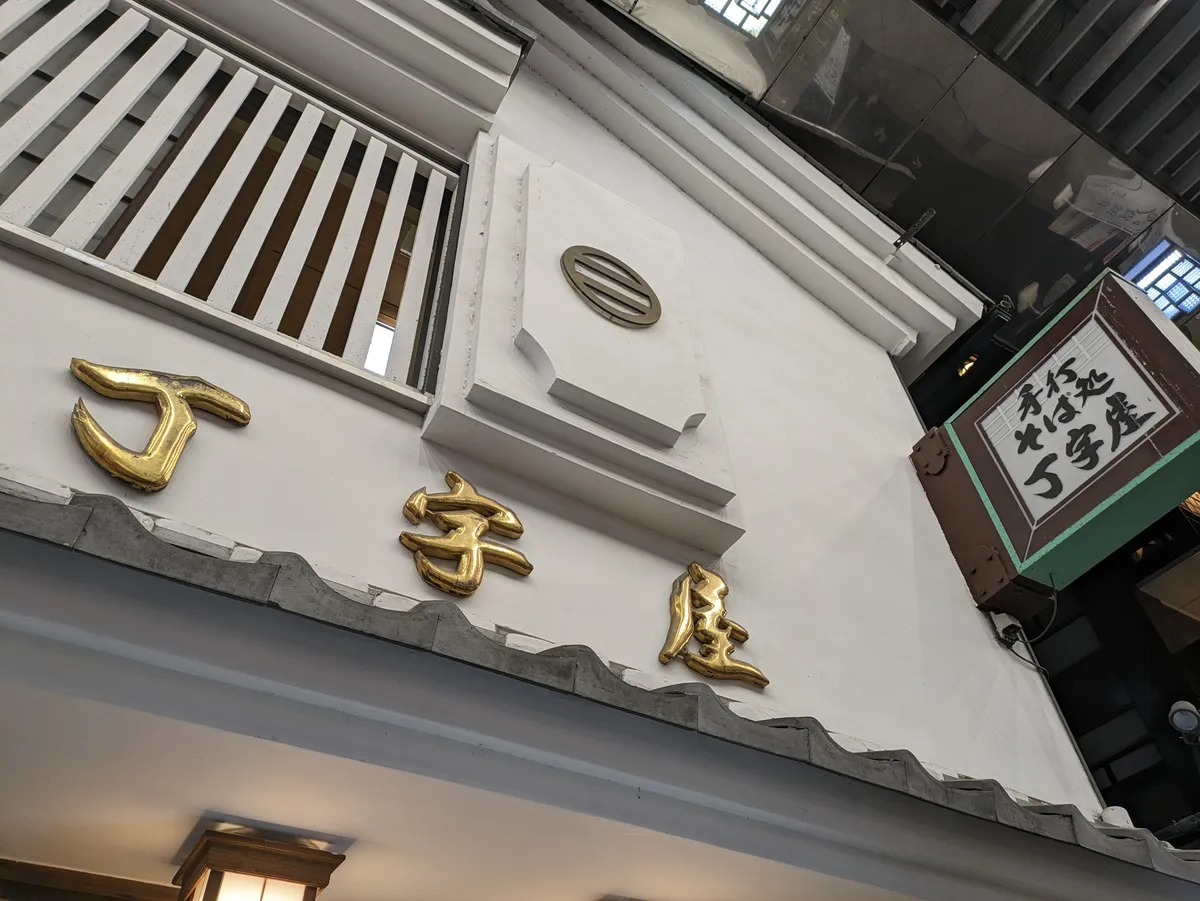
Second, it is a real neighborhood. People live here. Families, students, office workers, retirees, and a significant international community call Osu home. The shops exist to serve these residents as much as they serve visitors. That gives Osu an authenticity that planned shopping areas cannot replicate.
Third, it is constantly changing. New shops open, old ones close, festivals rotate through the calendar, and seasonal menus change with the weather. I have been exploring this neighborhood for years and I still discover new things regularly. A friend from overseas will mention a restaurant I have walked past a hundred times without noticing, or a new vintage shop will appear in a space that was empty last month.
If you are visiting Nagoya and you only have time for one neighborhood beyond the major sights, make it Osu.
Visit Osu on a weekend afternoon to experience the full energy of the district — street food vendors are all open, the arcades are lively, and you may catch buskers or pop-up events. For a quieter shopping experience with fewer crowds, weekday mornings between 10:00 and 12:00 are ideal.
What Should You See at Osu Kannon Temple?
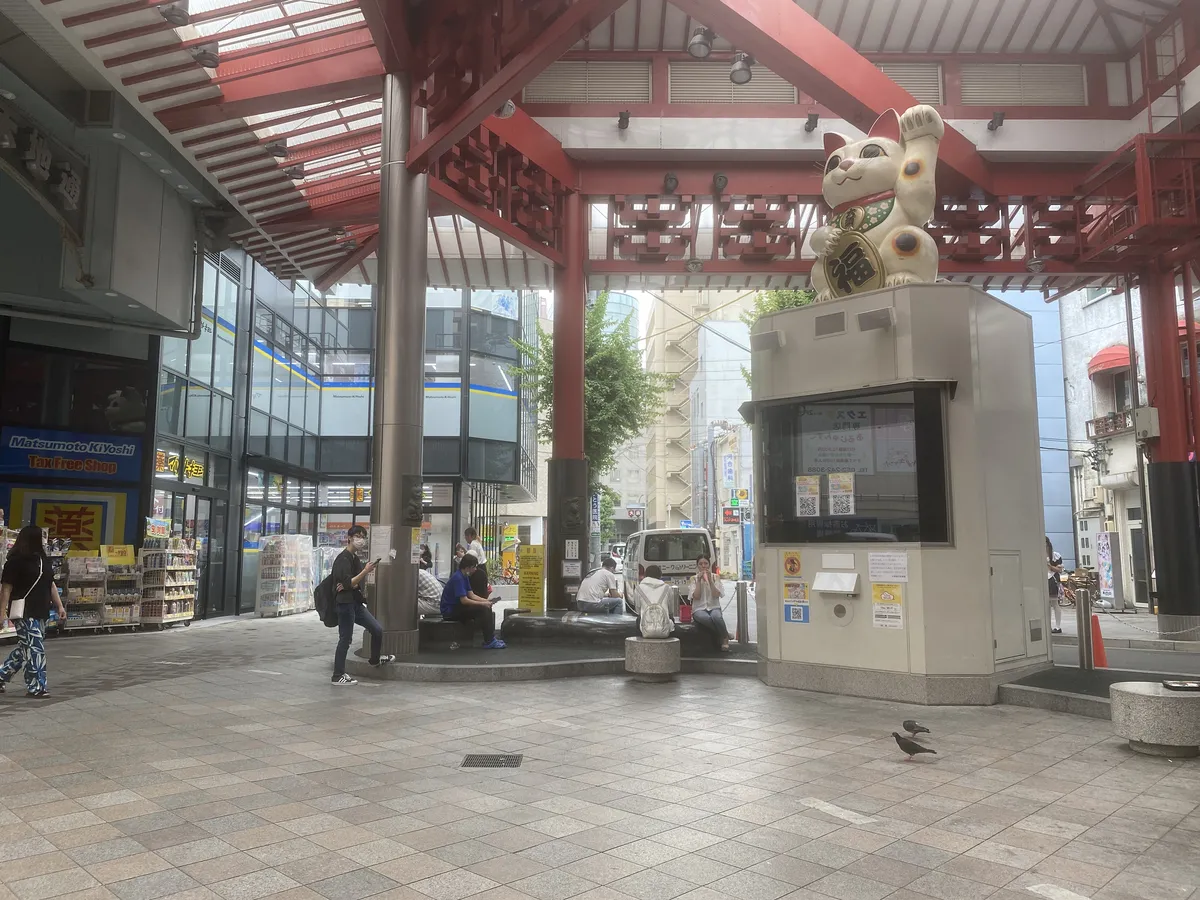
Osu Kannon is a free-admission Buddhist temple founded in 1333 and relocated to Osu by Tokugawa Ieyasu in 1612. Visit the main hall, draw an omikuji fortune, and time your trip for the 18th or 28th of the month when antique flea markets fill the temple grounds.
Osu Kannon (大須観音) is the Buddhist temple that anchors the entire shopping district. Officially known as Kitanosan Shinpuku-ji Hoshoin, it is one of Nagoya’s most important temples — and for most visitors, it is the natural starting point for exploring the arcade.
The temple sits at the western end of the shopping district, a three-minute walk from Osu Kannon Station Exit 2. You cannot miss it. The large red gate (Niomon) marks the entrance, and the main hall rises behind it with traditional Japanese architectural grandeur. The temple was originally founded in 1333 in what is now Hashima, Gifu Prefecture, and was relocated to its current location by Tokugawa Ieyasu in 1612 — the same era that gave Nagoya its castle.
Osu Kannon is dedicated to Kannon, the bodhisattva of compassion. It is a working temple, not a museum. Locals stop by to pray before shopping, families visit on New Year’s Day, and you will regularly see people making offerings and drawing fortunes (omikuji). The temple also houses a famous library of over 15,000 classical Japanese and Chinese texts, including a national treasure — the oldest existing copy of the Kojiki, Japan’s earliest historical record.
One thing I should warn you about: the pigeons. There are a lot of them. Osu Kannon’s courtyard is famously populated by pigeons, and they are bold. They will land on your shoulders if you are holding food. They will swoop past your head. Local children love chasing them, and tourists love photographing them, but if you are not a bird person, be prepared. It is part of the Osu Kannon experience.
There is also Banshoji (万松寺), a temple in the Osu area where I pray regularly — not as a tourist, but as a local. Right next to the temple, on the seventh floor of the Banshoji Building, there is actually a bar (Banshoji Bar) run by the temple’s head priest, where I have had drinks with all kinds of people. The combination of a temple and a bar is very Osu.
On the 18th and 28th of each month, the Osu Kannon temple grounds host an antique and flea market (ennichi), typically running 9:00–16:00 with vendors starting to pack up around 15:30 (Nagoya Buzz). Vendors sell everything from vintage kimono and ceramics to old tools, records, and curios. These market days are excellent — they draw a different crowd than the regular shopping days and give you a glimpse of a more traditional side of Osu.
Address: 2-21-47 Osu, Naka-ku, Nagoya. Hours: Temple grounds open 6:00–19:00; temple office and main hall staffed 9:00–17:00. Admission: Free. Nearest station: Osu Kannon Station (Tsurumai Line), Exit 2. Monthly antique flea market: the 18th and 28th of each month, 9:00–16:00 (Nagoya Buzz — Osu Antique Market).
How Do You Navigate the Osu Shopping Arcade?
The arcade is a covered grid of intersecting corridors sheltering around 1,200 shops. Walk from Osu Kannon Station (west) to Kamimaezu Station (east), covering the main corridors of Banshoji-dori, Niomon-dori, and Shin-Tenchi-dori without needing a map.
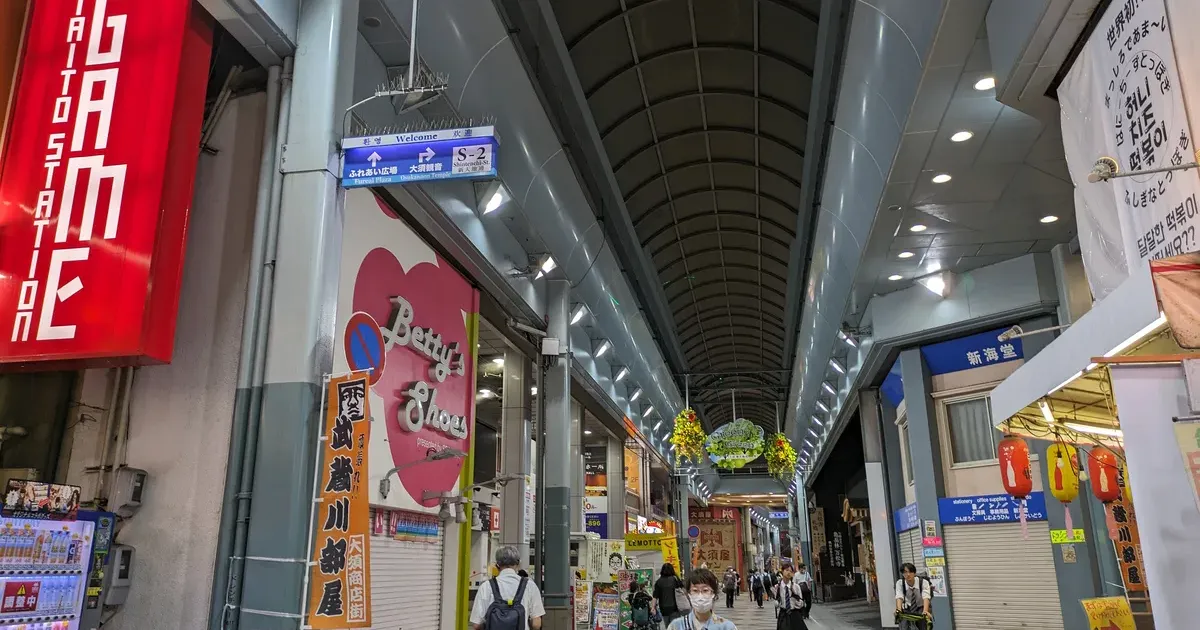
The Osu shopping district is not a single street — it is a network of covered arcades (shotengai) that intersect and branch in a rough grid pattern. The main corridors include Banshoji-dori, Niomon-dori, Akamon-dori, Shin-Tenchi-dori, and Higashi-Niomon-dori. Together, they cover a substantial area of the Naka-ku ward, sheltering well around 1,200 shops under glass and steel roofing.
The covered arcades are one of Osu’s greatest practical advantages. Rain or shine, scorching Nagoya summer or gray winter afternoon, you can walk the entire district comfortably. The roofing keeps you dry and shaded, and the density of shops means you are never more than a few steps from something interesting.
Walking through the arcades, you quickly notice the extraordinary mix. A traditional Japanese tea shop sits next to a streetwear boutique. A Turkish kebab stand faces a retro video game store. A Buddhist altar supply shop shares a wall with a hip-hop clothing outlet. This is not calculated eclecticism — it is the natural result of a neighborhood that has evolved for centuries, layering generation after generation of commerce, immigration, and cultural influence.
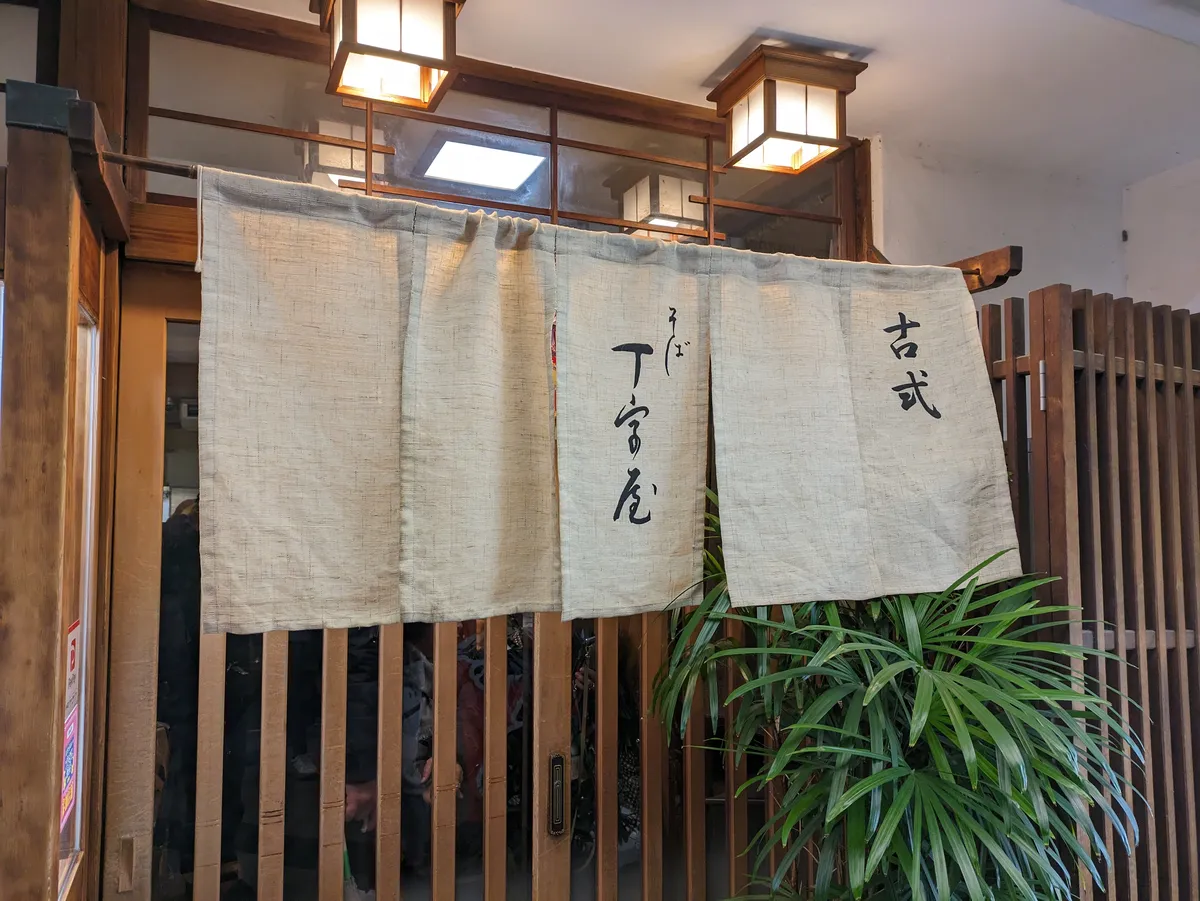
The general layout, from west to east, follows a rough pattern:
- Near Osu Kannon Station (west): Osu Kannon Temple, traditional shops, Japanese confectionery, Buddhist supplies
- Central arcades: The densest concentration of shops — clothing, street food, electronics, vintage goods, international restaurants
- Near Kamimaezu Station (east): More restaurants, entertainment, karaoke, some quieter side streets with hidden gems
I recommend walking the full circuit rather than sticking to a single arcade. The side streets and smaller connecting passages often hide the most interesting finds — a tiny vintage watch repair shop, a family-run dumpling stall, a gallery tucked into a second-floor space that you would never find if you stayed on the main corridors.
The arcade is easy to navigate even without a map. The main corridors are clearly signed, and you can always orient yourself by the two subway stations at either end — Osu Kannon Station (west) and Kamimaezu Station (east). If you get turned around, just keep walking and you will hit a main street within minutes.
What Street Food Should You Try at Osu?
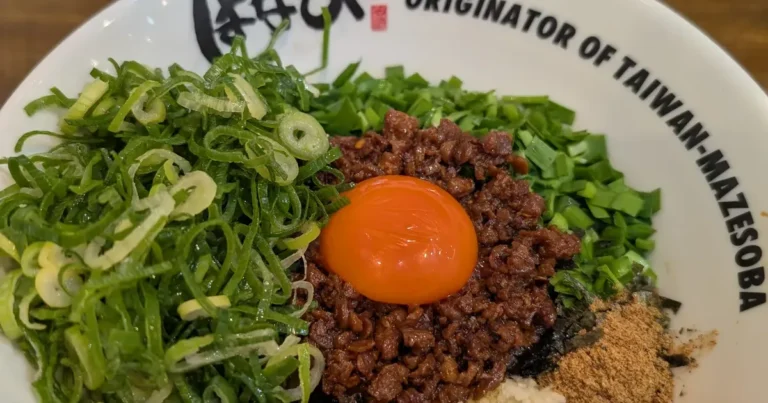
Start with mitarashi dango (¥100-200), xiaolongbao (¥400-600), and karaage fried chicken (¥300-500). The arcade spans Japanese, Chinese, Taiwanese, Korean, Turkish, and Brazilian cuisines, and you can graze a full meal for ¥1,000-1,500.
Osu is one of the best street food neighborhoods in Nagoya. The variety is remarkable — Japanese, Chinese, Taiwanese, Korean, Turkish, Brazilian, Indian, and more, all within walking distance. Here are the highlights you should not miss.
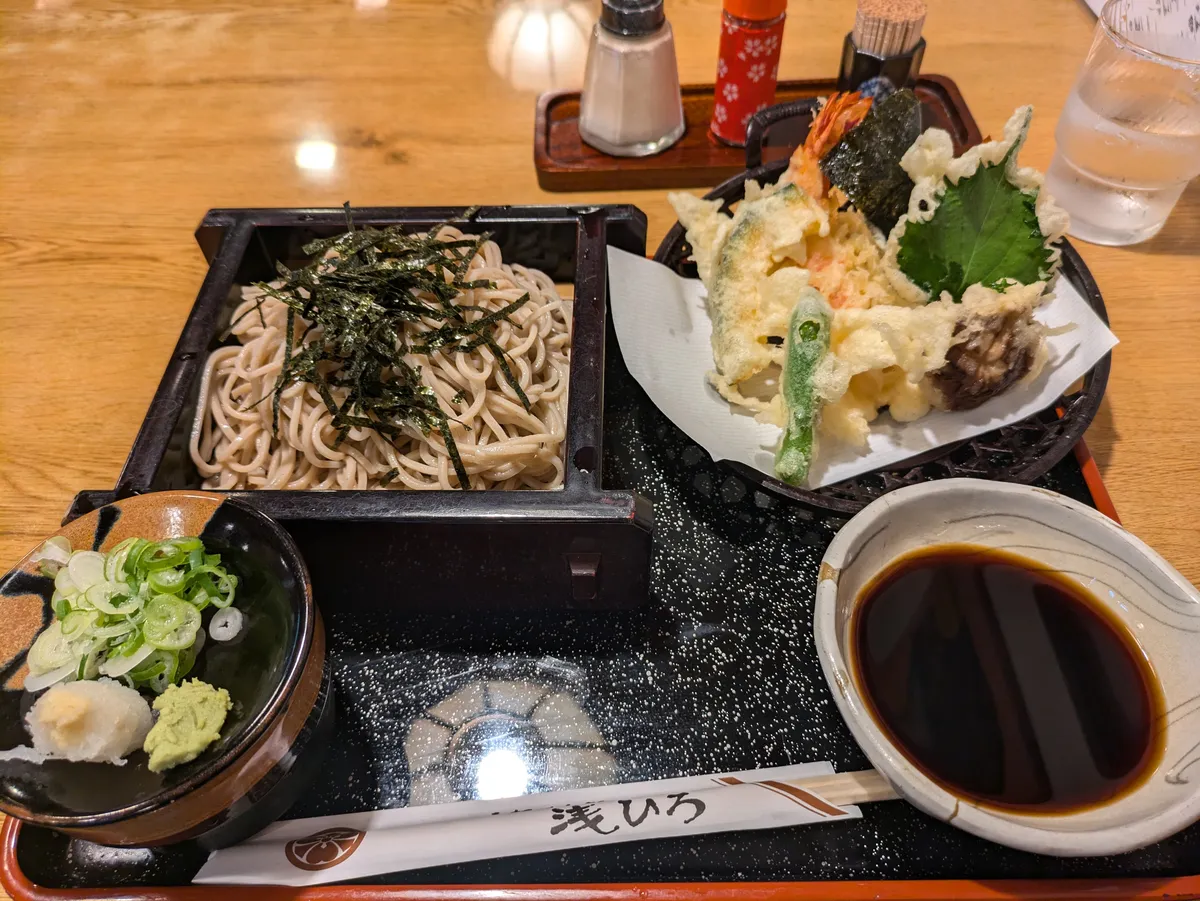
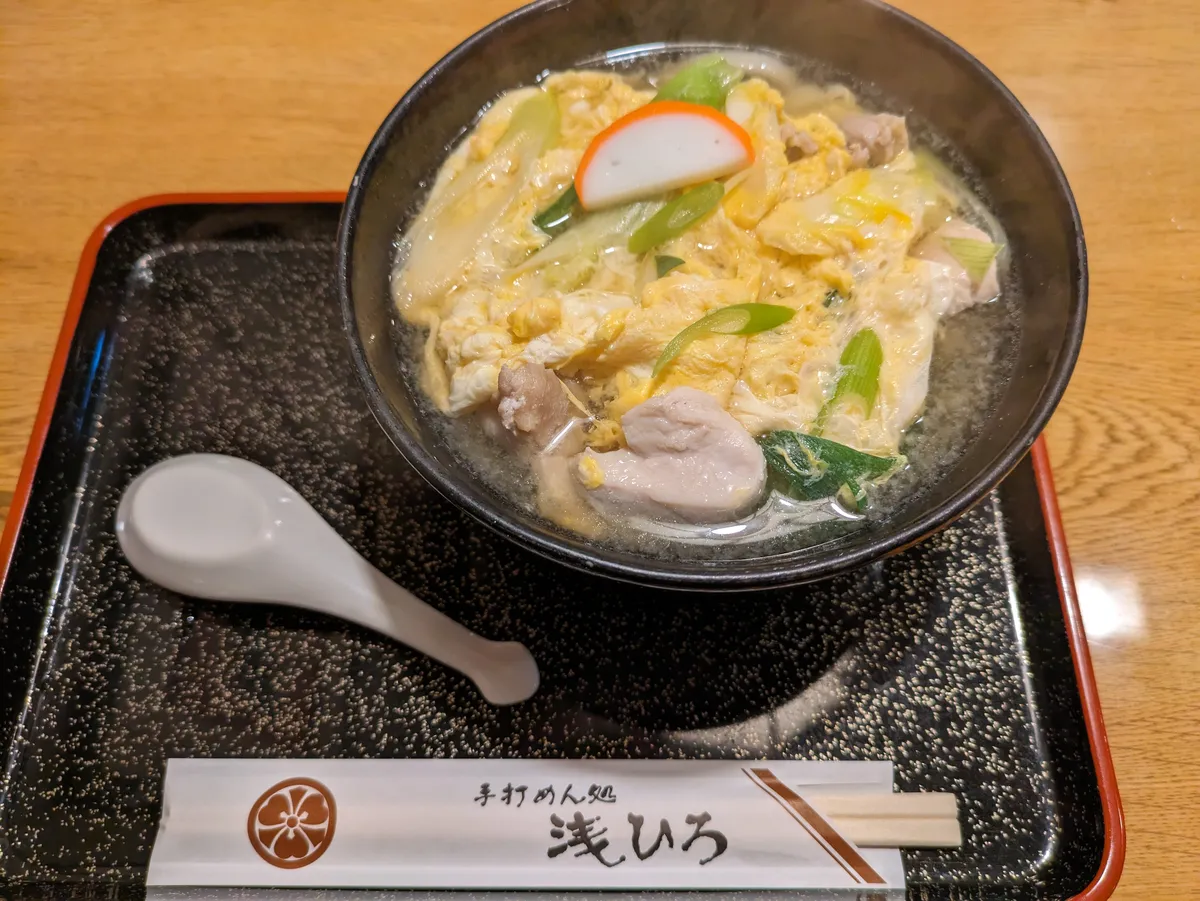
Mitarashi Dango (みたらし団子)
Sweet soy-glazed rice dumplings, grilled until the outside is slightly charred and the inside stays chewy. Mitarashi dango is a classic Japanese street snack, and Osu has several stalls and shops serving excellent versions. You will spot them by the distinctive sweet soy aroma drifting into the arcade. At around ¥100-200 per skewer, this is one of the cheapest and most satisfying snacks in the district.
Xiaolongbao (小籠包)
Osu’s Chinese and Taiwanese food scene is strong, and xiaolongbao — soup dumplings — are a standout. Several shops in the arcade serve them freshly steamed to order, the thin wrappers filled with savory broth and pork. Eat them carefully (the soup inside is hot), and do not skip the dipping vinegar with shredded ginger. Portions are generous and prices are fair, usually ¥400-600 for a steamer basket.
Belgian Waffles
This one surprises visitors, but Osu has developed a real waffle culture. Multiple shops serve Belgian-style waffles with various toppings — chocolate, cream, fruit, matcha. They are made fresh and served warm. It is the kind of unexpected fusion that makes Osu what it is.
Karaage (唐揚げ)
Japanese fried chicken, seasoned with garlic, ginger, and soy, then deep-fried to a shatteringly crisp exterior. Several stalls in Osu serve karaage in paper cups or bags for easy walking and eating. The best versions are juicy inside with an impossibly crispy coating. At ¥300-500 per serving, it is perfect fuel for an afternoon of shopping.
Taiwan Karaage at Lee’s Taiwan Kitchen (李さんの台湾名物屋台)
For a supersized fried-chicken experience, Lee’s Taiwan Kitchen (李さんの台湾名物屋台) has been an Osu fixture with three locations across the arcade. Their signature Taiwan karaage (from around ¥700) is a whole piece of marinated chicken, battered and fried to order — larger than your face and impossibly crispy. Ask for the la-jiang (ラージャン) version if you want it hotter. Prices vary by branch and change periodically, so treat this as a guide only. Typically open around 11:00-20:00 (hours vary slightly by branch); check the shopfront on the day.
Miso Nikomi Udon at Nikomi no Takara (味噌にこみ たから)
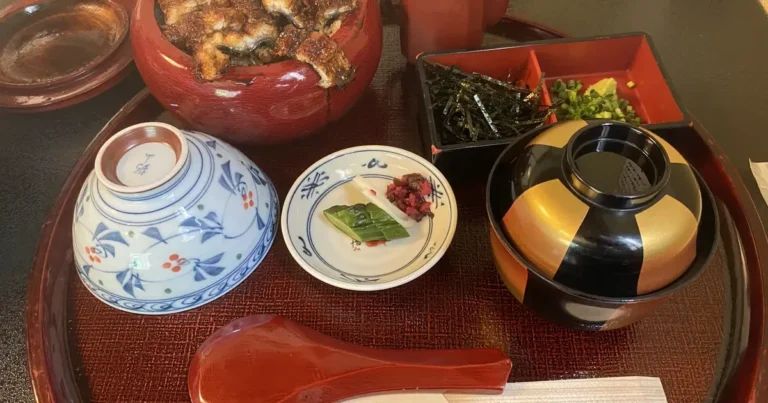
If you want a proper sit-down Nagoya meal in Osu, Nikomi no Takara (味噌にこみ たから) has been serving miso nikomi udon since 1964. This is one of Nagoya’s signature dishes: raw, firm noodles cooked directly in a clay pot of rich hatcho miso broth, served bubbling at the table. You eat straight from the pot using the lid as a plate — a Nagoya tradition that surprises first-timers. From ¥950 (egg topping recommended). Lunch is 11:30-14:45 (L.O.) daily; evening service (to 19:00 L.O.) is weekends and holidays only. Closed Thursdays (Nagoya City Tourism).
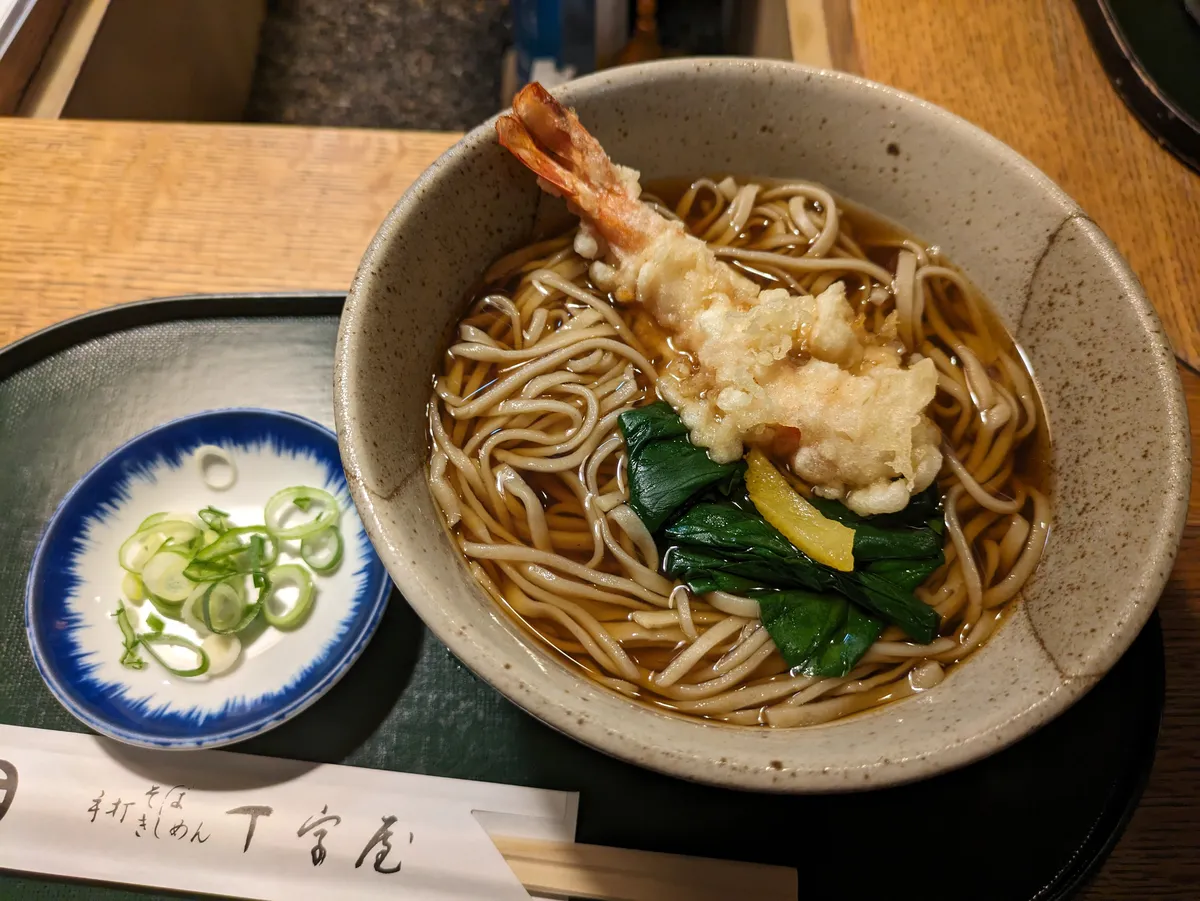
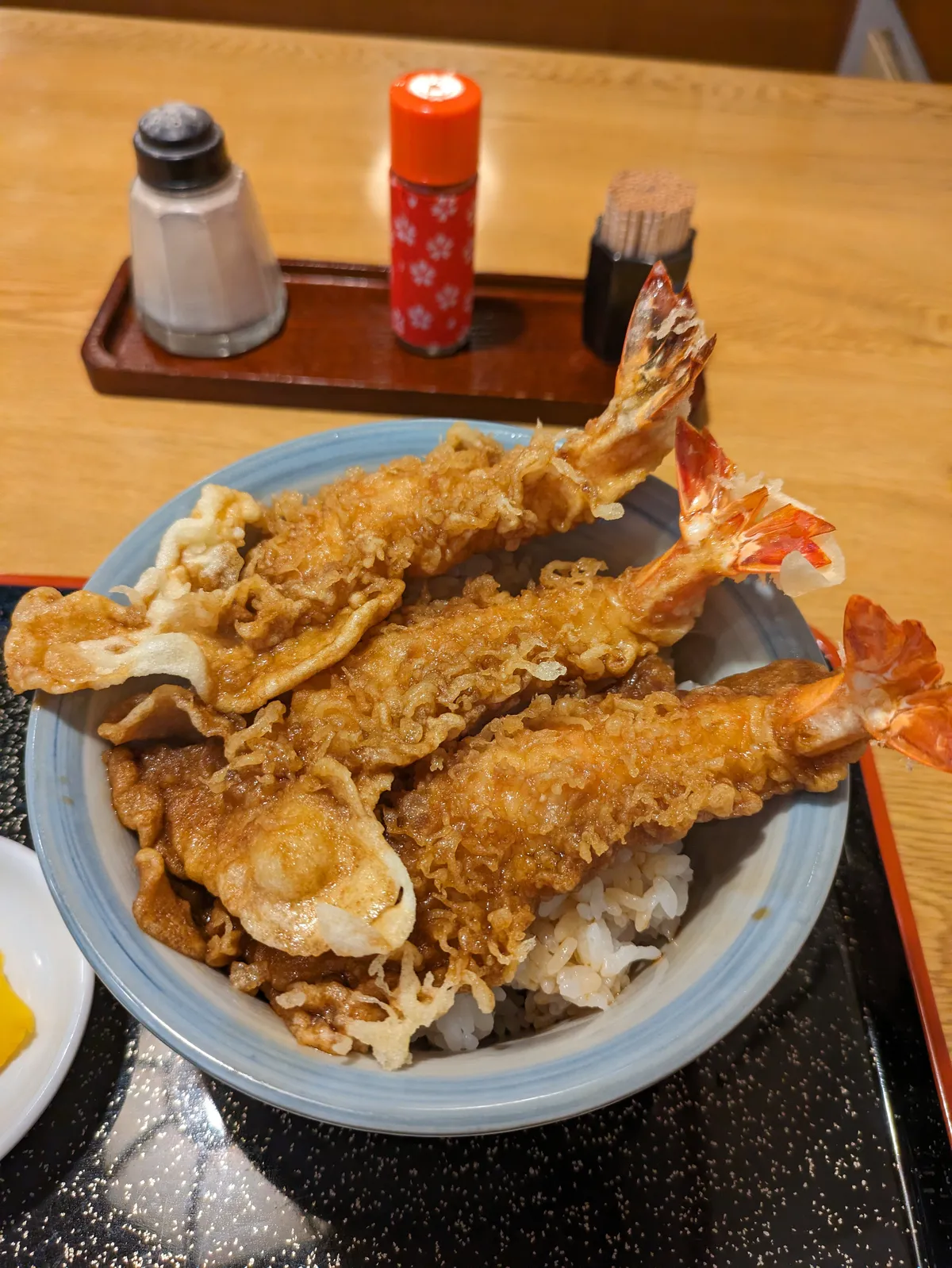
Everything Else
The beauty of Osu street food is the unexpected. Turkish doner kebab. Indian samosas. Brazilian coxinha. Korean corn dogs. Taiwanese bubble tea. Japanese taiyaki (fish-shaped pastries filled with red bean or custard). Thai mango sticky rice. The offerings shift and rotate as new shops open and seasonal specials appear.
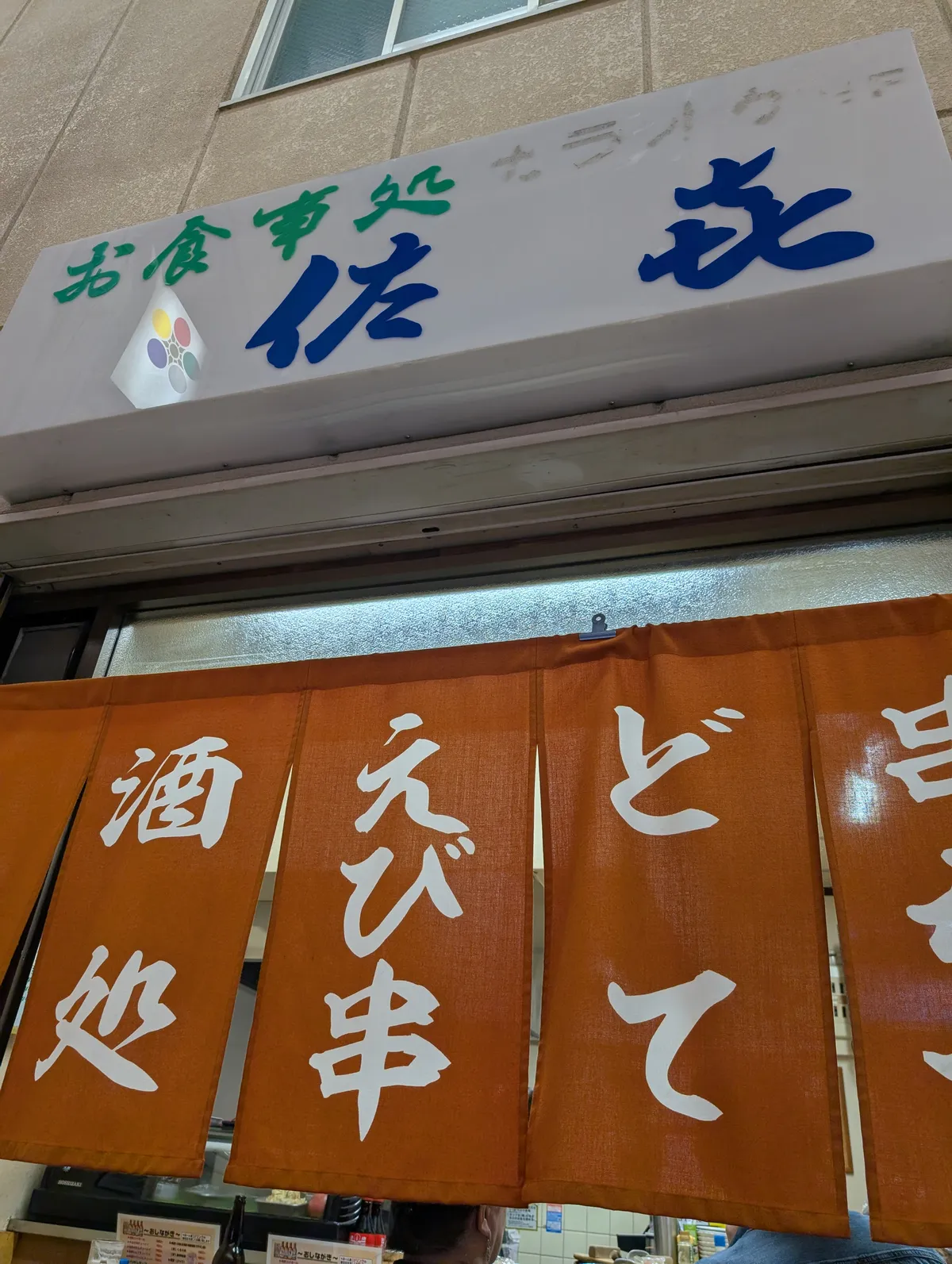
The best food in Osu is often off the main arcade. Walk one or two streets away and you will find small Chinese restaurants, many run by Chinese families, serving authentic dishes at low prices. These places do not appear on food blogs — you find them by walking.
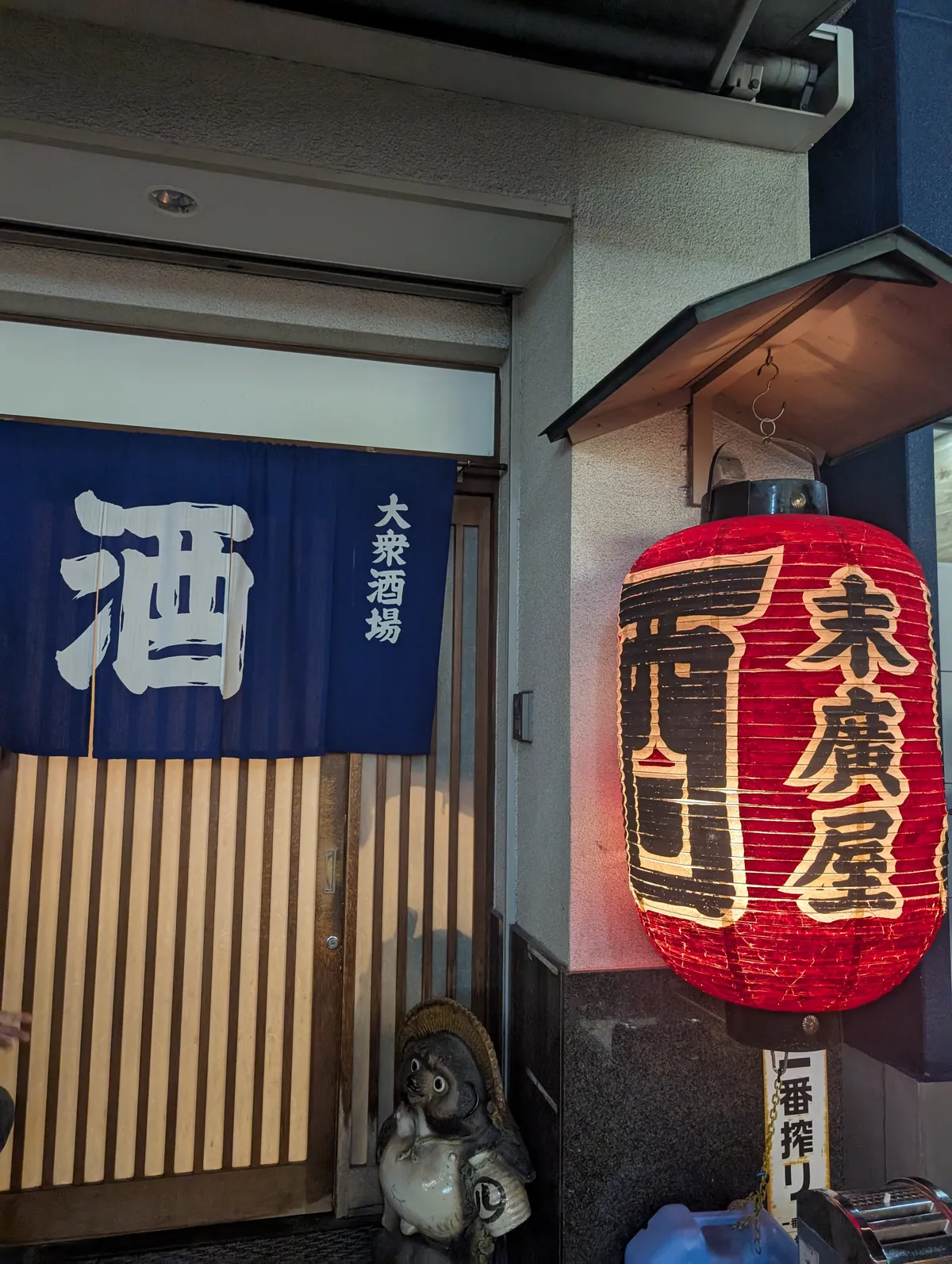
Osu also has old-school red-lantern izakayas tucked into back streets. These are not trendy bars — they are the kind of place where the owner knows every customer by name and the menu is handwritten on paper. I love these places. I enjoy wine, so I sometimes visit the pizza and wine spots in Osu as well. It is a neighborhood where Italian restaurants coexist with temple festivals — that eclecticism is what makes Osu, Osu.
My advice: eat your way through the arcade slowly, stopping at whatever catches your eye. Do not plan every meal. Let the smells and the crowds guide you. The best discoveries in Osu happen when you follow your nose into a shop you did not know existed.
Street food in Osu is remarkably affordable. You can eat a full meal’s worth of snacks for ¥1,000-1,500 by grazing through the arcade. Many shops offer small portion sizes specifically designed for walking and snacking, so you can sample widely without overcommitting to any single item.
What Can You Buy at Osu Shopping Street?
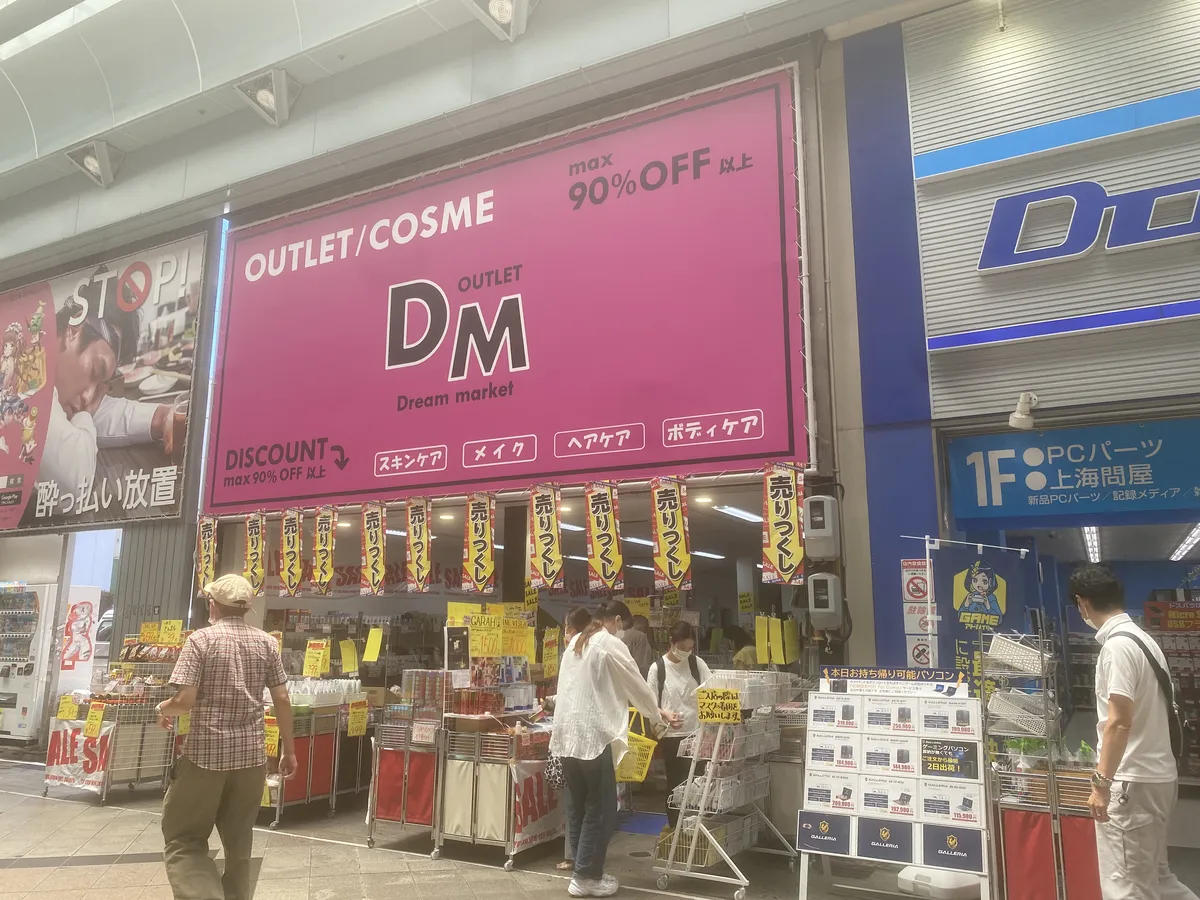
Osu’s around 1,200 shops span vintage clothing, electronics, anime and manga goods, retro video games, and traditional Japanese crafts. Vintage T-shirts start from ¥500, and prices run significantly lower than equivalent shops in Tokyo’s Shimokitazawa or Harajuku.
Osu’s around 1,200 shops cover an extraordinary range. Here is what to look for in each major category.
Vintage and Secondhand Clothing
Osu is Nagoya’s undisputed center for vintage and secondhand fashion. Dozens of shops stock everything from American vintage denim and military surplus to 1990s Japanese streetwear and designer brand resale. Prices are significantly lower than equivalent shops in Tokyo’s Shimokitazawa or Harajuku. In high school, I used to come here and buy vintage clothes — 1,000 yen for a bag you could stuff as full as you liked. I wore those clothes for years. WEGO was another regular stop. For a high school student with no money, Osu was the only place where I could dress well on a budget. Some shops specialize — one might focus exclusively on vintage band T-shirts, another on retro sneakers, another on kimono and yukata. If you enjoy thrift shopping, you can easily spend an entire afternoon in this category alone.
Electronics and Gadgets
Osu has been called “Nagoya’s Akihabara,” and while the comparison is imperfect, the electronics scene is real. Shops sell new and used computers, gaming hardware, audio equipment, camera gear, smartphone accessories, and components. Some stores specialize in retro gaming — original Famicom and Super Famicom cartridges, vintage Game Boy units, classic arcade boards. Whether you are looking for a specific cable, a refurbished laptop, or a 1985 game cartridge, someone in Osu probably has it.
Anime, Manga, and Otaku Culture
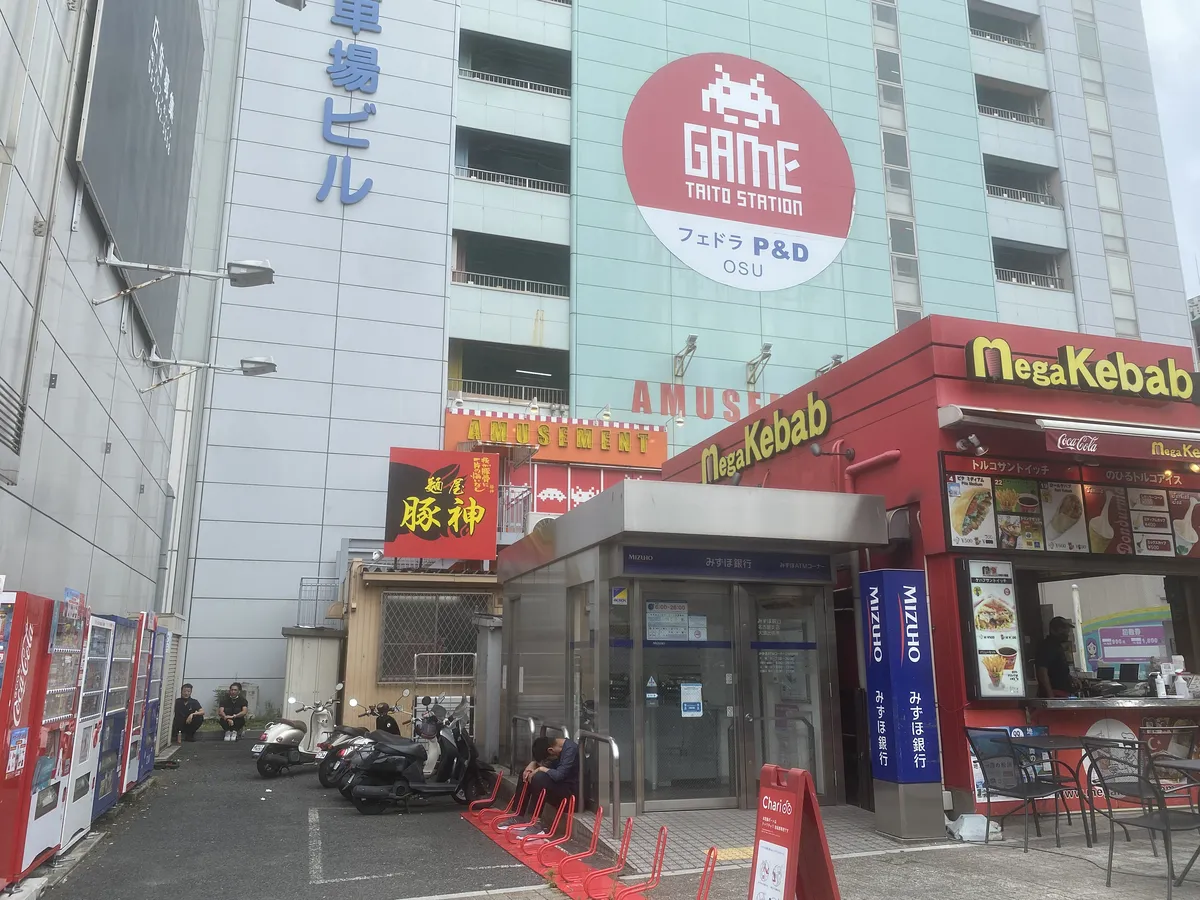
The otaku side of Osu is substantial. Multiple shops sell manga, anime figures, trading cards, cosplay supplies, doujinshi (fan-created works), and idol merchandise. I am a Gundam model (plamo) fan and I still browse the Yugioh card shops here. As a kid, I played Yugioh with the original cards — Mirror Force, Dark Magician, Summoned Skull. Osu is one of the few places where you can still find competitive card players and specialty shops. You will also find maid cafes, themed restaurants, and cosplay shops where you can rent or purchase costumes. The concentration is not as dense as Akihabara in Tokyo or Den Den Town in Osaka, but the selection is excellent and the prices tend to be lower.
Fashion and Streetwear
Beyond vintage, Osu has a strong contemporary fashion scene. Independent boutiques sell Japanese streetwear brands, Korean fashion imports, and original designs from local creators. The style skews young and eclectic — you will find shops catering to hip-hop fashion, punk and gothic aesthetics, minimalist Japanese design, and everything in between. Osu is where Nagoya’s fashion-forward young people shop.
Antiques, Crafts, and Curiosities
Scattered throughout the district are shops selling antiques, traditional Japanese crafts, incense, tea ceremony supplies, pottery, calligraphy equipment, and assorted curiosities. The monthly flea markets at Osu Kannon Temple are the best time to browse antiques, but the permanent shops offer curated selections year-round. These tend to be the quieter shops on side streets — worth seeking out if you are interested in traditional Japanese goods. If traditional textiles are what draw you, the shibori tie-dyeing district of Arimatsu out in Midori ward is worth a trip of its own — our Arimatsu guide covers the old Tokaido townscape and the craft behind it.
What Festivals and Events Happen at Osu?
Osu hosts events nearly every month: the Summer Festival in August, the Street Performers Festival in October, the Osu Cosplay Parade of the World Cosplay Summit in early August, and antique flea markets on the 18th and 28th of every month at Osu Kannon Temple.
One of the things I love most about living in Osu is that there is almost always something happening. The district hosts festivals, markets, and events throughout the year, and they bring a completely different energy to the neighborhood.
Major Annual Events
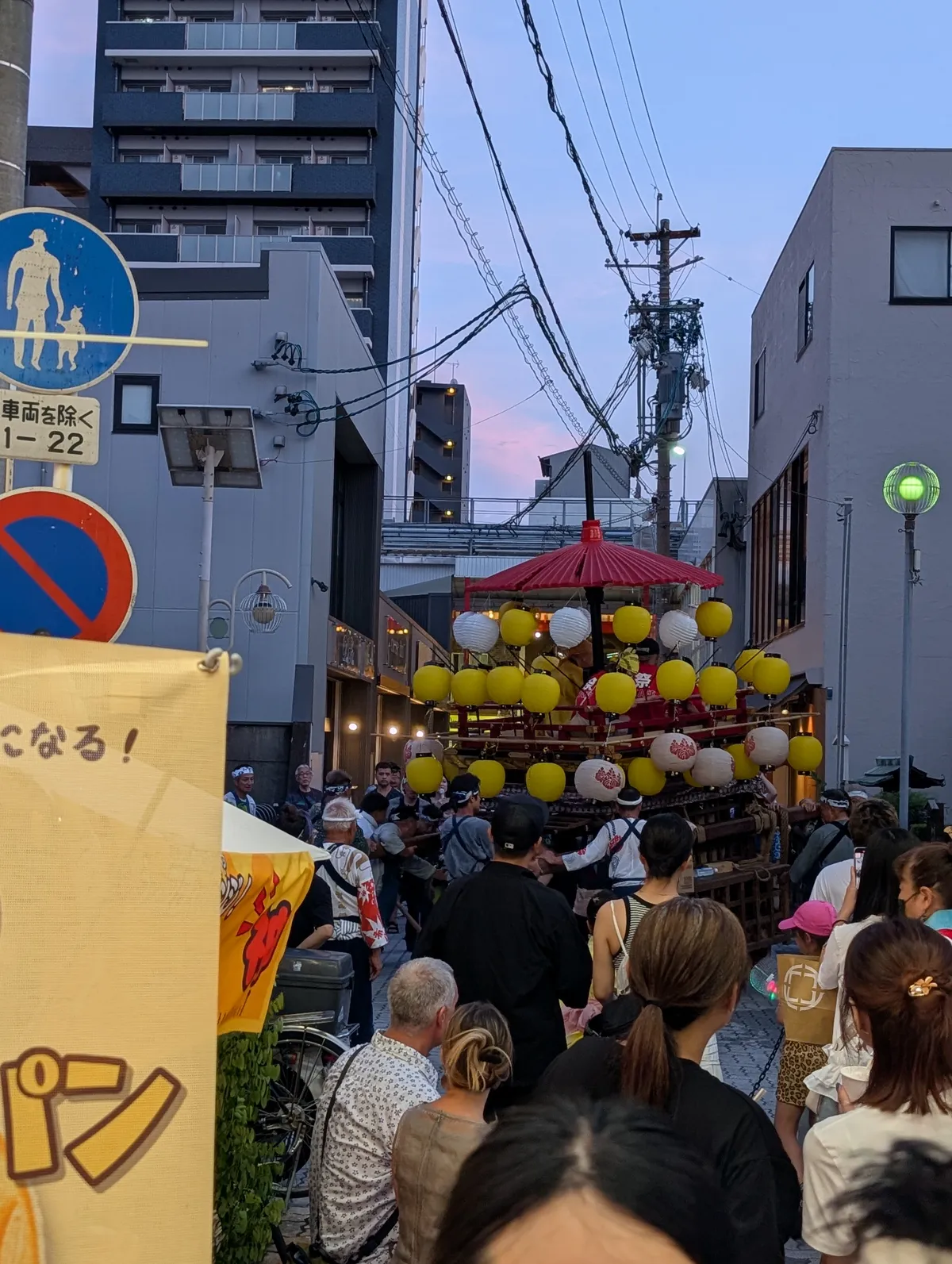
- Osu Spring Festival (April): Seasonal celebrations, special sales across the district, food stalls, and performances along the arcade corridors
- Osu Summer Festival / Osu Natsu Matsuri (August): One of the district’s biggest events, with bon odori dancing, food stalls, and evening entertainment that draws enormous crowds
- Osu Street Performers Festival / Osu Daidougei Matsuri (October): A highlight of the year. Street performers, musicians, dancers, acrobats, and entertainers from across Japan and internationally perform throughout the arcade. This is genuinely spectacular — the whole district becomes an open-air stage
- Year-End and New Year Events (December–January): Special sales, New Year’s temple visits (hatsumode) at Osu Kannon, and festive decorations throughout the arcade
Monthly Markets
On the 18th and 28th of each month, Osu Kannon Temple hosts its antique and flea market. These are not large-scale commercial events — they are traditional ennichi markets with individual vendors selling curios, antiques, handcrafts, vintage items, and street food. The atmosphere is relaxed and distinctly local.
Cosplay Events and Subculture Gatherings
Osu regularly hosts cosplay parades and otaku-oriented events, most famously the Osu Cosplay Parade of the World Cosplay Summit in early August, when around a thousand cosplayers march through the arcade. During these events, the arcade fills with cosplayers in elaborate costumes, creating a visual spectacle unique to the district.
I have been going to Osu festivals for years, and they never feel stale. Each one brings different people, different food, different energy. The summer festival at night, with lanterns glowing along the arcade and the sound of taiko drums echoing off the covered roof — that is Osu at its best.
If you can time your Nagoya visit to coincide with the Osu Street Performers Festival in October, do it. It is one of the most entertaining free events in the city. Check the Osu Shopping District Association website for exact dates, as they shift slightly each year.
Why Is Osu So International and Foreigner-Friendly?
Osu has a large, established international community with residents from China, Taiwan, Korea, Brazil, Turkey, India, Nepal, and dozens of other countries running businesses in the arcade. Most shops welcome foreign customers, and you will find authentic international cuisine at most meals under ¥1,000.
This is the part of Osu that most travel guides completely miss, and it is one of the things I value most about living here.
Osu has a large and established international community. People from China, Taiwan, Korea, Brazil, Turkey, India, Nepal, the Philippines, Vietnam, and dozens of other countries live and work in the neighborhood. Many of them run businesses in the arcade — restaurants, grocery stores, clothing shops, and specialty stores that cater to their communities while welcoming everyone.
This is not a recent development. Osu has been international for decades, and the community is deeply integrated into the fabric of the neighborhood. The result is a cultural richness that you simply do not find in most Japanese shopping districts. You can eat authentic Chinese regional cuisine for lunch, browse a Korean cosmetics shop, pick up Turkish spices, and end the day at a Brazilian bar — all without leaving the arcade.
What I appreciate most is the way knowledge flows in both directions. Friends from many countries who live in Nagoya have introduced me to restaurants I never would have found on my own — a tiny Sichuan place down a side alley, a Nepali curry shop that makes its own naan in a tandoor. And I have been able to share my own knowledge of Nagoya’s Japanese food culture, local festivals, and neighborhood history with them. It is genuine cross-cultural exchange, happening naturally in a shared neighborhood.
For visitors, the practical benefit is significant. Shop owners in Osu are used to foreign customers. Many speak some English, Chinese, or other languages. Even in shops where the owner speaks only Japanese, the welcoming attitude is palpable — they are accustomed to communicating across language barriers and will go out of their way to help. If your Japanese is limited, Osu is one of the most comfortable neighborhoods in Nagoya to explore.
Cuisines represented in Osu include Chinese (multiple regional styles), Taiwanese, Korean, Turkish, Indian, Nepali, Brazilian, Vietnamese, Thai, Indonesian, Filipino, and more. Most international restaurants in the district are owner-operated and serve authentic home-style cooking. Prices are very reasonable, with most meals under ¥1,000.
How Do You Get to Osu Shopping Street?
Take the subway from Nagoya Station to Osu Kannon Station in about 10 minutes (¥210). Most shops open 10:00-20:00. Plan 3-4 hours minimum, and budget ¥1,000-1,500 for street food plus whatever you spend on shopping.
Getting There
Osu Kannon Station (大須観音駅) on the Tsurumai Line is the primary access point. Exit 2 leaves you about three minutes’ walk from the Osu Kannon Temple entrance, at the western end of the arcade.
Kamimaezu Station (上前津駅) on the Meijo and Tsurumai Lines provides access to the eastern end of the shopping district. This is useful if you are coming from Sakae or the eastern suburbs.
From Nagoya Station, take the Higashiyama Line to Fushimi Station, then transfer to the Tsurumai Line and ride one stop to Osu Kannon. The total trip takes about 10 minutes and costs ¥210 (adult IC fare; Nagoya City Transportation Bureau fares).
If you are visiting on a weekend or holiday, the Donichi Eco Pass (¥620) provides unlimited subway and bus travel for the day, plus discounts at some attractions. It pays for itself in two or three rides.
Opening Hours
Most shops: 10:00–20:00 (some open at 11:00, some close at 19:00)
Restaurants: 11:00–22:00 (varies widely)
Street food stalls: 11:00–19:00 (weekends may extend later)
Osu Kannon Temple: 6:00–19:00 (temple office 9:00–17:00)
The arcade itself is a public walkway and is accessible 24 hours, but there is little reason to visit outside of business hours.
When to Visit
- Best time: Weekend afternoons for atmosphere; weekday mornings for quiet browsing
- Busiest: Saturday and Sunday 13:00–17:00, festival days, Golden Week, year-end
- Quietest: Weekday mornings 10:00–12:00, rainy weekdays
- Best season: Spring (March–May) and autumn (October–November) for comfortable walking weather, though the covered arcades make Osu a reasonable year-round destination
Budget
Osu is one of Nagoya’s most budget-friendly neighborhoods. A realistic spending breakdown for a half-day visit:
- Street food grazing: ¥1,000–1,500
- Sit-down lunch: ¥700–1,200
- Shopping: Varies enormously (vintage T-shirts from ¥500, electronics from ¥1,000+)
- Temple visit: Free
- Transport: ¥420 round trip from Nagoya Station (or covered by Donichi Eco Pass)
What Else Can You Visit Near Osu?
Nagoya Castle is 15 minutes by subway, Sakae shopping district is a 10-minute walk east, and Atsuta Shrine is 20 minutes by subway. A perfect full-day route starts at the castle in the morning and ends with dinner in Sakae after an afternoon in Osu.
Osu sits in the heart of Nagoya’s Naka-ku ward, making it easy to combine with other central attractions.
Nagoya Castle (15 minutes by subway)
Nagoya Castle and its stunning Hommaru Palace are a short subway ride north from Osu Kannon Station. A natural combination is Castle in the morning, Osu in the afternoon — giving you the historical and cultural side of Nagoya followed by the vibrant street-level experience.
Sakae (10 minutes walking or two subway stops)
Nagoya’s main commercial district, Sakae, is within walking distance of Osu’s eastern end. You can walk from Kamimaezu through the Sakae entertainment district in about 10–15 minutes. Sakae offers department stores, Oasis 21, MIRAI TOWER, and Nagoya’s best nightlife. The contrast between Osu’s indie character and Sakae’s commercial polish is striking and worth experiencing back-to-back.
Walking Route: Osu to Sakae
One of my favorite routes through central Nagoya: Start at Osu Kannon Temple, walk east through the full arcade, exit near Kamimaezu, then continue north on foot through the smaller streets into Sakae. The walk takes about 25–30 minutes total and gives you an excellent cross-section of central Nagoya’s character — from temple to arcade to residential streets to gleaming commercial district.
Atsuta Shrine (20 minutes by subway)
If you want to pair Osu with a more spiritual experience, Atsuta Shrine is easily reachable via the Meijo Line from Kamimaezu Station. Visit Atsuta in the morning for its serene forest atmosphere, then head to Osu for the complete contrast of bustling arcade energy.
Hisaya-odori Garden Flarie (10 minutes on foot)
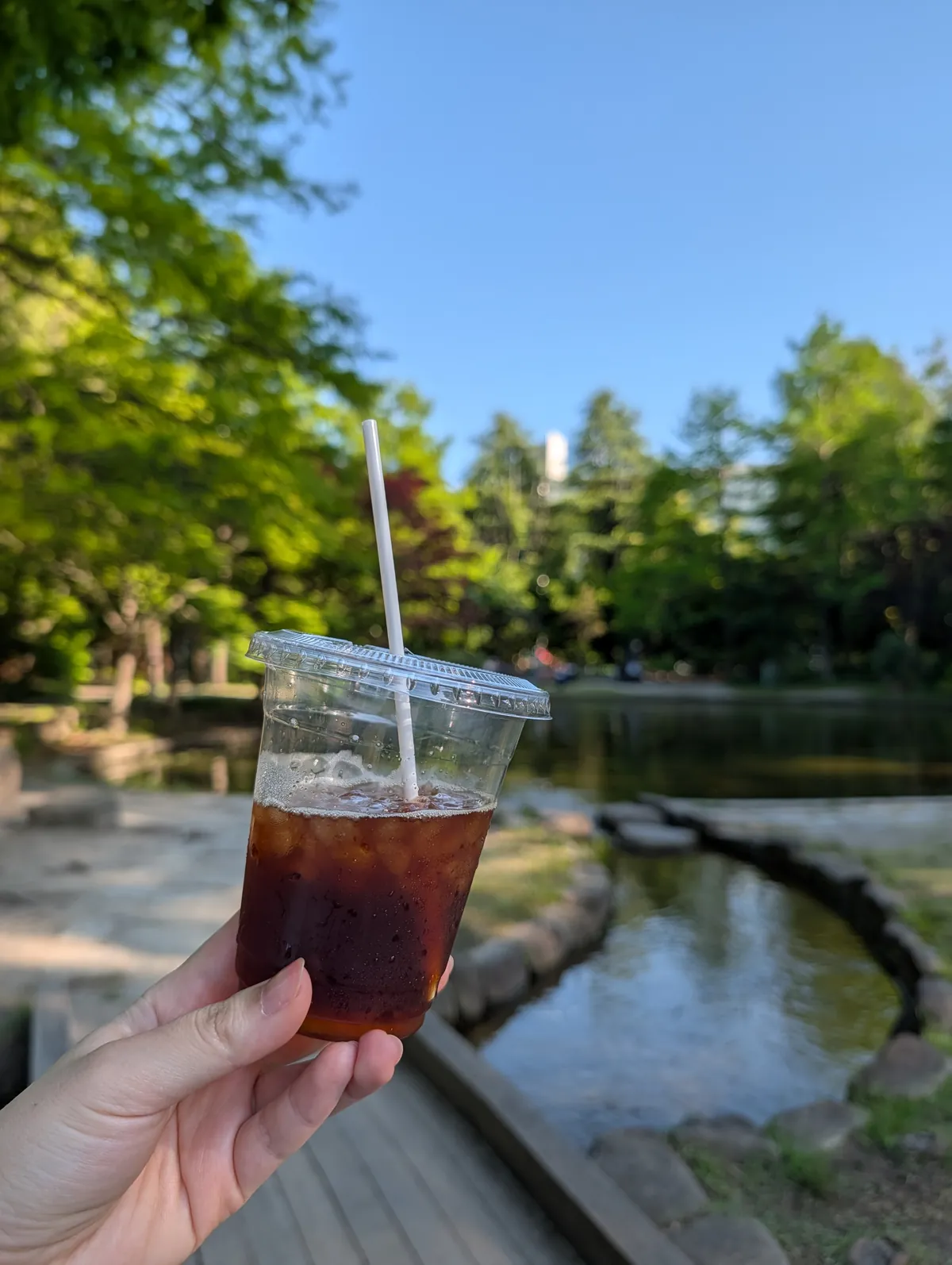
Walking ten minutes east from Osu’s main arcade brings you to Hisaya-odori Garden Flarie, a free public garden built on the former site of the orchid park “Ran no Yakata” (1998–2014). Three named courts — Garden Court, Crystal Court, and Glass Court — plus a koi pond, a colonnade, and a glass-roofed atrium, all without an admission ticket. The locally beloved move is to buy a takeaway iced coffee at Matsuya Coffee Honten in Osu (3-30-59 Osu, Naka-ku), then drink it on a pond-side bench at Flarie. The contrast between the busy arcade and the quiet garden is the whole point.
Morning: Nagoya Castle and Hommaru Palace (9:00–11:30). Lunch and afternoon: Osu Shopping Street (12:00–16:00). Late afternoon: Walk to Sakae, visit Oasis 21 and MIRAI TOWER (16:30–18:00). Evening: Dinner in Sakae. See our Nagoya 3-day itinerary for a complete day-by-day plan.
According to the Osu Shopping District Association, the district contains around 1,200 shops and facilities across its covered arcade network (Aichi Now).
According to Osu Kannon Temple, the temple was relocated to its current location by Tokugawa Ieyasu in 1612, giving the shopping district over 400 years of continuous commercial history.
According to Aichi Now (Aichi Prefecture Tourism Bureau), the district holds around 1,200 shops and facilities, which makes it one of the most eclectic shotengai (covered shopping arcades) in Japan.
Frequently Asked Questions
Is Osu Shopping Street worth visiting in Nagoya?
Yes. Osu is one of the most rewarding neighborhoods in Nagoya for visitors. With around 1,200 shops, excellent street food, Osu Kannon Temple, and a unique mix of traditional and modern culture, it offers a genuine window into how Nagoyans live. Unlike many tourist-oriented shopping districts, Osu is where locals actually shop and eat.
How do I get to Osu Shopping Street from Nagoya Station?
Take the Higashiyama Line to Fushimi Station, then transfer to the Tsurumai Line and ride one stop to Osu Kannon Station. Total journey time is about 10 minutes. Exit at Exit 2 for the temple and western arcade entrance. You can also reach the eastern end via Kamimaezu Station.
What are the opening hours of Osu Shopping Street?
Most shops open between 10:00 and 11:00 and close between 19:00 and 20:00. Restaurants typically stay open later, until 21:00 or 22:00. The arcade itself is a public walkway open at all hours. Weekend afternoons see the most activity.
What food should I try at Osu Shopping Street?
Must-try items include mitarashi dango (sweet soy-glazed rice dumplings), xiaolongbao (soup dumplings), Belgian waffles, and karaage (Japanese fried chicken). For walk-and-eat Taiwanese fried chicken, try Lee’s Taiwan Kitchen (from around ¥700). For a sit-down Nagoya classic, Nikomi no Takara has been serving miso nikomi udon in clay pots since 1964 (from ¥950).
Are there festivals at Osu Shopping Street?
Osu hosts festivals and events almost every month. The biggest are the Osu Summer Festival in August and the Osu Street Performers Festival in October. Monthly antique markets are held at Osu Kannon Temple on the 18th and 28th. Check the Osu Shopping District Association for current schedules.
Is Osu Shopping Street foreigner-friendly?
Very much so. Osu has a large international community, and many shop owners are accustomed to serving foreign customers. You will find English signage in some shops, international restaurants from dozens of countries, and a generally welcoming atmosphere throughout the district.
How much time should I spend at Osu Shopping Street?
Plan for at least 3 to 4 hours. This allows time for Osu Kannon Temple, walking the main arcades, eating street food, and browsing shops. If you want to explore vintage stores in depth, attend a festival, or sit down for a proper meal, allow a half-day or more.
Related Guides
- 18 Best Things to Do in Nagoya (Local Guide)
- Nagoya Food Guide: The Complete Guide to Nagoya Meshi
- Getting Around Nagoya: Subway, Bus, and Transport Guide
- Where to Stay in Nagoya: Best Areas and Hotels
- Nagoya 3-Day Itinerary: The Perfect First Visit
- Japan Travel Essentials for Central Japan
Osu Shopping Street has been my neighborhood for years, and it still surprises me. Every visit turns up something new — a shop I had not noticed, a dish I had not tried, a conversation with someone who sees the neighborhood from a completely different angle. That is what makes Osu special. It is not a destination you check off a list. It is a neighborhood you experience, and every experience is different.
If you have questions about visiting Osu or Nagoya, feel free to reach out through the about page. I am always happy to share what I know about this city.
Want a local to show you around?
See Nagoya food tours →Osu is compact enough that a walking tour actually works.