Three days in Nagoya covers the city’s top attractions, world-class Nagoya meshi cuisine, and a day trip within 30-120 minutes of Japan’s 4th largest city. Budget 25,000-92,000 yen per person total depending on your spending tier, including accommodation, food, transport, and attractions.
Quick Answer: Spend Day 1 exploring Nagoya Castle, Osu Shopping District, and Sakae while eating miso katsu and tebasaki. Day 2 covers Atsuta Shrine and Ghibli Park. Day 3 is a day trip — choose Takayama and Shirakawa-go (UNESCO villages), Kanazawa (gardens and sushi), or Inuyama (Japan’s oldest original castle). Budget 25,000-92,000 yen per person for 3 days depending on tier.
Last updated: August 2, 2026 | Written by Yuu, a Nagoya native of 35 years
This article may contain affiliate links. See our affiliate disclosure for details.
Table of Contents
- Why Should You Spend 3 Days in Nagoya?
- What Should You Prepare Before Your Nagoya Trip?
- Day 1: What Are the Must-See Highlights in Nagoya?
- Day 2: How Should You Plan for Ghibli Park and Atsuta Shrine?
- Day 3: Which Day Trip from Nagoya Is Best for You?
- How Much Does 3 Days in Nagoya Cost?
- How Do You Get Around Nagoya?
- Where Is the Best Area to Stay in Nagoya?
- When Is the Best Season to Visit Nagoya?
- Can You Adjust This Itinerary for 2 or 5 Days?
- A Local’s Secret Additions: What the Guides Do Not Tell You
- Frequently Asked Questions About Visiting Nagoya
Why Should You Spend 3 Days in Nagoya?
Three days is the ideal length to cover Nagoya Castle, Ghibli Park, the city’s 10+ signature Nagoya meshi dishes, and a day trip to destinations like Takayama (2.5 hours), Kanazawa (3 hours), or Inuyama (25 minutes) — all without the crowds of Tokyo or Kyoto.
Nagoya is not a “stopover city.” As someone who was born and raised here — 35 years and counting — I can tell you it is a destination that rewards curious travelers with world-class food, genuine historical depth, and access to some of Japan’s most stunning destinations — all without the crushing crowds of Tokyo, Osaka, or Kyoto.
I grew up in Nakagawa-ku, lived across Sakae, Fushimi, Yaba-cho, and the Osu area, and spent years working as a sales professional covering every corner of this city. I have walked through neighborhoods that do not appear on any tourist map and eaten at restaurants that have no online presence. This itinerary distills 35 years of that experience into the perfect three days.
Three days is the sweet spot. You get enough time to experience Nagoya’s incredible food culture (known as Nagoya meshi — the city has one of the most distinctive regional cuisines in all of Japan), explore historic landmarks, visit Ghibli Park, and take a day trip to a destination most first-time Japan visitors never reach.
Here is why Nagoya deserves three full days:
- The food alone justifies the trip. Miso katsu, hitsumabushi (grilled eel eaten three ways), tebasaki chicken wings, miso nikomi udon, kishimen, Taiwan ramen — Nagoya has more signature dishes than almost any other Japanese city. And I will share some dishes that even most Nagoya locals do not know about. See our complete guide to Nagoya meshi and where to find the best of each dish.
- Ghibli Park is here. Studio Ghibli’s immersive theme park, which opened in 2022 and expanded through 2024, is located just outside Nagoya. It is the only Ghibli Park in the world. Read our complete Ghibli Park guide with ticket booking strategies.
- Central Japan’s best day trips radiate from Nagoya. Takayama, Shirakawa-go, Kanazawa, Inuyama, Ise — all are reachable in a day. Nagoya’s geographic position makes it the ideal hub.
- It is refreshingly uncrowded. You will not fight through walls of tourists at every attraction. The experience is more authentic, more relaxed, and more personal.
For a full overview of everything the city offers, start with our comprehensive things to do in Nagoya guide.
According to the City of Nagoya, Nagoya is Japan’s 4th largest city with a population of approximately 2.3 million, serving as the economic center of the Chubu region.
According to Meitetsu Railway, Inuyama is 25 minutes from Nagoya Station, while JR Central connects Nagoya to Takayama (2.5 hours) and Kanazawa (3 hours by Shinkansen via Tsuruga).
According to the Japan National Tourism Organization, Nagoya’s Chubu Centrair International Airport handled over 12 million passengers annually before the pandemic, with direct international connections to major Asian and North American cities.
What Should You Prepare Before Your Nagoya Trip?
Book Ghibli Park tickets 2-3 months in advance as they sell out fast. Get an IC card for seamless transit, download Google Translate for menus, and carry cash since many local restaurants are cash-only.
A little preparation makes a massive difference in Japan. Sort these out before you arrive and your three days will run smoothly.
Essential Pre-Trip Checklist
1. Book Ghibli Park Tickets (Critical – Do This First)
Ghibli Park tickets sell out weeks in advance. Tickets go on sale two months in advance, on the 10th at 2:00 PM Japan time, through the official seller LAWSON TICKET. Set a reminder and book the moment they become available. If tickets are sold out, check Klook for availability through authorized resellers.
2. Get a Rail Pass (If Doing Day 3 Day Trips)
The nationwide Japan Rail Pass or the regional Takayama-Hokuriku Area Tourist Pass can save you serious money on Day 3. Note that the regional pass covers Nagoya–Takayama–Toyama and the Hokuriku Shinkansen between Toyama and Tsuruga (so Kanazawa itself is inside its area), but not the Nagoya–Maibara–Tsuruga route used by the Shirasagi limited express, which is the fast way to Kanazawa. Calculate whether a pass pays for itself based on your chosen day trip. For Inuyama, you use Meitetsu trains (not JR), so no JR Pass needed.
3. Reserve Your Hotel Near Nagoya Station
The area around Nagoya Station is the most convenient base for this itinerary. It is the hub for all subway lines, JR trains, Meitetsu trains, and highway buses. See our full where to stay in Nagoya neighborhood guide for detailed recommendations by budget.
4. Get an eSIM or Pocket Wi-Fi
You will need mobile data for Google Maps navigation, translation apps, train schedule lookups, and restaurant searches. eSIMs from providers like Ubigi or Airalo are the simplest option — activate before you land.
5. Set Up a Digital IC Card
If you have an iPhone or Apple Watch, add a Suica or PASMO to your Wallet app before arriving. Otherwise, buy a TOICA card at Nagoya Station. Tap-and-go on all trains, subways, buses, and many convenience stores and vending machines.
6. Download Essential Apps
- Google Maps (best for Japan transit navigation)
- Google Translate (download Japanese offline pack for camera translation)
- Navitime or Jorudan (Japan-specific transit planners, sometimes more accurate than Google)
For a comprehensive pre-trip guide including visa information, packing tips, cash vs. card advice, and cultural etiquette, read our Japan travel essentials for Central Japan.
Pro Tip: Arrive in Nagoya the evening before Day 1 if possible. This lets you start fresh in the morning without losing half a day to travel. Nagoya Station has excellent dinner options right inside — grab miso nikomi udon at Yamamotoya Honten on the station’s underground floor to kick things off. Or, if you are feeling adventurous on your very first night, walk five minutes west of Nagoya Station to the red-lantern izakaya district. These small, old-school bars and restaurants are where Nagoya’s real drinking culture lives. Order a beer, point at something on the menu, and soak it in. It is the perfect introduction to the city I grew up in.
Day 1: What Are the Must-See Highlights in Nagoya?
Day 1 covers Nagoya Castle and Hommaru Palace in the morning, Osu Shopping District in the afternoon, and Sakae nightlife in the evening. You will try miso katsu for lunch and tebasaki chicken wings for dinner.
Your first day covers Nagoya’s top landmarks, best shopping district, and two of the city’s most iconic dishes. This is a full day, but the pacing is comfortable with built-in breaks.
Morning: Why Is Nagoya Castle a Must-Visit? (9:00 AM – 12:00 PM)
Start at the city’s most iconic landmark. Nagoya Castle was originally built in 1612 by Tokugawa Ieyasu, the founder of the Tokugawa shogunate that ruled Japan for over 250 years. It is one of Japan’s most historically important castles.
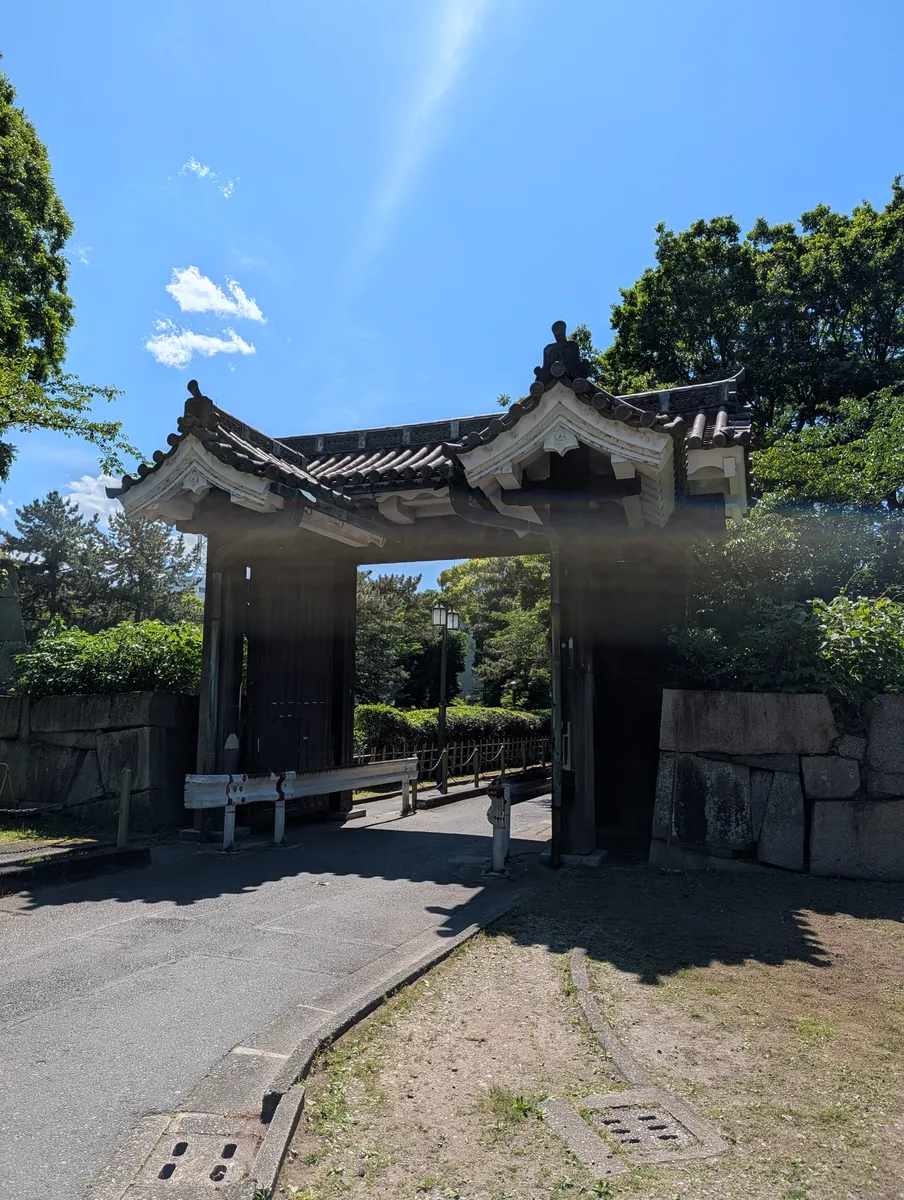
Important note for 2026: The main castle tower (tenshu) remains closed for reconstruction — the 1959 concrete reconstruction is being replaced with a faithful wooden replica using traditional techniques. The completion date has been delayed and is not yet confirmed. However, the real star of the castle complex is fully open and should not be missed.
The Hommaru Palace is the reason to visit right now. As someone who grew up going to Nagoya Castle on school trips and family weekends, I can tell you that the Hommaru Palace reconstruction is genuinely worth seeing — the craftsmanship is extraordinary. This fully reconstructed masterpiece of Shoin-zukuri architecture was completed in 2018 using traditional building methods. The painted sliding doors (fusuma-e) inside are breathtaking — enormous tigers, leopards, pine trees, and seasonal landscapes rendered in gold leaf and rich pigments. These are faithful reproductions of the originals (many of which survived WWII and are preserved separately), and they are jaw-droppingly beautiful.
I have taken at least a dozen visitors through Hommaru Palace over the years, and every single one has been stunned. It is one of the most impressive palace interiors in Japan, and it receives a fraction of the tourist traffic that Kyoto’s palaces get. You can take your time, study the paintings up close, and actually enjoy the experience.
Nagoya Castle Visitor Information (2026)
- Hours: 9:00 AM – 4:30 PM (last entry 4:00 PM)
- Admission: 500 yen (adults) — rising to 1,000 yen from 1 October 2026 (official fee-revision notice)
- Getting there: Meijo Line to Nagoyajo Station (renamed from Shiyakusho in January 2023), Exit 7, 5-min walk
- Time needed: 1.5-2 hours
- Official site: nagoyajo.city.nagoya.jp
After exploring the palace, walk the castle grounds. The Ninomaru Garden is peaceful, and the northeast corner offers good photo angles of the famous golden shachihoko (dolphin-like roof ornaments) atop the tower.
For complete transit details on reaching the castle and everywhere else in this itinerary, see our guide to getting around Nagoya.
Local Tip: Weekday visits are significantly less crowded. If visiting on a weekend, arrive right at 9:00 AM when gates open. Cherry blossom season (late March to early April) makes the grounds spectacular but draws the largest crowds of the year.
Lunch: Your First Taste of Nagoya Meshi — Miso Katsu (12:00 PM – 1:00 PM)
Time for your introduction to Nagoya meshi (Nagoya’s famous regional cuisine). For miso katsu — a thick, perfectly fried pork cutlet drenched in a rich, sweet-savory red miso sauce unique to this region — I have two recommendations.
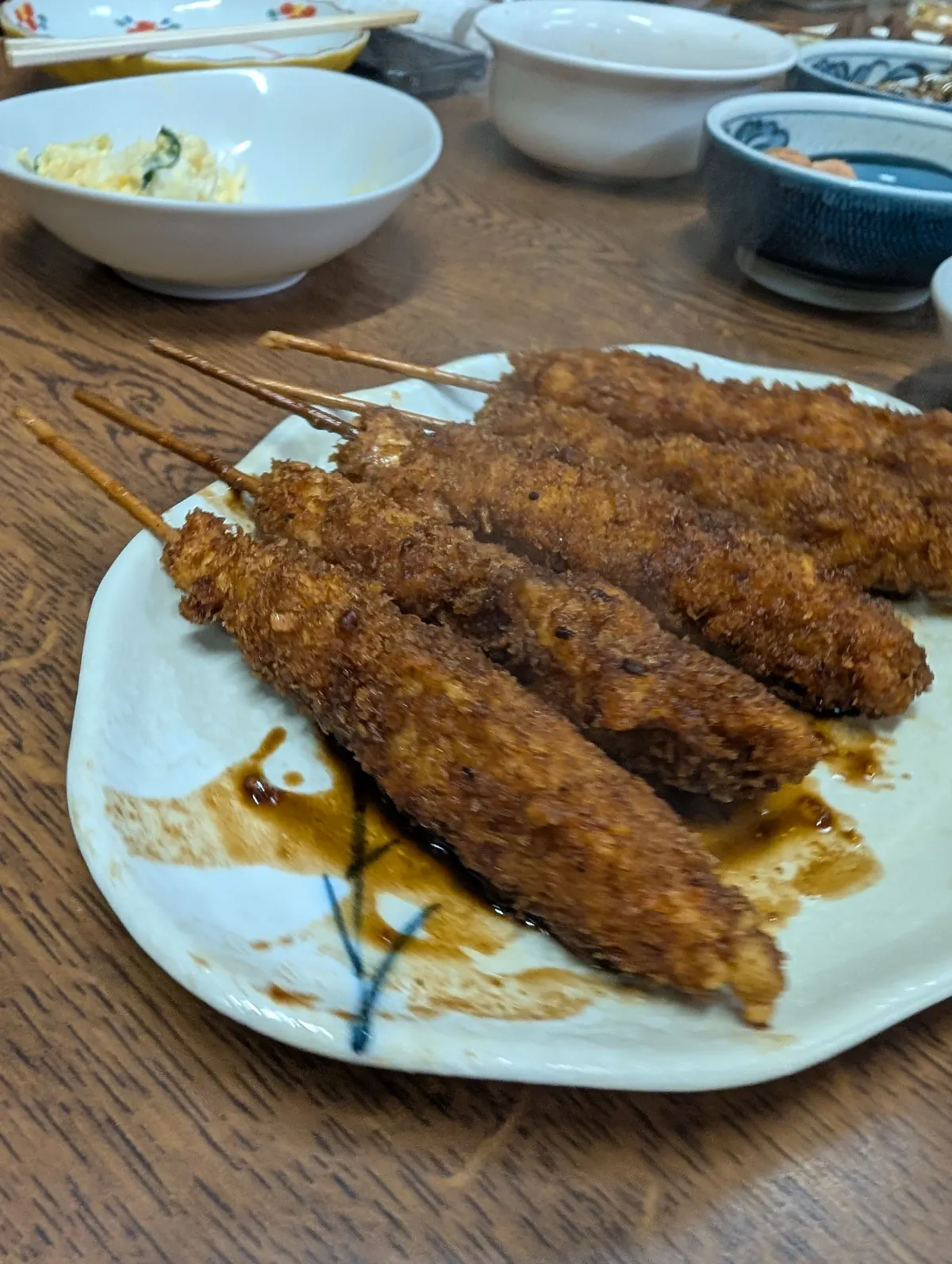
Yabaton is the most famous name in miso katsu, and their Osu branch is conveniently on the way to your afternoon destination. They have been perfecting this dish since 1947, and their waraji tonkatsu (a massive cutlet that literally hangs off the plate) is a crowd-pleaser.
But here is my honest local recommendation: Suzuya Akamon (Osu area, near Akamon-dori). This is the place I take every out-of-town visitor. Suzuya has been around since 1947 as well, the miso is served on the side so you can control the amount, and you can choose between hire (tenderloin) and rosu (loin). It has earned a Michelin Bib Gourmand, but it flies under the radar compared to Yabaton — which means shorter waits and a more authentic atmosphere. My philosophy is simple: Yabaton has locations in Tokyo and Osaka now. Suzuya Akamon is a Nagoya-only experience. When friends visit from out of town, I want to show them something they cannot get anywhere else.
What to order at either restaurant: The miso sauce is made from Hatcho miso, a deeply fermented soybean paste indigenous to Aichi Prefecture. It tastes nothing like the lighter misos used in other parts of Japan. Pair it with shredded cabbage and rice.
Budget: 1,500-2,000 yen per person (Yabaton Honten set from ¥1,870; Suzuya Akamon hire/rosu sets in a similar range).
For the full story on every Nagoya meshi specialty and where to find the best version of each, see our complete Nagoya food guide.
Afternoon: What Makes Osu Shopping District and Sakae Worth Exploring? (1:30 PM – 5:30 PM)
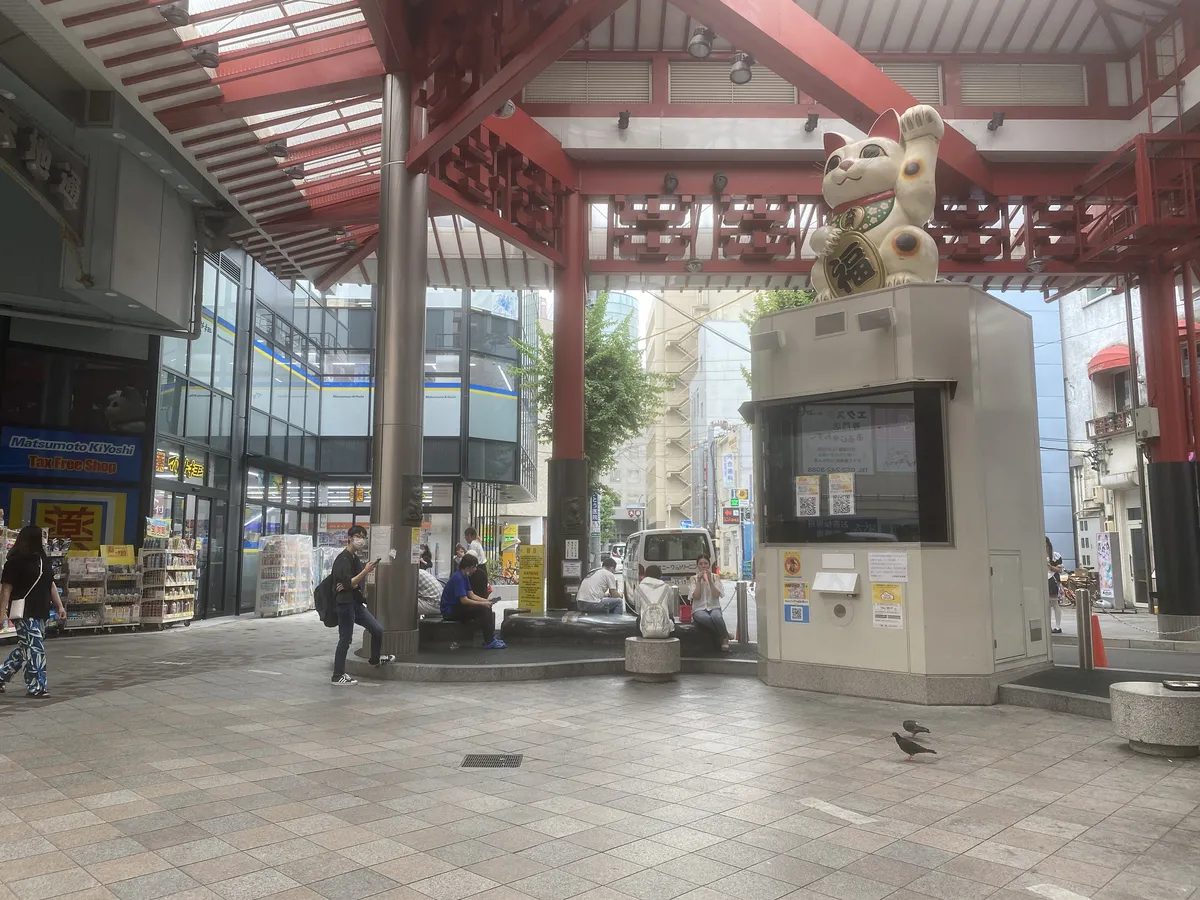
After lunch, walk south to the Osu Shopping District (Osu Kannon area). This is Nagoya’s most vibrant neighborhood — imagine Tokyo’s Akihabara mixed with Harajuku, compressed into a sprawling covered shopping arcade. Vintage clothing, electronics, anime goods, street food stalls, independent boutiques, and everything in between.
Do not miss these in Osu:
- Osu Kannon Temple — The beautiful Buddhist temple that anchors the district. Free admission, worth 10 minutes.
- Komehyo — A massive secondhand luxury goods store. Designer bags, watches, and jewelry at 30-60% below retail. This is where Nagoya locals go for bargains.
- Street food — Try fresh taiyaki (fish-shaped red bean pastry, 200 yen) and browse the various food stalls.
- Retro game and anime shops — Several stores specialize in vintage games, figures, manga, and collectibles.
- Vintage fashion — The area around Banshoji-dori street has some of the best secondhand kimono and vintage denim shops in the Chubu region, at a fraction of Tokyo prices.
Spend 1.5-2 hours in Osu, then head north to Sakae, Nagoya’s main commercial and entertainment district.
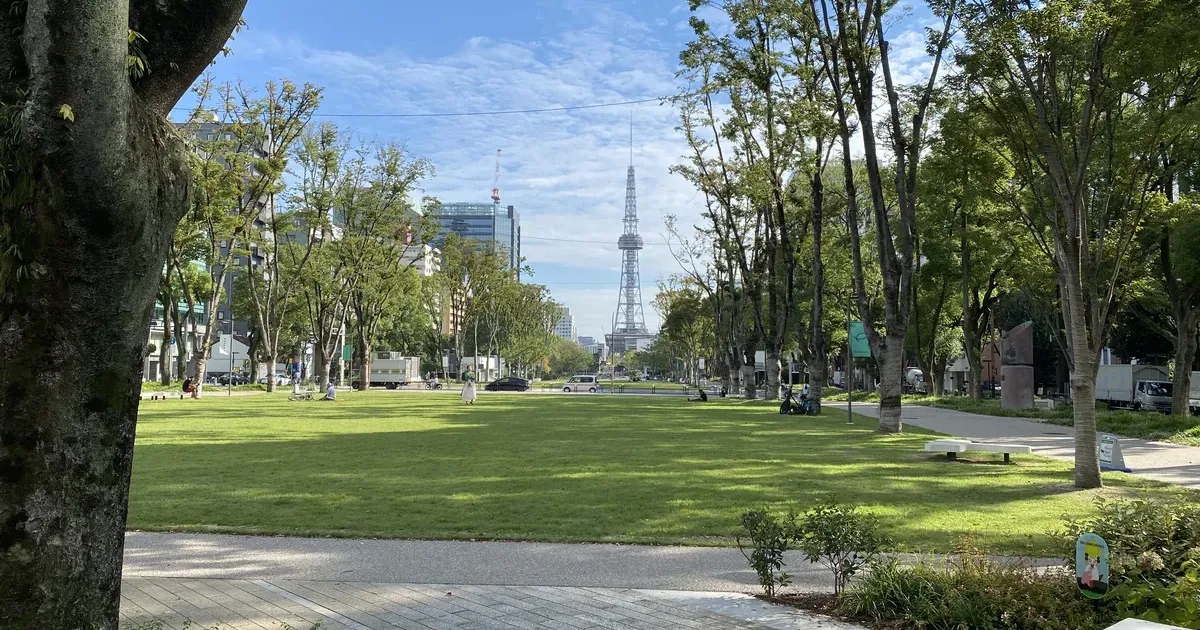
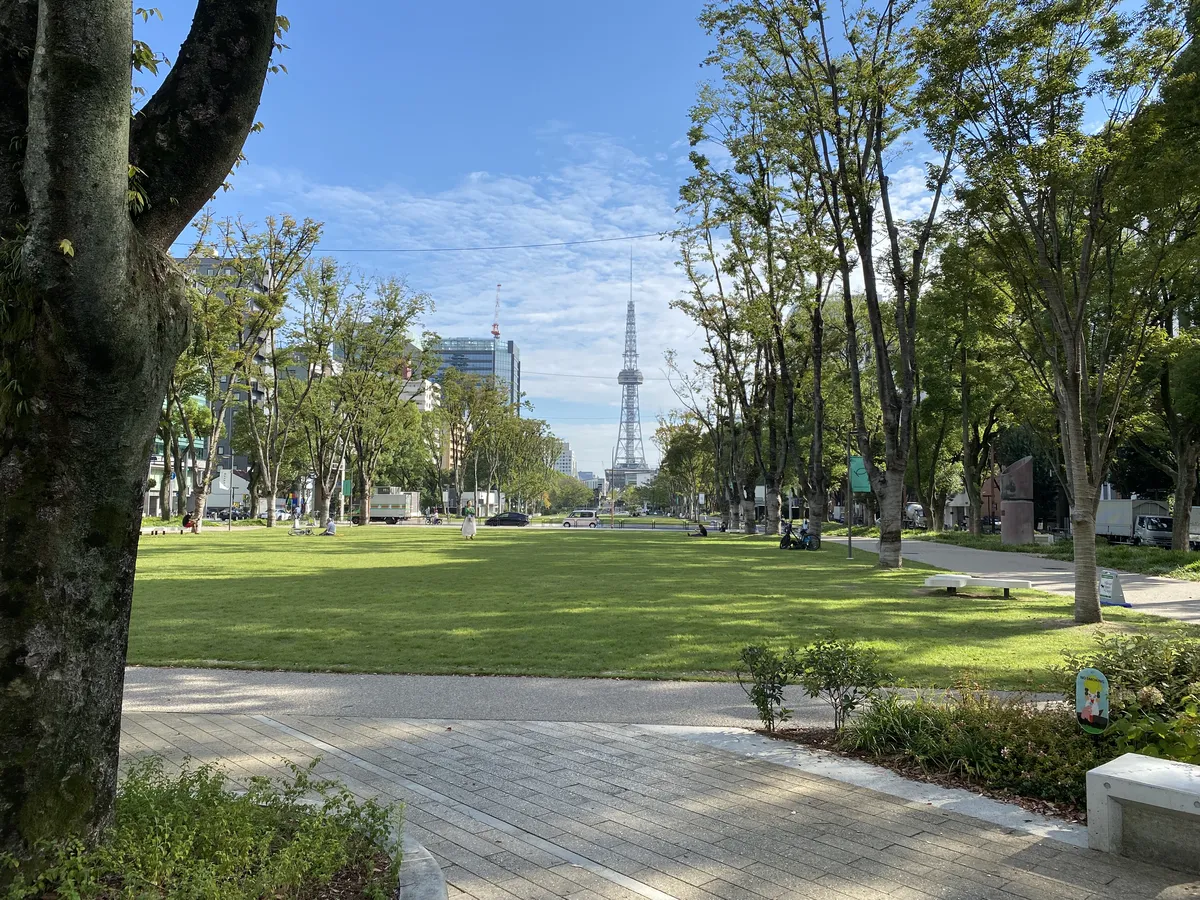
In Sakae, visit Oasis 21, a futuristic glass-roofed structure that looks like a translucent spaceship hovering above the street. The “Spaceship-Aqua” on the roof level is a popular photo spot, especially at sunset. The underground level has shops and restaurants. Directly adjacent stands Mirai Tower (formerly Nagoya TV Tower), Japan’s oldest TV tower, now reimagined as a mixed-use landmark with an observation deck, hotel rooms, and restaurants.
Pro Tip: If you love vintage fashion, budget extra time for Osu. The secondhand kimono shops offer beautiful pieces starting from 1,000 yen — wearable art that makes a unique souvenir. The vintage denim selection rivals anything in Tokyo’s Shimokitazawa.
Evening: How Should You Experience Nagoya’s Tebasaki Culture? (6:00 PM – 8:30 PM)
No visit to Nagoya is complete without tebasaki — crispy, sticky, sweet-spicy chicken wings. This is the city’s signature drinking snack, and the tebasaki-and-beer combination is basically a Nagoya religion.
Two legendary chains battle for supremacy: Yamachan and Furaibo. My honest recommendation after 35 years of eating both? Try Furaibo. Locals tend to prefer it — the wings have a perfect balance of black pepper, salt, and sweet glaze with impossibly crispy skin. The pepper is less aggressive than Yamachan’s, which makes them easier to eat in large quantities (and you will want to). Yamachan is also good and more tourist-friendly (English menus, etc.), so you really cannot go wrong with either.
Both chains have multiple locations throughout Sakae and the Nagoya Station area. The Sakae branches are most convenient after your afternoon sightseeing.
What to order: Start with two plates of tebasaki (Furaibo Ekimae 10pc around ¥1,320; Yamachan 5pc around ¥660 — you will want more). Add doteni (beef tendon simmered in miso), edamame, and a couple of draft beers. This is an izakaya experience — casual, loud, fun.
Budget: 2,000-3,000 yen per person including drinks.
Local Tip: The proper way to eat tebasaki: twist and pull the two bones apart, then eat the meat in one clean bite. Watch the locals — they make it look effortless. Everyone struggles the first time, and nobody judges you for it. After three or four wings, you will have the technique down. I recommend looking up the technique online before you go — knowing the trick in advance makes the whole experience more enjoyable.
Evening Alternative: Tori no Miso Nabe at Miyakagi (6:00 PM – 8:30 PM)
If you want something truly special on your first night — the kind of dish even most Nagoya locals do not know about — skip the tebasaki chains and head to Miyakagi (Meieki-minami, about a 12-minute walk from Nagoya Station, or 7 minutes from Fushimi subway station). This is my number one food recommendation for visitors, the dish I believe everyone who comes to Nagoya should try: tori no miso nabe (chicken simmered in a rich miso hot pot).
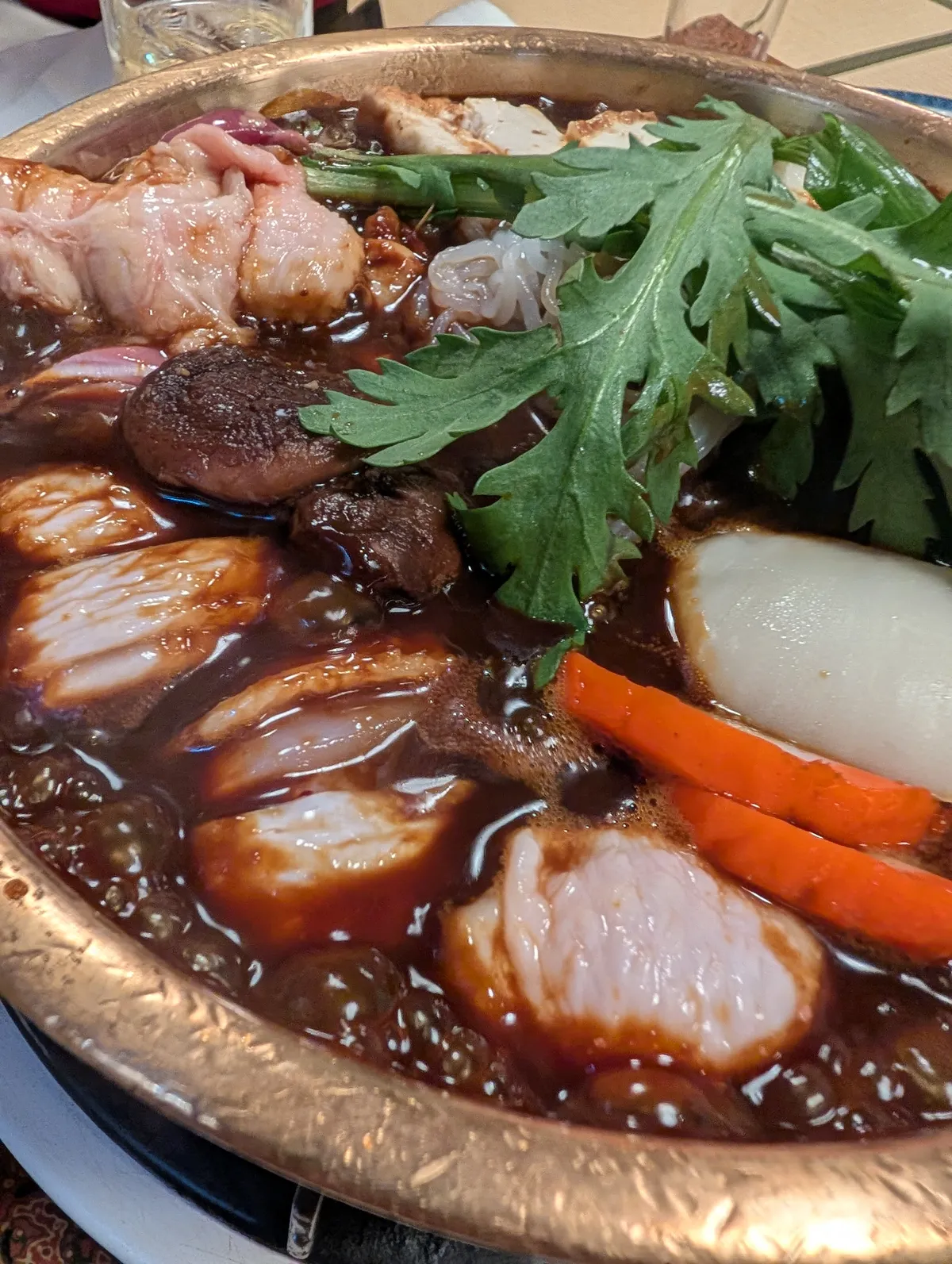
Miyakagi has been in business since 1899, and its signature miso-suki chicken hot pot was created by a later-generation owner. They use Mikawa red chicken slow-cooked in a broth built on Okazaki’s Hatcho miso. You sit upstairs on tatami in a small, intimate Japanese-style room — low tables, sliding doors, the whole experience. It is not just a meal; it is Nagoya’s food culture condensed into a single pot. At the end, you choose either kishimen noodles or rice to cook in the remaining broth. I have eaten here more than ten times and I still go three or four times a year. Credit cards accepted, and the price is surprisingly reasonable for what you get.
This is the kind of place that will make you understand why Nagoya’s food is different from everywhere else in Japan.
Budget: 3,000-5,000 yen per person.
Day 2: How Should You Plan for Ghibli Park and Atsuta Shrine?
Visit Atsuta Shrine in the morning (free admission, 30 minutes from Nagoya Station), then spend the afternoon at Ghibli Park (tickets from ¥1,000, must be pre-booked). End with hitsumabushi grilled eel for dinner.
Day 2 pairs one of Japan’s most sacred shrines with one of its most magical new attractions. The morning is culturally rich and the afternoon is pure enchantment. This day requires advance planning for Ghibli Park tickets.
Late Morning: What Is Hitsumabushi and Where Should You Try It? (10:30 AM – 11:30 AM)
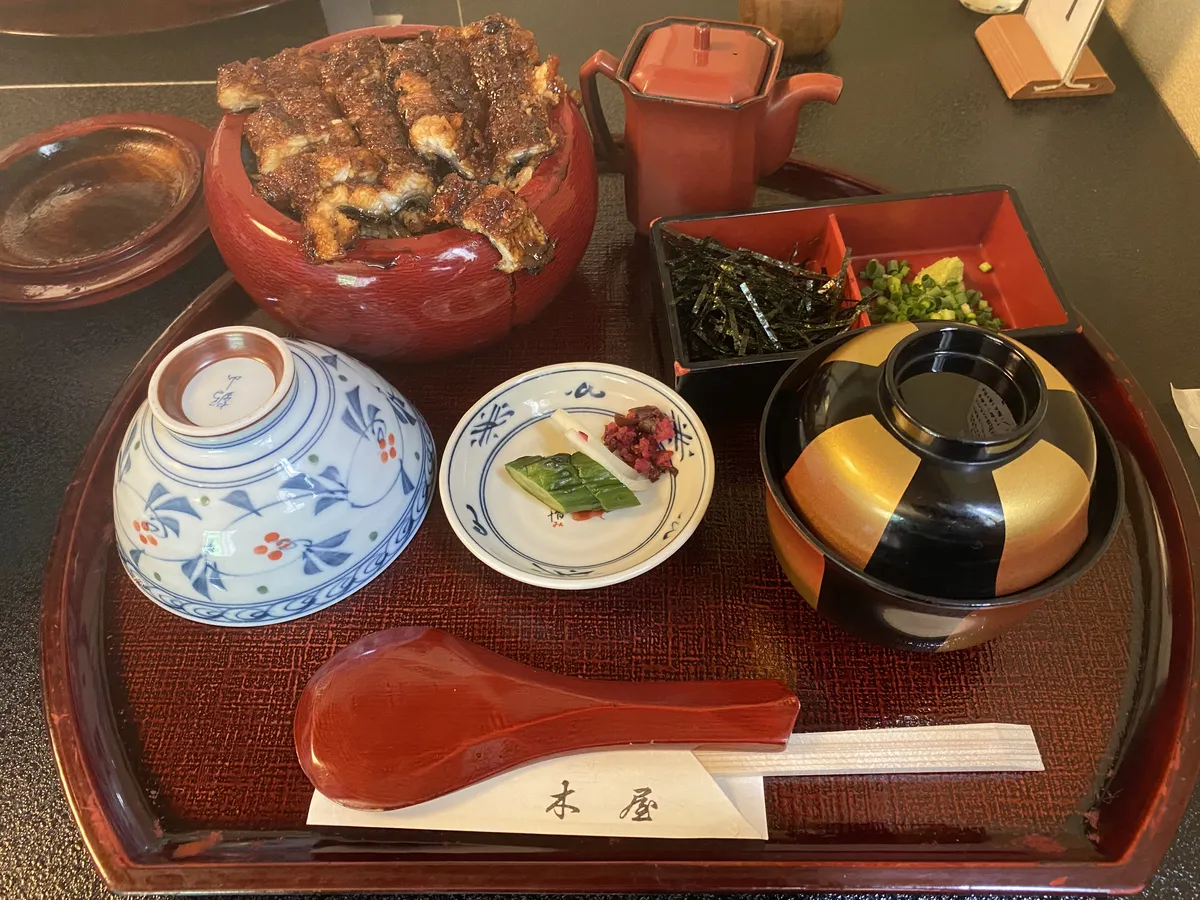
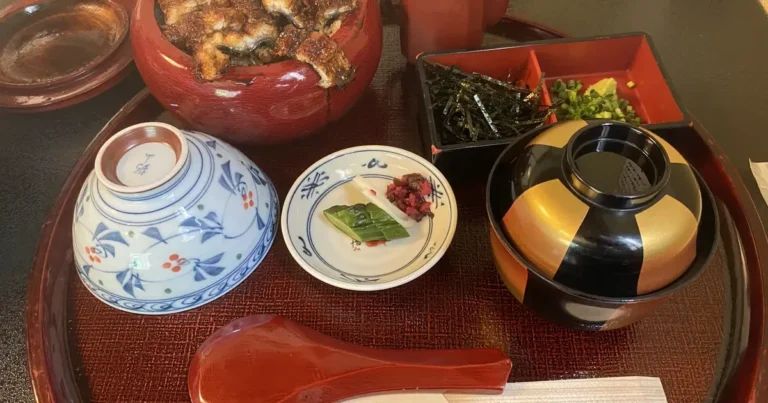
Start the day with what many consider the pinnacle of Nagoya meshi: hitsumabushi — grilled freshwater eel (unagi) on rice, eaten in three different ways. The best place is Atsuta Houraiken, which has been serving this dish since 1873.
Important timing note: Atsuta Houraiken’s main branch opens at 11:30 AM. Arrive by 11:00 AM to join the queue — waits of 30-60 minutes are normal on weekends. Have a light breakfast at your hotel or grab coffee from a nearby convenience store first. On weekdays, the wait is usually shorter (15-30 minutes).
Hitsumabushi is one of those dishes that perfectly represents what makes Nagoya food special. The eel is slowly grilled over charcoal — you can smell it from down the street — and the quality at Houraiken is extraordinary. Each piece of eel has a lacquered, crisp skin while the flesh stays impossibly tender. It is one of those meals you remember years later.
The three-way method for eating hitsumabushi:
- First portion: Eat the eel and rice plain to taste the pure grilled flavor
- Second portion: Add condiments — wasabi, green onion, shredded nori seaweed
- Third portion: Pour dashi broth over it and eat as ochazuke (rice soup)
- Fourth portion: Eat whichever way you liked best
Budget: Atsuta Houraiken Honten from ¥4,950; branch locations (Jingu-ten, Matsuzakaya) from ¥3,600. Yes, this is expensive for a rice dish. But the quality is extraordinary, and this is a Nagoya experience you cannot replicate anywhere else.
For the complete guide to hitsumabushi and all other Nagoya specialties, see our Nagoya food guide.
Late Morning: Why Is Atsuta Shrine One of Japan’s Most Important? (11:30 AM – 12:30 PM)
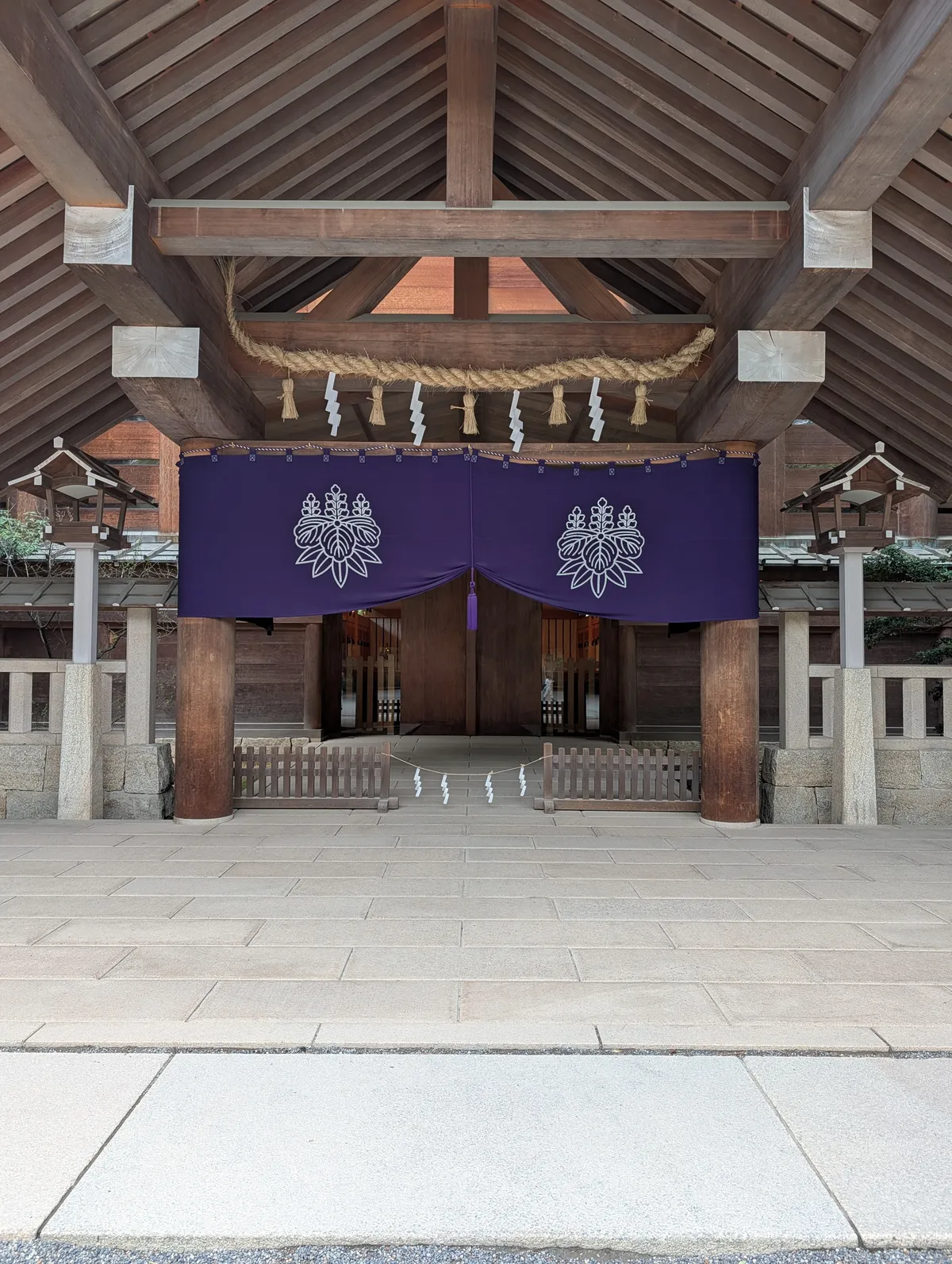
A two-minute walk from Houraiken sits Atsuta Shrine (Atsuta Jingu), one of the most significant Shinto shrines in all of Japan. It houses the Kusanagi no Tsurugi, one of the three Imperial Regalia of Japan — sacred objects that legitimize the Emperor’s rule. You cannot see it (it has been hidden from public view for centuries), but knowing it is there adds weight to the visit.
The shrine grounds are a world apart from the modern city surrounding them. I visit Atsuta Shrine at least three times a year. The forest-like grounds are cool even in summer, and the spiritual atmosphere is something you feel immediately upon entering. Ancient camphor trees, some over 1,000 years old, form a dense canopy that filters sunlight into gentle patterns. After the sensory stimulation of Day 1’s shopping districts, the tranquility here is a perfect counterpoint.
Do not miss:
- The main hall (Hongu) — Pay your respects at the offering box. The architecture is in the Shinmei-zukuri style, the oldest and simplest shrine form.
- The treasure hall (Bunkaden) — Houses swords, masks, paintings, and other historical artifacts (500 yen admission; 800 yen combo with Kusanagi Museum).
- The forested walking paths — Some of the oldest and most atmospheric trees in Nagoya.
Time needed: 30-60 minutes. Free admission to the grounds; 500 yen for the treasure hall (Atsuta Jingu official).
Local Tip: Atsuta Shrine is the second most visited shrine in Japan during New Year (hatsumode), after Meiji Jingu in Tokyo — that gives you a sense of its importance. Even on a regular day, the sacred atmosphere is palpable. Take your time walking the paths. This is not a “check the box and move on” stop.
Afternoon: What Should You Know Before Visiting Ghibli Park? (1:30 PM – 5:30 PM)
Now for the highlight many visitors plan their entire Central Japan trip around: Ghibli Park, located inside Moricoro Park (Expo 2005 Aichi Commemorative Park) in the city of Nagakute, about an hour from central Nagoya.
Ghibli Park is not a conventional theme park with roller coasters and spinning rides. It is an immersive, meticulously crafted world that brings Studio Ghibli’s beloved films to life through architecture, landscaping, and art installations. Think of it as physically stepping inside a Ghibli film. The craftsmanship — down to every doorknob, every tile, every garden path — is staggering.
Getting there from Atsuta: Take the Meijo subway line from Atsuta-Jingu-Nishi Station (renamed from Jingu-Nishi in January 2023) to Sakae, then transfer to the Higashiyama Line for Fujigaoka Station, the eastern terminus (about 40 minutes in total), then transfer to the Linimo maglev line to Ai-Chikyuhaku-Kinen-Koen Station (about 15 minutes). Total travel time: approximately 1 hour. The transfer at Fujigaoka is well-signed — just follow the Linimo signs when you exit the subway. The Linimo is a separate fare system, so have your IC card ready or buy a ticket at the machine. If you have not set up your IC card yet, our Japan travel essentials guide walks you through the process. Google Maps handles the full route accurately if you want turn-by-turn directions.
The Five Areas of Ghibli Park
1. Ghibli’s Grand Warehouse — The large indoor area with exhibits, installations, and spaces from multiple Ghibli films. This is the must-see area. Expect to spend 1.5-2 hours here.
2. Hill of Youth — Featuring the antique shop from Whisper of the Heart (you can actually go inside) and the Cat Bureau from The Cat Returns.
3. Dondoko Forest — Satsuki and Mei’s house from My Neighbor Totoro, surrounded by a beautiful natural forest. Feels like walking into the film.
4. Mononoke Village — Structures and landscapes inspired by Princess Mononoke, including Tatara-ba (the ironworks).
5. Valley of Witches — Howl’s Moving Castle (yes, the actual castle) and Kiki’s bakery from Kiki’s Delivery Service.
Ghibli Park Visitor Information (2026)
- Hours: 10:00 AM – 5:00 PM (weekdays); 9:00 AM – 5:00 PM (weekends/holidays)
- Tickets: Area Day Passes from ¥1,000, O-Sanpo Pass Standard ¥3,300-3,800, O-Sanpo Pass Premium ¥7,300-7,800 (Ghibli Park official)
- Booking: Required in advance — sells out weeks ahead
- Getting there: Linimo maglev to Ai-Chikyuhaku-Kinen-Koen Station
- Time needed: 3-5 hours depending on areas visited
For the complete guide including ticket booking strategies, which areas to prioritize, photography tips, and seasonal differences, read our complete Ghibli Park guide.
Pro Tip: Book the earliest available time slot for Ghibli’s Grand Warehouse. It is the most popular area and far more enjoyable before afternoon crowds arrive. The outdoor areas (Dondoko Forest, Hill of Youth, Valley of Witches) are beautiful in the softer late afternoon light — save them for the second half of your visit.
Evening: How Should You Wind Down After a Full Day? (6:30 PM Onward)
After a packed day, you have three excellent options:
Option A: Sakae Izakaya Dinner
Head back to Sakae for a proper izakaya experience. For something you have not tried yet, order miso nikomi udon — thick, chewy udon noodles simmered in a rich red miso broth, served bubbling in an earthenware pot. Yamamotoya Honten is the classic choice. Budget 1,200-1,800 yen.
Option B: Komeda Coffee — A Nagoya Institution
If you are exhausted (completely understandable), experience Komeda Coffee, born right here in Nagoya and now a beloved national chain. Order a coffee and receive a complimentary thick-cut toast with ogura-an (sweet red bean paste) — a Nagoya tradition called “morning service,” though some locations offer it throughout the day. The shiro noir (warm danish topped with soft-serve ice cream) is the signature dessert. Fair warning: Komeda portions are enormous — a “regular” coffee is what most places would call a large.
Option C: Local Kissaten for Teppan Napolitan
This is the option most tourists never discover, and it is one of my favorites. Find a local kissaten (old-school Japanese coffee house) — not a chain like Komeda, but one of the independent neighborhood places with wood-paneled interiors and jazz on the speakers. Order a teppan Napolitan — a Nagoya specialty where spaghetti Napolitan (ketchup-based pasta with sausage, peppers, and onions) is served sizzling on a hot iron plate, often with a ring of egg around it. It sounds simple, but it is deeply satisfying comfort food and a perfect end to a long day. These kissaten are scattered throughout the Sakae, Fushimi, and Nagoya Station areas. Look for the ones with handwritten signs and older clientele — those are usually the best.
Day 3: Which Day Trip from Nagoya Is Best for You?
Choose Inuyama (25 minutes, easiest) for Japan’s oldest original castle, Takayama (2.5 hours) for a UNESCO mountain town, or Kanazawa (3 hours) for Kenroku-en Garden and fresh seafood. Each offers a completely different experience.
This is where Nagoya’s secret superpower reveals itself: its geographic position. From Nagoya Station, you can reach some of Central Japan’s most spectacular destinations by train, making it the ideal base for day trips that most Japan itineraries miss entirely.
After 35 years of living here, the day trip I recommend most often to first-time visitors is Takayama and Shirakawago. The contrast between Nagoya’s urban energy and the mountain villages is dramatic and unforgettable. Here are your three best options, each offering a completely different experience.
Option A: How Do You Plan a Takayama and Shirakawa-go Day Trip?
Best for: First-time Japan visitors, photographers, traditional culture lovers, anyone wanting a “once in a lifetime” experience.
Takayama & Shirakawa-go Quick Facts
- Train: JR Hida Limited Express, Nagoya to Takayama, ~2 hours 20 minutes
- Cost: ¥11,880 round trip reserved (¥5,940 × 2 Hida LEX; covered by JR Pass)
- Bus to Shirakawa-go: ¥2,800 each way (about ¥5,600 round trip) from Takayama, 50 minutes — most departures require a reservation
- Highlights: Preserved Edo-era old town, Hida beef, morning markets, UNESCO World Heritage thatched-roof farmhouses
Take the JR Hida limited express from Nagoya Station to Takayama, a beautifully preserved mountain town surrounded by the Japanese Alps. The train ride itself is scenic, following river valleys through mountainous terrain. In Takayama, explore the Sanmachi-suji old town district — three streets of Edo-era merchant houses now housing sake breweries, craft shops, and cafes. Visit the famous morning markets (asa-ichi) at Miyagawa River or Takayama Jinya. Try Hida beef, the local wagyu that rivals Kobe beef.
From Takayama, catch a bus to Shirakawa-go, a UNESCO World Heritage site famous for its iconic gassho-zukuri (prayer-hands style) thatched-roof farmhouses. Some of these farmhouses are 250+ years old. In winter, the village covered in snow looks like a fairy tale. In summer and autumn, the surrounding rice paddies and mountains create a different but equally beautiful scene.
This is one of the most popular and most rewarding day trips in all of Japan. Read our detailed Takayama and Shirakawa-go day trip guide for the complete itinerary, timetables, and tips.
Option B: How Do You Plan a Kanazawa Day Trip?
Best for: Garden lovers, art enthusiasts, seafood fans, anyone wanting a “mini Kyoto” experience without the crowds.
Kanazawa Quick Facts
- Train: JR Shirasagi Limited Express to Tsuruga, then Hokuriku Shinkansen to Kanazawa (transfer at Tsuruga), ~3 hours
- Cost: ~¥18,160 round trip reserved (¥9,080 each way via Shirasagi + Hokuriku Shinkansen, changing at Tsuruga; covered by the Japan Rail Pass. The Takayama-Hokuriku Area Tourist Pass does not cover the Nagoya–Maibara–Tsuruga section the Shirasagi uses — on that pass you reach Kanazawa the long way, via Takayama and Toyama)
- Highlights: Kenroku-en Garden, 21st Century Museum, geisha districts, Omicho Market sushi
Take the JR Shirasagi limited express to Tsuruga, then transfer to the Hokuriku Shinkansen for Kanazawa, a city that rivals Kyoto in cultural richness but sees a fraction of the tourists. Visit Kenroku-en, officially one of Japan’s three most beautiful gardens — meticulously landscaped across 11 hectares with ponds, streams, waterfalls, stone lanterns, and seasonal plantings that change dramatically through the year.
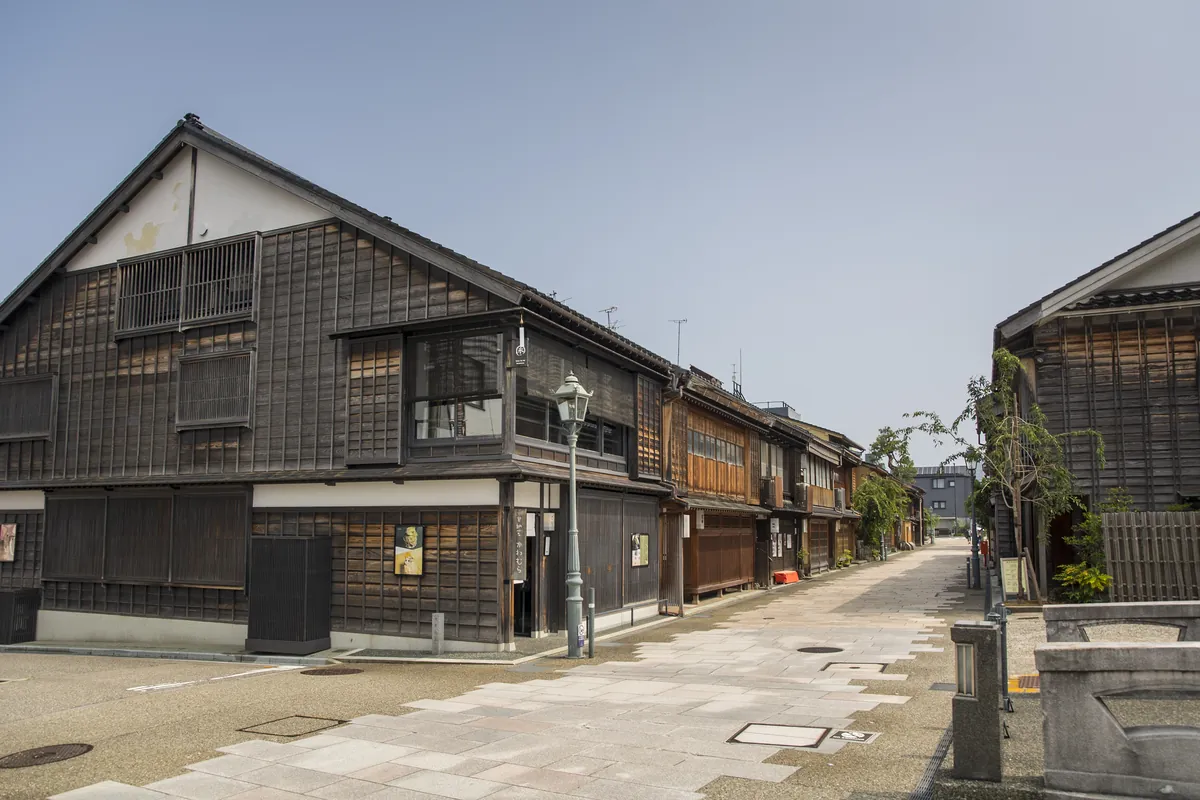
Explore the 21st Century Museum of Contemporary Art, a striking circular building with free public zones and paid exhibitions. Walk through the Higashi Chaya (eastern geisha) district, where wooden teahouses from the Edo period line atmospheric streets. And end at Omicho Market, where about 170 vendors sell the freshest seafood from the Sea of Japan — the sushi here is some of the best in the country.
Read our complete Kanazawa day trip from Nagoya guide for the full itinerary and logistics.
Option C: How Do You Plan an Inuyama Castle Day Trip?
Best for: History enthusiasts, families with children, travelers who prefer a relaxed pace, anyone who does not want a long train ride.
Inuyama Quick Facts
- Train: Meitetsu Line, Nagoya to Inuyama, ~25 minutes
- Cost: 630 yen each way (IC card)
- Highlights: National Treasure castle from 1537, Edo-period castle town, Meiji-Mura open-air museum, cormorant fishing (summer)
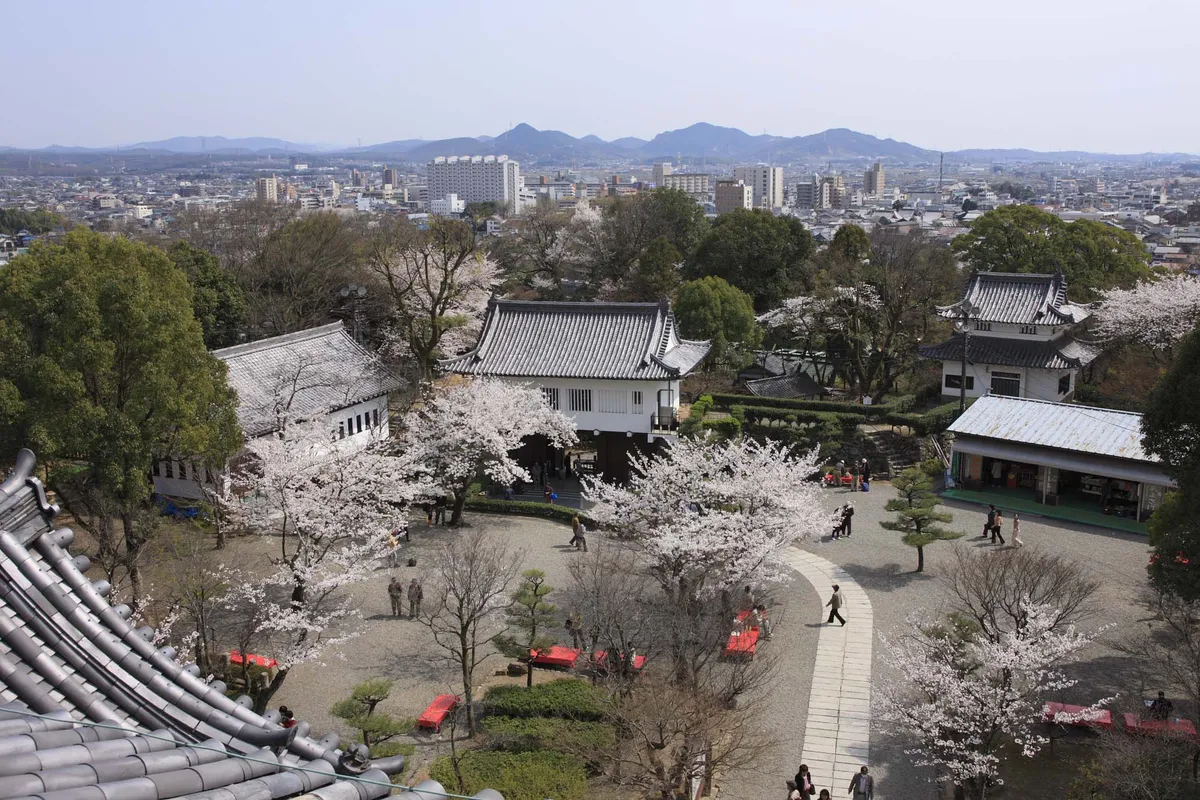
Inuyama Castle is just 25 minutes from Nagoya by Meitetsu train and is one of only 5 National Treasure castles in Japan. Built in 1537, it has its original wooden keep — not a concrete reconstruction. The steep original staircases and the panoramic view from the observation deck over the Kiso River are unforgettable.
This is a place I have a personal connection with. I spent about two months in Inuyama during a university internship, commuting on the Meitetsu line from Nagoya Station every day. I fell in love with this town. It has a charm that is completely different from Nagoya — smaller, quieter, with the castle town streets and the river creating a sense of place that stays with you. One thing that struck me immediately was that the castle town’s power lines are buried underground, so the streets have an open, almost European feel to them. The local coffee shops serve genuinely good food, and the overall pace is wonderfully relaxed.
What I learned during those two months is that Inuyama Castle was privately owned by the Naruse family for generations — one of the only privately owned castles in Japan for most of its history. That kind of personal stewardship gives the place a different feeling from the big, state-run castle complexes. It feels cared for in a way that is hard to describe until you visit.
Below the castle, Honmachi Street is a beautifully preserved Edo-period castle town revitalized with food stalls, craft shops, and sake breweries. The street food here is excellent — try gohei-mochi, dengaku tofu, and local wagyu skewers.
For a full day, add Meiji-Mura, an open-air architectural museum featuring over 60 relocated Meiji-era buildings, including the entrance hall of Frank Lloyd Wright’s Imperial Hotel. It is one of the most unique museums in Japan.
Read our detailed Inuyama Castle and Meiji-Mura day trip guide for complete itineraries and practical information.
Day Trip Comparison: Which Should You Choose?
| Factor | Takayama & Shirakawa-go | Kanazawa | Inuyama |
|---|---|---|---|
| Travel time (one way) | 2 hr 20 min (JR) | 3 hours (JR) | 25 min (Meitetsu) |
| Round trip cost | ~¥11,880 + bus | ~¥18,160 | ~¥1,260 |
| JR Pass covers? | Yes (train only) | Yes | No (Meitetsu) |
| Best season | All (winter snow is magical) | Autumn / Spring | April (festival) / Autumn |
| Crowd level | Moderate-High | Moderate | Low-Moderate |
| Physical demands | Moderate walking | Moderate walking | Low-Moderate (steep castle stairs) |
| Family friendly? | Good | Good | Excellent |
| Food highlight | Hida beef | Fresh sushi at Omicho | Castle town street food |
| UNESCO status | Yes (Shirakawa-go) | No (but culturally rich) | Yes (Inuyama Festival floats) |
My Local’s Recommendation: If this is your first time in Japan, choose Takayama and Shirakawa-go — it is a once-in-a-lifetime visual experience, especially with snow or autumn colors. If you have been to Japan before and want something different, go for Kanazawa — the garden, the art museum, and the sushi market are all world-class. If you are traveling with small children or prefer a relaxed pace with no long train rides, Inuyama is the perfect choice — and I say that as someone who spent two months there and would happily go back any time.
How Much Does 3 Days in Nagoya Cost?
Budget travelers can do 3 days for approximately 25,000 yen per person. Mid-range travelers should expect 45,000-60,000 yen. Comfort-tier spending reaches 70,000-92,000 yen. These figures exclude international flights and JR Pass.
Here is a realistic budget breakdown per person for three days in 2026 (not including international flights or JR Pass).
Budget Tier (Hostel / Backpacker)
| Category | Estimated Cost (2026) |
|---|---|
| Accommodation (3 nights, hostel/capsule hotel) | ¥9,000 – 15,000 |
| Food (convenience stores, ramen, budget restaurants) | ¥6,000 – 9,000 |
| Transportation (subway/bus, IC card) | ¥3,000 – 5,000 |
| Attractions (castle, shrine, Ghibli basic) | ¥3,000 – 5,000 |
| Day trip (Inuyama — cheapest option) | ¥4,000 – 6,000 |
| Total | ¥25,000 – 40,000 (~$165-265 USD) |
Mid-Range Tier (Business Hotel / Comfortable)
| Category | Estimated Cost (2026) |
|---|---|
| Accommodation (3 nights, business hotel) | ¥24,000 – 36,000 |
| Food (sit-down Nagoya meshi restaurants) | ¥12,000 – 18,000 |
| Transportation (subway + day trip trains) | ¥5,000 – 15,000 |
| Attractions (castle, Ghibli full, museum) | ¥5,000 – 8,000 |
| Day trip (Takayama or Kanazawa) | ¥8,000 – 15,000 |
| Total | ¥54,000 – 92,000 (~$360-615 USD) |
Luxury Tier (4-5 Star Hotel / Premium Dining)
| Category | Estimated Cost (2026) |
|---|---|
| Accommodation (3 nights, 4-5 star hotel) | ¥60,000 – 120,000 |
| Food (premium hitsumabushi, kaiseki, wagyu) | ¥25,000 – 45,000 |
| Transportation (Green Car trains, occasional taxi) | ¥10,000 – 25,000 |
| Attractions + guided tours | ¥10,000 – 20,000 |
| Day trip (private or premium guided) | ¥15,000 – 40,000 |
| Total | ¥120,000 – 250,000 (~$800-1,670 USD) |
Quick Budget Comparison: 3 Days at Every Spending Level
Not sure which tier fits you? This side-by-side summary makes it easy to compare at a glance. All figures are per person for 3 days / 3 nights in 2026 (excluding international flights and JR Pass).
| Category | Budget | Mid-Range | Splurge |
|---|---|---|---|
| Hotel / night | ¥3,000 – 5,000 (hostel / capsule) | ¥8,000 – 12,000 (business hotel) | ¥20,000 – 40,000 (4-5 star) |
| Food / day | ¥2,000 – 3,000 | ¥4,000 – 6,000 | ¥8,000 – 15,000 |
| Transport (3 days) | ¥3,000 – 5,000 | ¥5,000 – 15,000 | ¥10,000 – 25,000 |
| Attractions + Day Trip | ¥7,000 – 11,000 | ¥13,000 – 23,000 | ¥25,000 – 60,000 |
| 3-Day Total | ¥25,000 – 40,000 (~$165 – 265 USD) |
¥54,000 – 92,000 (~$360 – 615 USD) |
¥120,000 – 250,000 (~$800 – 1,670 USD) |
Money-Saving Tip: The biggest expense for Day 3 is the train to Takayama or Kanazawa. A regional rail pass (Takayama-Hokuriku Area Tourist Pass, ¥19,800 for 5 consecutive days) does not pay for itself on a single day trip — a Kanazawa round trip is about ¥18,160 — and its free area excludes the Nagoya–Maibara–Tsuruga section the Shirasagi uses, so on that pass you would reach Kanazawa the long way, via Takayama and Toyama. If you are doing multiple day trips over 4-5 days, a pass is almost always the smart choice. For details on passes, see our Japan travel essentials guide.
How Do You Get Around Nagoya?
Use the subway for most trips (6 lines, 210-340 yen per ride). The Donichi Eco Pass (620 yen) gives unlimited weekend subway and bus rides. An IC card (Toica, Suica, Pasmo) works on all city transit.
Nagoya has an excellent, easy-to-navigate public transportation system. Here is what you will use during this 3-day itinerary:
Day 1: Nagoya subway (primarily Meijo and Higashiyama lines). A 24-hour subway ticket costs 760 yen — it runs for 24 hours from first use rather than to the end of the calendar day — and pays for itself if you make 4 or more trips.
Day 2: Subway to Atsuta area + subway to Fujigaoka + Linimo maglev to Ghibli Park. Note that the Linimo is not covered by the subway day pass — budget an additional 720 yen round trip for the Linimo portion (800 yen from 1 September 2026, when Linimo fares rise).
Day 3: JR trains (for Takayama or Kanazawa, covered by JR Pass if applicable) or Meitetsu trains (for Inuyama, not covered by JR Pass, 630 yen each way).
Essential transit tips:
- IC cards (Suica, PASMO, TOICA, manaca) work on everything — subway, JR, Meitetsu, Linimo, buses, and many convenience stores
- Google Maps is reliable for Nagoya transit navigation. Navitime is sometimes better for complex transfers.
- Trains and subways in Nagoya are punctual, clean, and safe. The system is less complex than Tokyo’s.
- Do not overlook the bus system. The Sakae Bus Center connects to neighborhoods all across the city, and buses are safe and cheap at ¥210 per ride. If you have extra time and want to explore beyond the tourist trail, a bus ride to an unexpected neighborhood can lead to incredible food discoveries.
For a comprehensive breakdown of every transit option, pass, and money-saving strategy, read our complete guide to getting around Nagoya.
Where Is the Best Area to Stay in Nagoya?
Stay near Nagoya Station for the best access to subway lines, JR trains, Meitetsu (for Inuyama), and highway buses. Budget hotels start from 5,000 yen per night. Sakae is a good alternative if you prefer nightlife.
For this 3-day itinerary, I recommend staying near Nagoya Station.
It is the central hub connecting all subway lines, JR trains, Meitetsu trains (for Inuyama), Kintetsu trains (for Ise), and highway buses (for Shirakawa-go). Everything in this itinerary is either walkable from the station or a direct train away.
Hotel Recommendations by Budget (2026)
| Budget Level | Recommended Hotels | Nightly Rate (2026) |
|---|---|---|
| Budget | Hostels and capsule hotels near the station | ¥3,000 – 5,000 |
| Mid-Range | Daiwa Roynet Hotel Nagoya Taiko-dori Side, Hotel Resol Nagoya | ¥8,000 – 12,000 |
| Luxury | Nagoya Marriott Associa (directly connected to station), Hilton Nagoya | ¥20,000 – 40,000 |
The Nagoya Marriott Associa deserves special mention — it sits directly above Nagoya Station, connected by an internal walkway. On rainy days or when catching early morning trains for day trips, this convenience is worth the premium.
For our full neighborhood-by-neighborhood breakdown, including Sakae and Fushimi alternatives, see our where to stay in Nagoya guide.
When Is the Best Season to Visit Nagoya?
Spring (late March to mid-April) and autumn (October to November) offer the best weather and seasonal beauty. Cherry blossoms peak in early April. Avoid midsummer (July-August) when temperatures exceed 35 degrees Celsius with high humidity.
This itinerary works year-round, but each season brings a different character to the experience.
Spring (March – May): The Best Overall Season
Cherry blossoms at Nagoya Castle peak in late March to early April, transforming the grounds into a pink canopy. Takayama’s Spring Festival (mid-April) is one of Japan’s three most beautiful festivals. Ghibli Park’s outdoor areas come alive with fresh greenery. Temperatures are mild and pleasant: 10-20 degrees Celsius (50-68 degrees Fahrenheit).
Summer (June – August): Hot but Rewarding
Fair warning: Nagoya is one of Japan’s hottest cities in summer (30-35 degrees Celsius / 86-95 degrees Fahrenheit). June brings the rainy season. July and August are scorching. However, the tradeoffs are fewer crowds, lower hotel prices, summer festivals, lush green scenery at Shirakawa-go, and cormorant fishing season at Inuyama. Indoor attractions like Ghibli’s Grand Warehouse and Meiji-Mura buildings provide relief. Bring sunscreen, a towel, and stay hydrated.
Autumn (September – November): A Close Second to Spring
Fall foliage peaks in mid-to-late November. Takayama and Shirakawa-go are extraordinary in autumn colors. Kanazawa’s Kenroku-en Garden is legendary during this season. Comfortable temperatures: 10-22 degrees Celsius (50-72 degrees Fahrenheit). Autumn is when I most enjoy bringing visitors — the combination of colors, mild weather, and harvest-season food is hard to beat.
Winter (December – February): Quiet and Atmospheric
Cold but manageable (0-8 degrees Celsius / 32-46 degrees Fahrenheit). It rarely snows in Nagoya proper. Shirakawa-go under snow is magical — one of Japan’s most iconic winter scenes — but mountain roads can close in heavy snow, so check conditions. The upsides: fewest tourists of any season, lowest hotel prices, and beautiful winter illuminations at Oasis 21 and Nagoya Station.
Local Tip: The absolute best windows for this itinerary are late March to mid-April (cherry blossom season) and mid-to-late November (peak autumn foliage). But honestly, there is no bad time to visit Nagoya. Each season has genuine charm, and the food is outstanding regardless of weather.
Can You Adjust This Itinerary for 2 or 5 Days?
Yes. For 2 days, combine the Day 1 highlights with Atsuta Shrine and skip Ghibli Park. For 4-5 days, add multiple day trips — Takayama on one day and Inuyama or Kanazawa on another.
Condensed 2-Day Nagoya Itinerary
If you only have two days, prioritize the essentials:
Day 1: Nagoya Castle and Hommaru Palace (morning) then miso katsu lunch at Suzuya Akamon or Yabaton then Osu Shopping District (afternoon) then tebasaki dinner in Sakae — or tori no miso nabe at Miyakagi if you want the unforgettable meal. This covers the core Nagoya experience.
Day 2: Hitsumabushi at Atsuta Houraiken (late morning) then Atsuta Shrine then Ghibli Park (afternoon). Skip the day trip and focus on the city’s two biggest draws.
Extended 5-Day Nagoya Itinerary
With five days, you can do multiple day trips and deepen your Nagoya experience:
Days 1-2: Same as this itinerary.
Day 3: Takayama and Shirakawa-go day trip — the marquee day trip experience.
Day 4: Kanazawa day trip — gardens, art, geisha districts, and phenomenal sushi.
Day 5: Inuyama Castle and Meiji-Mura in the morning, return to Nagoya for last-minute shopping at JR Takashimaya or the underground malls at Nagoya Station. End with a farewell hitsumabushi or miso nikomi udon dinner. For more food inspiration, revisit our Nagoya food guide and check off any dishes you missed. Or, if you have not yet made it to the neighborhoods I recommend in the Local’s Secret Additions section below, Day 5 is the perfect time to take the bus to Nakagawa-ku for ramen or explore the red-lantern izakaya near Nagoya Station.
For a comprehensive look at everything you could fill extra days with, see our complete things to do in Nagoya guide.
A Local’s Secret Additions: What the Guides Do Not Tell You
Try morning coffee at a Nagoya kissaten for free toast and eggs with your drink. Visit Osu at night for a completely different atmosphere. Explore Nakagawa-ku’s neighborhood ramen shops for bowls the tourist guides miss entirely.
This section is the advice I give friends who visit me in Nagoya — the stuff that does not make it into standard tourist guides because it requires a local to show you the way. If you have any extra time during your three days, or if you are extending to four or five days, these are the experiences that will give you a completely different perspective on Nagoya.
Visit Nakagawa-ku for Ramen
My home neighborhood, Nakagawa-ku, is what I call Nagoya’s ramen holy ground. Two spots in particular are worth the bus or taxi ride:
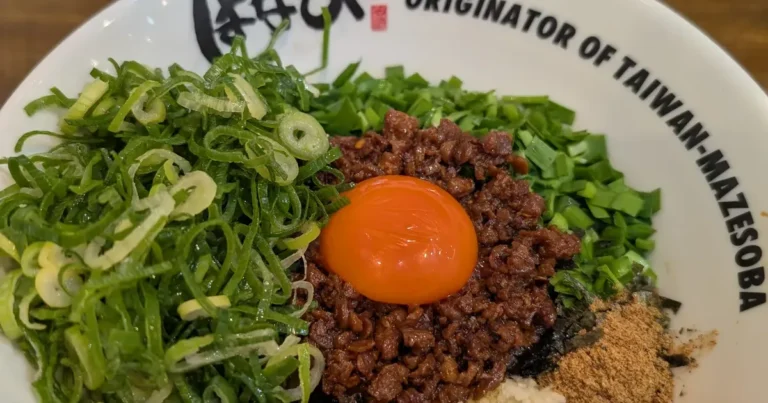
Menya Hanabi (Takabata area) — This is the birthplace of Taiwan mazesoba, a dry ramen with spicy minced pork, garlic, egg yolk, and nori that you mix together yourself. The owner, Naoto Niiyama, invented it as a staff meal when the shop was just one tiny location. Now Hanabi has expanded across Japan, but the Takabata original is still the best. It is not a soup ramen — think of it as a completely different dish. Spicy, savory, and addictive.
Kourai Dojo (Fukiage area) — This is yakuzen ramen — medicinal herb ramen. The broth combines chicken, pork, fish, and root vegetables with traditional Chinese medicinal herbs and spices. It is subtle, delicate, and unlike any ramen you have ever had. Most Nagoya locals have never heard of it. The shop has been around since 1959 and opens only for lunch (11:00 AM – 2:00 PM, closed Sundays). If you appreciate refined, thoughtful food — the kind where every ingredient has a purpose — this is an essential Nagoya experience.
Try a Real Red-Lantern Izakaya
This is the experience I am most passionate about sharing. Nagoya has hundreds of tiny, old-school izakaya — the ones with red lanterns hanging outside, handwritten menus on the wall, and regulars who have been coming every week for 30 years. These places do not appear on Instagram or TripAdvisor. Most do not even have a website.
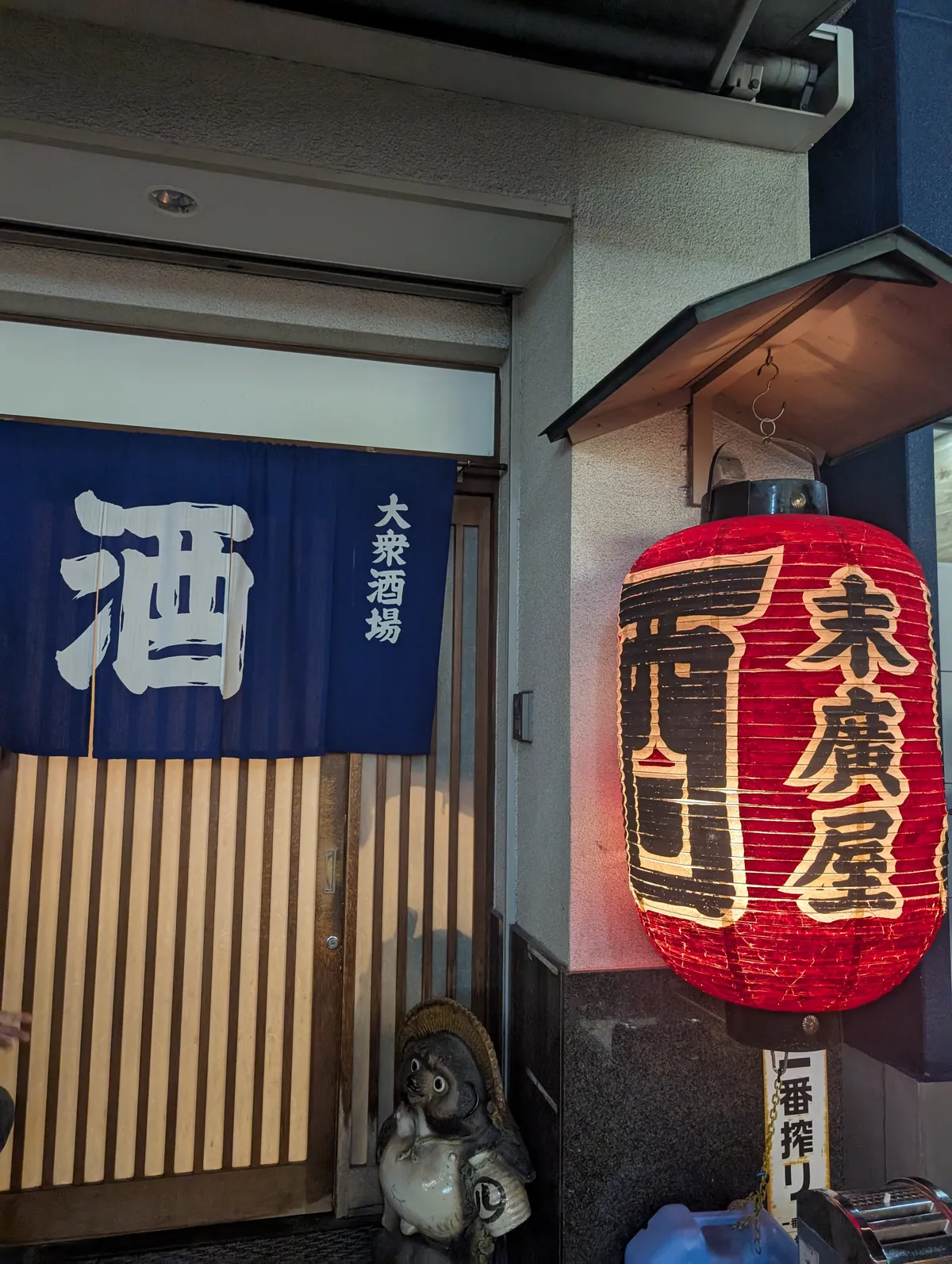
Find one near Nagoya Station (the west side is especially good for this) or in the Sakae backstreets. Sit at the counter, order nihonshu (Japanese sake) or shochu, and point at whatever the person next to you is eating. Chat with the regulars — even with a language barrier, the warmth and hospitality at these places is unmistakable. This is the real Japan, and it is the experience I want every visitor to have.
Get Takeout from Misen Instead of Waiting in Line
Misen (Yaba-cho area) is Nagoya’s most famous Taiwan ramen restaurant, and the lines can be brutal — 30 to 60 minutes on busy days. Here is what most people do not know: the takeout window is almost always empty. Skip the dining room line, order takeout, and bring it back to your hotel or eat it at a nearby park bench. My personal recommendations from Misen are the stir-fried greens (yasai itame) and the fried rice — both are outstanding and neither one is spicy. The Taiwan ramen itself is excellent if you can handle heat, but be warned: it is genuinely very spicy and can affect your stomach the next day.
Take the Bus to Somewhere Unexpected
Grab a day pass that includes buses (the Subway + Bus Day Pass at ¥870, or the Donichi Eco Kippu on weekends at ¥620 which includes buses too — see our Nagoya transit guide for all pass options), go to the Sakae Bus Center, and pick a bus heading in any direction you have not been. Get off when something catches your eye. The neighborhoods away from the subway lines — Nakamura-ku, Nakagawa-ku, Minato-ku — are where Nagoya’s true character lives. You might find a 70-year-old tonkatsu shop run by a couple in their eighties, or a Chinese restaurant where the chef makes everything from scratch for eight tables. These are the discoveries that make a trip unforgettable.
Take the Meitetsu Seto Line to Seto City
From Sakae-machi Station (right in the heart of Sakae), the Meitetsu Seto Line takes you to Seto city in about 30 minutes. Seto is one of Japan’s most important ceramics towns — the Japanese word for pottery, “seto-mono,” literally comes from this city’s name. You can visit pottery studios, watch artisans at work, and buy beautiful handmade ceramics directly from the makers at prices far below what you would pay in a Tokyo boutique. Almost no foreign tourists know about this day trip, and it is one of the easiest excursions from central Nagoya.
Frequently Asked Questions About Visiting Nagoya
Is 3 days enough time for Nagoya?
Yes — three days is the ideal duration for most visitors. You get two full days in the city, which is enough to see all major attractions, eat every must-try Nagoya meshi dish, and explore the main neighborhoods. The third day gives you a world-class day trip. If you want to do multiple day trips (for example, both Takayama and Kanazawa), extend to 4-5 days. But for a single visit, three days hits the sweet spot between thorough and efficient.
Do I need to speak Japanese in Nagoya?
No, but a few basic phrases help. Nagoya is less English-friendly than Tokyo or Osaka — you will encounter situations where no English is spoken, especially at smaller restaurants and in residential neighborhoods. However, Google Translate’s camera feature handles menus and signs effectively. Train stations have full English signage. Most tourist attractions provide English information sheets or audio guides. Learning “sumimasen” (excuse me), “arigatou gozaimasu” (thank you), and pointing-and-ordering is enough. For more language and cultural tips, see our travel essentials guide.
Can I do this itinerary without a JR Pass?
Absolutely. For Days 1 and 2 (city sightseeing), the Nagoya subway is all you need — no JR Pass required. The 24-hour subway ticket (760 yen) is the most cost-effective option. On Day 3, you only need a JR Pass if you choose Takayama or Kanazawa. For Inuyama (Option C), you use the Meitetsu line, which is not covered by JR Pass regardless. If you are only doing one day trip, calculate whether individual tickets or a pass is cheaper — for a single Takayama round trip, a full JR Pass is usually not worth it, but a regional pass might be. See getting around Nagoya for pass comparisons.
Is Ghibli Park worth visiting even if I am not a big Studio Ghibli fan?
Even visitors who are not hardcore Ghibli fans consistently report being impressed. The level of craftsmanship and detail in every building, exhibit, and garden path is extraordinary — it is a celebration of artisanal craft as much as it is a tribute to the films. The Grand Warehouse has universal appeal. That said, if you have zero interest in animation and would rather spend the afternoon at Nagoya’s science museum or art galleries, that is also a valid choice. Read our complete Ghibli Park guide to decide.
What is the best day trip from Nagoya — Takayama, Kanazawa, or Inuyama?
It depends entirely on your priorities. Takayama and Shirakawa-go delivers the most dramatic visual experience — a preserved mountain town and UNESCO World Heritage thatched-roof village — and is the top choice for first-time Japan visitors. Kanazawa is the best pick for garden lovers, contemporary art fans, and anyone who wants the freshest sushi in Central Japan. Inuyama is the most convenient (25 minutes by train), the most affordable, and the best option for families or travelers who prefer a relaxed pace. I spent two months in Inuyama during a university internship and can tell you it punches well above its weight — the castle, the town, and the atmosphere are genuinely special. Full details in each guide: Takayama and Shirakawa-go, Kanazawa, Inuyama.
What food should I absolutely not miss in Nagoya?
The non-negotiable Nagoya meshi dishes are: miso katsu (pork cutlet with Hatcho miso sauce — try Suzuya Akamon for the local’s choice or Yabaton for the classic), hitsumabushi (grilled eel rice eaten three ways — try Atsuta Houraiken), and tebasaki (crispy chicken wings — try Furaibo or Yamachan). Beyond those three, try miso nikomi udon (thick noodles in miso broth — Yamamotoya), kishimen (flat noodles, available at JR station platform stands), Taiwan ramen (spicy minced pork noodle soup — Misen, but get takeout to skip the line), and ogura toast (toast with sweet red bean paste — any Komeda Coffee). And if you take only one recommendation from this entire guide, make it tori no miso nabe at Miyakagi — the dish even most Nagoya locals do not know about, and the one I believe defines this city’s food culture. For the complete food guide with restaurant picks and prices, see our Nagoya meshi guide.
Final Thoughts from a Nagoya Local
Nagoya does not get the love it deserves from international travelers, and honestly, that is part of its charm. You will not fight through tourist crowds at every turn. Instead, you get an authentic slice of Japanese city life, a food culture that puts most other cities to shame, easy access to some of the country’s most extraordinary destinations, and the sense that you are discovering something that most visitors to Japan miss entirely.
After 35 years of living here — growing up in Nakagawa-ku, going to school in Nakamura-ku, working in Sakae, interning in Inuyama, and eating my way through every neighborhood in between — I still find new things to love about this city. The food keeps me here. The people — warm, unpretentious, proud of their hometown — keep me here. The convenience of being able to reach Takayama, Kanazawa, Inuyama, Ghibli Park, and more without ever boarding a Shinkansen keeps me here.
This 3-day itinerary gives you the perfect introduction to Central Japan. But I hope you will go beyond just the itinerary. Take a bus to a neighborhood you have never heard of. Sit at the counter of a red-lantern izakaya and order what the regulars are having. Try the miso nabe at Miyakagi and the yakuzen ramen at Kourai Dojo. Walk west of Nagoya Station at night and follow the lanterns. That is the Nagoya I know, and it is the Nagoya I want you to experience.
Whether you spend your time savoring every last bite of miso katsu, getting lost in the magical world of Ghibli Park, or gazing at centuries-old thatched roofs in Shirakawa-go, you are in for a trip you will talk about for years.
All Guides for Planning Your Nagoya Trip
This article is the hub for all of our Central Japan travel guides. Use the links below to dive deeper into any topic:
City Guides
- Things to Do in Nagoya: The Complete Guide — Every attraction, neighborhood, and experience in the city
- Nagoya Food Guide: The Best of Nagoya Meshi — All iconic dishes, best restaurants, and prices
- Where to Stay in Nagoya: Neighborhood Guide — Hotel recommendations by area and budget
- Getting Around Nagoya: Transit Guide — Subway maps, IC cards, passes, and tips
Day Trips from Nagoya
- Takayama and Shirakawa-go Day Trip from Nagoya — UNESCO villages and a preserved mountain town
- Kanazawa Day Trip from Nagoya — Japan’s top garden, art museums, and fresh sushi
- Inuyama Castle and Meiji-Mura Day Trip — Japan’s oldest original castle and a unique open-air museum
- 7 Best Day Trips from Nagoya — Complete overview of the best day trips from the city
Attractions
- Complete Ghibli Park Guide: Tickets, Areas, and Tips — Everything you need to plan your Ghibli Park visit
- Nagoya Castle Complete Guide — Honmaru Palace, access, and tips
Travel Planning
- Japan Travel Essentials for Central Japan — Visas, packing, money, language, cultural tips, and more
- How Much Does a Nagoya Trip Cost? Complete Budget Guide — Detailed cost breakdown for every travel style
Central Japan Travel Guide is an independent travel blog. Some links in this article are affiliate links — if you purchase through them, we earn a small commission at no extra cost to you. We only recommend services and experiences we have personally used or thoroughly researched. All opinions are our own.
Mapping out your Nagoya days?
Get a subway & bus day pass on Klook →Hop between sights without single tickets.