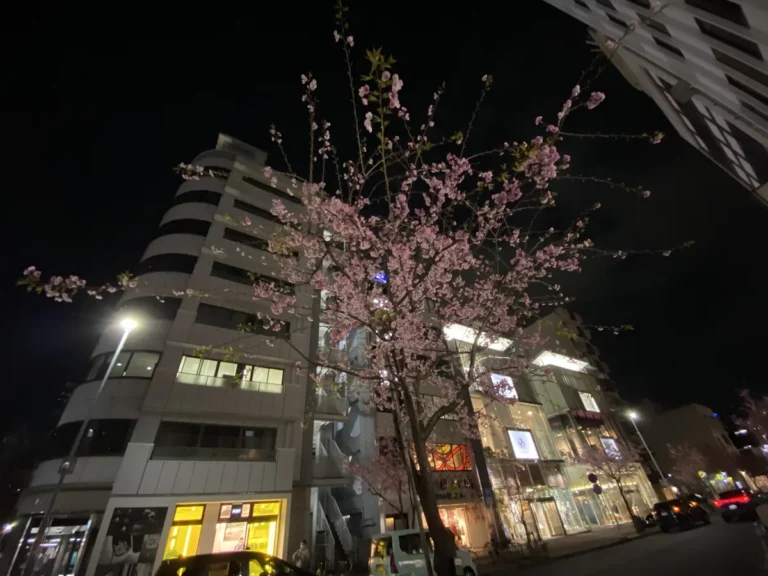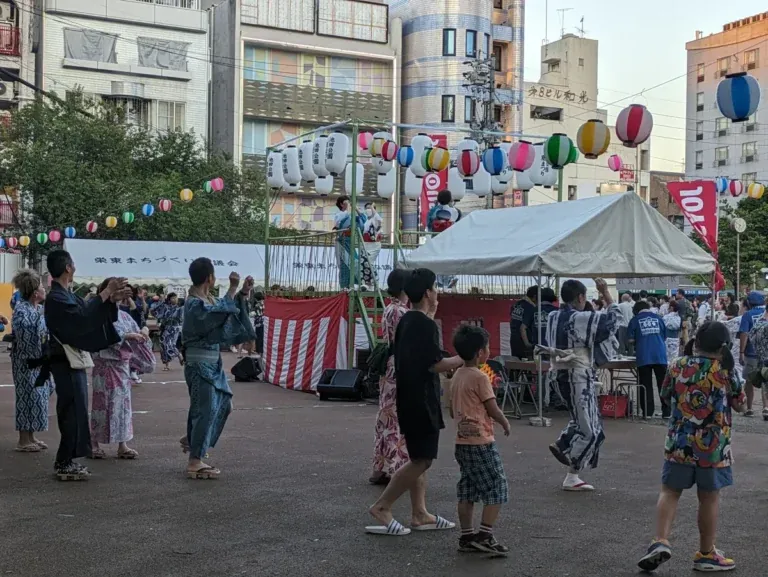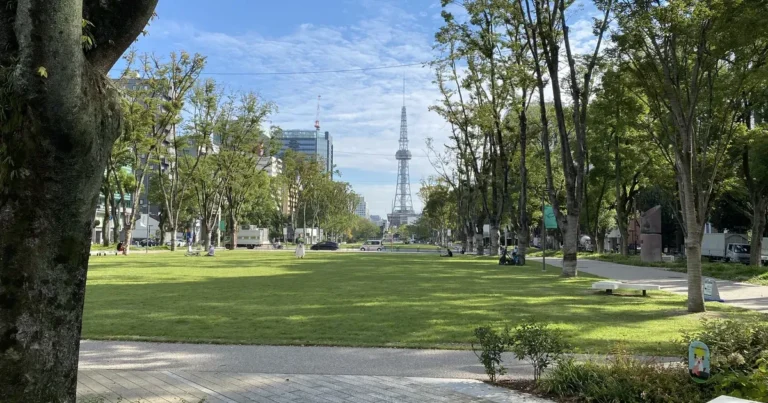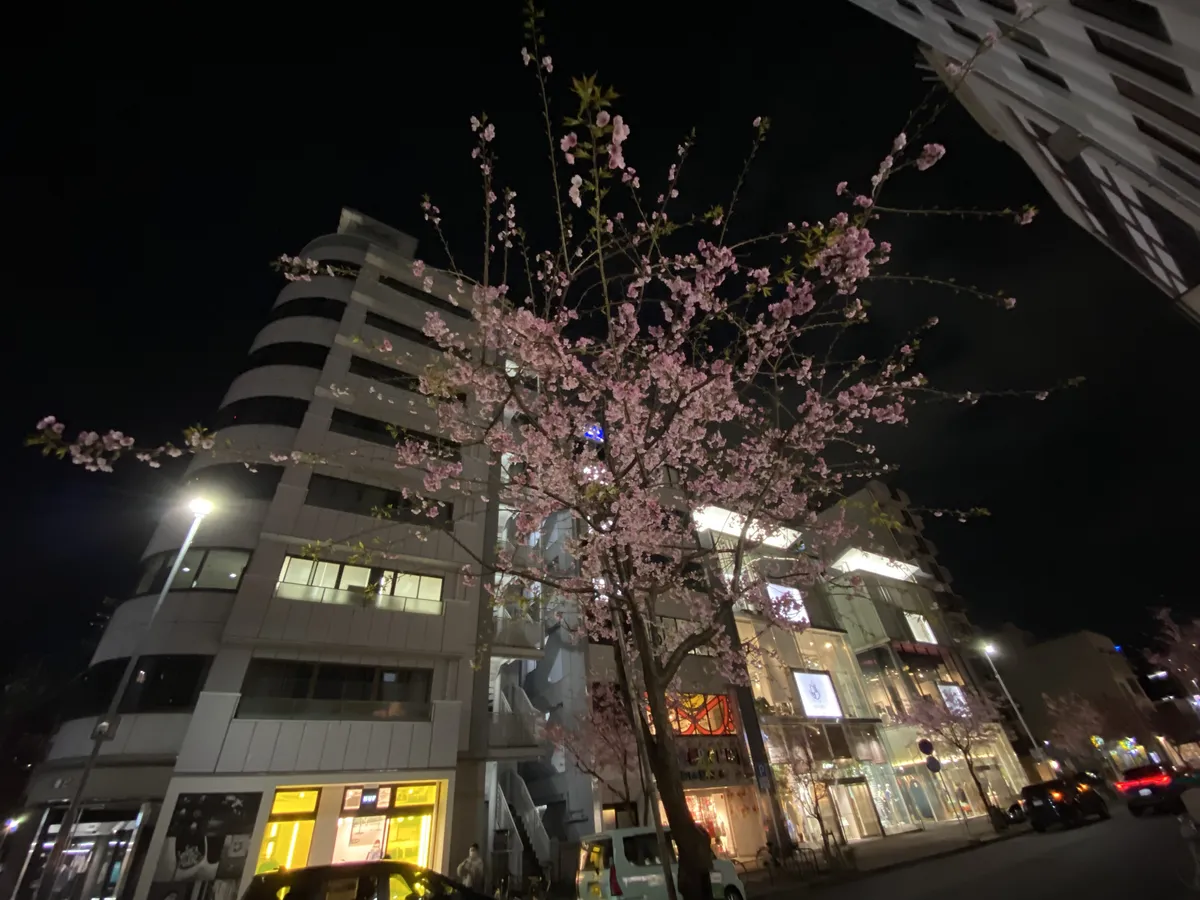
The two best windows for visiting Nagoya are late March to early May (sakura through fresh greenery) and October to mid-November (autumn leaves and the Nagoya Festival). June through August brings brutal heat — temperatures regularly exceed 35°C (95°F) — while December to February runs cold and very dry. Each season has its own pull, though: summer hosts the densest festival calendar of the year, and winter brings the Nabana no Sato illuminations and traditional New Year shrine visits. As a 35-year Nagoya local, I’ll walk you through every month of the year — the weather, the events, the crowds, and what to pack — so you can pick the trip that fits you.
Last updated: April 2026 | Author: Yuu (born and raised in Nagoya, 35 years local)
This article may contain affiliate links. See our affiliate disclosure for details.
Table of Contents
- Nagoya’s Four Seasons at a Glance
- Spring (March-May): Sakura and Fresh Greenery
- Summer (June-August): Festival Season and the Heat Problem
- Autumn (September-November): Koyo and Cultural Events
- Winter (December-February): Hatsumode and Illuminations
- Month-by-Month Detailed Guide
- What to Pack by Season
- Budget and Crowds by Season
- Practical Information
- Frequently Asked Questions
- About the Author
- Related Guides
Nagoya’s Four Seasons at a Glance
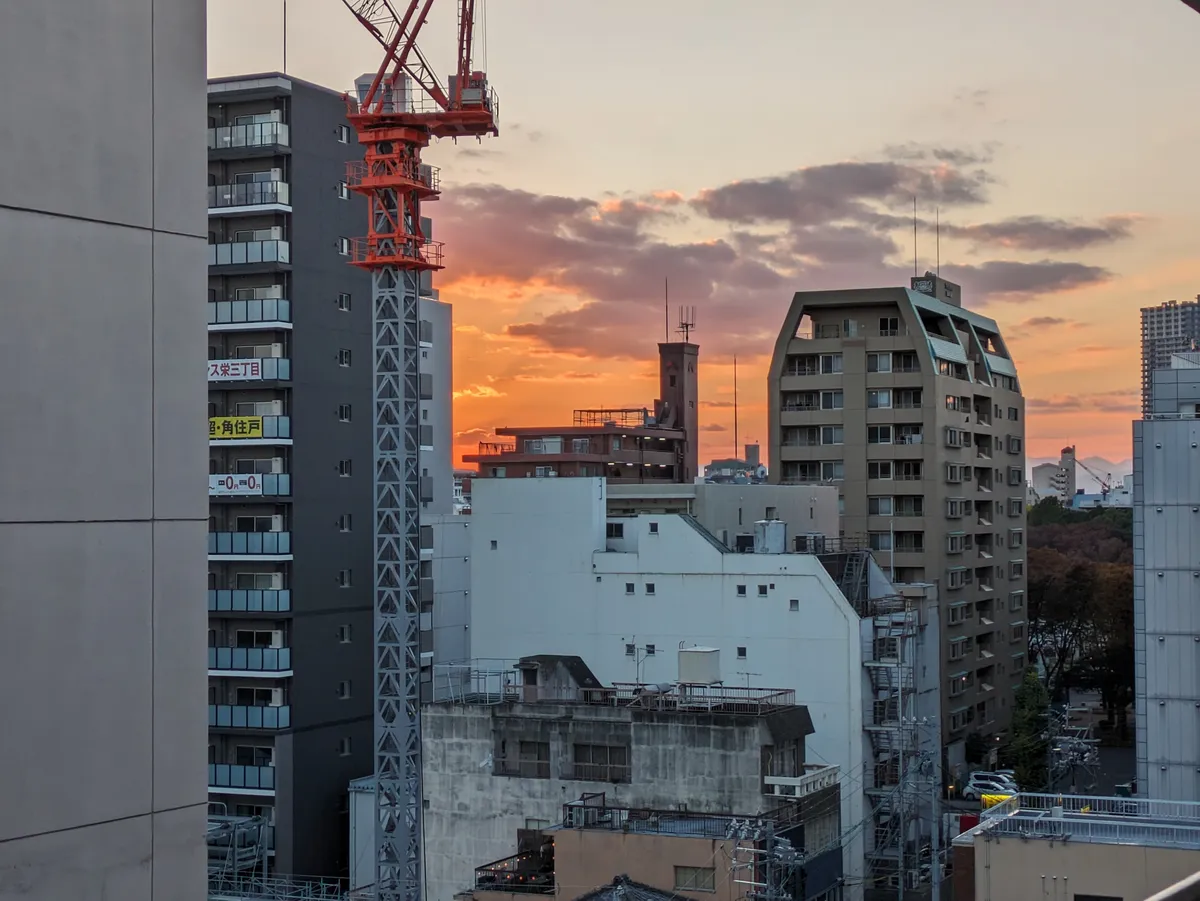
Nagoya sits in Japan’s Pacific-side climate zone, with the inland characteristics of very hot, humid summers and cold, dry winters. The annual mean temperature is 16.2°C (61.2°F), and average annual rainfall is 1,578.9mm (current 1991-2020 climate normal). That’s the technical version. The lived version, after 35 years here, is that Nagoya has two genuinely beautiful seasons (spring and autumn), one season you survive (summer), and one season you simply layer up for (winter).
Annual Best-Season Ranking
| Rank | Window | Why |
|---|---|---|
| 1st | Late March to early April | Sakura, Inuyama Festival, mild temperatures |
| 2nd | October to mid-November | Autumn leaves, Nagoya Festival (note: the 2026 edition, on October 17-18, is dropping the Nagoya Festival procession entirely — Three Unifiers pageant included — because the dates clash with the Aichi-Nagoya 2026 Asian Para Games opening ceremony and the city cannot staff security along the parade route), comfortable weather |
| 3rd | May / late September | Stable climate, fewer tourists |
| 4th | December | Christmas markets, year-end atmosphere |
| 5th | Late April / June | Fresh greenery, just before rainy season |
| Avoid | Late July to August | Brutal heat (often above 35°C / 95°F), typhoon risk |
| Avoid | January to February | Cold, dry, low-season for tourism |
Monthly Average Temperature and Rainfall
| Month | Avg Temp | Avg High | Avg Low | Rainfall |
|---|---|---|---|---|
| January | 4.8°C / 41°F | 9.3°C / 49°F | 1.1°C / 34°F | 50.8mm |
| February | 5.5°C / 42°F | 10.5°C / 51°F | 1.4°C / 35°F | 64.7mm |
| March | 9.2°C / 49°F | 14.5°C / 58°F | 4.6°C / 40°F | 116.2mm |
| April | 14.6°C / 58°F | 20.1°C / 68°F | 9.7°C / 49°F | 127.5mm |
| May | 19.4°C / 67°F | 24.6°C / 76°F | 14.9°C / 59°F | 150.3mm |
| June | 23.0°C / 73°F | 27.6°C / 82°F | 19.4°C / 67°F | 186.5mm |
| July | 26.9°C / 80°F | 31.4°C / 89°F | 23.5°C / 74°F | 211.4mm |
| August | 28.2°C / 83°F | 33.2°C / 92°F | 24.7°C / 76°F | 139.5mm |
| September | 24.5°C / 76°F | 29.1°C / 84°F | 21.0°C / 70°F | 231.6mm |
| October | 18.6°C / 65°F | 23.3°C / 74°F | 14.8°C / 59°F | 164.7mm |
| November | 12.6°C / 55°F | 17.3°C / 63°F | 8.6°C / 47°F | 79.1mm |
| December | 7.2°C / 45°F | 11.7°C / 53°F | 3.4°C / 38°F | 56.6mm |
Source: Japan Meteorological Agency — Nagoya Local Observatory, current climate normals (1991-2020 average).
After 35 years here, my honest summary is this: spring and autumn make Nagoya one of the best cities in Japan to walk around; summer makes me want to escape the city; winter is the season my skin reminds me how dry the air is. If your travel dates are still flexible, pick early April or early November. The combination of climate, scenery, and events at those two moments is hard to beat anywhere in central Japan.
Spring (March-May): Sakura and Fresh Greenery
Spring is Nagoya’s peak season for a reason. The temperatures are gentle, sakura takes the city for two weeks, and the fresh greenery (shinryoku) that follows in late April and May is honestly underrated. Yes, the crowds increase, but the quality of the days more than compensates.
Late March to Early April
- Temperature: Daytime 15-20°C (59-68°F), evenings 5-10°C (41-50°F) — bring a light jacket
- Sakura first bloom: March 22-26 (average year)
- Peak bloom: First weekend of April
- Major events: Inuyama Festival (first weekend of April), hanami at Yamazaki River, Tsuruma Park, and Meijo Park
- Crowds: 4/5 — both visitors and locals out in force
Mid-April to Early May
- Temperature: Daytime 20-25°C (68-77°F), evenings 10-15°C (50-59°F) — comfortable
- Fresh greenery: Nagoya Castle Park and Higashiyama Zoo and Botanical Gardens are at their best
- Major events: Golden Week (late April to May 5), Toyokawa Inari spring festival
- Crowds: Golden Week is brutal (avoid); the weeks before and after are quietly perfect
Spring Highlights
- Hanami: See the Nagoya Cherry Blossom Guide for spot-by-spot detail.
- Inuyama Festival: 13 wheeled floats parading alongside cherry blossoms — Inuyama is 30 minutes north of Nagoya by Meitetsu line.
- Takayama and Shirakawa-go day trip: Mountain sakura blooms a few weeks later than the city, extending the season for travelers.
- Atsuta Jingu in early summer: Walking the shrine grounds when the new green leaves come in.
For first-time foreign visitors arriving in sakura season, I always send them to the Yamazaki River cherry blossom corridor. The stretch near Mizuho Athletic Stadium is my personal favorite section — students walking the riverbank, the canopy of pale pink overhead, the slow current of the river beneath. It is, in one image, what spring in Japan looks like in my head.
Walking that same river every spring for years has produced one quiet, recurring thought: how many more peak blooms will I see in this life? The fragility of the petals — the fact that the perfect moment lasts about four days — is not a sad thought. It’s the thought that turns sakura from a photo opportunity into something closer to gratitude. I hope foreign visitors don’t just photograph the trees and move on. The reason locals feel so deeply about sakura is not the color — it’s the implicit reminder that this is borrowed time, and you should be present for it.
Within the city, I also use Tsuruma Park and Meijo Park differently. Tsuruma is the daytime party spot — the largest collection of food stalls anywhere in the city, the widest age range of hanami groups, and a level of energy that, if you go with family or work colleagues, becomes genuinely fun in spite of the crowds. But personally I’m not great with dense crowds, so my preferred move is Meijo Park at night. Meijo at night is comparatively quiet, and the sakura blooming at the foot of Nagoya Castle is a view you can only get here. That night-castle-and-blossoms combination is exactly what I want foreign visitors to see.
Summer (June-August): Festival Season and the Heat Problem
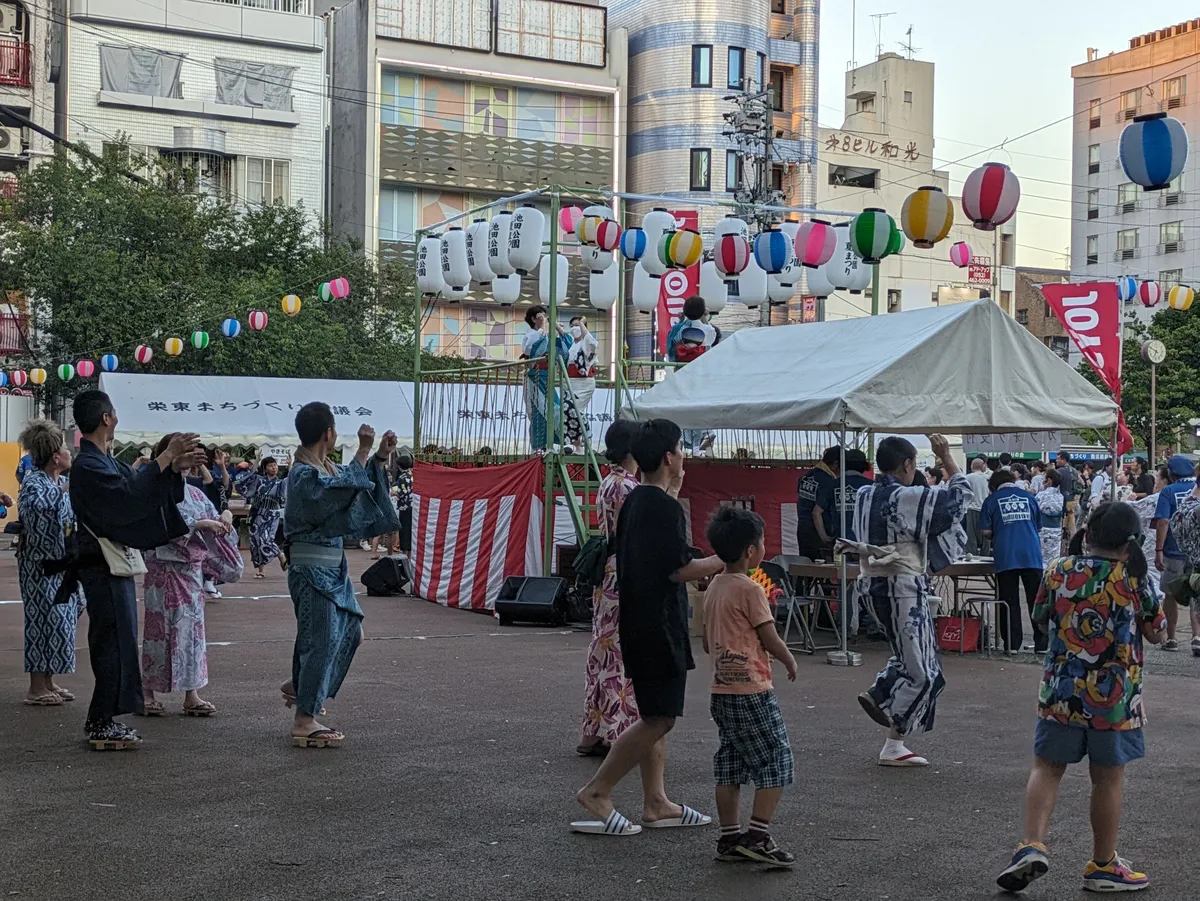
Summer is the season of brutal heat (often exceeding 35°C / 95°F) and the densest festival calendar of the year. If you can manage the heat, the cultural offer is extraordinary. If you cannot, this is the one stretch of the year I would actively redirect you away from.
June (Rainy Season and Early Summer)
- Temperature: Daytime 25-28°C (77-82°F), high humidity
- Rainy season: Around June 6 to July 19 (Tokai regional averages)
- Major events: Atsuta Festival (June 5), hydrangea blooms at temples around the prefecture
- Crowds: 2/5 — fewer tourists thanks to the rain, which actually makes June a sleeper window
July
- Temperature: Daytime 28-33°C (82-91°F); after the rainy season ends, heat ramps fast
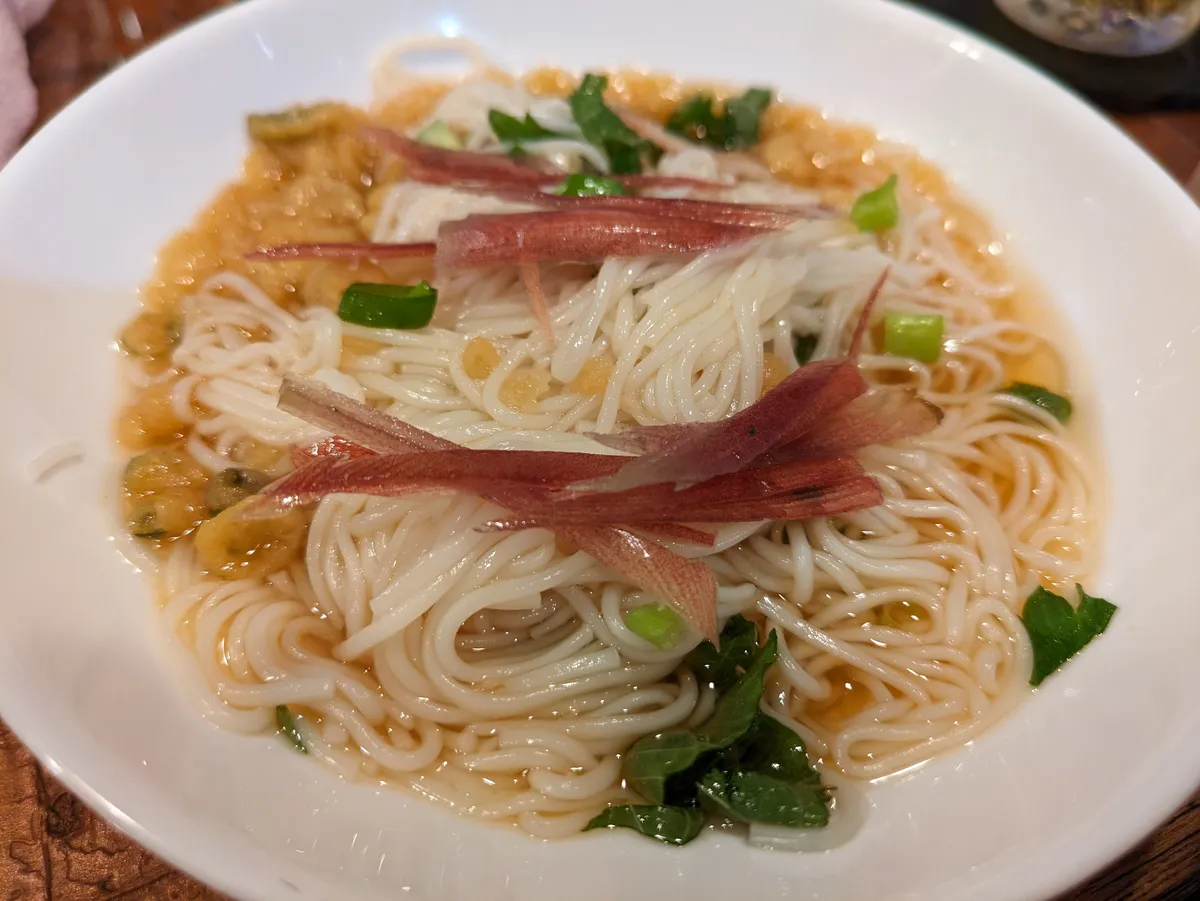
- Major events: Owari Tsushima Tenno Festival (fourth weekend of July); Osu Summer Festival begins the following week in early August
- Caution: The first week after rainy season often brings concentrated downpours and flash flooding
August (Peak Heat)
- Temperature: Daytime 32-37°C (90-99°F) — the hottest stretch of the year, with tropical nights
- Major events: World Cosplay Summit (early August), Nagoya Minato Festival (Marine Day national holiday, July — not August), Nippon Domannaka Matsuri (Domatsuri) (late August)
- Crowds: 5/5 during festival weekends
The defining feature of Nagoya summer is the combination of high humidity and tropical nights — the overnight low stays above 25°C (77°F). Locals get through it with a small set of habits:
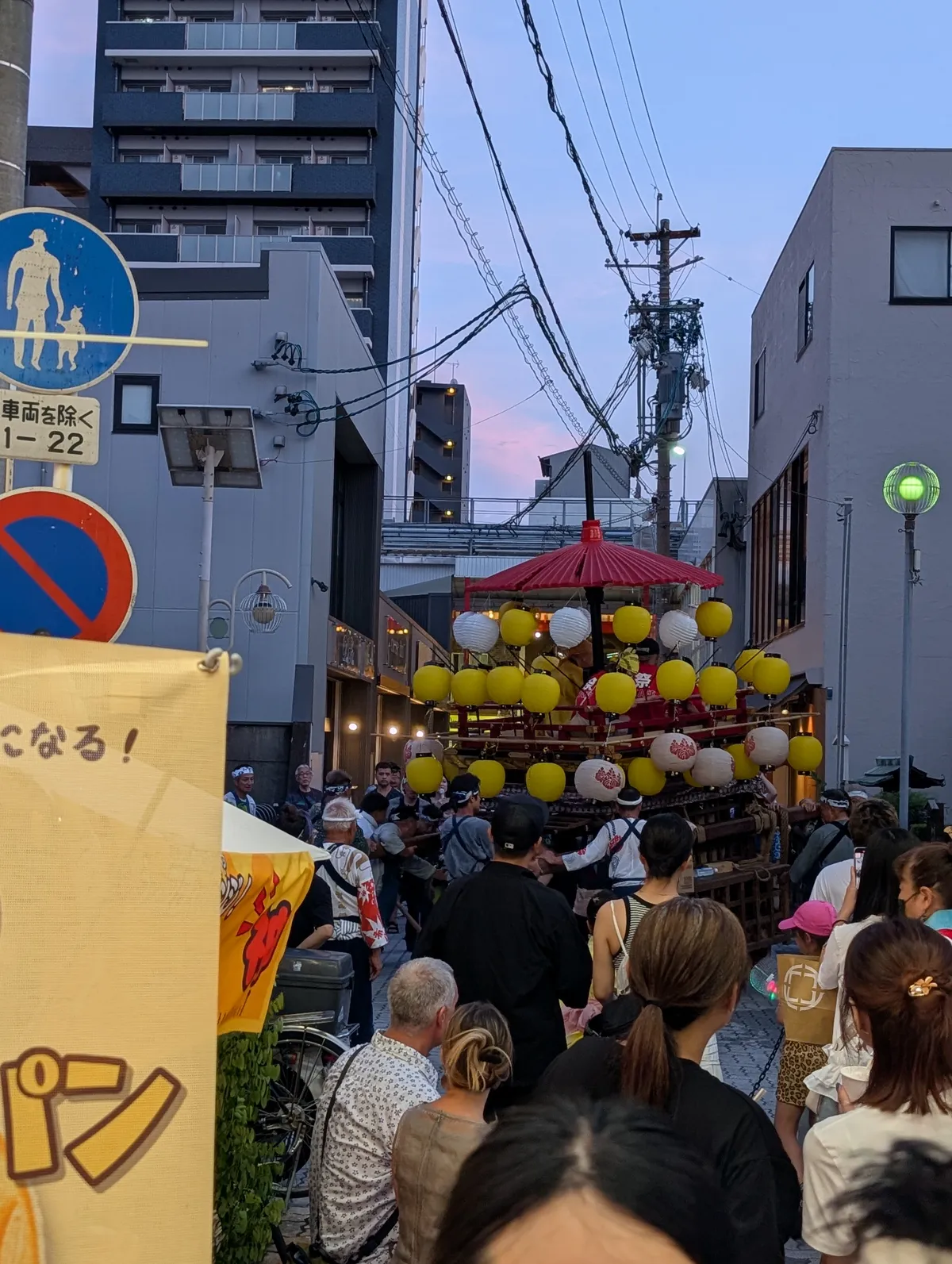
- Eat cold noodles — somen, zaru soba, hiyashi udon — at lunch and dinner
- Visit a local udon shop for cold udon as a midday reset
- Stay indoors as much as possible — the heat is genuinely dangerous in midday
- Skip the impulse to flee to a cooler region; it’s more practical to spend the worst hours in your hotel, a museum, or a mall
Summer Highlights
- World Cosplay Summit: The world’s largest international cosplay competition, held in central Nagoya.
- Central Japan Festival Calendar: A complete listing of summer festivals in the region.
- Port of Nagoya Public Aquarium: The default indoor escape — air-conditioned, world-class, family-friendly.
- Gujo Odori (July-September): In Gujo, Gifu Prefecture — an all-night dance festival you can join in person.
Summer Cautions
- Heatstroke risk: Constant hydration is non-negotiable. Concentrate sightseeing in early morning and late evening.
- Typhoon risk: August through September is typhoon season. Check the forecast a week before flying in.
- Hotel rate spikes: Festival weekends can push rates roughly 2x normal.
For specific festival detail, see the Nagoya Minato Festival and World Cosplay Summit listings.
Autumn (September-November): Koyo and Cultural Events
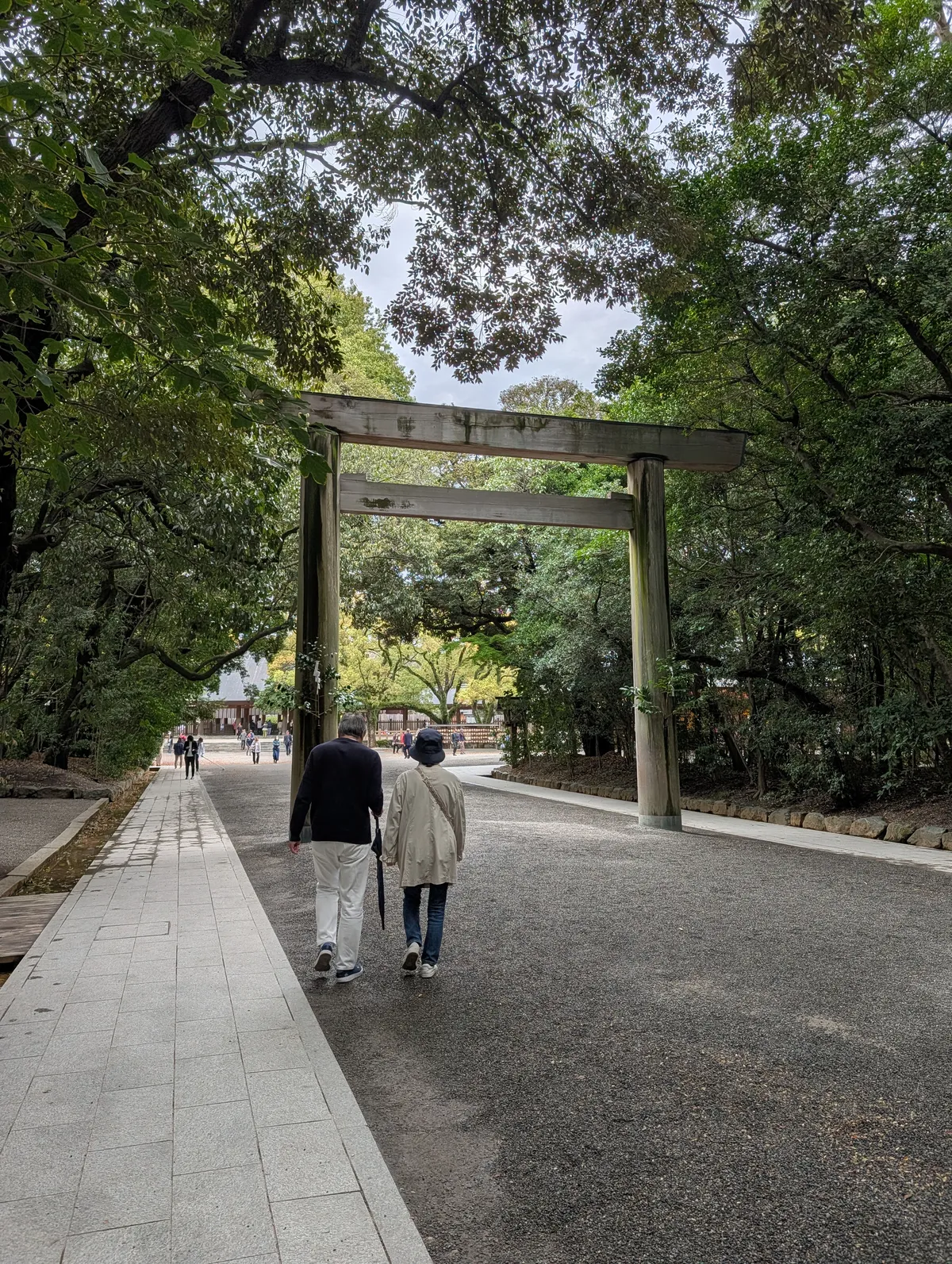
Autumn is Nagoya’s second-best season after spring, and depending on what you want from a trip, it might actually be the better choice. The weather is the most stable of the year, and you can pair the autumn leaves (koyo) with the Nagoya Festival in a single visit.
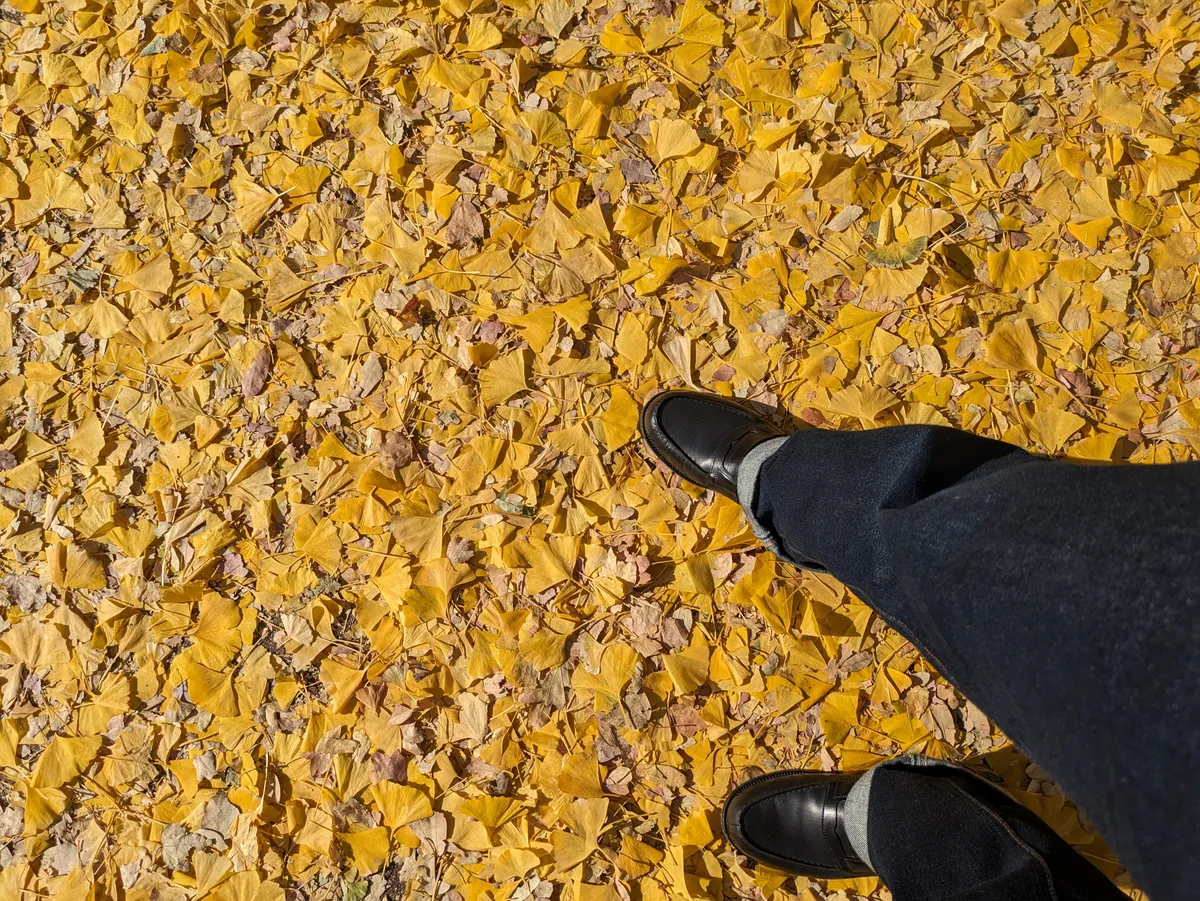
September (Late Summer Heat)
- Temperature: Daytime 24-29°C (75-84°F); mornings and evenings finally cool down
- Rainfall: Heaviest of the year (231.6mm), with continued typhoon risk
- Major events: Domatsuri (held the last weekend of August — August 28-30 in 2026 — so it just misses September), Seto Pottery Festival (second weekend of September)
- Crowds: 2/5 — the lingering heat keeps tourist numbers down
October (Best Season)
- Temperature: Daytime 18-23°C (65-74°F), evenings 13-15°C (56-59°F) — the most comfortable stretch of the year
- Major events: Nagoya Festival (October 17-18, 2026 — held without its usual procession this year), Takayama Festival Autumn (October 9-10)
- Crowds: 4/5 — Nagoya Festival weekend is genuinely packed in central Sakae and around Nagoya Castle
November (Peak Koyo)
- Temperature: Daytime 12-17°C (54-63°F), evenings 7-10°C (45-50°F) — bring a proper jacket
- Koyo peak: Mid-November to early December in the city; mid-to-late November in the hills
- Major events: Shichi-Go-San (around November 15), autumn-leaf viewing across the region
- Crowds: 4/5 at major leaf-viewing spots
Autumn Highlights
- Nagoya Festival (October 17-18, 2026): Normally headlined by the “Three Heroes” parade (Nobunaga, Hideyoshi, Ieyasu), the city’s largest annual civic event — but the 2026 edition drops the procession entirely and centers on Hisaya Odori Park instead (Source).
- Korankei autumn leaves: In Asuke, Toyota City — the largest koyo destination in central Japan.
- Higashiyama Botanical Gardens autumn: Easy in-city koyo without leaving Nagoya proper.
- Takayama Festival Autumn: Possible as a Nagoya day trip via the JR Hida Limited Express.
Korankei is the autumn-leaf destination I have the longest history with. I started going during my university years — the campus was nearby — and I kept going after I started working, often bringing visiting clients during koyo season. Driving is the way to go if you can manage it; the road in is part of the appeal — the cool mountain air on the way up, the gradual color change of the surrounding hillsides, the genuinely good driving. Peak weekend traffic is no joke (the volume of people gets serious), so my honest recommendation is to visit on a weekday, or early in the morning, or late in the afternoon. The trees still glow at 4 PM and the parking lots actually have space.
Autumn Cautions
- September typhoons: Check typhoon forecasts a week before your arrival.
- November temperature swings: Day-to-evening temperature can shift nearly 15°C (27°F). Layers are essential.
Winter (December-February): Hatsumode and Illuminations
Winter is the city’s tourist low season, but it has its own quiet pull: hatsumode (first shrine visit of the year), Christmas markets, and the famous Nabana no Sato illuminations.
December (Christmas and Year-End)
- Temperature: Daytime 9-12°C (48-54°F), evenings 2-5°C (36-41°F)
- Major events: Christmas markets at Oasis 21 and around Sakae, Nabana no Sato illuminations (running roughly late October to late May)
- Crowds: 3/5 — peaks around Christmas and New Year’s Eve
January (Hatsumode and Coldest Stretch)
- Temperature: Daytime 8-10°C (46-50°F), evenings 0-2°C (32-36°F) — the coldest of the year
- Major events: Hatsumode at Atsuta Jingu, nanakusa-gayu (seven-herb rice porridge), Coming-of-Age Day
- Crowds: The first three days of January are jammed; everything calms down sharply afterward
February (Hint of Spring)
- Temperature: Daytime 9-11°C (48-52°F), evenings 1-3°C (34-37°F)
- Major events: Osu Kannon Setsubun-e (February 3), Valentine’s Day
- Crowds: 1/5 — the quietest month of the year
Winter Highlights
- Atsuta Jingu hatsumode: The largest first-shrine visit in central Japan, drawing over 2 million people annually.
- Nabana no Sato illuminations: Among the largest in Japan — go with someone.
- Osu Kannon Setsubun-e: A public bean-throwing event on Setsubun (typically February 3), open to anyone for a 3,500-yen prayer fee.
- Christmas markets: Oasis 21, Hisaya Odori Park.
Nabana no Sato is the kind of place that really should be visited with company — family, a partner, or friends. Solo it can feel a little lonely. The illuminations are beautiful any night of the season, but the way I usually recommend planning it is to pair it with a Nagashima Spa Land day and stop in on the way back. That way you get a full, satisfying day instead of a long trip out for a single venue.
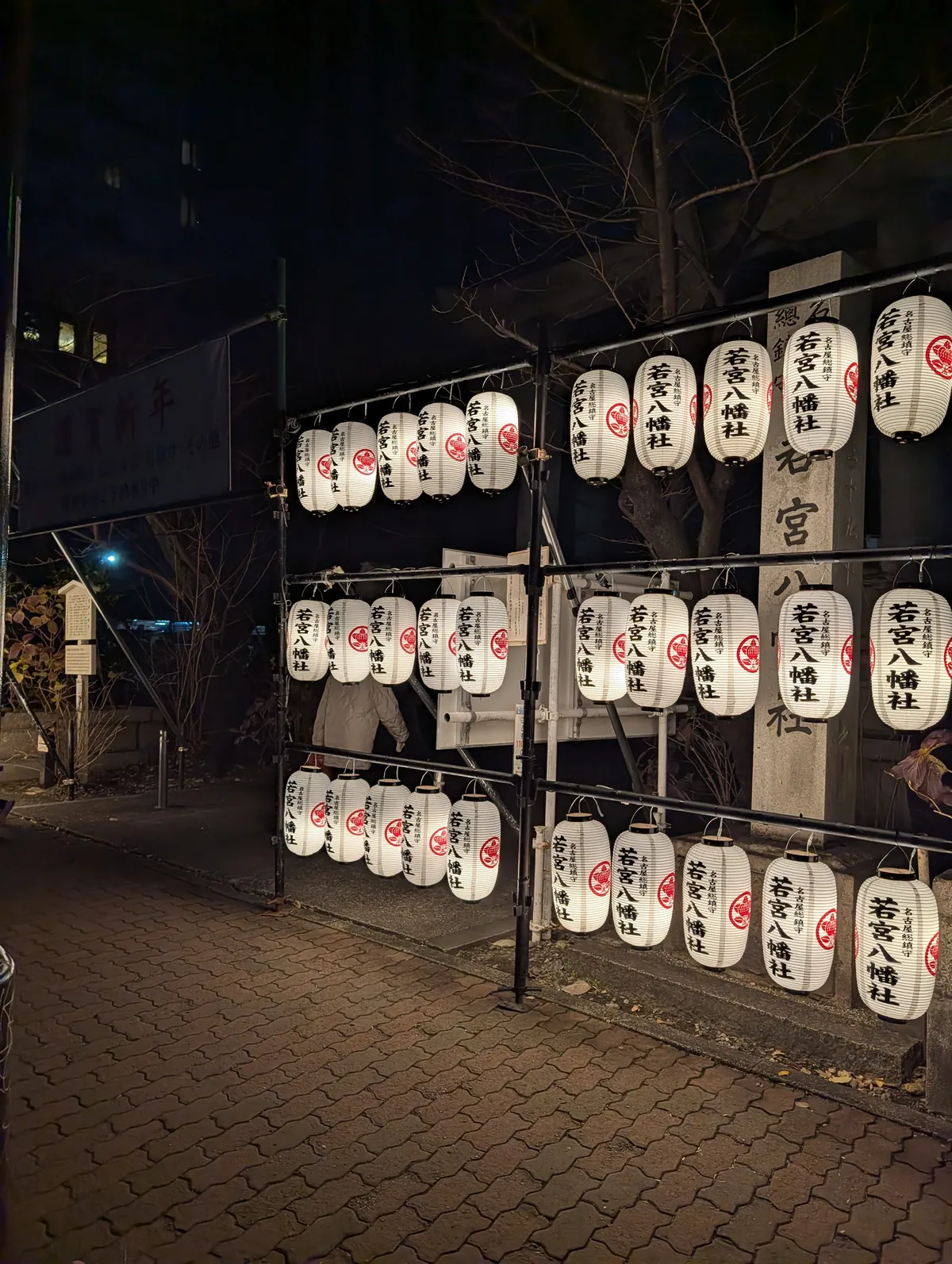
My own New Year routine in Nagoya is fixed and unchanging. On December 31, late night, I go to Wakamiya Hachiman Shrine in Sakae for the joya no kane (the bell ringing in the new year) — a historic shrine right in the center of the entertainment district, and my annual ritual. I deliberately skip the chaos of the first three days. Instead, I make my real hatsumode at Atsuta Jingu on the day businesses reopen for the year (early January), praying for the year’s work. By then, the famous shrine has cleared out, but the festival food stalls are still up, the crowd is mostly local businesspeople, and the atmosphere is calm and somehow more genuine. For foreign visitors who happen to be in Nagoya for New Year’s, my honest recommendation is not “go to Atsuta on January 1-3,” but “go to Atsuta on January 4 or after”. You’ll dodge the worst of the crowds and experience hatsumode the way locals actually do it.
Winter Cautions
- Dryness: Winter air here is genuinely dry. Nagoya’s monthly mean humidity falls from 66% in December to 60% in February, and daytime readings run well below those monthly averages — bring lip balm, hand cream, and moisturizer.
- Snow: A few light snowfalls per year, almost no accumulation.
- New Year closures: Many restaurants close from December 30 through January 3.
Month-by-Month Detailed Guide
If your dates are already locked, here is a quick highlight sheet for every month of the year.
January: Hatsumode and Coldest Stretch
- Highlights: Atsuta Jingu hatsumode, New Year atmosphere
- Sightseeing rating: 2/5
- Watch out for: Cold, dryness, restaurant closures (verify reopening dates after January 3)
February: Quietest Month and Setsubun
- Highlights: Osu Kannon Setsubun-e (February 3)
- Sightseeing rating: 1/5
- Upside: Hotel rates at their annual lowest, sights pleasantly empty
March: Cherry Front Arrives, Spring Begins
- Highlights: Sakura first bloom in late March, Hinamatsuri (Doll Festival) decorations
- Sightseeing rating: 4/5
- Tip: Aim to land after March 22 if you want sakura
April: Hanami Peak and Spring Festivals
- Highlights: Sakura at Yamazaki River, Tsuruma Park, Meijo Park; Inuyama Festival (first weekend)
- Sightseeing rating: 5/5 (best of the year)
- Watch out for: Golden Week from late April — extreme crowds and price spikes
May: Fresh Greenery, Comfortable
- Highlights: Fresh greenery, Toyokawa Inari spring festival, wisteria blooms
- Sightseeing rating: 4/5
- Tip: Outside Golden Week, May is the city’s most underrated month
June: Rainy Season Starts, Hydrangea
- Highlights: Atsuta Festival (June 5), hydrangea, first half of rainy season
- Sightseeing rating: 2/5
- Upside: Few tourists, hotel rates drop noticeably
July: Summer Proper, Festival Season Opens
- Highlights: Owari Tsushima Tenno Festival (fourth weekend); Osu Summer Festival opens the following weekend, in early August
- Sightseeing rating: 3/5
- Watch out for: Brutal heat once rainy season ends
August: Peak Heat, Maximum Festival Density
- Highlights: World Cosplay Summit, Osu Summer Festival, Domatsuri
- Sightseeing rating: 4/5 (excellent for festival lovers)
- Watch out for: 35°C+ (95°F+) heat, mandatory heatstroke precautions
September: Late Summer and Typhoons, Cultural Events
- Highlights: Seto Pottery Festival, Respect for the Aged events
- Sightseeing rating: 2/5
- Upside: Lingering heat keeps crowds down, hotel rates drop
October: Autumn Best Season
- Highlights: Nagoya Festival (third weekend), Takayama Festival Autumn (9-10)
- Sightseeing rating: 5/5 (tied with spring)
- Tip: If your dates are flexible, early October is my top recommendation
November: Koyo Peak
- Highlights: Korankei, Tokugawa-en, Higashiyama Botanical Gardens autumn leaves
- Sightseeing rating: 4/5
- Watch out for: Day-to-night temperature swings — layer up
December: Year-End and Illuminations
- Highlights: Christmas markets, Nabana no Sato, year-end mood
- Sightseeing rating: 3/5
- Watch out for: Many restaurants close for New Year — verify in advance
What to Pack by Season
Spring (March-May)
- Daytime: Shirt plus cardigan or light jacket
- Evening: Light coat
- Bring: Folding umbrella (rain is common even before rainy season), sunscreen
Summer (June-August)
- Daytime: T-shirts, shorts or skirts
- Indoors: Light layer (Japanese air-con is aggressive)
- Bring: Sun parasol, hat, water bottle (heatstroke prevention), folding umbrella
Autumn (September-November)
- September: Short sleeves with a light layer
- October: Long-sleeve shirt plus cardigan
- November: Sweater plus coat (significant day-night swings)
- Bring: A layerable wardrobe
Winter (December-February)
- Daytime: Sweater plus heavy coat, scarf
- Evening: Down jacket, gloves, knit cap
- Bring: Lip balm, hand cream (the dryness is real)
Budget and Crowds by Season
Hotel Rate Variation Through the Year
| Period | Hotel Rate Movement | Crowds |
|---|---|---|
| Mid-January to February | -20 to -30% (cheap) | Lowest of the year |
| Early March | Normal | Normal |
| Late March to early April (sakura) | +20 to +40% | High |
| Golden Week (late April to May 5) | +50 to +100% | Extreme |
| May to June | Normal to -10% | Lower |
| Summer holidays (late July to August) | +20 to +50% | High |
| September to early October | Normal | Normal |
| Nagoya Festival weekend (third weekend of October) | +30 to +50% | High |
| Mid-November (koyo) | +20 to +30% | High |
| Late December to January 3 (New Year) | +40 to +80% | Extreme |
Crowd Peaks at Major Sights
- Sakura spots (first weekend of April): Yamazaki River, Tsuruma Park
- Nagoya Festival (third weekend of October): Sakae, Nagoya Castle
- Koyo spots (mid-to-late November): Korankei, Higashiyama
- Hatsumode (January 1-3): Atsuta Jingu, Osu Kannon
The Cheapest Time to Visit
- Mid-January to February: Annual lowest hotel rates, sights mostly empty
- June: Few tourists thanks to rainy season; hotel rates drop
- Early September: Post-summer-holiday quiet, in exchange for typhoon risk
Practical Information
| Best annual seasons | Late March to early April; October to early November |
| Seasons to avoid | Late July to August (heat); Golden Week (late April to May 5); New Year |
| Cheapest seasons | Mid-January to February; June; early September |
| Sakura first bloom (average) | March 22-26 |
| Koyo peak | Mid-November to early December (city); mid-to-late November (Korankei) |
| Rainy season | Around June 6 to July 19 (Tokai average) |
| Typhoon risk | September to early October |
| First snow (average) | Mid-December (December 18) |
| Annual mean temperature | 16.2°C / 61.2°F |
| Record high | 40.3°C / 104.5°F (August 3, 2018) |
| Record low | -10.3°C / 13.5°F (January 24, 1927) |
Source: Japan Meteorological Agency — Nagoya station climate records.
Frequently Asked Questions
What is the best month to visit Nagoya?
Early April or mid-to-late October. Early April brings full sakura and a mild climate; mid-to-late October pairs autumn leaves with the Nagoya Festival in a single golden window. Both sit at a comfortable 15-20°C (59-68°F) and only need light layers. If budget is your priority, June (rainy season, lower hotel rates, quieter sights) is a strong alternative. The one stretch to actively avoid is late July through August, when heat above 35°C (95°F) is normal. If your dates are flexible, picking from those two prime windows produces the highest-satisfaction trip.
Should I avoid visiting during the June rainy season?
Not necessarily — June is actually a hidden value window. Yes, June rainfall is 186.5mm (the third-highest month, after September and July), but full all-day downpours are rare; the typical pattern is sunny mornings and afternoon showers. Tourist numbers drop, so hotel rates fall 20-30% and major sights are noticeably less crowded. On rainy days, indoor venues — Port of Nagoya Public Aquarium, Tokugawa Art Museum, SCMaglev and Railway Park — are more than enough to fill a satisfying day. Bring a folding umbrella and June becomes ideal for budget-conscious travelers.
How hot does Nagoya summer get?
Annual highs of 35-37°C (95-99°F) are routine, with a felt temperature near 40°C (104°F). Humidity sits at 70-80% and tropical nights (where the temperature does not drop below 25°C / 77°F) are normal. Even locals avoid being outdoors at midday in summer. If you do visit, concentrate sightseeing in the 6-10 AM and post-5 PM windows, and use indoor venues (museums, aquarium, malls) during the worst of the day. Hydration, sunscreen, and cooling goods are non-negotiable.
When is autumn leaf (koyo) season, and is Korankei crowded?
Inside Nagoya city, peak koyo runs from mid-November into early December; suburban Korankei peaks a little earlier, mid-to-late November. Korankei (Asuke, Toyota City) is the largest koyo destination in central Japan, with around 4,000 maple trees turning at once. Even weekday crowds are heavy, and peak weekends bring 8 AM parking-lot fill and 5-10km of road backup. As a local, I strongly recommend a weekday arrival by 7 AM, or arriving after 4 PM. Public transport is no magic bypass either — the buses run on the same congested roads. The Asuke Tourism Association warns that on November weekends and holidays the journey can take over two hours and advises coming on a weekday, and on the busiest days buses terminate at Asuke Bridge, about a 10-minute walk short of Korankei. A seasonal nonstop bus also runs from Yakusa Station in the second half of November (1,000 yen for adults, no service on Wednesdays or Thursdays) (Source).
Does it snow in Nagoya in winter?
Snow inside Nagoya city is light and infrequent — the annual normal total snowfall is about 12cm, and the average deepest snow cover of the whole winter is only about 7cm. If you want a real Japanese snow landscape, day-trip to Shirakawa-go or Hida Takayama in the mountains. Nagoya itself has dry, windy winters — daytime 8-12°C (46-54°F), evening 0-5°C (32-41°F). For a “snowy Japan” experience from a Nagoya base, mid-December to mid-February in Takayama or Shirakawa-go is ideal. The JR Hida Limited Express reaches Takayama in about 2.5 hours from Nagoya Station.
Is Golden Week a good time to visit?
Honestly, no — I do not recommend Golden Week. The April 29 to May 5 holiday cluster sees the entire country travel domestically. Hotels run 1.5-2x normal, every Shinkansen seat is reserved (and frequently sold out), tourist sites are packed, and restaurants take reservations only. For a comparable spring trip, target the first or second week of April (sakura plus pre-Golden-Week calm) or mid-to-late May (post-Golden-Week fresh greenery). If Golden Week is unavoidable, lock in hotels and Shinkansen at least three months ahead.
About the Author
Yuu was born and raised in Nagoya and has lived there for 35 years. He has experienced 35 cycles of the city’s four seasons and knows both the appeal and the difficulty of each. His relationship with the city’s seasons spans university trips to Korankei in autumn, high-school sakura walks along the Yamazaki River, and current life inside the festival culture of the Osu shopping district. He writes from the perspective of a local who can recommend the right season to a foreign visitor based on what they actually want from the trip.
Related Guides
- Nagoya Cherry Blossom Guide — How to make the most of spring in Nagoya, spot by spot.
- Central Japan Festival Calendar — A season-by-season festival breakdown for the wider region.
- Nagoya 3-Day Itinerary — A sightseeing plan that works in any season.
- Japan Travel Essentials: Central Japan — Packing, transport, and basics for a first trip.
- Where to Stay in Nagoya — A neighborhood and seasonal hotel-booking strategy.
- Nagoya to Takayama and Shirakawa-go Day Trip — How to access the mountain snow country in winter, or mountain sakura in late April.