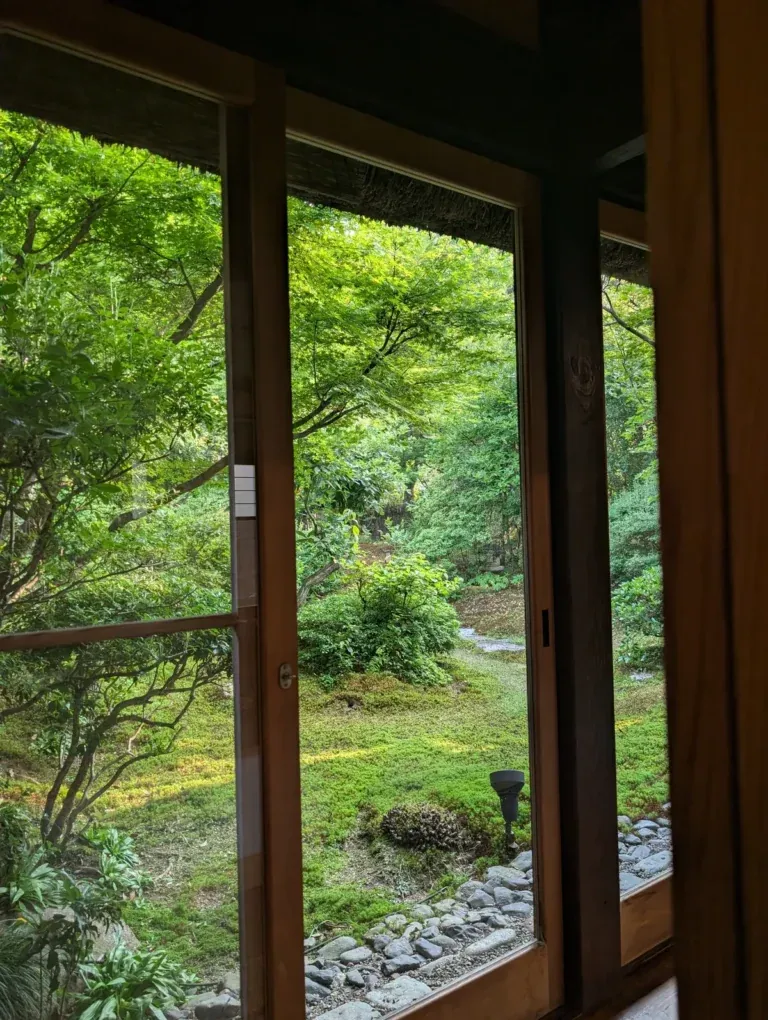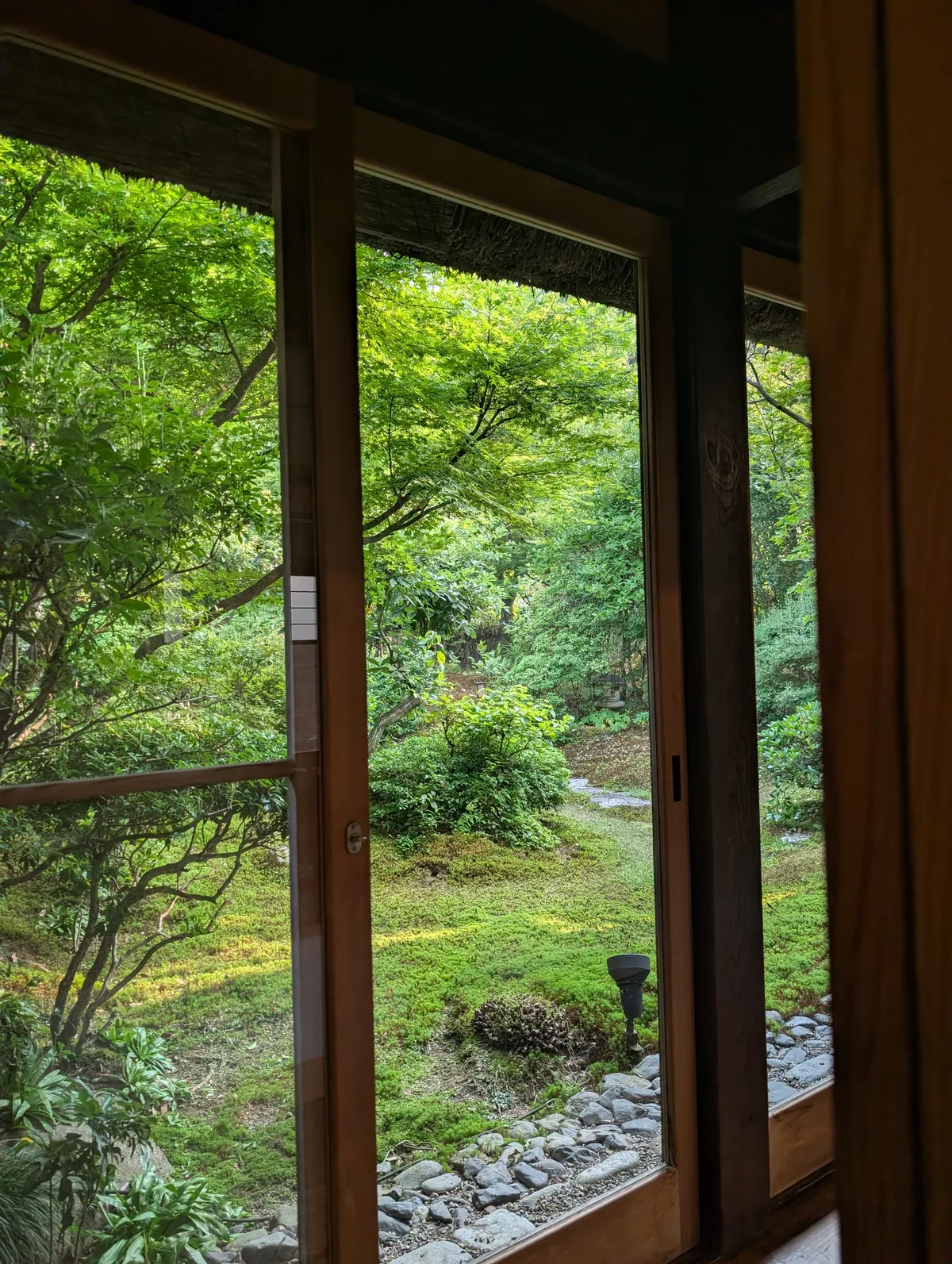
Within one to two hours by train from Nagoya, you reach some of Japan’s most respected hot-spring towns. Gero Onsen in Gifu (one of the country’s “Three Great Onsen”), Yunoyama Onsen in Mie, and the Gamagori, Mitani, and Nishiura onsen on Aichi’s Mikawa Bay each have long-established ryokan — traditional Japanese inns where you can experience yukata, kaiseki cuisine, and the nakai-san hospitality culture that defines old-school Japanese travel. As a 35-year Nagoya local who has guided friends, former colleagues, and international classmates to all three areas, this guide breaks down which ryokan to choose, how to book, and what to expect. Typical rates run ¥15,000 to ¥60,000 per person, per night, with two meals included.
Last updated: April 2026 | Author: Yuu (born and raised in Nagoya, 35 years local)
This article may contain affiliate links. See our affiliate disclosure for details.
Table of Contents
- Ryokan Country Around Nagoya: The Big Picture
- Top 4 Ryokan in Gero Onsen
- Top 3 Ryokan in Yunoyama Onsen
- Top 3 Ryokan in Gamagori, Mitani & Nishiura
- Ryokan Culture 101: Yukata, Kaiseki, Nakai-san
- Things Foreign Guests Often Get Wrong
- How to Book and How to Save
- Access Comparison from Nagoya Station
- Practical Information
- Frequently Asked Questions
- About the Author
- Related Guides
Ryokan Country Around Nagoya: The Big Picture
From a Nagoya base, four major onsen districts sit within a one-to-two-hour train ride. Each one has its own personality, and depending on what you want out of the trip — mountain quiet, coastal sunsets, or a polished cultural-property hotel — the right answer changes.
The onsen towns within reach
| Onsen district | Prefecture | From Nagoya | Character |
|---|---|---|---|
| Gero Onsen | Gifu | 1 hr 30 min by JR Wide View Hida | One of Japan’s “Three Great Onsen”; mountain hot-spring town with many traditional ryokan |
| Yunoyama Onsen | Mie | 1 hr 10 min by Kintetsu + bus | 1,300-year history; mountain onsen at the foot of Mount Gozaisho |
| Gamagori Onsen | Aichi | Approx. 48 min by JR Tokaido Line | Coastal onsen; sunsets over Mikawa Bay and fresh sashimi |
| Mitani Onsen | Aichi | 1 hr 5 min by JR | The most historic of the Gamagori-area onsen towns |
| Nishiura Onsen | Aichi | 1 hr 10 min by JR | Cliff-side onsen with sweeping Mikawa Bay views |
| Nagashima Onsen | Mie | 1 hr by Meitetsu bus | Large-scale resort-style onsen complex |
What makes ryokan around Nagoya different
Compared with Kyoto or Hakone, ryokan in this region are noticeably more affordable. The mainstream price band is ¥15,000 to ¥40,000 per person per night including dinner and breakfast, and even the upper tier of luxury properties typically tops out around ¥50,000 to ¥60,000. Outside the major holiday weeks, you can usually still secure a room one or two weeks ahead, which is rare for the famous Kyoto or Hakone ryokan. For foreign visitors, the access-to-budget ratio here is unusually good.
[Author’s take] All three of the major onsen districts — Gero, Yunoyama, and Gamagori — sit within day-trip range from where I live in Nagoya. The character of each is genuinely different, and I tend to recommend them by purpose. If you only have one night to spend in a Japanese onsen ryokan, choose Gero Onsen — it has the deepest concentration of classic ryokan and the strongest hot-spring town atmosphere. If you want a quieter, mountain-feel trip, choose Yunoyama. If you want a coastal onsen with fresh seafood kaiseki, choose Gamagori. Built into a Nagoya itinerary on day two or three, a ryokan night turns “city sightseeing” into “city plus genuine cultural experience” — and that combination is the actual reason to use Nagoya as a base.
Source: Japan Tourism Agency regional onsen rankings — Gero Onsen sits consistently in the national top ten.
Top 4 Ryokan in Gero Onsen
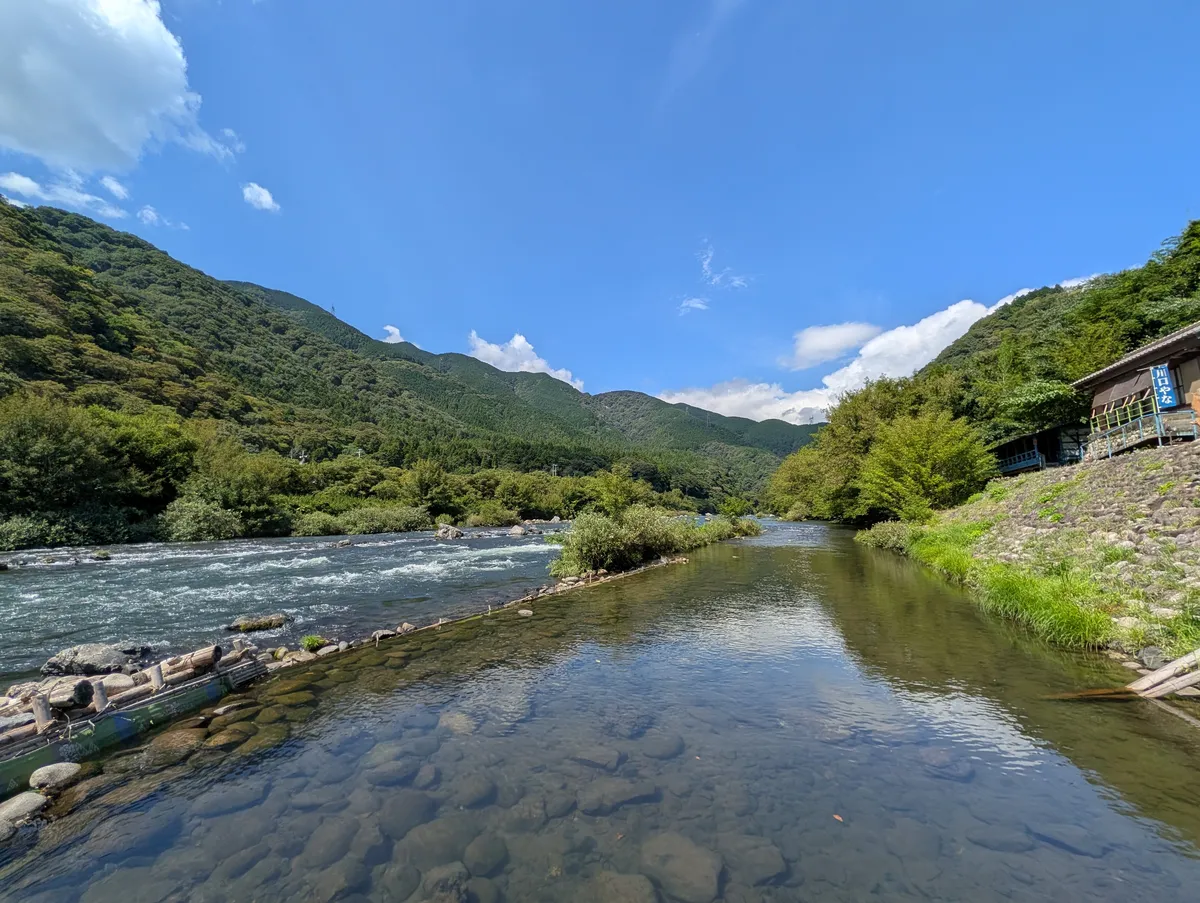
Gero Onsen (下呂温泉), in Gifu Prefecture, is one of Japan’s “Three Great Onsen” alongside Arima and Kusatsu. The town sits in a mountain valley along the Hida River, and a high concentration of long-established ryokan line both banks. If you only get one onsen night on your trip, this is the area I most often steer first-time visitors toward.
1. Suimeikan (水明館)
The signature ryokan of Gero Onsen. Founded in 1932, Suimeikan is the property local taxi drivers and JR staff name first when you mention Gero. In May 2006, Their Majesties the Emperor and Empress (then Emperor Akihito and Empress Michiko) stayed here while attending the National Tree-Planting Festival.
- Price range: ¥25,000-55,000 per person per night with two meals
- Rooms: About 264 rooms, with views over the Japanese garden or the Hida River
- Onsen: Three large public baths, including an open-air rotenburo
- Cuisine: Hida beef kaiseki
- Character: A large hilltop property — roughly 10,000 tsubo of grounds — with an expansive Japanese garden
Source: Gero Onsen Ryokan Cooperative (Suimeikan) — opened 1932, 264 rooms. Bath count per the Suimeikan official facilities page. On the Imperial stay, see Kanko Keizai Shimbun.
2. Yunoshimakan (湯之島館)
Opened in 1931, Yunoshimakan is one of the few ryokan in central Japan where you can sleep inside a building that is itself a Registered Tangible Cultural Property of Japan. The early-Showa wooden architecture has been preserved in remarkable condition.
- Price range: ¥28,000-55,000
- Rooms: Mostly Japanese-style rooms in the wooden main building, with a modern annex
- Onsen: Open-air baths overlooking the surrounding mountains
- Cuisine: Local kaiseki featuring Hida beef and river fish
- Character: The Tangible Cultural Property main building carries the genuine atmosphere of an early-Showa onsen ryokan — this is the property to choose if architecture matters to you
3. Ogawaya (小川屋)
A long-established ryokan, founded in 1949, known for the precision and warmth of its service. Ogawaya is the kind of place where the staff remembers your name on the second visit.
- Price range: ¥22,000-40,000
- Rooms: 116 rooms
- Onsen: Riverside open-air baths
- Cuisine: Kaiseki built around local Hida ingredients
- Character: The okami-san (head hostess) is well-known among regulars for the level of personal attention given to each room — a property that consistently scores well with foreign guests
Source: Gero Onsen Ryokan Cooperative (Ogawaya) — 116 rooms, founded 1949.
4. Bosenkan (望川館)
Bosenkan sits directly on the Hida River, and the river view is the main reason to stay here. Pricing is on the more reasonable end, which makes it a solid first ryokan experience.
- Price range: ¥18,000-32,000
- Rooms: Many guest rooms with full Hida River views
- Onsen: Riverside open-air baths
- Cuisine: Japanese-style kaiseki
Top 3 Ryokan in Yunoyama Onsen
Yunoyama Onsen (湯の山温泉) sits in the town of Komono, Mie Prefecture, at the foot of Mount Gozaisho (御在所岳). The hot springs here have a 1,300-year history — local tradition says they were discovered by an ascetic monk. From Nagoya, you reach Yunoyama via the Kintetsu line plus a short local bus, around one hour and ten minutes total.
The character of Yunoyama is fundamentally different from Gero. Gero feels like a town; Yunoyama feels like a mountain. If you have already done a Kyoto or Tokyo trip and want something quieter, this is the area to choose.
1. Shika-no-yu Hotel (鹿の湯ホテル)
One of Yunoyama Onsen’s well-known ryokan, founded in 1963.
- Price range: ¥22,000-45,000
- Rooms: 28 rooms, with views into the mountain valley
- Onsen: Open-air baths and a large public bath fed by the property’s own onsen source
- Cuisine: High-end ingredients including Matsusaka beef and Ise lobster
- Character: A mountain inn at the foot of Mount Gozaisho (the 1,300-year history belongs to the Yunoyama hot springs themselves, not to the inn)
Source: Jalan (Shika-no-yu Hotel) — 28 rooms. Founded 1963 per Mie Prefecture official company information. The “1,300 years” refers to the origin legend of Yunoyama Onsen itself, not the inn’s founding.
2. Yunomoto (湯の本)
Yunomoto’s location is its main argument — it sits at the base of the Mount Gozaisho ropeway, which makes it a natural pick if you also plan to ride the ropeway up the mountain. Popular with hikers and ropeway day-trippers staying overnight.
- Price range: ¥18,000-35,000
- Rooms: About 30 rooms
- Onsen: Open-air baths with mountain views
- Character: One minute on foot from the Yunoyama Onsen bus stop — access does not get easier than this
3. Kibo-so (希望荘)
Kibo-so is the value option in Yunoyama, with a strong balance of view-quality and price.
- Price range: ¥16,000-28,000
- Character: Open-air bath (“Jijo no Yu”) looking east over Ise Bay, per the inn’s own site — a wide coastal view rather than a mountain one
Top 3 Ryokan in Gamagori, Mitani & Nishiura
The Gamagori onsen district (蒲郡温泉郷), on Aichi Prefecture’s Mikawa Bay coast, is actually four separate onsen towns: Gamagori Onsen, Mitani Onsen, Nishiura Onsen, and Katahara Onsen. The shared identity is seafood and sunsets. If you have already done a mountain onsen elsewhere, this is the coastal contrast.
1. Gamagori Classic Hotel (蒲郡クラシックホテル)
One of the most storied properties on Mikawa Bay. The lineage runs from the Tokiwakan (1912) to the Gamagori Hotel (1934), then the Gamagori Prince Hotel (1987), and finally the Gamagori Classic Hotel in 2012, when the Kuretakeso group took over operations. The Western-style main building is a Registered Tangible Cultural Property of Japan — and unlike most ryokan on this list, it is essentially a classic European-style resort hotel rather than a conventional onsen inn.
- Price range: ¥28,000-65,000
- Rooms: About 27 rooms overlooking Mikawa Bay
- Onsen: The classic main building has no on-site hot-spring baths; the onsen is in the THE COVE annex that opened in 2025
- Cuisine: French and Japanese menus built around Mikawa Bay seafood
- Character: The Cultural Property Western-style building gives this property a feel you will not find at any other onsen ryokan in the area
Source: Gamagori Classic Hotel official site (history) — Tokiwakan (1912) → Gamagori Hotel (1934) → Gamagori Prince Hotel (1987) → Gamagori Classic Hotel (2012, operations succeeded by the Kuretakeso group). 27 rooms per JTB; the main building has no onsen or large public bath per the Jalan official Q&A.
2. Nishiura Onsen Ginpaso (西浦温泉 旬景浪漫 銀波荘)
The flagship ryokan of Nishiura Onsen, perched on a cliff above Mikawa Bay. Its full name is Shunkei Roman Ginpaso.
- Price range: ¥25,000-48,000
- Rooms: 48 rooms, all ocean-facing
- Onsen: Open-air baths overlooking the bay, including reservable observation baths on the top floor
- Cuisine: Mikawa Bay seafood kaiseki
- Character: One of the great sunset onsen of the region — the timing of the evening bath is part of the appeal
Source: Ikyu.com (Shunkei Roman Ginpaso) — 48 rooms.
3. Mitani Onsen Higaki Hotel (三谷温泉 ひがきホテル)
A large, family-oriented onsen hotel in Mitani.
- Price range: ¥16,000-28,000
- Rooms: About 50 rooms, with many spacious family-sized rooms
- Character: Strong support for guests traveling with children; the kitchen’s signature is a kaiseki course built on ingredients hand-picked by the owner
Source: JTB (Mitani Onsen Higaki Hotel) — about 50 rooms.
Ryokan Culture 101: Yukata, Kaiseki, Nakai-san
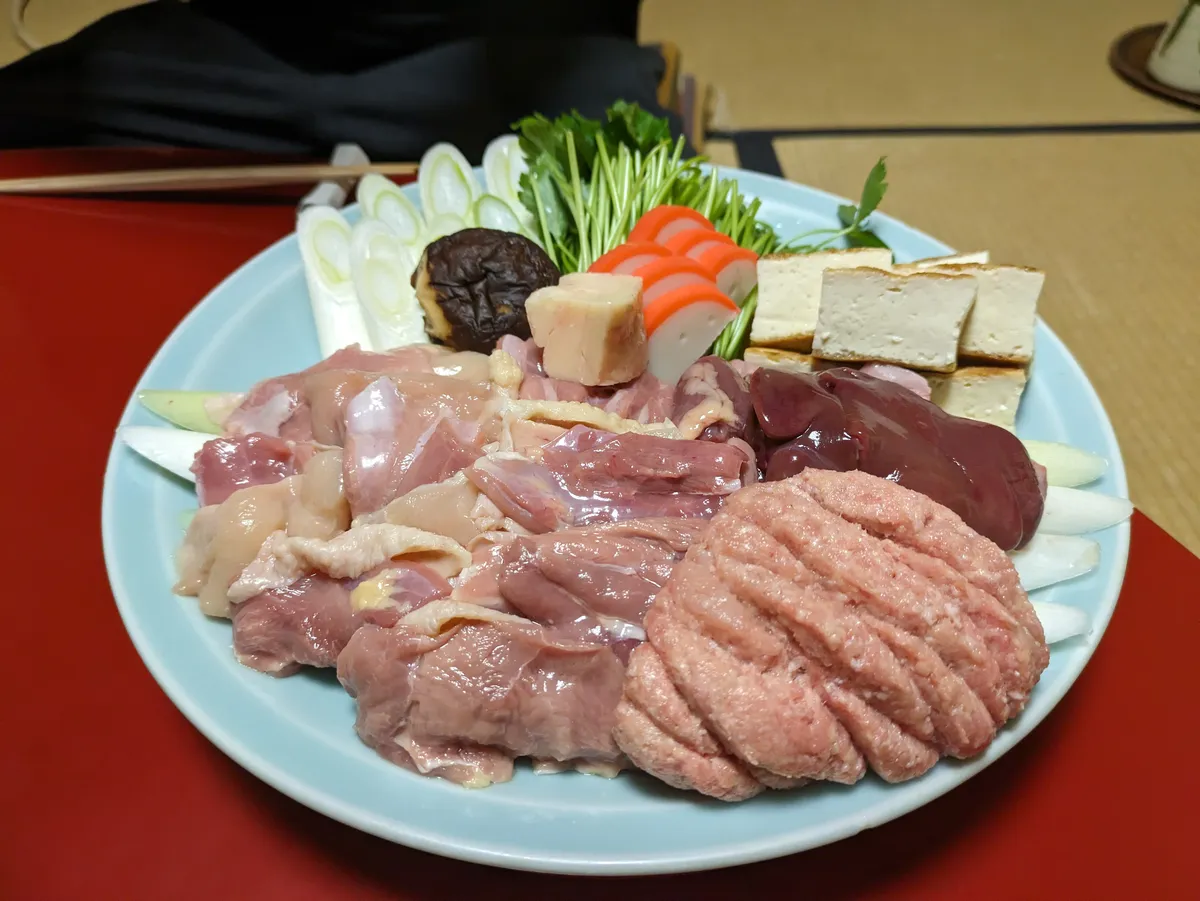
A traditional Japanese ryokan has a layer of culture that does not exist at a Western hotel. Three elements in particular stand out for first-time guests.
1. Yukata (浴衣) — the cotton kimono robe
After check-in, you change in your room into a yukata, a light cotton kimono robe, and wear it through dinner and to the baths. The yukata is provided free by the ryokan, sized to choice, and at most properties you are welcome to walk around the building, the lobby, and even the surrounding hot-spring town in it.
How to wear it correctly:
- Left side over right (migi-mae): This is non-negotiable. The opposite direction — right over left — is reserved for funeral attire and will get awkward looks immediately.
- The sash (obi) ties at hip-bone level, not at the waist.
- Do not step on the hem; it is the most common cause of the robe coming undone.
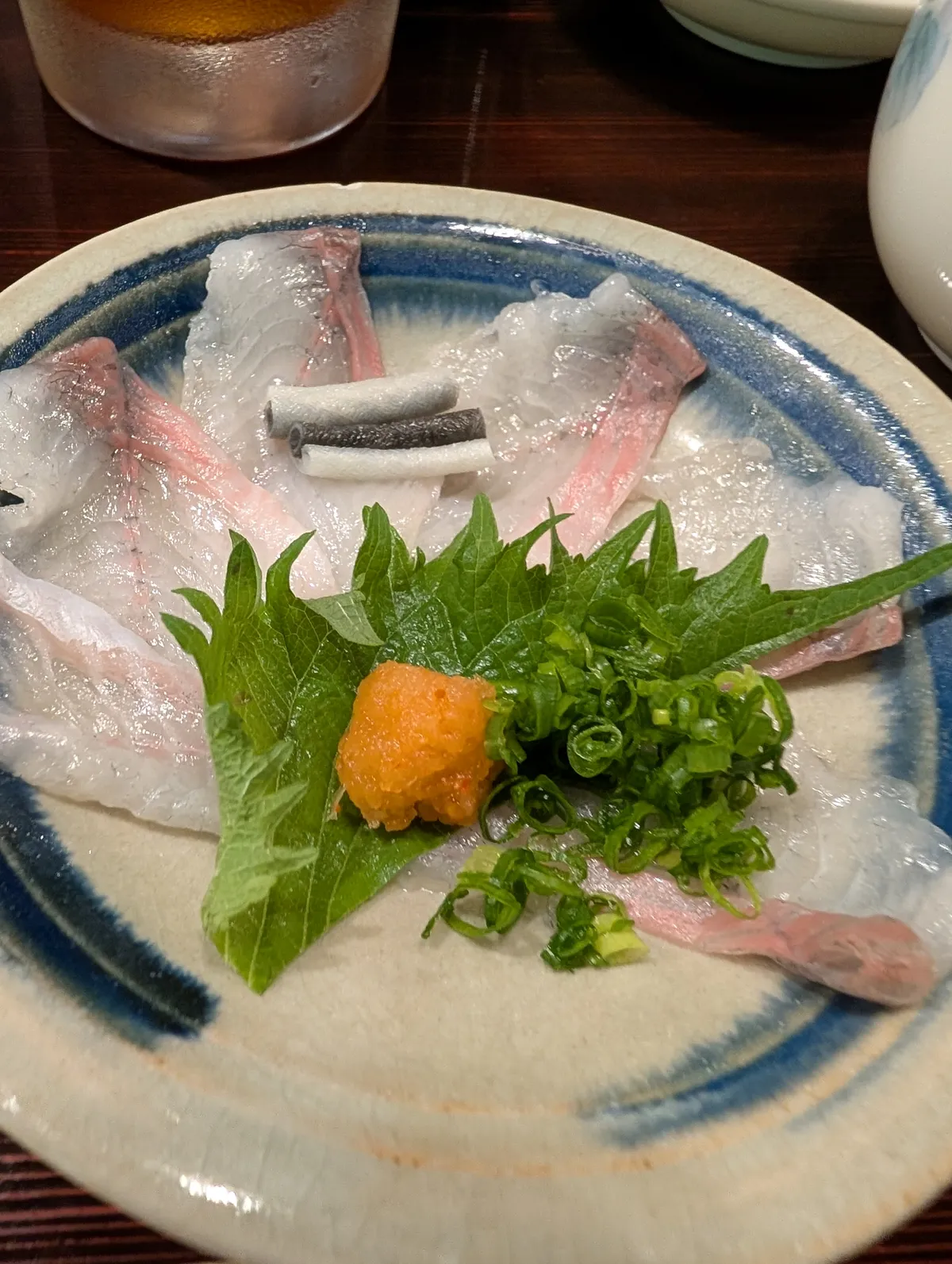
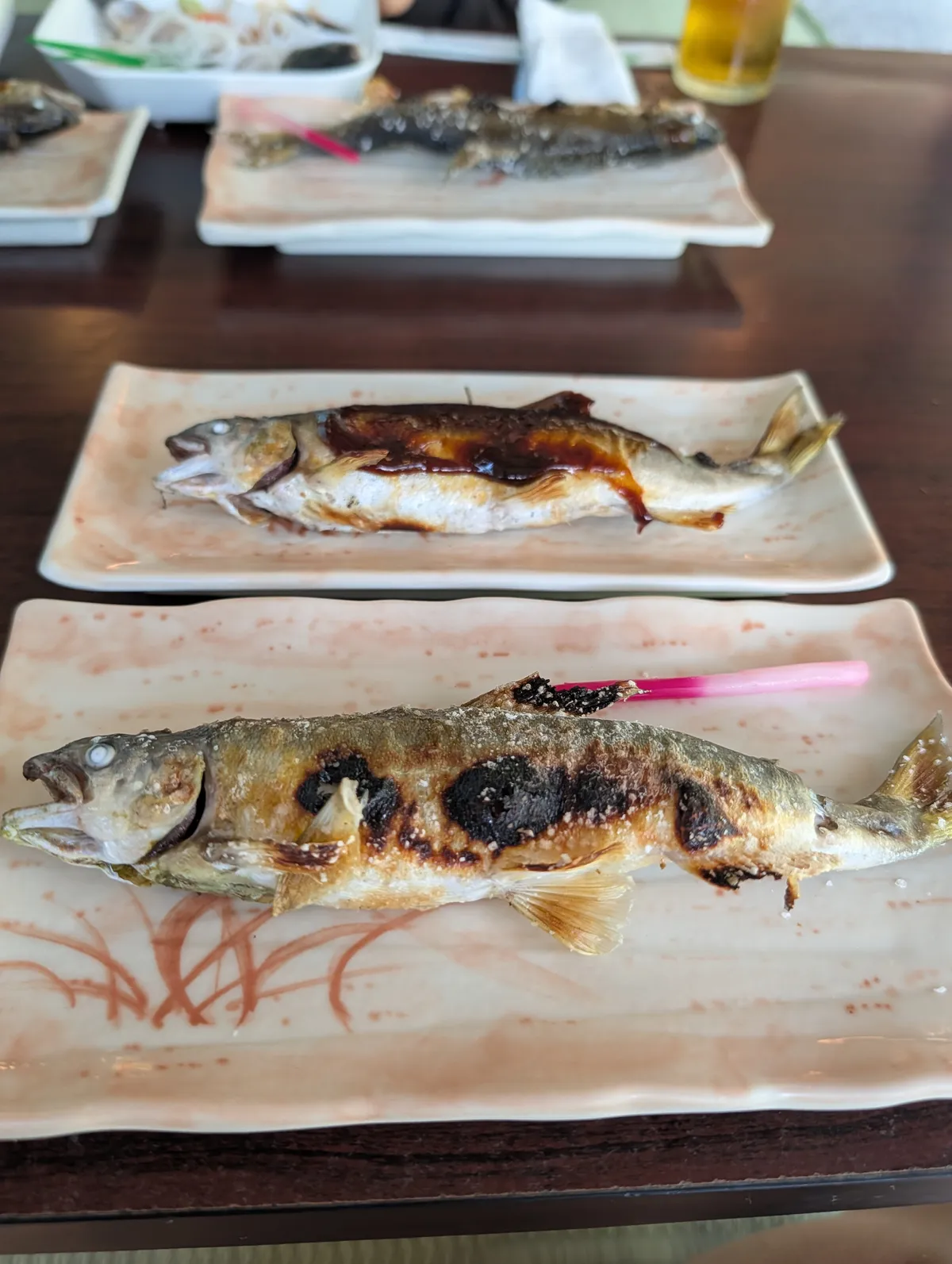
2. Kaiseki-ryori (懐石料理) — the multi-course dinner
Dinner is served as a kaiseki — either in your room or in a dining room — and consists of eight to twelve small courses delivered in sequence, designed to be enjoyed slowly across one to two hours.
The standard order of courses:
- Zensai — appetizer
- Wanmono — clear soup course
- Sashimi — seasonal raw fish
- Yakimono — grilled fish or meat
- Nimono — simmered dish
- Agemono — fried course (often tempura)
- Mushimono — steamed dish (such as chawanmushi savory custard)
- Sunomono — vinegared dish
- Rice, miso soup, and pickles
- Dessert
3. Nakai-san (仲居さん) — the room hostess
Each room is assigned a personal nakai-san, a hostess in traditional dress who handles your futon turn-down, serves your meals course by course, and explains how to use the onsen. A single nakai-san typically looks after one to three rooms, which is why the level of attention is so detailed.
[Author’s take] A foreign friend of mine, after his first ryokan night, said the thing that struck him hardest was that “the nakai-san hospitality is something you genuinely cannot get at a Western hotel.” A Western hotel relationship is “guest and service provider.” A ryokan relationship is closer to “traveler and travel companion” — more human, less transactional. When the nakai-san walks you to the entrance at check-out, waves you off, and tells you to take care on the road, that is the moment most people remember from their entire Japan trip.
Local Tip from Yuu: Tipping a nakai-san is not generally expected. However, for a special occasion — an anniversary, a birthday request, a special dietary arrangement — it is considered gracious to prepare a kokorozuke (literally “heart-attached gift”) of ¥1,000 to ¥3,000 in a small envelope and hand it over at check-in. This is not an obligation, just the Japanese way of saying thank you in advance.
Things Foreign Guests Often Get Wrong
How to use the onsen
- Wash your entire body before entering the bath — using shampoo and soap at the seated washing stations.
- Do not put your towel into the water. Place it on top of your head or set it on the side of the bath.
- Tattoos are usually not permitted in shared baths, although some ryokan have begun to allow them. See the FAQ below for workarounds.
- Mixed-gender bathing is rare. Almost all ryokan baths are separated by gender.
Inside the room
- Shoes come off at the entrance. Change into the indoor slippers provided. On tatami flooring, slip the slippers off and walk in socks or bare feet.
- The futon is laid out by the nakai-san while you are at dinner — you do not handle the bedding yourself.
- Use the in-room safe or the front-desk safe for valuables.
At meals
- Arrive at your reserved time at the dining room, or be in the room ready to receive the nakai-san.
- Listen to the nakai-san’s brief explanation of each course before starting.
- Say “itadakimasu” before eating and “gochisousama” after finishing — the basic acknowledgments that signal you understand the ritual.
Tipping — yes or no?
- No general tipping. Service is included in the room rate.
- For a special-occasion thank-you, prepare a kokorozuke in a small envelope and hand it to the nakai-san at check-in.
Source: JNTO ryokan etiquette guide — the standard reference used by Japan’s national tourism organization for foreign visitors.
How to Book and How to Save
Five reliable ways to lower the price
- Book a weekday. Sunday-through-Thursday rates run 20-40 percent below Friday and Saturday.
- Travel in the off-season — January and February, June, and the first half of September are the lowest rates of the year.
- Choose a larger ryokan. Properties like Suimeikan or Ginpaso are typically 10-20 percent cheaper per room than small boutique ryokan with the same star rating.
- Use Rakuten Travel or Jalan — both are strong for Japanese ryokan and routinely offer 10 percent or higher in points-back rewards.
- Book direct on the official site three to six months ahead — most ryokan publish an early-bird discount in this window.
Booking site comparison
| Site | Strength | Weakness |
|---|---|---|
| Rakuten Travel | Strongest selection of Japanese ryokan; high points return | English support is limited |
| Jalan | Domestic-travel specialist; widest variety of plans | No English interface |
| Booking.com | Full English interface; designed for international travelers | Slightly thinner ryokan inventory |
| Agoda | Strong in Asia; price-competitive | Ryokan category is underdeveloped |
| Relux | Specialist for high-end ryokan; English support | Few mid-price options |
Periods to avoid (prices spike)
- Golden Week (late April to early May) — booking is hard, prices roughly double
- Obon (mid-August) — the same pattern
- New Year holidays (late December to early January) — the same pattern
- Peak koyo (autumn foliage) (mid-November) — Gero Onsen in particular gets fully booked
- Sakura season (early April) — not as severe as Kyoto but rates still rise
Access Comparison from Nagoya Station
Travel times and one-way fares
| Onsen district | Mode | Time | One-way fare |
|---|---|---|---|
| Gero Onsen | JR Wide View Hida limited express | 1 hr 30 min | ¥4,500 |
| Yunoyama Onsen | Kintetsu + local bus | 1 hr 10 min | ¥1,600 |
| Gamagori Onsen | JR Tokaido Line (Special Rapid) | Approx. 48 min | ¥1,000 |
| Mitani Onsen | JR Tokaido Line + taxi | 1 hr 20 min | ¥1,400 |
| Nishiura Onsen | JR Tokaido Line + local bus | 1 hr 20 min | ¥1,400 |
| Nagashima Onsen | Meitetsu bus (direct) | 1 hr | ¥1,400 |
Free hotel shuttle service
Almost every major ryokan in this region operates a free pickup shuttle from the nearest station — Gero Station, Yunoyama Onsen Station, or Gamagori Station — directly to the property. Shuttle reservations are required in advance, usually arranged when you confirm your booking. Make sure to mention your arrival time when you reserve.
Practical Information
| Item | Detail |
|---|---|
| Average price (one night, two meals) | ¥15,000-40,000 per person |
| Luxury tier | ¥30,000-65,000 per person |
| Recommended booking lead time (normal) | 1-2 months ahead |
| Recommended booking lead time (peak) | 3-6 months ahead |
| Check-in | Typically 15:00 (a pre-dinner soak is recommended) |
| Check-out | Typically 10:00-11:00 |
| Dinner start time | 17:30-19:30 (often selectable at booking) |
| English support | Full at luxury ryokan; limited at smaller ones |
| Tattoo policy | Confirm in advance — varies by ryokan |
| Children | Child rates available; some ryokan offer free co-sleeping for young children |
Frequently Asked Questions
Which ryokan area is easiest to reach from Nagoya?
The closest is the Gamagori onsen district — about 48 minutes on the JR Tokaido Line (Special Rapid), with no transfers, then a 10-20 minute hotel shuttle or taxi from Gamagori Station. Gero Onsen is one hour and thirty minutes on the JR Wide View Hida limited express, also with no transfers, arriving directly at Gero Station. Yunoyama Onsen requires a Kintetsu train plus a local bus, so if you want to avoid transfers, Gamagori or Gero is the better choice. For a single overnight ryokan trip from a Nagoya base, Gamagori is the most accessible option.
Can foreign tourists really stay at a traditional ryokan?
Yes. The major ryokan around Nagoya — Suimeikan, Yunoshimakan, Gamagori Classic Hotel, Ginpaso and others — are well practiced at hosting international guests. The larger properties have English-speaking staff on duty around the clock and provide English room and meal guides. Booking through Booking.com, Agoda, or Relux lets you complete the entire reservation in English. Smaller ryokan welcome foreign guests too, but English support is more limited, so a translation app like Google Translate is useful.
Will the ryokan accommodate food allergies and dietary restrictions?
Almost every ryokan can accommodate allergies if you tell them in advance. When you book through Rakuten Travel or Booking.com, write the specifics — gluten-free, vegetarian, seafood allergy, and so on — into the dietary requests field, and reconfirm at check-in. Full vegetarian or vegan service can be difficult at some properties because dashi stock made from fish is used in most dishes, so I recommend confirming by email before you arrive.
Can I enter the onsen if I have tattoos?
Many traditional ryokan still prohibit tattoos in the shared onsen baths, but the situation is changing. Three reliable workarounds:
- Private bath (kashikiri-buro): Almost every ryokan offers a reservable private onsen — tattoos are not an issue here.
- Skin-tone tattoo cover stickers: Some ryokan accept these as an alternative.
- Tattoo-friendly ryokan: A growing number of properties explicitly allow tattoos. Confirm in advance.
The safest approach is to ask the property directly when you book — wording like “I have a tattoo, can I enter the onsen?” or simply “tattoo friendly?” works.
In-room kaiseki dinner or dining-room kaiseki — which is better?
For an anniversary or a couples trip, in-room dining is the right call. For general sightseeing, the dining room is usually better. In-room kaiseki gives you a private space, but the nakai-san moves in and out repeatedly, so it is not fully private. The dining room has the advantage of dishes arriving freshly prepared in a smooth sequence, which suits people who want to enjoy the proper rhythm of a kaiseki meal. Luxury ryokan often let you choose; smaller ryokan are usually dining-room only. If in-room is important to you, confirm at the time of booking.
Is one night enough, or should I stay two nights?
One night is enough for the experience, but two nights lets you enjoy the area properly. With one night, the schedule becomes a sprint — check-in, onsen, dinner, breakfast, onsen, check-out — and you will not have time for the surrounding sights, like a stroll through the Gero hot-spring town, the Yunoyama ropeway up Mount Gozaisho, or the Gamagori aquarium. Two nights gives you a full middle day for sightseeing and more time to soak. If your budget is tight, even a single weekday night is enough to taste real ryokan culture.
About the Author
Yuu was born and raised in Nagoya and has lived here for 35 years, currently in the Osu shopping-district area of central Nagoya. Gero Onsen, Yunoyama Onsen, and the Gamagori coast are all comfortably within day-trip range of his home, and over the past decade he has guided former colleagues from across Japan and international classmates from his MBA years to whichever of the three was the right match for the trip — building up a working library of which ryokan suits which kind of guest.
Related Guides
- Gero Onsen Complete Guide — the hot-spring town in detail, including walking the streets and the riverside foot-baths
- Where to Stay in Nagoya: Neighborhood Guide — comparison with city-hotel options
- Best Day Trips from Nagoya — sightseeing plans that pair with an onsen night
- Luxury Hotels in Nagoya: A Local’s Guide — for ryokan-style luxury inside Nagoya itself
- Takayama & Shirakawago Day Trip — mountain ryokan country within reach of Nagoya
Ready to book a ryokan night?
Browse ryokan stays →Check what the meal plan includes before you commit.