The three best day trips from Nagoya are Takayama and Shirakawago (UNESCO heritage, ¥15,200), Inuyama (Japan’s oldest castle, ¥3,760), and Kanazawa (Kenrokuen Garden, ¥21,180). Nagoya’s central location in Japan makes it the ideal base for exploring eleven outstanding destinations within 30 minutes to 3 hours by train or bus.
Having lived in Nagoya (名古屋) my entire life, I can confidently say it is the most underrated base for day trips in all of Japan. While Tokyo and Osaka get the attention, Nagoya sits at the exact center of the country’s rail network, giving you access to UNESCO villages, ancient shrines, world-class hot springs, and samurai-era castle towns — all within a few hours.
This guide ranks the eleven best day trips from Nagoya based on the overall experience, value for money, and ease of access. I have included exact 2026 transport costs, realistic budgets, and practical tips that only a local would know.
For getting to and from these destinations, you may want to read our complete guide to getting around Nagoya first. And if you are planning multiple trips, check whether the JR Pass for Central Japan makes financial sense for your itinerary.
Quick Comparison: Which Day Trip Is Right for You?
Before diving into the details, here is a side-by-side comparison of all day trips. This should help you prioritize based on your interests, budget, and available time.
| Destination | Travel Time | Round-Trip Transport | Best For | Difficulty | My Rating |
|---|---|---|---|---|---|
| Takayama & Shirakawago | 2.5 hr (bus) | ¥7,200 (bus) / ¥12,280 (JR reserved) | UNESCO villages, old town, Hida beef | Moderate | ★★★★★ |
| Inuyama | 30 min (train) | ¥1,260 (Meitetsu) | Historic castle, easy half-day | Easy | ★★★★★ |
| Kanazawa | 3 hr (train) | ~¥18,160 (JR) | Gardens, geisha districts, seafood | Moderate | ★★★★☆ |
| Ise Grand Shrine | 1.5 hr (Kintetsu) | ¥6,160 (Kintetsu) | Spiritual experience, traditional street | Moderate | ★★★★☆ |
| Gero Onsen | 1.5 hr (JR Hida) | ¥8,340 (JR, unreserved) | Hot springs, relaxation | Easy | ★★★★☆ |
| Gujo Hachiman | 1.5 hr (bus/car) | ~¥4,800 (bus) | Waterway town, dance festival, food replicas | Easy | ★★★★☆ |
| Toba & Pearl Islands | 2 hr (Kintetsu) | ¥6,820 (Kintetsu) | Aquarium, pearl diving, seafood | Moderate | ★★★☆☆ |
| Tokoname | 30 min (Meitetsu) | ¥1,360 (Meitetsu) | Pottery walks, workshops, pre-flight stop | Easy | ★★★★☆ |
| Nishio | 50 min (Meitetsu) | ¥1,800 (Meitetsu) | Matcha experiences, tea fields, hidden gem | Easy | ★★★★☆ |
| Iga-Ueno | 2-2.5 hr (JR) | ¥3,940 (JR) | Ninja museum, castle, shuriken throwing | Moderate | ★★★★☆ |
| Korankei (Nov only) | 1.5-2 hr (train+bus) | ~¥3,500 (train+bus) | 4,000 maples, illuminations, autumn only | Moderate | ★★★★★ (in season) |
My recommendations at a glance: If you only have time for one day trip, choose Takayama and Shirakawago. If you want something quick and budget-friendly, go to Inuyama or Tokoname. For hot spring lovers, Gero Onsen is unbeatable. Matcha lovers should not miss Nishio. If you are visiting in mid-to-late November, Korankei’s autumn foliage rivals Kyoto.
What Makes Takayama and Shirakawago the #1 Day Trip?
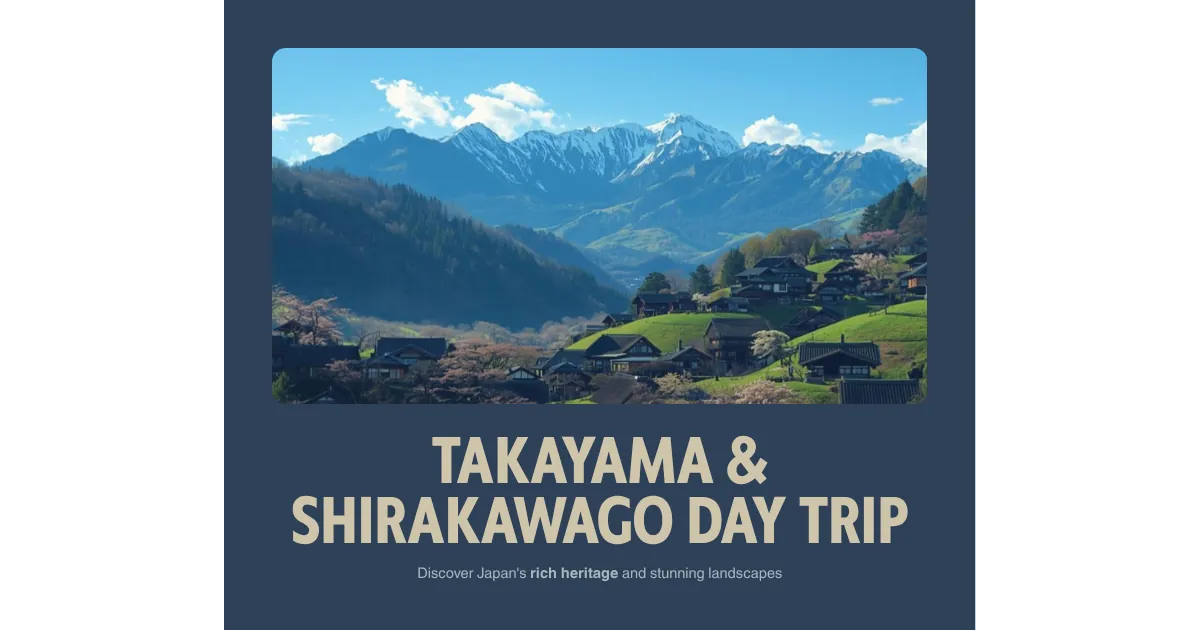
Takayama (高山) and Shirakawago (白川郷) together form the single most rewarding day trip from Nagoya. The combination of a UNESCO World Heritage village with its iconic gassho-zukuri thatched-roof farmhouses and Takayama’s immaculately preserved Edo-era old town delivers a Japan experience you simply cannot get anywhere else in the region. Budget approximately ¥15,200 to ¥16,700 for transport, food, and entry fees.
Why It Ranks #1
- Shirakawago (白川郷) is a UNESCO World Heritage site featuring farmhouses built in the distinctive steep-roofed gassho-zukuri style, some over 250 years old
- Sanmachi Suji (さんまち筋) in Takayama’s old town is one of the best-preserved merchant districts in Japan, lined with sake breweries, craft shops, and street food stalls
- Hida beef (飛騨牛) is a premium wagyu brand rivaling Kobe beef, and you can try it as sushi, skewers, or in a full set meal at prices far below Tokyo
- The mountain scenery along the route changes dramatically with each season — cherry blossoms in spring, lush green in summer, fiery maple in autumn, and snow-covered villages in winter
Getting There
The most popular option is the Nohi Bus (濃飛バス) highway bus from Nagoya Meitetsu Bus Center to Takayama, costing ¥3,600 one-way (¥3,300 with online discount) (Nagoya-Takayama line, approximately 2 hours 40 minutes). You can also take the JR Hida limited express from Nagoya Station at ¥6,140 one-way reserved (¥5,610 unreserved) (unreserved seats available in regular season; all seats become reserved only during peak periods such as Golden Week, Obon, and New Year), taking about 2 hours 20 minutes.
From Takayama to Shirakawago, the Nohi Bus runs roughly every hour and costs ¥2,800 one-way (50 minutes). Advance reservation is strongly recommended, especially during peak seasons.
Realistic Budget
| Item | Cost |
|---|---|
| Nohi Bus Nagoya ↔ Takayama (round trip) | ¥7,200 |
| Nohi Bus Takayama ↔ Shirakawago (round trip) | ¥5,600 |
| Lunch (Hida beef set) | ~¥1,500-3,000 |
| Shirakawago Wada House entry | ¥400 |
| Snacks and drinks | ~¥500 |
| Total | ~¥15,200-16,700 |
Guided Tour Option
If coordinating buses feels stressful, a guided day tour from Nagoya handles all logistics and guarantees you see both Takayama and Shirakawago without worrying about tight connections.
Compare Guided Day Tours from Nagoya
“One of my favorite day trips from Nagoya. I have visited five-plus times — mostly in summer, when the gassho-zukuri farmhouses look spectacular against the deep green of the surrounding mountains. Winter access can be tricky by car because of heavy snow, so I always recommend booking the Nohi Bus well in advance if you want the famous snowy postcard scene during the January-February illumination events.”
Read our complete Takayama and Shirakawago day trip guide for a detailed hour-by-hour itinerary and seasonal tips.
Why Is Inuyama Japan’s Best-Kept Castle Secret?
Inuyama (犬山) is the easiest, cheapest, and most underrated day trip from Nagoya. Just 30 minutes by train, this small city is home to Inuyama Castle — one of only 12 original castles remaining in Japan and a designated National Treasure. With a charming castle town, riverside scenery, and the option to add Meiji-Mura (明治村) open-air museum, Inuyama offers outstanding value. Budget ¥3,760 for the castle alone, or about ¥6,800 with Meiji-Mura added.
Why It Ranks #2
- Inuyama Castle (犬山城) was built in 1537, making it one of the oldest original castles in Japan — the wooden interior and steep stairs give an authentic feel that reconstructed castles simply cannot match
- Castle Town (城下町) below the castle is a lively street filled with dango, gohei-mochi, local craft beer, and quirky museums
- Meiji-Mura (明治村) is a sprawling open-air architectural museum with over 60 relocated Meiji-era buildings, including the entrance hall of Frank Lloyd Wright’s Imperial Hotel
- Kiso River (木曽川) runs alongside the castle hill, offering beautiful views and traditional cormorant fishing (ukai) performances in summer
Getting There
Take the Meitetsu Inuyama Line from Nagoya Station (Meitetsu side) to Inuyama Station or Inuyama-Yuen Station. The fare is ¥630 one-way and the ride takes approximately 25-30 minutes. Trains run several times per hour throughout the day.
Realistic Budget
| Item | Cost |
|---|---|
| Meitetsu round trip | ¥1,260 |
| Inuyama Castle entry | ¥1,000 |
| Castle town food and snacks | ~¥1,000-1,500 |
| Meiji-Mura entry (optional) | ¥2,500 (Meiji-Mura Official) |
| Meiji-Mura bus from Inuyama Station (optional) | ¥540 |
| Total (castle only) | ~¥3,760 |
| Total (castle + Meiji-Mura) | ~¥6,800 |
Tip from a Local
Visit on a weekday if possible. The castle town gets packed on weekends and holidays, and the narrow staircase inside the castle creates bottlenecks. On a weekday morning, you may have the top-floor observation deck to yourself.
Read our complete Inuyama day trip guide for walking routes and Meiji-Mura highlights.
Is Kanazawa Worth a Day Trip from Nagoya?
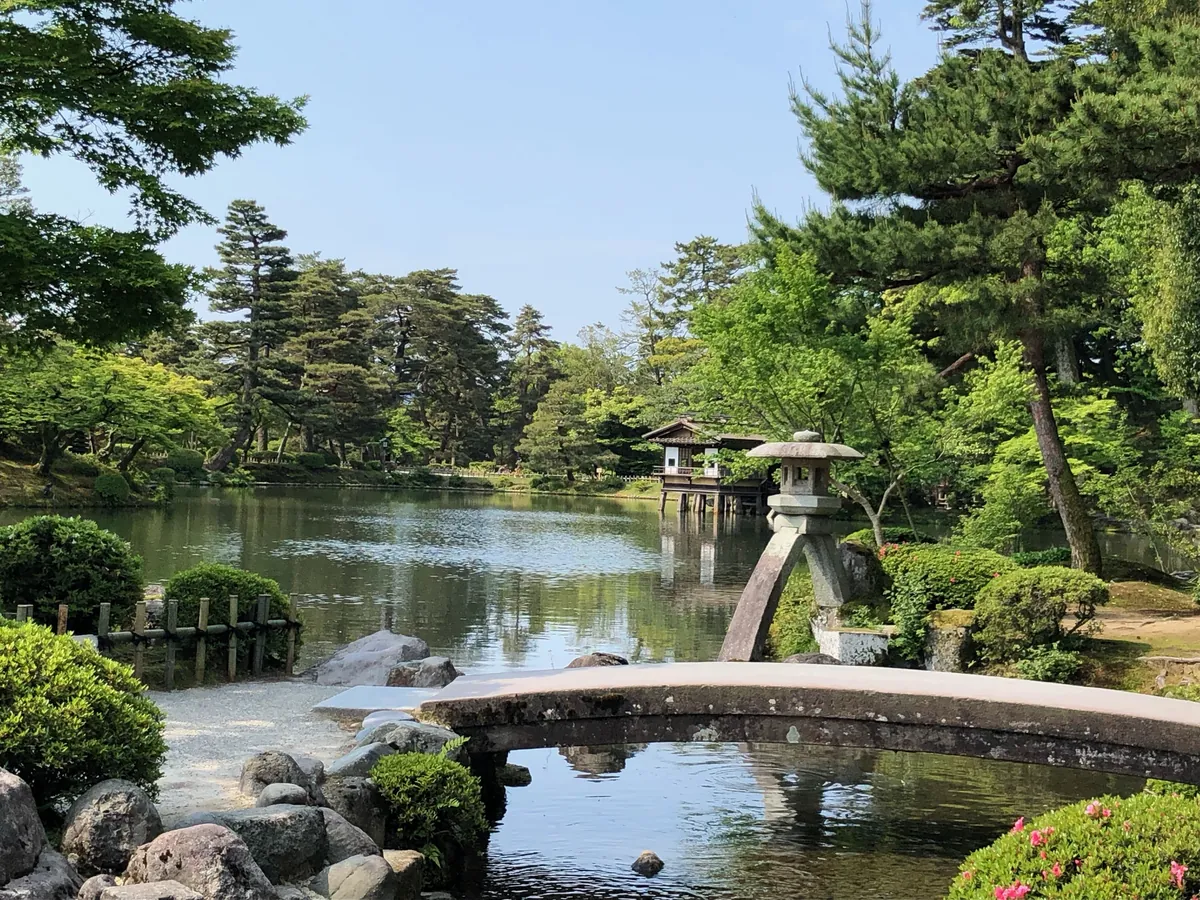
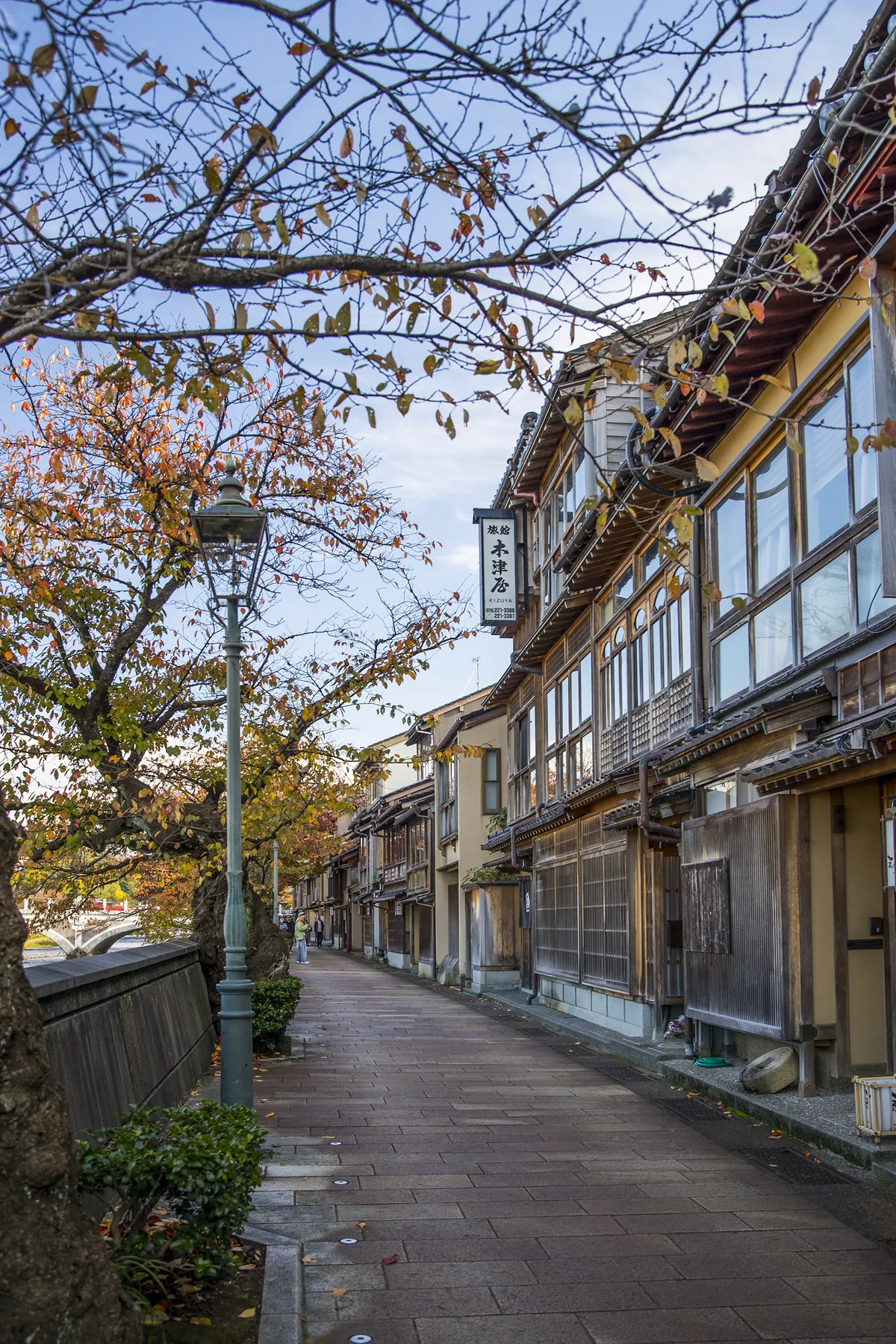
Yes, but with a caveat: Kanazawa (金沢) is the longest day trip on this list at 3 hours each way, so you need to leave early and manage your time carefully. That said, what awaits you is one of Japan’s most beautiful cities — a place that escaped wartime bombing and retains samurai and geisha districts, world-class gardens, and a seafood market that rivals Tokyo’s Tsukiji. Budget ¥21,180 to ¥22,880 for the day.
Why It Ranks #3
- Kenrokuen Garden (兼六園) is consistently ranked among Japan’s top three landscape gardens, with each season offering a completely different atmosphere
- Higashi Chaya District (ひがし茶屋街) is a beautifully preserved geisha district with wooden tea houses, gold leaf shops, and traditional cafes
- Omicho Market (近江町市場) is Kanazawa’s “Kitchen” — a bustling seafood market where you can eat fresh sashimi bowls (kaisen-don) piled high with crab, uni, and local fish
- 21st Century Museum of Contemporary Art is world-renowned — the public zone is free to enter, while the exhibition zone (which includes the underground view of Leandro Erlich’s famous swimming pool installation) charges roughly ¥450-1,200 depending on the show
Getting There
From Nagoya, take the JR Shirasagi limited express to Tsuruga, then transfer to the JR Tsurugi for Kanazawa. The combined fare is approximately ¥9,080 one-way (Shirasagi to Tsuruga + Tsurugi to Kanazawa), and the total journey takes about 3 hours. Since the Hokuriku Shinkansen extension to Tsuruga opened in March 2024, this transfer route has replaced the previous direct service.
If you plan to visit both Takayama and Kanazawa during your trip, the Takayama-Hokuriku Area Tourist Pass (¥19,800 for 5 consecutive days) covers both routes and saves significant money.
Realistic Budget
| Item | Cost |
|---|---|
| JR round trip Nagoya ↔ Kanazawa | ~¥18,160 |
| Kenrokuen Garden entry | ¥320 |
| Lunch (kaisen-don at Omicho Market) | ~¥2,000-3,500 |
| Local bus fare | ~¥200-400 |
| Gold leaf ice cream | ~¥500 |
| Total | ~¥21,180-22,880 |
Cost-saving tip: The Takayama-Hokuriku Area Tourist Pass at ¥19,800 covers your Kanazawa round trip alone, so if you add a Takayama trip within the same 5-day window, the pass essentially pays for both. See our JR Pass guide for Central Japan for a full breakdown.
Read our complete Kanazawa day trip guide for a time-optimized itinerary.
What Can You Experience at Ise Grand Shrine?
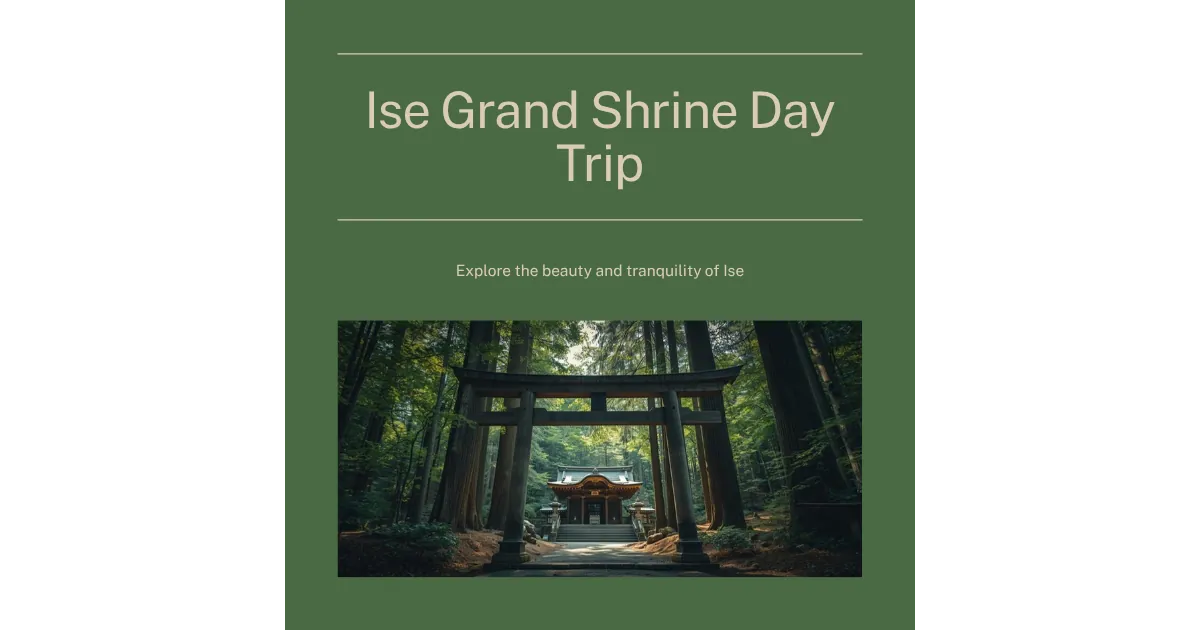
Ise Grand Shrine (伊勢神宮, Ise Jingu) is the most sacred site in Shinto, the spiritual heart of Japan. A day trip from Nagoya to Ise takes you through ancient cedar forests to encounter shrines that have been ritually rebuilt every 20 years for over 1,300 years. Combined with the lively Okage Yokocho traditional shopping street, it makes for a deeply cultural and enjoyable day out. Budget approximately ¥8,580 for the day.
Why It Ranks #4
- Naiku (内宮) is the Inner Shrine dedicated to Amaterasu, the sun goddess and most important deity in the Shinto pantheon — the atmosphere walking through the towering cedar forest is profoundly serene
- Geku (外宮), the Outer Shrine, is dedicated to the goddess of food and agriculture and is typically visited first following traditional custom
- Okage Yokocho (おかげ横丁) is a recreated Edo-period shopping street right outside Naiku, where you can eat Ise udon, akafuku mochi (a famous local sweet made since 1707), and fresh grilled oysters
- The shrine grounds are free to enter, making this one of the more budget-friendly day trips when combined with Kintetsu’s reasonable fares
Getting There
Take the Kintetsu Limited Express from Kintetsu Nagoya Station to Iseshi Station or Ujiyamada Station. The fare is ¥3,080 one-way (limited express with reserved seat), and the ride takes approximately 1 hour 30 minutes. From the station, Ise’s local bus system connects to both Geku and Naiku.
Realistic Budget
| Item | Cost |
|---|---|
| Kintetsu Limited Express round trip | ¥6,160 |
| Shrine entry | Free |
| Local bus (Geku to Naiku) | ¥520 |
| Lunch and snacks at Okage Yokocho | ~¥1,500-2,000 |
| Akafuku mochi set (2 pieces with tea) | ¥400 |
| Total | ~¥8,580-9,080 |
Guided Tour Option
A guided tour adds historical and spiritual context that greatly enriches the shrine visit, especially for first-time visitors unfamiliar with Shinto customs.
Browse Guided Day Tours from Nagoya (Ise and Beyond)
“For people in the Nagoya region, an annual visit to Ise Grand Shrine is a long-standing tradition — many of my friends and neighbors make the trip in early January. The most-recommended approach is to arrive at Naiku in the early morning, before the tour groups, and to allow time for Ise udon at the Okage Yokocho lane on the walk back. The soft, thick noodles in dark soy broth are unlike any other udon in Japan.”
Read our complete Ise Grand Shrine day trip guide for shrine etiquette and a recommended walking route.
Why Should You Visit Gero Onsen?
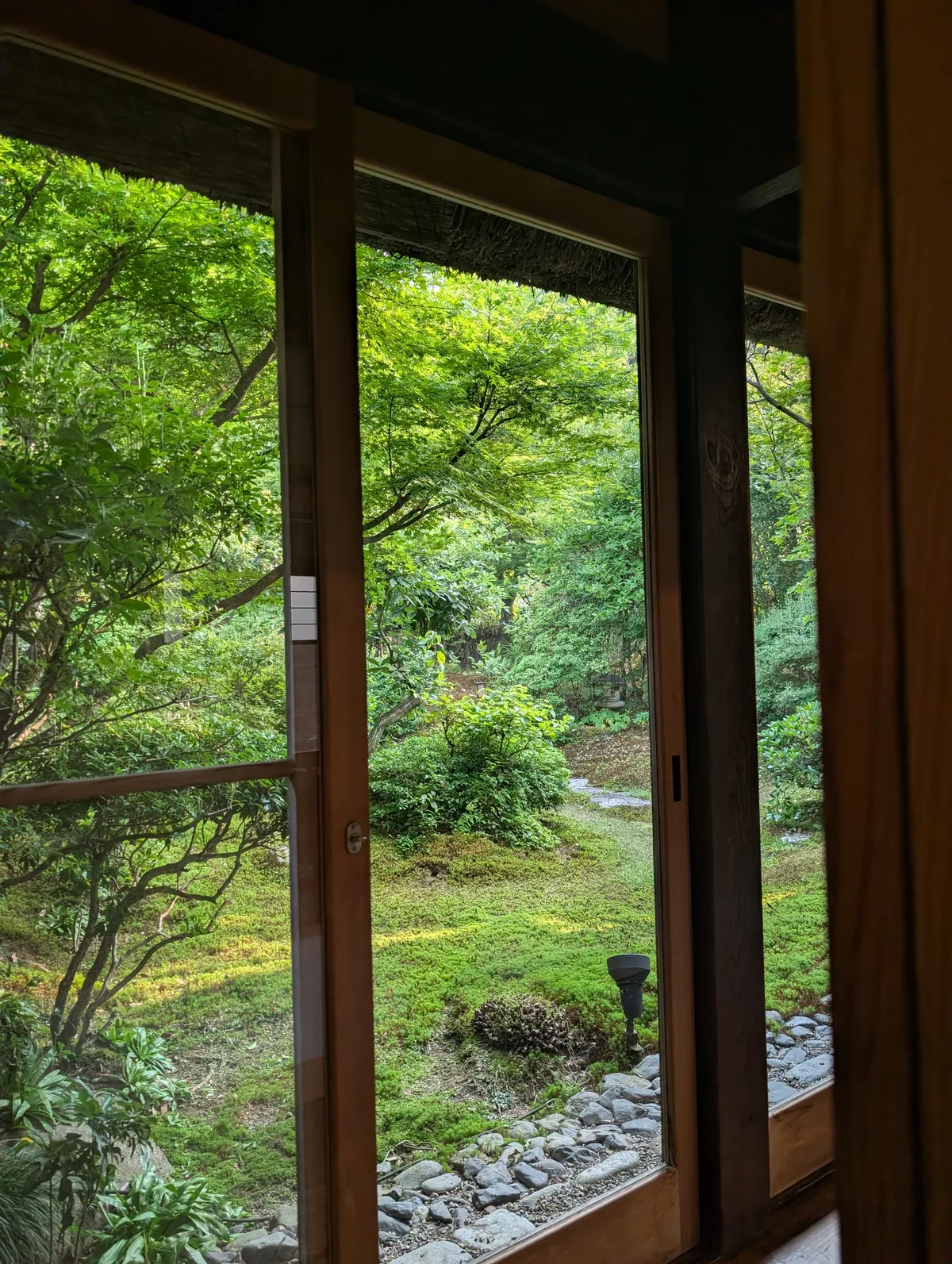
Gero Onsen (下呂温泉) is one of Japan’s “three famous hot springs” (日本三名泉), alongside Arima Onsen and Kusatsu Onsen — a designation that dates back to the Edo period. Located in the mountains of Gifu Prefecture, Gero offers silky alkaline waters renowned for leaving skin incredibly smooth. The town is compact, walkable, and perfectly designed for a relaxing day of onsen-hopping. Budget ¥12,500 to ¥13,100 for the day.
Why It Ranks #5
- Yumeguri Tegata Set (湯めぐり手形セット) costs ¥2,500 and includes a wooden pass, towel, and drawstring bag — it grants entry to three participating ryokan baths of your choice from a list of over a dozen, an incredible way to sample different onsen without staying overnight
- The hot spring water has a pH of 9.18, classified as simple alkaline, making it exceptionally gentle and moisturizing for the skin
- Free public foot baths are scattered throughout town along the Hida River, including a quirky open-air bath right in the riverbed
- The town offers a peaceful contrast to the busier tourist destinations, making it ideal for travelers seeking genuine relaxation
Getting There
Take the JR 特急ひだ (limited express Hida) from Nagoya Station to Gero Station. The fare is approximately ¥4,700 one-way reserved (¥4,170 unreserved) (unreserved seats available in regular season; all seats become reserved only during peak periods), and the ride takes approximately 1 hour 30 minutes through scenic mountain gorges. The train itself is part of the experience, with large panoramic windows.
Realistic Budget
| Item | Cost |
|---|---|
| JR Hida round trip (unreserved) | ¥8,340 |
| Yumeguri Tegata Set (3 baths, towel, bag) | ¥2,500 |
| Lunch | ~¥1,200-1,800 |
| Snacks and drinks | ~¥500 |
| Total | ~¥12,500-13,100 |
Tip from a Local
If you are not comfortable with communal bathing, several ryokan offer private baths (kashikiri-buro) for an additional fee. Ask at the tourist information office at Gero Station — staff speak English and can help you find a bath that suits your comfort level.
Read our complete Gero Onsen guide for a list of the best baths, tattoo-friendly onsen, and seasonal events.
What Makes Gujo Hachiman the “Little Kyoto” of Chubu?
Gujo Hachiman (郡上八幡) is a picturesque waterway town in northern Gifu Prefecture that most foreign visitors have never heard of. Known as the “Little Kyoto” of the Chubu region, it earns that nickname through its winding canals, traditional townscape, and a living culture that revolves around water. Gujo is also the birthplace of Japan’s famous plastic food replicas. Budget approximately ¥7,200 to ¥8,500 for the day. For a closer look at the town itself, see our Gujo Hachiman town guide.
Why It Ranks #6
- Gujo Odori (郡上おどり) is one of Japan’s most important Bon dance festivals, running for around 30 nights every summer (July-September) — during the 4-night Tetsuya Odori in mid-August, locals and visitors dance all night until dawn
- Igawa Komichi (いがわ小径) is a narrow canal path in the center of town where massive koi fish swim in crystal-clear spring water — the water quality is so pristine that residents still use the canal system for daily washing
- Food replica workshops let you create your own incredibly realistic plastic food samples (shokuhin sampuru), the same models displayed in restaurant windows across Japan — Gujo produces the majority of Japan’s food replicas (Gujo Hachiman Tourism Association)
- Gujo Hachiman Castle (郡上八幡城) sits atop a hill overlooking the entire town, offering panoramic views of the surrounding mountains and the Nagara River
Getting There
Take the Gifu Bus highway bus (Nagoya-Gujo-Hirugano line) from Nagoya Meitetsu Bus Center directly to Gujo Hachiman Castle Town Plaza in the town center — no onward local bus or taxi is needed. The fare is ¥2,400 one-way, and the ride takes about 1 hour 35 minutes. Alternatively, you can drive — it is approximately 80 km north of Nagoya via the Tokai-Hokuriku Expressway.
Realistic Budget
| Item | Cost |
|---|---|
| Highway bus round trip | ~¥4,800 |
| Gujo Hachiman Castle entry | ¥400 |
| Food replica workshop | ~¥1,000-1,800 |
| Lunch | ~¥1,000-1,500 |
| Total | ~¥7,200-8,500 |
Best Time to Visit
Summer is the peak season thanks to Gujo Odori, but spring and autumn offer the most pleasant weather for walking the town. If you visit during the Tetsuya Odori (typically August 13-16), come prepared to dance — the festival is participatory, and locals will pull you in.
Is Toba and the Pearl Islands Worth the Trip?
Toba (鳥羽) sits on the coast of Mie Prefecture, facing the Pacific Ocean. It is best known as the birthplace of cultured pearl farming — Mikimoto Kokichi successfully cultivated the world’s first cultured pearl here in 1893. Today, Toba offers a unique mix of marine culture, fresh seafood, and the enduring tradition of Ama (海女) women free-divers. Budget approximately ¥9,970 to ¥12,120 for the day.
Why It Ranks #7
- Mikimoto Pearl Island (ミキモト真珠島) is a museum and demonstration site where you can watch Ama divers perform traditional pearl-harvesting dives and learn about the history of cultured pearls — the entry fee is ¥1,650
- Toba Aquarium (鳥羽水族館) is one of Japan’s largest aquariums with over 1,200 species, including the only dugong in a Japanese aquarium (Toba Aquarium official) — the entry fee is ¥2,800
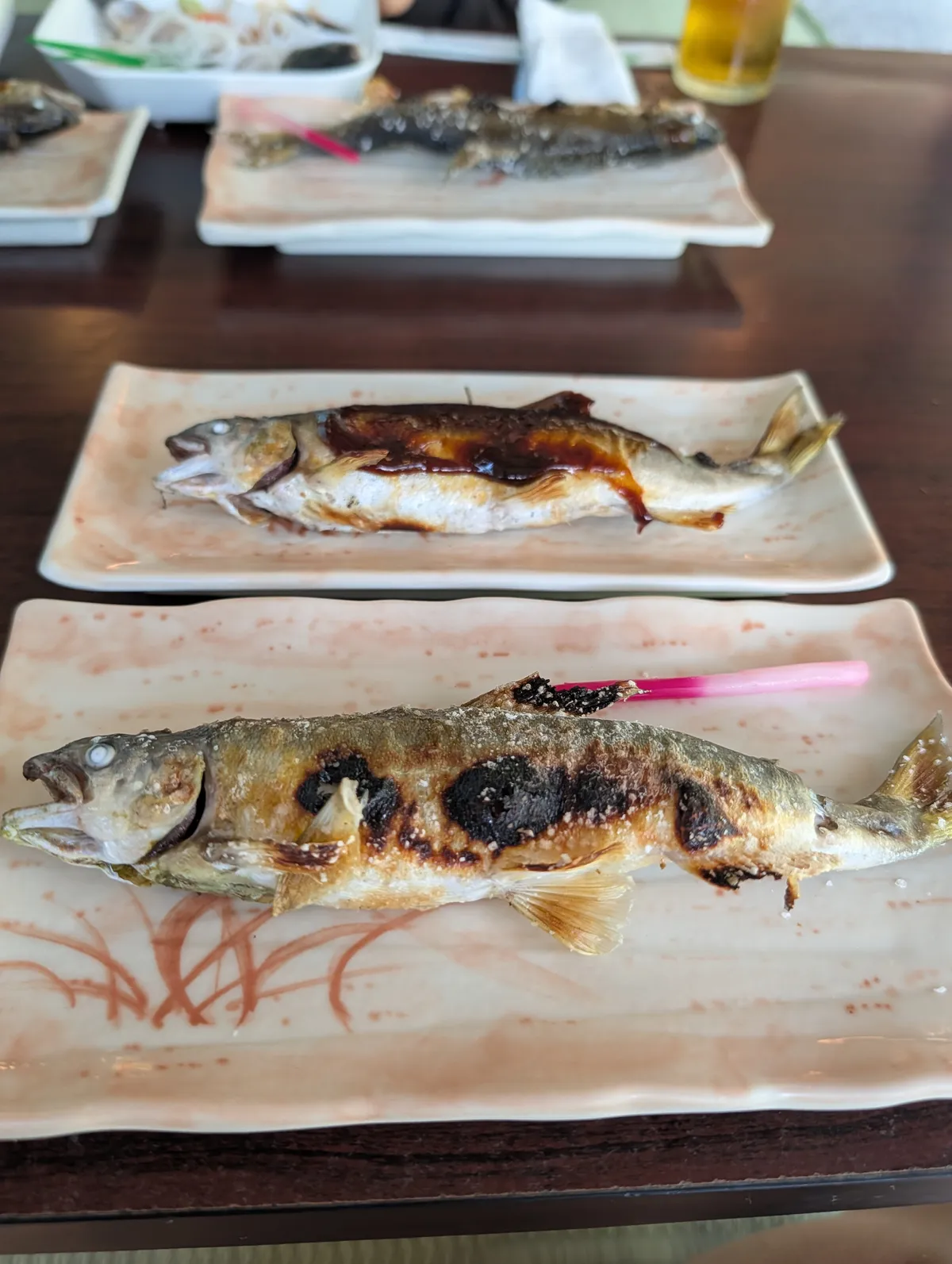
- Fresh seafood is exceptional here — grilled shellfish sets (kaiyaki) featuring abalone, oysters, and turban shells are a specialty available at the fishing port restaurants
- Ama huts (海女小屋体験) outside Toba offer immersive dining experiences where active Ama divers grill fresh-caught seafood for you over charcoal while sharing stories of their diving traditions
Getting There
Take the Kintetsu Limited Express from Kintetsu Nagoya Station to Toba Station. The fare is ¥3,410 one-way (¥2,070 base fare + ¥1,340 limited express charge with a reserved seat), and the total journey takes about 2 hours. Since Toba is just one stop beyond Ise, you can potentially combine both destinations in a very full day. Our Toba and Shima guide covers the wider Ise-Shima coast if you would rather give it more time.
Realistic Budget
| Item | Cost |
|---|---|
| Kintetsu Limited Express round trip | ~¥6,820 |
| Mikimoto Pearl Island | ¥1,650 |
| Toba Aquarium (or choose one) | ¥2,800 |
| Lunch (grilled seafood set) | ~¥1,500-2,500 |
| Total (one attraction + lunch) | ~¥9,970-12,120 |
Tip from a Local
Unless you are deeply interested in both pearls and marine life, pick either Mikimoto Pearl Island or Toba Aquarium rather than trying to rush both. Each deserves 2-3 hours of your time. For families with children, the aquarium is the clear winner. For couples or anyone interested in Japanese cultural history, Mikimoto Pearl Island is more memorable.
Why Is Tokoname a Perfect Half-Day Trip?
Tokoname (常滑) is one of Japan’s Six Ancient Kilns (日本六古窯), with over 1,000 years of pottery-making heritage. Just 30 minutes from Nagoya by Meitetsu train — and 5 minutes from Centrair Airport — this compact town is ideal for a half-day trip, especially on your last day before flying home. Budget approximately ¥5,430 for the day.
Why It Ranks #8
- The Pottery Footpath (やきもの散歩道) is a self-guided walk through brick kilns, clay-pipe-walled lanes, and giant maneki-neko (beckoning cat) statues — one of the most photogenic walks in Aichi Prefecture
- Hands-on pottery workshops let you paint your own maneki-neko (¥1,430, 40 minutes) or throw a pot on a wheel (¥3,300, 40 minutes) — tangible souvenirs you made yourself
- The INAX Live Museum (¥1,000) houses six pavilions exploring tile-making and ceramic arts, including a kiln you can walk through
- Since Tokoname is on the Meitetsu Tokoname Line to Centrair, you can visit on your departure day and head straight to the airport afterward
Getting There
Take the Meitetsu Express from Meitetsu Nagoya Station toward Centrair and get off at Tokoname Station. The ride takes 30 minutes and costs ¥750 one way. Important: do not take the mu-Sky or Rapid Limited Express, as they skip Tokoname Station.
Realistic Budget
| Item | Cost |
|---|---|
| Meitetsu round trip | ¥1,500 |
| INAX Live Museum | ¥1,000 |
| Maneki-neko painting workshop | ¥1,430 |
| Lunch (seafood near the port) | ~¥1,500 |
| Total | ~¥5,430 |
Tip from a Local
The Pottery Footpath has two courses: Course A (1.6 km, 60-90 minutes) covers the photogenic highlights including the giant maneki-neko and old brick kilns. Course B (4 km, 2-3 hours) goes deeper into the pottery district. For a half-day visit, Course A plus one workshop is the sweet spot. If you are flying out of Centrair, leave your luggage in the Meitetsu Nagoya Station coin lockers, visit Tokoname, then continue to the airport — the same train line serves both.
Why Should Matcha Lovers Visit Nishio?
Nishio (西尾) is one of Japan’s leading matcha-producing areas — Nishio City describes its output as among the highest in the country — but it draws a fraction of Uji’s crowds. Just 50 minutes from Nagoya by Meitetsu, this small city offers hands-on matcha experiences surrounded by actual tea fields rather than souvenir shops. Budget about ¥7,700 for a self-guided day, or around ¥14,000 with a guided tea field tour.
Why It Ranks #9
- Matcha straight from the source — walk through tea fields, grind matcha on a stone mill, and drink it minutes after preparation at the Matcha Museum Saijoen Wakuwaku (run by the Aiya tea house; advance reservation required, ¥2,500 per person for the 75-minute course)
- Nishio City History Park is free to enter, with castle ruins, the Kyoto-style Shokoso Garden, and the Former Konoe Residence where you can sit in a tatami tea room and enjoy freshly prepared matcha with wagashi sweets for ¥600 (tea served 10:00-16:00)
- Far less crowded than Uji, offering a genuine local experience — the “hidden gem matcha town” angle makes this trip feel like a real discovery
Getting There
Take the Meitetsu Nishio Line Express (bound for Kira-Yoshida) from Meitetsu Nagoya Station to Nishio Station. The ride takes about 50 minutes and costs approximately ¥900 one way. Trains run every 30 minutes. At Nishio Station, rent a bicycle from the tourist information center (¥300-500/day, e-bikes available) to reach the tea fields and scattered attractions comfortably.
Realistic Budget
| Item | Cost |
|---|---|
| Meitetsu round trip | ¥1,800 |
| Bicycle rental | ¥300-500 |
| Matcha + wagashi at Konoe Residence | ¥600 |
| Matcha Museum Saijoen Wakuwaku (75-min course) | ¥2,500 |
| Lunch (matcha soba or local eel) | ~¥1,500 |
| Matcha souvenirs | ~¥1,000 |
| Total | ~¥7,700-7,900 |
Tip from a Local
The first tea picking season is in May, when the fields are at their most vivid green. If you visit during this period, the guided tea field tours (around ¥6,000-7,000 per person, advance booking required) let you wear traditional tea-picking clothes and harvest leaves yourself. Outside of May, the Aiya factory tour and Konoe Residence tea service are available year-round and still deliver a memorable matcha experience. Nishio is also known for unagi (eel) — the local restaurant Uotora (魚寅), which created Nishio’s tencha rice dish, is excellent if you want to combine matcha and food cultures in one trip.
Is the Ninja Hometown of Iga-Ueno Worth the Long Trip?
Iga-Ueno (伊賀上野) in Mie Prefecture is the birthplace of the Iga ninja clan — one of only two legitimate ninja heritage towns in Japan. The Ninja Museum of Igaryu features a full trick house with revolving walls and trap doors, live ninja demonstration shows, and hands-on shuriken throwing. The honest trade-off: it is a 2-2.5 hour journey each way, making this the longest day trip on this list. But for anyone fascinated by ninja culture, there is nowhere more authentic. Budget approximately ¥7,940 for the day.
Why It Ranks #10
- The Ninja Museum trick house (¥1,000 for adults, ¥700 for children aged 4 through junior high school) is genuinely impressive — guides demonstrate hidden compartments, revolving walls, and escape routes used by real Iga ninja
- Live ninja shows (¥600 additional per person) feature costumed performers demonstrating sword techniques, shuriken throwing, and acrobatics — entertaining for all ages
- Shuriken throwing experience (¥300 for 6 stars) lets you try your hand at the ninja’s signature weapon
- Iga Ueno Castle (¥600) sits atop one of Japan’s tallest stone walls at 30 meters, and the grounds are beautiful during cherry blossom season
- The haiku poet Matsuo Basho was born here — a memorial museum adds cultural depth beyond the ninja theme
Getting There
The most affordable route: take the JR Kansai Line from Nagoya Station to Kameyama, change to the JR Kansai Line toward Kamo, and get off at Iga-Ueno Station. From there, transfer to the Iga Railway (a charming local line with ninja-themed trains) to Ueno-shi Station. Total travel time is 2-2.5 hours, costing approximately ¥1,970 one way (JR ¥1,690 + Iga Railway ¥280). A discounted three-site ticket covering the castle, the ninja museum and the danjiri exhibition hall is sold at each venue; check the current combined price at the ticket counter. Bought separately, admission is ¥600 for the castle, ¥1,000 for the ninja museum and ¥600 for the danjiri hall.
Realistic Budget
| Item | Cost |
|---|---|
| JR + Iga Railway round trip | ¥3,940 |
| Iga Ueno Castle (¥600) + Ninja Museum (¥1,000) | ¥1,600 |
| Ninja show | ¥600 |
| Shuriken throwing | ¥300 |
| Lunch (Iga beef or dengaku tofu) | ~¥1,500 |
| Total | ~¥7,940 |
Tip from a Local
Be realistic about the time commitment. With 2-2.5 hours of travel each way, you will have roughly 4-5 hours in town — enough to cover the ninja museum, castle, and lunch, but not much more. Catch an early train (departing Nagoya by 8:00) to maximize your time. The Iga Ueno Ninja Festival in April adds street performances and costumed parades if your timing aligns. This trip pairs logically with Ise Grand Shrine if you are spending multiple days in the Mie Prefecture area, since both are accessible via the Kintetsu network.
Seasonal Bonus: Korankei — Central Japan’s Best Autumn Foliage
If you are visiting in mid-to-late November, Korankei (香嵐渓) in Toyota City is unmissable. Over 4,000 maple trees line the Tomoe River gorge, and evening illuminations (sunset to 21:00) transform the valley into one of Japan’s most spectacular autumn landscapes. The iconic vermillion Taigetsukyo Bridge framed by blazing red and gold foliage rivals anything in Kyoto — with far fewer crowds.
- Getting there: Take a train to Toyota-shi Station, then Meitetsu Bus (Yanami Line) to Korankei, about 50 minutes. Total journey from Nagoya: 1.5-2 hours, approximately ¥1,500-2,000 one way. Meitetsu also runs seasonal direct tour buses from Nagoya during peak foliage weeks.
- Key attractions: The valley walks and illuminations are free. Sanshu Asuke Yashiki (三州足助屋敷, ¥300) is a preserved craft village with thatched-roof workshops demonstrating bamboo weaving, indigo dyeing, and washi paper making.
- Budget: ¥5,000-6,000 total (transport ¥3,000-4,000 + Asuke Yashiki ¥300 + lunch at festival stalls ¥1,500).
- Important: Korankei is a seasonal destination. Outside of mid-November to early December, the foliage is not present and the area is significantly less compelling. Check the Japan Guide autumn color reports for current conditions before planning your visit.
Should You Book a Guided Tour for Day Trips?
Most day trips from Nagoya are straightforward to do independently — trains run on time, stations have English signage, and Google Maps handles the rest. But for a few destinations, a guided tour genuinely adds value beyond just convenience.
When a Guided Tour Makes Sense
A guided tour is worth the premium when the destination involves complex multi-leg transport, when cultural context significantly enriches the experience, or when you are short on time and want to combine two destinations into a single day. If any of those apply, the extra cost often pays for itself in reduced stress and deeper understanding.
Best Day Trips for Guided Tours
Takayama and Shirakawago — Highly Recommended for First-Timers
This is the most popular guided day trip from Nagoya, and for good reason. Visiting both Takayama and Shirakawago independently in a single day requires coordinating Nohi Bus reservations, navigating transfer timing, and accepting the risk of sold-out seats on the Takayama-Shirakawago route. A guided tour handles all of that logistics for you, picks you up from central Nagoya, and typically includes time at both destinations with a knowledgeable English-speaking guide. Budget approximately ¥8,000-15,000 per person depending on the operator and inclusions.
Ise Grand Shrine — Cultural Context Makes the Difference
Ise Jingu is Japan’s holiest Shinto shrine, but much of its significance is invisible without explanation. The shrine buildings are deliberately simple, the inner shrine restricts access, and the 20-year rebuilding cycle is one of the most fascinating traditions in Japanese culture — none of which you would fully appreciate just reading a signboard. A guide who can explain the rituals, architecture, and spiritual meaning transforms this from a pleasant forest walk into a genuinely profound experience. Budget approximately ¥10,000-20,000 per person.
Kanazawa — Combine with Shirakawago
Some tour operators offer combined Kanazawa-Shirakawago itineraries that make use of the geographic proximity between the two (Shirakawago is roughly halfway between Nagoya and Kanazawa). This combination is nearly impossible to pull off independently in a single day but works well as a guided option. Budget approximately ¥12,000-18,000 per person.
Day Trips Better Done Independently
Not every destination benefits from a tour. For these three, you are better off going at your own pace:
- Inuyama: It is only 30 minutes from Nagoya by a single direct train, the castle town is compact and walkable, and there is no complex logistics to manage. A tour would add cost without adding value.
- Tokoname: The entire point of Tokoname is wandering the pottery-lined lanes, ducking into studios, and spending as long as you like watching artisans work. A fixed tour schedule would undermine the best part of the experience.
- Nishio: This is a small, very local matcha town with limited tourist infrastructure. There are no major guided tours available, and the charm is in discovering it yourself.
Where to Book
If you decide a guided tour fits your plans, these platforms offer reputable day trips departing from Nagoya:
- Viator — wide selection of day trips from Nagoya
- GetYourGuide — strong Central Japan tour coverage
- Klook — often the best prices for Asia-based tour operators
Compare prices across all three — the same tour sometimes appears on multiple platforms at different price points. Also check whether the tour includes lunch or entrance fees, as this varies significantly between operators.
What’s the Best Way to Save Money on Day Trips?
Transport is the biggest expense for any day trip from Nagoya, so choosing the right pass or ticket strategy can save you thousands of yen. Here are the most effective money-saving approaches for 2026.
Rail Passes Worth Considering
Takayama-Hokuriku Area Tourist Pass (¥19,800 / 5 consecutive days)
This is the single best-value pass for Nagoya day-trippers. It covers:
- JR Hida to Takayama and Gero
- JR Shirasagi + Tsurugi to Kanazawa
- Nohi Bus between Takayama and Shirakawago
If you do both a Takayama/Shirakawago trip and a Kanazawa trip within 5 days, you save approximately ¥10,000 compared to buying individual tickets. See our complete JR Pass guide for Central Japan for eligibility details and how to purchase.
Kintetsu Rail Pass (various options)
If you are heading to Ise and Toba, the Kintetsu Rail Pass offers several options:
- Kintetsu Rail Pass 1-Day (¥1,900) — Covers Kintetsu lines in the Osaka-Kyoto-Nara area only (does NOT reach Nagoya or Ise; ordinary trains only, limited express surcharge required)
- Kintetsu Rail Pass 5-Day PLUS (¥6,700) — Covers wide Kintetsu network including Nagoya-Ise plus buses
For a single Ise day trip, individual Kintetsu limited express tickets (¥3,080 each way) are usually more cost-effective unless you plan additional Kintetsu trips.
Highway Bus Discounts
- Book in advance online: Nohi Bus and Gifu Bus offer early-bird web discounts of approximately 5-10%
- Round-trip tickets: The Nohi Bus Nagoya-Takayama round trip can be slightly cheaper when purchased as a set rather than two one-way tickets
- Travel on weekdays: Some bus operators charge less on weekdays compared to weekends and holidays
General Tips
- Convenience store ATMs: 7-Eleven and Lawson ATMs accept international cards with no additional surcharge — withdraw yen before your trip rather than exchanging at stations where rates are poor
- Ekiben (station bento): Instead of eating at tourist-price restaurants, grab an ekiben at Nagoya Station before departure — prices range from ¥800-1,200 for a filling meal
- IC card (Manaca/Toica): Load a rechargeable IC card for seamless payment on Meitetsu, Nagoya subway, and local buses — it saves time at ticket machines and occasionally offers small fare discounts
Frequently Asked Questions
What is the best day trip from Nagoya?
Takayama and Shirakawago is the best day trip from Nagoya for most visitors. The combination of a UNESCO World Heritage village, a beautifully preserved Edo-period old town, and regional cuisine like Hida beef makes it the most rewarding day trip in the region. Budget approximately ¥15,200 for transport and food.
How many day trips can I do from Nagoya?
Nagoya offers at least 11 excellent day trips ranging from 30 minutes to 3 hours away. For a one-week stay, you could comfortably fit 3-4 day trips alongside exploring Nagoya itself. The closest option is Inuyama (30 minutes by train), while Kanazawa is the furthest at 3 hours.
Is a JR Pass worth it for day trips from Nagoya?
The Takayama-Hokuriku Area Tourist Pass (¥19,800 for 5 days) is worth it if you plan to visit both Takayama and Kanazawa. It covers JR Hida trains to Takayama and Shirasagi/Tsurugi trains to Kanazawa. For single day trips, individual tickets are usually cheaper. Read our JR Pass guide for a detailed cost comparison.
What is the cheapest day trip from Nagoya?
Inuyama is the cheapest day trip from Nagoya at approximately ¥3,760 total (¥1,260 round-trip train on Meitetsu + ¥1,000 castle entry + ¥1,500 for lunch and snacks). It is also the closest, taking just 30 minutes by train from Nagoya Station.
Can I visit Shirakawago from Nagoya in one day?
Yes, you can visit Shirakawago from Nagoya in one day. The easiest way is a guided bus tour that departs around 7:00 AM and returns by 7:00 PM, often combining Shirakawago with Takayama. Independent travel is possible via Nohi Bus Nagoya-Takayama line (¥3,600 one-way, approximately 2 hours 40 minutes to Takayama, then transfer to the Takayama-Shirakawago bus at ¥2,800) but requires advance seat reservations.
What day trips from Nagoya are good in winter?
Shirakawago with its snow-covered thatched-roof houses is the top winter day trip from Nagoya, especially during the January-February illumination events. Gero Onsen is also ideal in winter, as soaking in outdoor hot springs surrounded by snow is a quintessential Japanese experience.
Can I combine Ise Grand Shrine and Toba in one day?
It is technically possible since Toba is just one Kintetsu station beyond Ise, but you would need to leave very early and prioritize ruthlessly. A more relaxed approach is to dedicate a full day to each. If you must combine them, visit Ise Geku and Naiku in the morning, skip Okage Yokocho, and head to Toba for the afternoon.
Related Guides
Planning your Nagoya trip? These guides will help you make the most of your time in the region:
- Takayama & Shirakawago Day Trip: Complete Itinerary — Hour-by-hour schedule, bus timetables, and seasonal tips
- Inuyama Castle & Meiji-Mura Day Trip Guide — Castle town walking route, best food stops, and Meiji-Mura highlights
- Kanazawa Day Trip from Nagoya — Time-optimized itinerary covering Kenrokuen, Higashi Chaya, and Omicho Market
- Ise Grand Shrine Day Trip Guide — Shrine etiquette, Okage Yokocho food guide, and transport details
- F1 Japanese Grand Prix at Suzuka: Spectator Guide — Reaching the circuit in Mie from a Nagoya base, and the station your map app gets wrong
- Gero Onsen Complete Guide — Best baths, Yumeguri Tegata options, and tattoo-friendly onsen
- Magome & Tsumago: Kiso Valley Day Trip Guide — The Kiso Valley post towns and the walking trail between them
- JR Pass Guide for Central Japan — Which pass saves money for your specific itinerary
- Getting Around Nagoya: Transport Guide — Subway, bus, and IC card essentials
- Things to Do in Nagoya — Top attractions within the city itself
- Nagoya 3-Day Itinerary — How to structure your days with day trips included
- How Much Does a Nagoya Trip Cost? — Complete budget breakdown for every travel style
- Where to Stay Near Ghibli Park — Best hotels and areas for Ghibli Park visitors
Would rather not plan the logistics?
Compare day tours from Nagoya →Handy for the routes with multiple bus transfers.