Last updated: August 2, 2026 | Written by Yuu, a Nagoya native of 35 years
This article may contain affiliate links. See our affiliate disclosure for details.
What Does a Day in Nagoya Actually Cost?
A single day in Nagoya costs between ¥6,600 and ¥88,000+ depending on your travel style, with most visitors landing in the ¥16,500-30,000 mid-range zone that covers comfortable hotels, great food, and easy transport.
Nagoya (名古屋) consistently ranks as one of Japan’s most affordable major cities for tourists. According to the City of Nagoya’s 2024 tourism survey, the city recorded about 54.7 million visitor-days in 2024, drawn by lower costs and excellent access to central Japan’s top destinations. Compared to Tokyo, where daily tourist spending averages over ¥20,000, Nagoya offers equivalent quality at significantly lower prices.
Here is a realistic breakdown of what one day costs per person:
| Category | Budget (¥) | Mid-Range (¥) | Luxury (¥) |
|---|---|---|---|
| Accommodation | 3,000-6,000 | 8,000-15,000 | 25,000-50,000+ |
| Food (3 meals) | 2,000-3,000 | 5,000-8,000 | 10,000-20,000 |
| Transport | 620-1,000 | 1,000-2,000 | 2,000-5,000 |
| Activities | 500-1,500 | 1,500-3,000 | 3,000-8,000 |
| Miscellaneous | 500-1,000 | 1,000-2,000 | 2,000-5,000 |
| Daily Total | ¥6,600-12,500 | ¥16,500-30,000 | ¥42,000-88,000+ |
These are per-person costs. Couples sharing a room will save roughly 30-40% on accommodation per person. For a complete breakdown of how to spend your time, see our 3-Day Nagoya Itinerary.
How Much Are Flights to Nagoya?
International flights to Chubu Centrair International Airport (中部国際空港, airport code NGO) range from ¥30,000-80,000 round trip from major Asian cities, and ¥80,000-200,000+ from North America or Europe depending on season and booking window.
Chubu Centrair International Airport (セントレア) is Nagoya’s main international gateway, located on an artificial island in Ise Bay. According to Chubu Centrair Airport, direct international routes connect to cities across Asia including Seoul, Taipei, Shanghai, Bangkok, and Hong Kong. North American and European travelers typically connect through Tokyo Narita/Haneda, Osaka Kansai, or an Asian hub city.
| Route | Budget Estimate (Round Trip) | Peak Season Estimate |
|---|---|---|
| Seoul (ICN) → Nagoya (NGO) | ¥25,000-40,000 | ¥50,000-70,000 |
| Taipei (TPE) → Nagoya (NGO) | ¥30,000-50,000 | ¥60,000-80,000 |
| Bangkok (BKK) → Nagoya (NGO) | ¥35,000-60,000 | ¥70,000-100,000 |
| Tokyo (NRT) → Nagoya (domestic) | ¥8,000-15,000 (LCC) | ¥15,000-25,000 |
| Los Angeles (LAX) → Nagoya (1 stop) | ¥100,000-150,000 | ¥180,000-250,000 |
| London (LHR) → Nagoya (1 stop) | ¥100,000-160,000 | ¥200,000-280,000 |
Shinkansen alternative: If you are already in Japan, the Tokaido Shinkansen (東海道新幹線) reaches Nagoya Station (名古屋駅) from Tokyo Station in 1 hour 40 minutes for ¥10,560 (non-reserved), or from Shin-Osaka Station in 50 minutes for ¥5,940 (non-reserved) / ¥6,680 (Nozomi reserved) (JR Central). A JR Pass covers these rides and may save money if you are traveling between multiple cities.
Budget tip: Domestic flights on Peach Aviation or Jetstar Japan from Tokyo Narita to Centrair can cost as little as ¥4,000-8,000 one-way if booked 2-3 months ahead. However, factor in airport transfer time and costs before assuming flights beat the Shinkansen.
How Much Do Hotels in Nagoya Cost?
Hotel rooms in Nagoya range from ¥3,000 per night in hostels to ¥50,000+ for luxury properties, with most visitors finding excellent value in the ¥8,000-15,000 mid-range tier that beats Tokyo pricing by 20-40%.
Nagoya’s hotel market offers outstanding value compared to other major Japanese cities. The city has a strong supply of business hotels, a growing number of international brands, and genuine budget options that remain clean and comfortable. For our full neighborhood-by-neighborhood breakdown, see our complete Nagoya hotel and area guide.
| Tier | Price/Night | What You Get | Best Areas |
|---|---|---|---|
| Budget | ¥3,000-6,000 | Hostels, capsule hotels, basic business hotels. Clean, compact, essential amenities. | Osu, Kanayama, Nagoya Station west side |
| Mid-Range | ¥8,000-15,000 | Modern business hotels, newer chains. Free breakfast common, excellent transit access. | Nagoya Station, Sakae, Fushimi |
| Upper Mid-Range | ¥15,000-25,000 | International chains, premium amenities, larger rooms, city views. | Nagoya Station, Sakae |
| Luxury | ¥25,000-50,000+ | Full-service hotels, concierge, spa, fine dining. Marriott, Hilton, Nagoya Kanko Hotel. | Nagoya Station towers, Sakae |
Local tip from Yuu: The biggest money-saving hack for Nagoya hotels is booking business hotels with free breakfast. Many properties in the ¥8,000-12,000 range include buffet breakfasts worth ¥1,500-2,000. Over a 5-day trip, that is ¥7,500-10,000 saved on morning meals alone. Dormy Inn properties are particularly famous for their included breakfast spreads and free late-night ramen.
Seasonal pricing matters. Expect rates to jump 30-50% during Golden Week (late April to early May), cherry blossom season (late March to early April), Obon (mid-August), and major event weekends. Book 2-3 months ahead for these periods.
Where to Stay in Nagoya: Area-by-Area Guide
How Much Does Food Cost in Nagoya?
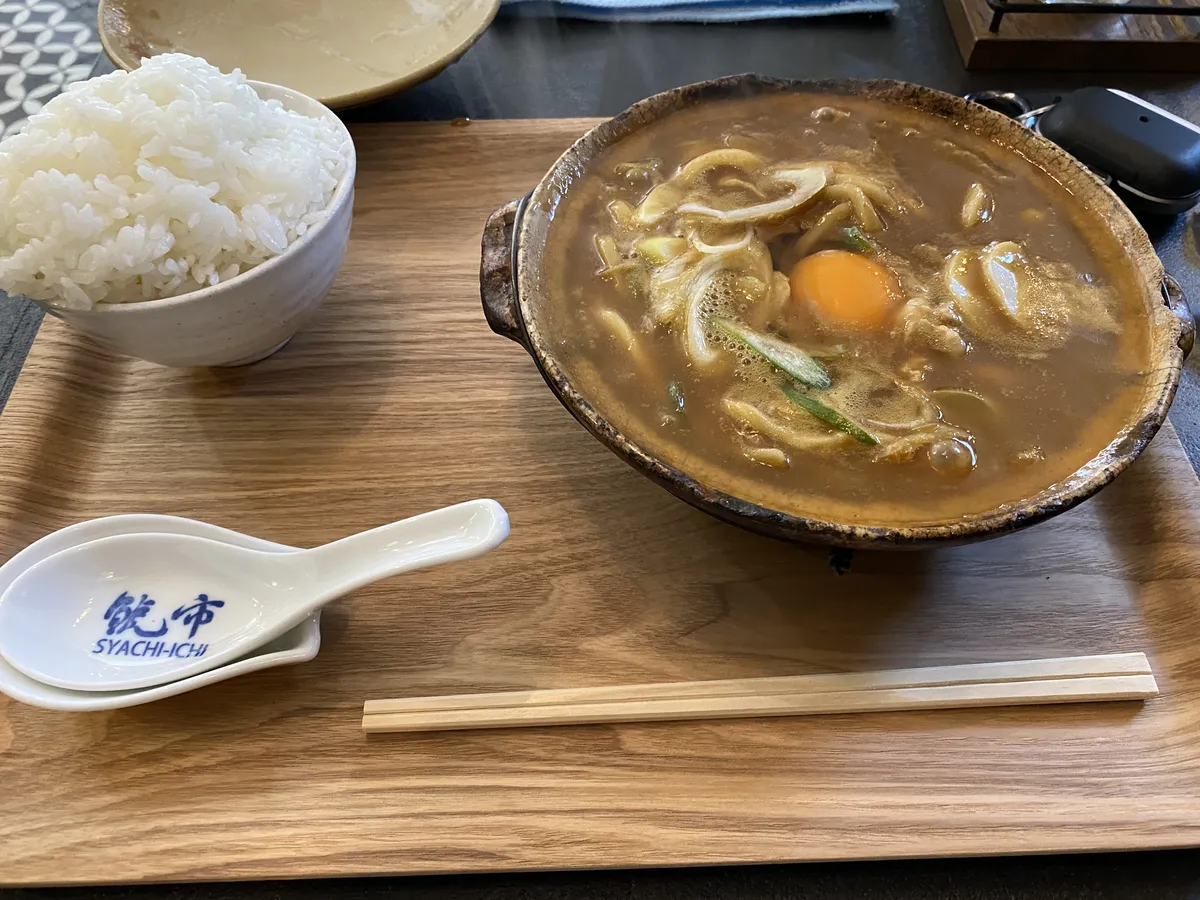
Daily food costs in Nagoya range from ¥2,000 for budget eating to ¥15,000+ for high-end dining, with the sweet spot around ¥5,000-8,000 per day covering all three meals including at least one signature Nagoya meshi (名古屋めし) dish.
Nagoya is one of Japan’s great food cities, and the good news for budget travelers is that outstanding meals are available at every price point. The city’s famous Nagoya meshi cuisine — including hitsumabushi (ひつまぶし), miso katsu (味噌カツ), tebasaki (手羽先), and kishimen (きしめん) — ranges from affordable to splurge-worthy. For our complete food guide, see Nagoya Food Guide: Must-Try Nagoya Meshi Dishes.
| Meal Type | Price Range (¥) | Examples |
|---|---|---|
| Convenience store meal | 500-800 | Onigiri + sandwich + drink at 7-Eleven, FamilyMart, Lawson |
| Morning service (モーニング) | 500-800 | Coffee price gets you toast plus a boiled egg, egg paste or sweet azuki at Komeda Coffee (コメダ珈琲店) |
| Ramen / Udon | 800-1,200 | Miso nikomi udon, kishimen (Sugakiya ramen is cheaper still, from ¥430) |
| Lunch set (ランチ) | 800-1,500 | Teishoku set meals, curry rice, donburi at local restaurants |
| Miso katsu | 1,200-2,000 | Yabaton (矢場とん), Suzuya (すゞ家) |
| Tebasaki (chicken wings) | 500-800 (per 5 pcs) | Sekai no Yamachan (世界の山ちゃん), Furaibo (風来坊) |
| Izakaya dinner | 3,000-5,000 | 2-3 drinks + shared dishes at local izakaya |
| Hitsumabushi | 4,950+ | Atsuta Houraiken (あつた蓬莱軒), Hitsumabushi Inou (ひつまぶし稲生) |
Sample daily food budgets:
- Budget (¥2,000-3,000/day): Morning service breakfast (¥500) + convenience store lunch (¥600) + ramen dinner (¥1,000)
- Mid-range (¥5,000-8,000/day): Hotel breakfast (free) + miso katsu lunch (¥1,500) + izakaya dinner (¥4,000)
- Splurge (¥10,000-15,000/day): Café breakfast (¥1,200) + hitsumabushi lunch (¥4,950) + kaiseki dinner (¥8,000+)
For the best ramen options specifically, check out our Nagoya Ramen Guide, and for shopping-district street food, see our Osu Shopping Street Guide.
Nagoya Food Tours and Experiences
What Are the Transport Costs in Nagoya?
Local transport in Nagoya costs ¥620-2,000 per day depending on how much you move around, with the ¥620 Donichi Eco Kippu (weekends, holidays and the 8th of each month) and the ¥760 subway 24-hour ticket being the best deals for tourists exploring the city.
Nagoya’s transport system is clean, punctual, and straightforward. The city subway (名古屋市営地下鉄) covers all major tourist areas across 6 lines, and buses fill in the gaps. For our complete transport guide, see Getting Around Nagoya.
| Transport | Cost (¥) | Notes |
|---|---|---|
| Subway single ride | 210-340 | Covers most tourist destinations. Pay by IC card (Manaca/Suica) or ticket. |
| Subway + bus 1-day pass (ドニチエコきっぷ) | 620 | Unlimited subway + city bus on Saturdays, Sundays, public holidays and the 8th of each month. Any-day alternatives: ¥760 subway-only 24-hour ticket, ¥870 subway + bus 1-day pass. |
| ME~GU sightseeing bus | 210 (single) / 500 (day pass) | Loop bus connecting Nagoya Castle, Tokugawa Garden, and other sights. |
| Meitetsu to Centrair Airport (regular) | 980 | 35 minutes, Nagoya Station to Chubu Centrair. |
| Meitetsu mu-Sky (ミュースカイ) to Centrair | 1,430 | 28 minutes, reserved seats, luggage space. Meitetsu Official |
| Taxi (typical city ride) | 1,000-2,500 | ¥500 base fare for the first 910 m, then ¥100 per 232m. Late-night surcharge 20%. |
If you plan day trips beyond the city, a regional JR Pass can dramatically reduce costs. See our JR Pass Guide for Central Japan for a detailed comparison of which pass saves you money based on your itinerary.
Local tip from Yuu: Get an IC card (Manaca or use your existing Suica/Pasmo) immediately on arrival. It works on all subways, buses, and Meitetsu trains, and saves you from buying individual tickets every ride. The ¥620 Donichi Eco Kippu pays for itself after just three subway rides on a weekend or holiday, and the ¥760 24-hour subway ticket does the same after four rides on any day — grab one on your first morning and explore freely.
JR Pass and Rail Pass Guide for Central Japan
How Much Do Attractions and Activities Cost?
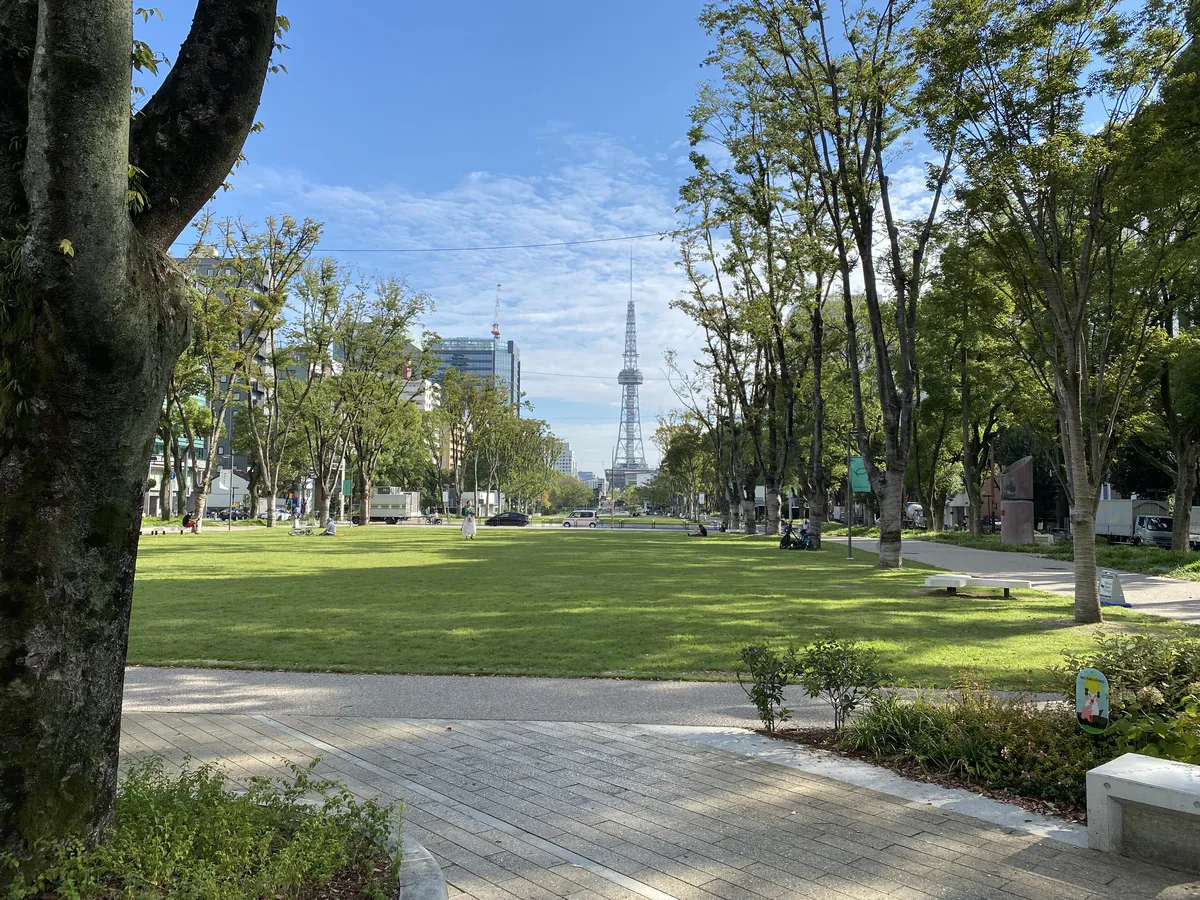
Most Nagoya attractions cost between ¥500-1,500 per person, with several excellent free options available — making sightseeing one of the most affordable parts of a Nagoya trip.
Compared to cities like Tokyo or Kyoto where popular attractions can cost ¥2,000-3,000 each, Nagoya keeps things reasonable. Several major sights are free, and even the premium ticketed experiences stay under ¥2,000. For our full list of things to do, see Things to Do in Nagoya.
| Attraction | Cost (¥) | Notes |
|---|---|---|
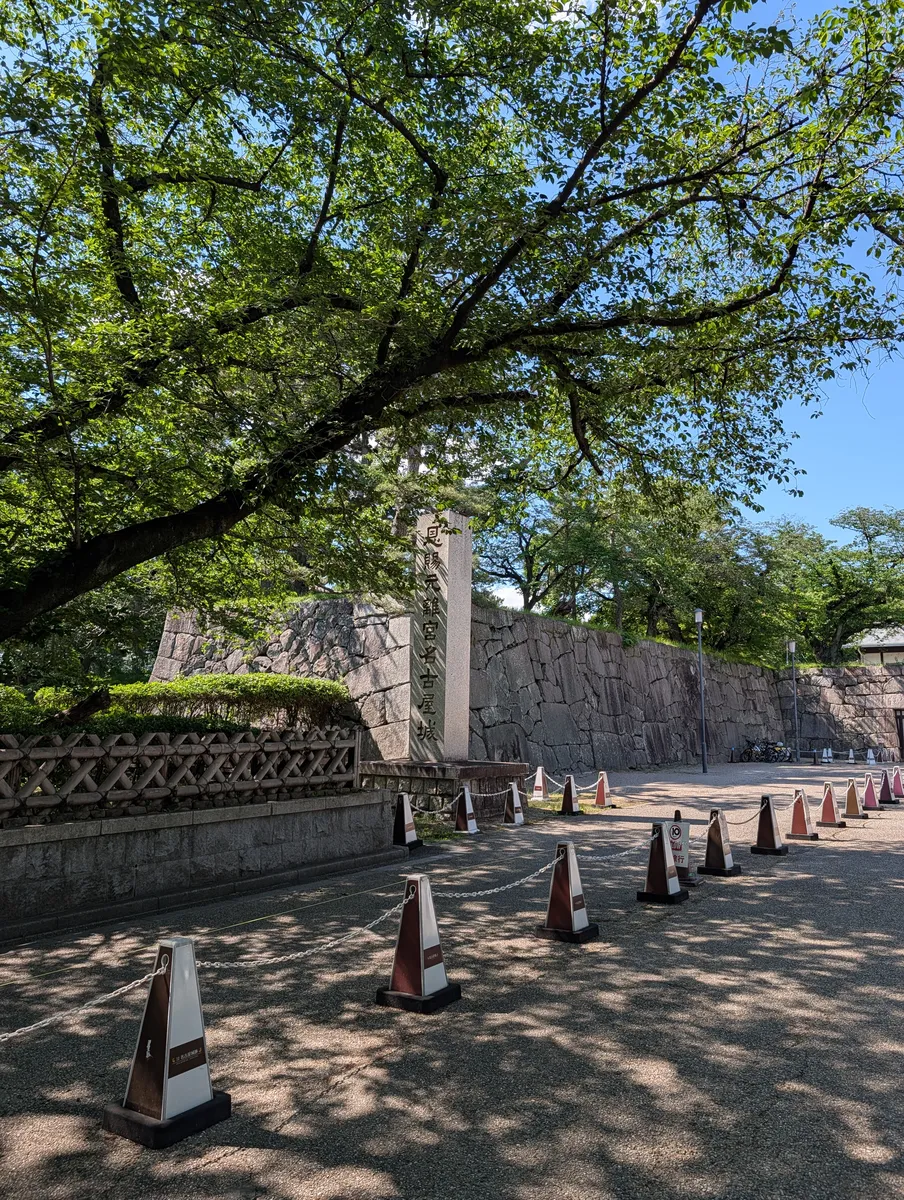
| Nagoya Castle (名古屋城) | 500 | Honmaru Palace included. Rising to ¥1,000 from 1 October 2026. One of Japan’s most impressive castles. Main keep closed for reconstruction through approximately 2032. Nagoya Castle Official Site |
| Atsuta Shrine (熱田神宮) | Free | One of Japan’s most sacred Shinto shrines. |
| Osu Kannon Temple & Shopping (大須観音) | Free | Temple is free; shopping and street food are pay-as-you-go. |
| SCMAGLEV and Railway Park (リニア・鉄道館) | 1,200 | Train museum with real Shinkansen and maglev exhibits. SCMAGLEV and Railway Park Official Site |
| MIRAI TOWER (中部電力 MIRAI TOWER) | 1,300 | Observation deck in Sakae with city views. MIRAI TOWER Official Site |
| Tokugawa Art Museum (徳川美術館) | 2,000 | Samurai artifacts and National Treasures. |
| Ghibli Park (ジブリパーク) | 1,000-7,800 | Varies by area and combination. Cheapest adult single-area ticket is ¥1,000 (Hill of Youth or Dondoko Forest); the Premium all-area pass is ¥7,300 on weekdays and ¥7,800 on weekends and holidays. Tickets sell out fast. Ghibli Park Official Tickets |
| Toyota Commemorative Museum (トヨタ産業技術記念館) | 1,000 | Textile and automotive history in original factory. Toyota Commemorative Museum Official Site |
| Noritake Garden (ノリタケの森) | 500 | Ceramics museum; gardens are free to enter. Noritake Garden Official Site |
For a deep dive into Nagoya Castle specifically, see our Nagoya Castle Complete Guide. Planning to visit Ghibli Park? Our Ghibli Park Complete Guide covers ticket booking, access, and how to plan your visit.
Daily attraction budgets:
- Budget (¥500-1,500): One paid attraction + free sights like Atsuta Shrine, Osu, and park strolling
- Mid-range (¥1,500-3,000): Two paid attractions or one premium experience
- Luxury (¥3,000-8,000): Ghibli Park full ticket + guided tour or premium activity
How Much Do Day Trips from Nagoya Cost?
Day trips from Nagoya range from ¥1,260 for nearby Inuyama to about ¥18,160 for a Kanazawa round trip, with transport being the biggest variable — a JR regional pass can cut these costs by 40-60%.
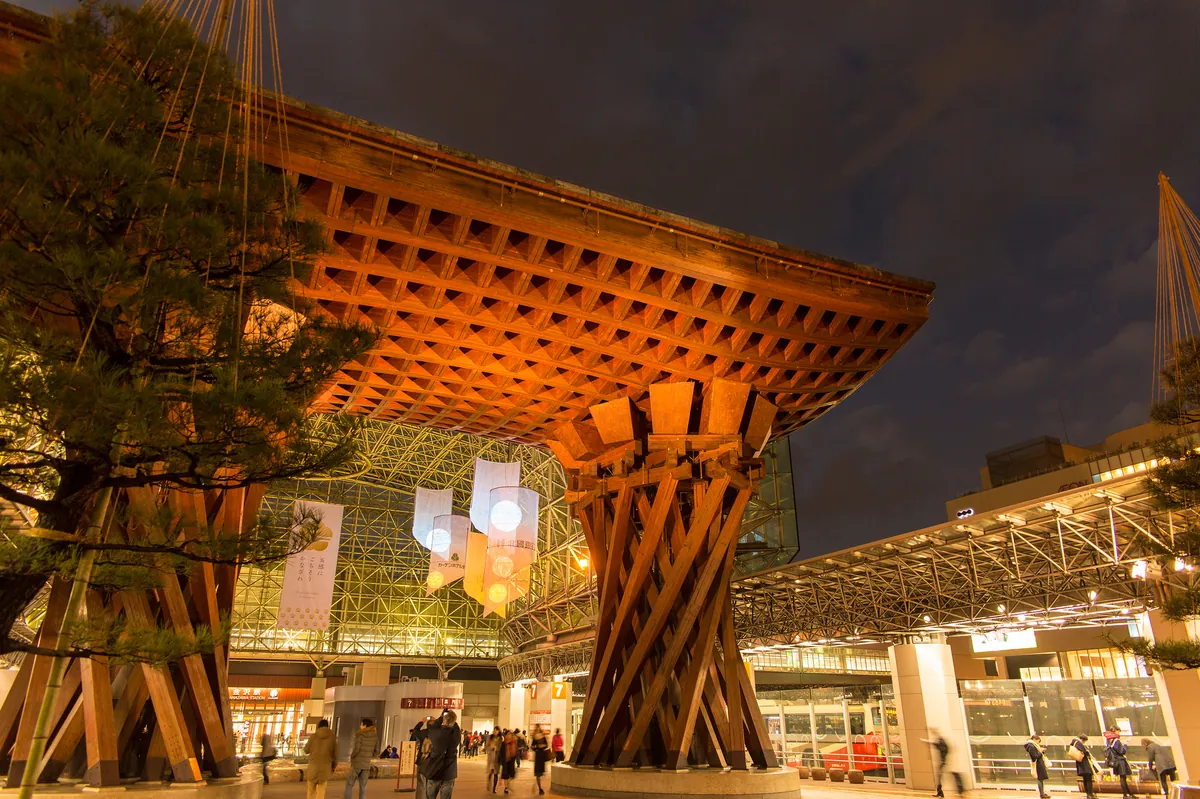
One of Nagoya’s greatest strengths as a travel base is its central location. Within 1-3 hours, you can reach mountain villages, historic castles, hot spring towns, and coastal shrines. Here is what each major day trip costs for transport alone:
| Day Trip | Transport Cost (Round Trip ¥) | Travel Time (One Way) | Our Guide |
|---|---|---|---|
| Inuyama (犬山) | 1,260 | 25-30 min (Meitetsu) | Inuyama Day Trip Guide |
| Takayama (高山) | 7,200 (bus) / approx. 12,300 (JR reserved) | 2 hr 40 min (bus) / 2.5 hr (JR) | Takayama & Shirakawa-go Guide |
| Shirakawa-go (白川郷) | Via Takayama: +5,600 RT from Takayama (Nohi Bus, ¥2,800 × 2) | 50 min from Takayama | Takayama & Shirakawa-go Guide |
| Kanazawa (金沢) | approx. 18,160 | 2.5-3 hr (JR) | Kanazawa Day Trip Guide |
| Ise Grand Shrine (伊勢神宮) | 4,000-6,160 | 1.5-2 hr (Kintetsu/JR) | Ise Shrine Day Trip Guide |
| Gero Onsen (下呂温泉) | 8,360 | 1.5-2 hr (JR) | Gero Onsen Guide |
Add entrance fees and meals: Beyond transport, budget ¥1,500-4,000 extra per day trip for entrance fees, lunch, and incidentals. Inuyama is the most affordable day trip overall, while Takayama + Shirakawa-go is the most expensive but also the most spectacular.
If you plan two or more day trips, seriously consider a regional JR Pass. The Takayama-Hokuriku Area Tourist Pass (¥19,800 for 5 days) covers Takayama, Shirakawa-go, and Kanazawa — trips that would cost over ¥35,000 if purchased individually.
What Money-Saving Tips Work in Nagoya?
Smart travelers can cut 30-40% off their Nagoya trip cost by using local hacks that most tourist guides overlook — from morning service breakfasts to strategic pass purchases and free attractions.
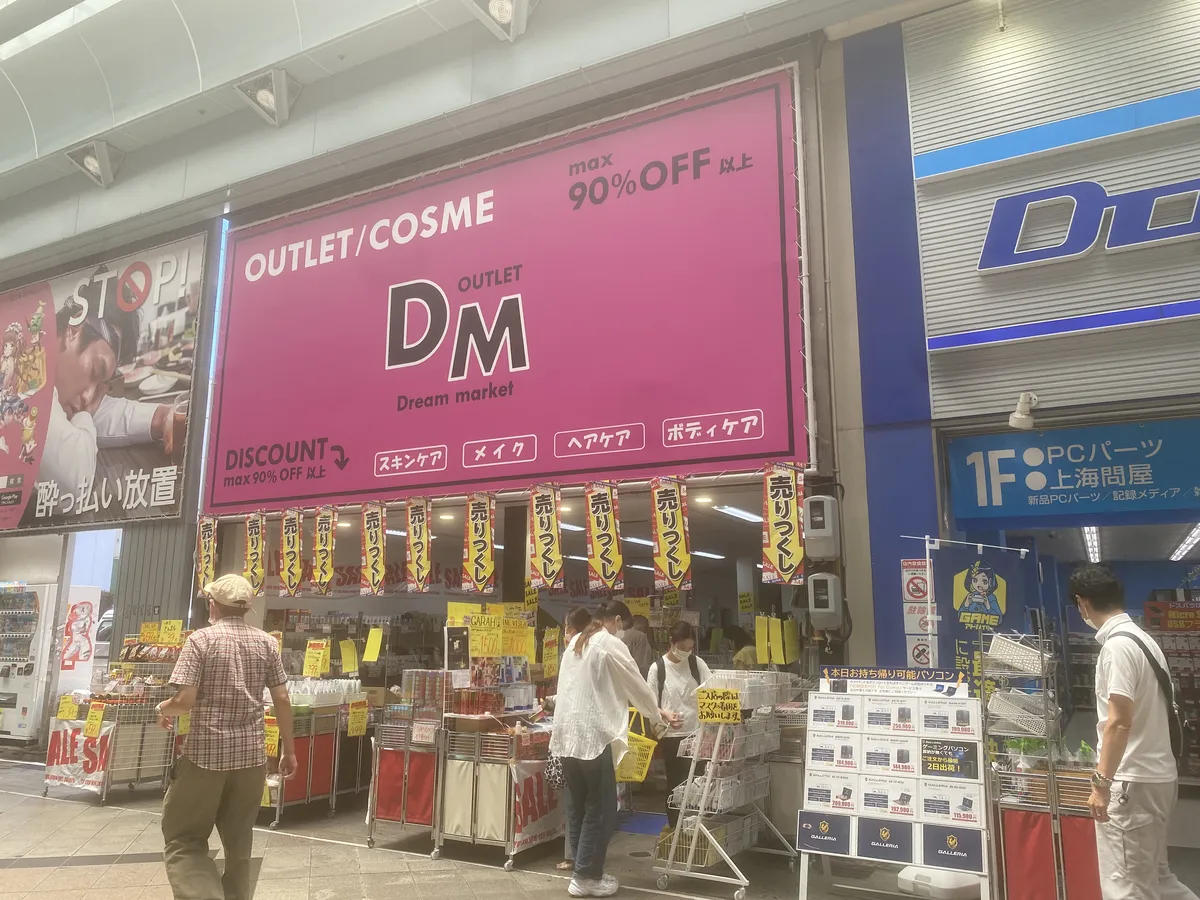
Here are the most effective money-saving strategies, ranked by impact:
1. Use morning service (モーニングサービス) for free breakfast. Nagoya’s coffee culture includes a tradition where ordering a coffee (¥400-500) gets you toast, eggs, and sometimes salad for free. Komeda Coffee (コメダ珈琲店) is the most famous chain offering this, but hundreds of independent kissaten (喫茶店) across the city do the same. This is unique to the Nagoya region and saves ¥500-1,000 daily compared to buying breakfast separately.
2. Buy the Donichi Eco Kippu (ドニチエコきっぷ) subway/bus pass. At ¥620 for unlimited rides on Saturdays, Sundays, public holidays and the 8th of each month, this pass pays for itself after three rides. On other days the equivalents are the ¥870 subway + bus 1-day pass or the ¥760 subway-only 24-hour ticket. It also gets you discounted entry to Nagoya Castle and other city attractions.
3. Eat at depachika (デパ地下) department store basements. The basement food floors of Takashimaya, Matsuzakaya, and Mitsukoshi in Nagoya offer high-quality bento, sushi, and deli items. Visit 30-60 minutes before closing time for 20-50% markdowns on items that must sell that day.
4. Prioritize free attractions. Atsuta Shrine (熱田神宮), Osu Shopping Street (大須商店街), Shirotori Garden (白鳥庭園, ¥300), and the Toyota Commemorative Museum grounds are free or nearly free. You can fill an entire day without spending on admission.
5. Stay on the west side of Nagoya Station. Hotels on the Taikou-dori (太閤通) side of Nagoya Station are 10-30% cheaper than east-side equivalents, with the same transit access. See our hotel guide for specific recommendations.
6. Use convenience stores strategically. A filling convenience store meal (onigiri + side + drink) costs ¥500-800. Use this for one meal a day and save your food budget for signature Nagoya meshi experiences that are worth the splurge.
7. Get a regional JR Pass for day trips. If you plan trips to Takayama, Kanazawa, or both, a Takayama-Hokuriku Area Tourist Pass (¥19,800/5 days) saves ¥10,000-15,000 versus individual tickets. Details in our JR Pass Guide.
8. No tipping required. Unlike many countries, Japan has no tipping culture. The price on the menu is what you pay (plus 10% consumption tax, usually included in listed prices). This alone saves 15-20% compared to dining in the US or Europe.
For more essential travel tips and practical preparation advice, see our Japan Travel Essentials for Central Japan.
Sample Budgets: 3-Day, 5-Day, 7-Day Itineraries
These sample budgets show realistic total costs per person for different trip lengths and travel styles, based on the daily rates detailed above. Use them as planning benchmarks.
For a detailed day-by-day plan, see our Nagoya 3-Day Itinerary.
3-Day Nagoya Trip
| Category | Budget (¥) | Mid-Range (¥) | Luxury (¥) |
|---|---|---|---|
| Airport transfer (Centrair RT) | 1,960 | 2,860 | 2,860 |
| Accommodation (3 nights) | 9,000-18,000 | 24,000-45,000 | 75,000-150,000 |
| Food (3 days) | 6,000-9,000 | 15,000-24,000 | 30,000-60,000 |
| Transport (subway passes) | 2,280 | 3,000-5,000 | 6,000-10,000 |
| Activities | 1,500-4,500 | 4,500-9,000 | 9,000-24,000 |
| Miscellaneous | 1,500-3,000 | 3,000-6,000 | 6,000-15,000 |
| 3-Day Total | ¥22,000-38,000 | ¥52,000-91,000 | ¥129,000-262,000 |
| Approx. USD | $145-250 | $345-600 | $860-1,745 |
USD estimates based on approximately ¥150 = $1 (2026 rates). Check current exchange rates before your trip.
5-Day Nagoya Trip (with 1 day trip)
| Category | Budget (¥) | Mid-Range (¥) | Luxury (¥) |
|---|---|---|---|
| Airport transfer (Centrair RT) | 1,960 | 2,860 | 2,860 |
| Accommodation (5 nights) | 15,000-30,000 | 40,000-75,000 | 125,000-250,000 |
| Food (5 days) | 10,000-15,000 | 25,000-40,000 | 50,000-100,000 |
| City transport (5 days) | 3,800 | 5,000-8,000 | 10,000-15,000 |
| 1 Day trip (Inuyama) | 5,000-6,000 | 7,000-9,000 | 10,000-15,000 |
| Activities | 2,500-7,500 | 7,500-15,000 | 15,000-40,000 |
| Miscellaneous | 2,500-5,000 | 5,000-10,000 | 10,000-25,000 |
| 5-Day Total | ¥41,000-69,000 | ¥92,000-160,000 | ¥223,000-448,000 |
| Approx. USD | $275-460 | $615-1,065 | $1,485-2,985 |
7-Day Nagoya Trip (with 2 day trips)
| Category | Budget (¥) | Mid-Range (¥) | Luxury (¥) |
|---|---|---|---|
| Airport transfer (Centrair RT) | 1,960 | 2,860 | 2,860 |
| Accommodation (7 nights) | 21,000-42,000 | 56,000-105,000 | 175,000-350,000 |
| Food (7 days) | 14,000-21,000 | 35,000-56,000 | 70,000-140,000 |
| City transport (7 days) | 5,320 | 7,000-11,000 | 14,000-21,000 |
| JR Pass or day trip transport | 10,000-15,000 | 19,800 | 19,800 |
| Activities | 3,500-10,500 | 10,500-21,000 | 21,000-56,000 |
| Miscellaneous | 3,500-7,000 | 7,000-14,000 | 14,000-35,000 |
| 7-Day Total | ¥59,000-103,000 | ¥138,000-230,000 | ¥317,000-625,000 |
| Approx. USD | $395-685 | $920-1,535 | $2,115-4,165 |
Note: These totals exclude international flights, travel insurance, and souvenir purchases. Couples sharing a room can reduce the accommodation portion by roughly 35-45% per person.
Local tip from Yuu: For a 7-day trip, the Takayama-Hokuriku Area Tourist Pass at ¥19,800 is almost always worth it. I have calculated this dozens of times for friends visiting me — even if you only do Takayama + one other JR trip, the pass pays for itself. Buy it before you arrive in Japan through an authorized agent for the best price.
Frequently Asked Questions
How much does a Nagoya trip cost per day?
A Nagoya trip costs approximately ¥6,600-12,500 per day on a budget, ¥16,500-30,000 per day for mid-range travel, and ¥42,000-88,000+ per day for luxury. These figures include accommodation, food, local transport, and one activity. Nagoya is 20-40% cheaper than Tokyo for equivalent experiences.
Is Nagoya cheaper than Tokyo for tourists?
Yes, significantly. Hotel rooms in Nagoya cost 20-40% less than Tokyo equivalents, food is 15-25% cheaper, and many attractions cost under ¥1,000. A mid-range hotel room costing ¥10,000-15,000 in Nagoya would cost ¥18,000-25,000 in Tokyo. According to Japan National Tourism Organization, Nagoya offers excellent value as a major city destination.
How much should I budget for food in Nagoya?
Budget ¥2,000-3,000 per day using convenience stores, ramen shops, and morning service breakfasts. Mid-range food budgets of ¥5,000-8,000 per day allow for signature dishes like hitsumabushi (¥4,950+) and izakaya dinners. High-end dining runs ¥10,000-15,000+ per day.
What is the cheapest way to get from Centrair Airport to Nagoya?
The cheapest option is the Meitetsu regular express train at ¥980, taking about 35 minutes to Nagoya Station. The faster mu-Sky (ミュースカイ) limited express costs ¥1,430 and takes 28 minutes. Avoid taxis, which cost roughly ¥10,500-12,000 for the 45-50 minute ride into the city.
How many days do you need in Nagoya?
Three days is the sweet spot for first-time visitors — enough to see Nagoya Castle, eat your fill of Nagoya meshi, and take one day trip. Five days allows for two day trips plus deeper city exploration. Seven days lets you cover Nagoya comprehensively and add trips to Takayama, Kanazawa, and Ise.
Do I need a JR Pass for Nagoya travel?
For Nagoya city only, no — the subway system is sufficient. But if you plan day trips to Kanazawa, Takayama, or Ise, a regional JR Pass such as the Takayama-Hokuriku Area Tourist Pass (¥19,800 for 5 days) can save significant money. See our JR Pass Guide for Central Japan for detailed comparisons.
What are the hidden costs of traveling in Nagoya?
Common hidden costs include coin locker fees (¥400-800 per use), temple and shrine entrance fees on day trips, souvenir shopping at station malls, and vending machine drinks (¥130-170 each). Budget an extra ¥1,000-2,000 per day for miscellaneous expenses. One major saving: tipping is not expected in Japan.
Related Guides
This budget guide connects to our full library of Nagoya and central Japan travel content. Use these guides to plan each aspect of your trip:
- Getting Started: Japan Travel Essentials for Central Japan — visas, SIM cards, cash vs. cards, what to pack
- Where to Stay: Where to Stay in Nagoya — neighborhood comparisons and hotel picks by budget
- Getting Around: Getting Around Nagoya — subway, bus, and IC card guide
- JR Passes: JR Pass Guide for Central Japan — which pass saves you money
- Food: Nagoya Food Guide: Must-Try Nagoya Meshi — 18 essential dishes and where to eat
- Ramen: Nagoya Ramen Guide — the best bowls in the city
- Sightseeing: Things to Do in Nagoya — complete activity guide
- Nagoya Castle: Nagoya Castle Complete Guide — Honmaru Palace, access, and tips
- Shopping: Osu Shopping Street Guide — street food, vintage, and subculture shopping
- Ghibli Park: Ghibli Park Complete Guide — tickets, access, and planning
- Itinerary: Nagoya 3-Day Itinerary — day-by-day plan
Day Trip Guides: