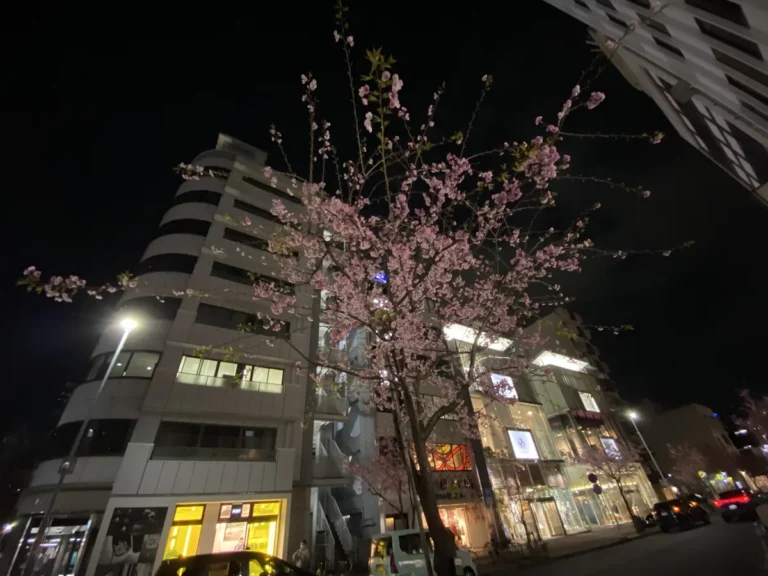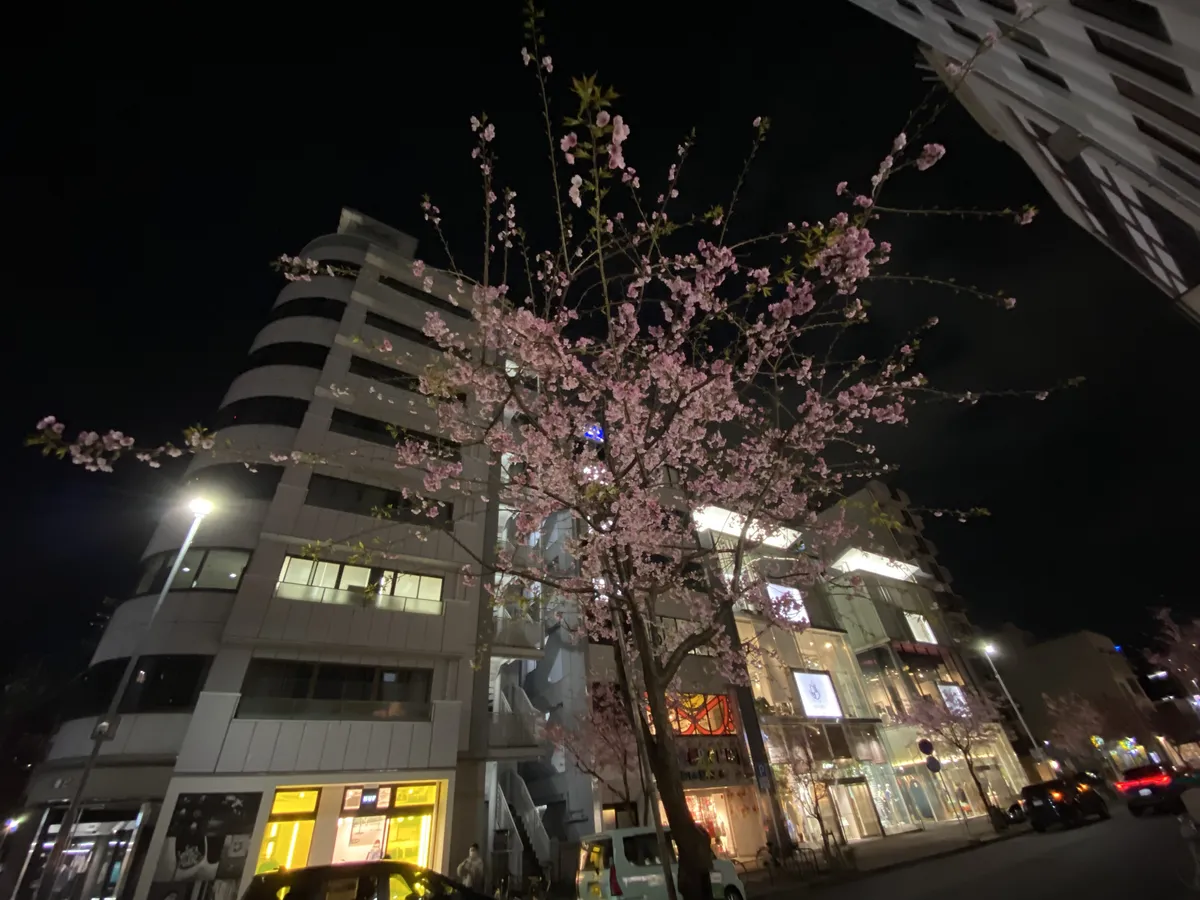
Nagoya’s cherry blossom (sakura) season runs from late March through early April, with peak bloom typically landing on the first weekend of April. The three spots I send every visitor to are the Yamazaki River (Mizuho Ward, one of Japan’s Top 100 Cherry Blossom Spots), Tsuruma Park (Showa Ward, also on the Top 100 list and the city’s loudest hanami party), and Meijo Park (north of Nagoya Castle, my personal pick for yozakura — night sakura). After 35 years here, my honest advice is that the best version of Nagoya hanami is not about chasing the most famous tree — it’s about pairing the right spot with the right time of day, eating well, and giving yourself a quiet weekday evening to actually feel the season. This guide is built around exactly that.
Last updated: April 2026 | Author: Yuu (born and raised in Nagoya, 35 years local)
This article may contain affiliate links. See our affiliate disclosure for details.
Table of Contents
- When Does Sakura Bloom in Nagoya? Typical Timing and Forecast
- Top 7 Cherry Blossom Spots in Nagoya
- Day Hanami vs. Yozakura: Which Should You Choose?
- Hanami Etiquette and Tradition
- Nagoya-meshi Worth Eating Under the Sakura
- Beating the Crowds and Getting Around
- Practical Information
- Frequently Asked Questions
- About the Author
- Related Guides
When Does Sakura Bloom in Nagoya? Typical Timing and Forecast
Nagoya’s somei yoshino — the standard pale-pink cherry blossom variety that defines hanami in Japan — typically opens between March 22 and 26, with full bloom landing roughly a week later, around March 29 to April 3. Peak holds for about a week before the petals start to drop. The first weekend of April is the practical center of the season — that is when the largest hanami crowds form, when food stalls hit full operation, and when the news leads with sakura coverage every night.
Bloom Dates Over the Past Five Years
| Year | First Bloom | Full Bloom |
|---|---|---|
| 2021 | March 17 (record early) | March 28 |
| 2022 | March 22 | March 30 |
| 2023 | March 17 | March 27 |
| 2024 | March 28 | April 7 |
| 2025 | March 26 | April 4 |
Year-to-year variation can be as much as ten days. Always confirm closer to your dates with the official forecast.
Source: Japan Meteorological Agency — Cherry Blossom Bloom Records. The Nagoya Local Observatory’s official 1991-2020 average (heinen-chi) first-bloom date is March 24, and the average full-bloom date is April 2.
How to Time a Sakura Trip
- Late March arrival: Land just after the official “bloom declaration” and you can chase the front upward — Nagoya into Kyoto in the same trip.
- Early April arrival: Aim for the full-bloom window. Yamazaki River and Tsuruma Park hit their peak on the first weekend of April most years.
- Mid-April arrival: Somei yoshino is finished, but late-blooming varieties — yaezakura (double cherry) and shidarezakura (weeping cherry) — at Higashiyama Botanical Gardens extend the season for another week or two.
After 35 years here, the honest thing about sakura in Nagoya is that the timing is genuinely a gamble. A weekend of rain at peak bloom can strip the trees in a couple of days. The best version of the season is almost never the headlined Saturday — it’s the weekday evening between first bloom and full bloom, when the crowds have not arrived yet and the trees are already photogenic. If you have any flexibility in your schedule, build it around weeknight viewing, not weekend.
Top 7 Cherry Blossom Spots in Nagoya
The list below is ordered by my own visit frequency, the quality of the scene, and how the crowd density actually feels on the ground. The top three are the ones I’d insist any first-time visitor see.
1. Yamazaki River (Yamazaki-gawa) — Mizuho Ward
Selected as one of Japan’s Top 100 Cherry Blossom Spots, the Yamazaki River is the corridor that defines hanami in Nagoya for me. Roughly 550-600 somei yoshino trees (the exact count varies slightly by source and by year, due to ongoing replanting) line about 2.5 km of riverbank from Ishikawa-bashi bridge to Ochiai-bashi bridge, forming a continuous tunnel of blossoms over the water. Source: Nagoya City Official Site — Mizuho Ward Cherry Blossoms.
The section I personally recommend most strongly is the stretch near Mizuho Athletic Stadium. The combination of the river, the canopy of pale pink, and students walking the path along the bank produces a deeply nostalgic atmosphere. I have been walking this same river every spring since high school, and one quiet thought returns every time the petals start to fall: “how many more peak blooms will I see in this life?” The fragility of the moment — the fact that the perfect view holds for maybe four days — is not a sad thought. It’s the thought that turns sakura from a photo into something closer to gratitude. Yamazaki River is the spot where that feeling lands the hardest for me.
- Peak bloom: Late March to early April
- Time needed: 2-3 hours of walking
- Lighting: Limited — there is no cherry blossom festival here; Nagoya City lights only about a 120 m stretch near Kanae-bashi for roughly ten days around peak bloom (recent years: about 18:30-21:00). The rest of the 2.5 km corridor has no festival lighting, so bring a light
- Access: About 15 minutes on foot from Mizuho Undojo Higashi Station (Subway Meijo Line) or Mizuho Undojo Nishi Station (Subway Sakuradori Line)
- Crowds: 3/5 — busiest with families on weekends
Source: Nagoya Convention & Visitors Bureau — Yamazaki River. Designated as one of Japan’s Top 100 Cherry Blossom Spots.
2. Tsuruma Park (Tsurumakoen) — Showa Ward
Also designated as one of Japan’s Top 100 Cherry Blossom Spots, Tsuruma Park is Nagoya’s oldest public park (opened 1909). Roughly 750 somei yoshino trees bloom across the grounds, and during the cherry blossom festival the park is lit by paper lanterns (bonbori) for a classic, slightly old-fashioned atmosphere.
Tsuruma is the city’s largest concentration of yatai (festival food stalls) — easily the loudest, most party-like hanami in Nagoya, and the one with the widest age range of groups (everyone from university students to office colleagues to multi-generation families). I’ll be honest about my own preference: I’m not great with dense crowds, so I tend to skip Tsuruma at peak weekend. It’s worth experiencing once for the sheer energy, but my favorite use of Tsuruma is on a weekday afternoon after the lunch rush, when the food stalls are open but the crowd has thinned. The yatai classics — yakisoba, takoyaki, hashimaki — are exactly what hanami is supposed to taste like.
- Peak bloom: Late March to early April
- Time needed: 1-2 hours
- Lighting: Yes, during the cherry blossom festival — recent years have run roughly 18:00-22:00 daily; confirm the current year’s dates and hours on the park’s official site
- Access: 1 minute on foot from Tsurumai Station (JR Chuo Line / Subway Tsurumai Line)
- Crowds: 5/5 — the most crowded sakura spot in Nagoya
Source: Tsuruma Park Official Site. Opened 1909, designated as one of Japan’s Top 100 Cherry Blossom Spots.
3. Meijo Park (Meijokoen) — Kita Ward, North of Nagoya Castle
Meijo Park sits directly north of Nagoya Castle, with the castle keep as borrowed scenery behind the cherry trees — Nagoya Convention & Visitors Bureau lists roughly 150-200 somei yoshino within Meijo Park itself (the wider Nagoya Castle grounds add several hundred more, for about 900 trees across roughly 10 varieties), and a beautiful yozakura scene at night. Source: Nagoya Convention & Visitors Bureau.
Meijo Park at night is comparatively uncrowded, which is why it’s my personal favorite of the three. The sakura blooming at the base of Nagoya Castle is a view you can only get here — the silhouette of the castle keep paired with the cloud of pale pink underneath has a particular quality that Kyoto and Tokyo simply cannot replicate. As someone who avoids crowds, I usually go on a weekday evening between 19:00 and 20:00. The lighting is on, the air is cool, and there is enough space around each tree to actually stop and look. For foreign visitors, this is the spot I most want you to see — it is the most “Nagoya” hanami experience available.
- Peak bloom: Late March to early April
- Time needed: 2-3 hours (a full day if combined with Nagoya Castle)
- Lighting: Bonbori lanterns are lit at night around peak bloom, but Meijo Park has no light-up event of its own — the full sakura illumination is inside the paid Nagoya Castle grounds during the castle’s spring festival, which extends closing into the evening
- Access: 1 minute on foot from Meijokoen Station (Subway Meijo Line)
- Crowds: 3/5 — quiet at night, busier in daylight
For the castle itself, see the Nagoya Castle Complete Guide.
4. Higashiyama Zoo and Botanical Gardens
Known as the “sakura corridor” within the botanical gardens — roughly 1,000 trees across 100 varieties, including yaezakura and shidarezakura that extend the bloom calendar into mid-April. The combination with the zoo means you can fill an entire day here with the family.
- Peak bloom: Late March through mid-April (rolling, by variety)
- Admission: 500 yen (rising to 800 yen for adults on October 1, 2026; junior-high age and under stay free)
- Access: 3 minutes on foot from Higashiyama Koen Station (Subway Higashiyama Line)
- Best for: Families and travelers who want a full-day visit
5. Nagoya Castle Inner Moat
Inside the paid Nagoya Castle grounds, the cherry trees around the main keep produce one of the city’s signature photographs — the historic donjon framed by sakura. This is the postcard view of Nagoya in spring.
- Peak bloom: Late March to early April
- Admission: 500 yen (Nagoya Castle entry; rising to 1,000 yen for adults on October 1, 2026)
- Access: 5 minutes on foot from Nagoya Castle Station (Subway Meijo Line, renamed from “Shiyakusho” in January 2023)
6. Inuyama Castle (Inuyama City, Aichi)
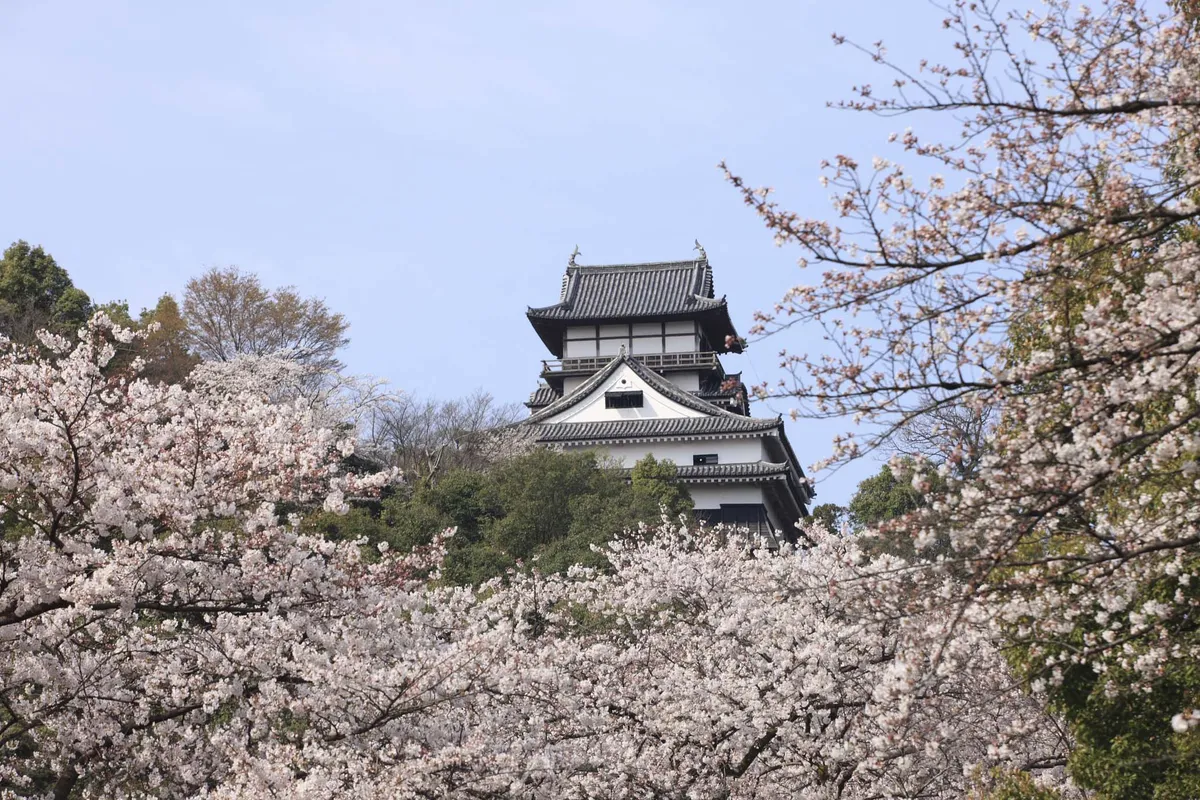
Outside Nagoya proper, but only about 25 minutes north on the Meitetsu limited express, Inuyama Castle pairs Japan’s oldest existing castle keep (a National Treasure) with cherry blossoms. The combination is one of the most-photographed sakura scenes in central Japan, and the timing of the famous Inuyama Festival (first weekend of April) frequently overlaps with peak bloom.
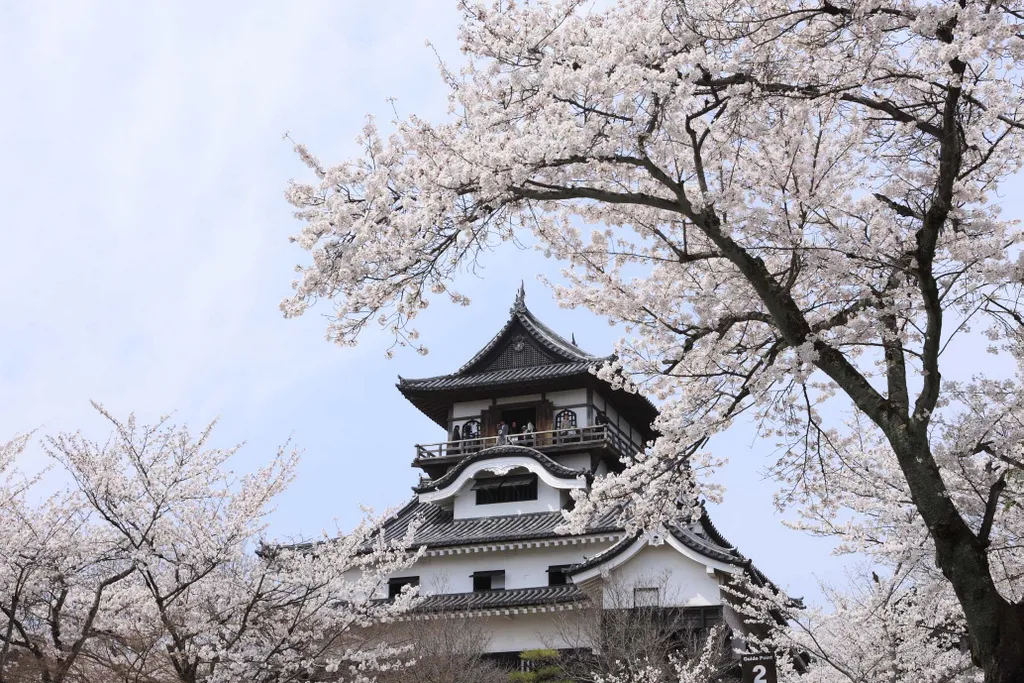
- Peak bloom: Early April
- Access: 15 minutes on foot from Inuyama-yuen Station (Meitetsu Inuyama Line)
- Pair with: See the Inuyama day trip guide for a full itinerary.
7. Odaka Ryokuchi Park
A large park in southern Nagoya — on the order of 1,000 cherry trees across some 30 varieties in and around its dedicated “Sakura Garden” (the park office does not publish a single official tree count, so treat this as an approximate figure) — with pond views and broad lawn space. The best in the city for picnicking, especially with kids.
- Peak bloom: Late March to early April
- Time needed: 3-4 hours
- Access: About 5 minutes on foot from Sakyoyama Station (Meitetsu Nagoya Main Line)
Day Hanami vs. Yozakura: Which Should You Choose?
Nagoya’s sakura works in two distinct modes — daytime hanami and yozakura (night sakura). They are different experiences entirely, and ideally you’d do both. If you can only do one, the choice depends on what you actually want from the visit.
The Case for Daytime Hanami
- True color: The pale pink reads correctly only in daylight
- Picnic culture: You can spread a mat and a bento under the trees (Tsuruma Park and Odaka Ryokuchi are the best for this)
- Family friendly: Easier with kids and older travelers
- Yatai access: The food-stall culture is at full strength during the day
The Case for Yozakura
- Atmosphere: Lighting transforms the trees — Meijo Park and Yamazaki River are spectacular
- Lower density: Crowds drop noticeably after 19:00
- Photography: Backlighting deepens the color and produces the iconic shots
- Quieter mood: Better for couples and for travelers who want to actually stand still and look
To say this plainly: I’m a yozakura person. My established spring routine is a quiet weekday evening — between 19:00 and 20:30 — walking either Meijo Park or the Yamazaki River. The daytime energy is genuinely fun if you go with company (more on that below), but the still, slightly cool, slightly hushed quality of yozakura is, for me, the real face of spring in Nagoya.
One honest aside: hanami in Japan is built around going with people — family, work colleagues, university friends. Even as someone who avoids crowds, when you actually go with a group, the day version becomes its own kind of fun in spite of the density. Going matters more than where you go. If you have travel companions, lean into the daytime version at least once. If you’re solo, build the trip around yozakura.
Yozakura Ranking
- Meijo Park: The combination with Nagoya Castle is unmatched in central Japan
- Yamazaki River: Lit blossoms reflected in the river surface
- Tsuruma Park: Bonbori lanterns deliver the most traditional atmosphere
For yozakura, bring a small flashlight or use your phone light. The footing under the trees is darker than you’d expect, and the riverside paths along Yamazaki River have stone steps and uneven sections that catch people out. A spring evening in March is colder than it sounds — bring a light jacket. And if you can, plan around a weeknight rather than the headlined weekend; the experience is genuinely better.
Hanami Etiquette and Tradition
Hanami — literally “flower viewing” — is a tradition with over 1,000 years of history, generally traced to cherry-blossom viewing customs that took root among the Heian-era aristocracy (with even earlier plum-blossom viewing recorded in the Nara period). The modern version is centered on picnicking and gathering under the trees with family, friends, or work colleagues. The etiquette is simple but worth knowing.
Basic Hanami Etiquette
- Do not break or shake the branches. This is the single biggest rule.
- Respect the place-saving conventions. At Tsuruma and Meijo, locals sometimes arrive at dawn to lay tarps; honor the existing claims.
- Take all your trash with you. Park bins are limited and overflow quickly during sakura season.
- No loud music. Bluetooth speakers are a fast way to get a complaint from the next group over.
- No barbecuing or open flames. Both are prohibited in Nagoya city parks as a rule.
The Traditional Way to Enjoy Hanami
- Bring a bento and drinks and eat under the blossoms
- Drink sakura tea and eat sakura mochi (a pink rice cake wrapped in a salted cherry leaf)
- Compose haiku or take photographs to mark the season
- Daytime gatherings with colleagues and friends — hanami is fundamentally a social tradition
The Modern Hanami Style
- Hanami bento: Pre-order from a department-store food hall (Senbikiya, Mitsukoshi, Takashimaya, and so on)
- Hanami dango and sakura mochi: Pick up from established Nagoya wagashi shops (Ryoguchiya Korekiyo, Kawaguchiya — note that Kawaguchiya closes on Sundays and public holidays)
- Hanami beer: Cans of beer or sparkling wine are normal — convenience stores stock everything you need
Source: Nagoya Convention & Visitors Bureau — official cherry blossom season guidance.
Nagoya-meshi Worth Eating Under the Sakura
Hanami food in Nagoya should taste like Nagoya — that is the entire point. Below is what I’d actually pack.
Best Nagoya-meshi for Hanami
| Item | Why It Works | Where to Buy |
|---|---|---|
| Sakura mochi (Domyoji style) | The seasonal wagashi | Ryoguchiya Korekiyo, Kawaguchiya (closed Sun/holidays) |
| Uiro | The Nagoya signature sweet, with a sakura version in spring | Aoyagi Sohonke, Osu Uiro |
| Hanami dango | Three-color (pink, white, green) — the visual icon of hanami | Most wagashi shops |
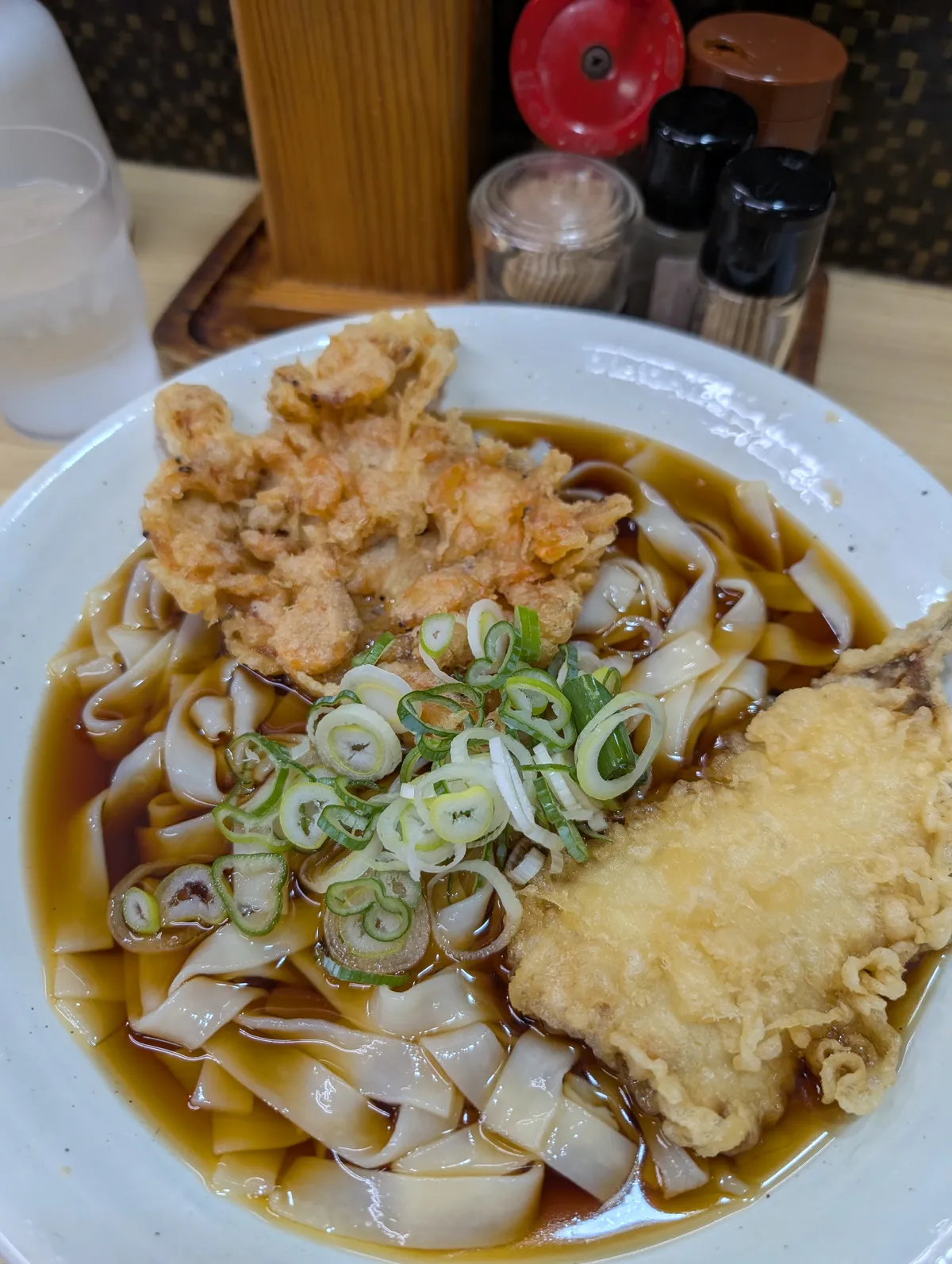
| Kishimen bento | Flat noodles that hold up cold | Nagoya Station underground concourse |
| Tenmusu | Small, easy to eat under a tree | Tenmusu Senju (Osu) |
| Tebasaki | The default hanami snack with beer | Furaibo, Yamachan |
| Hanami bento | The polished version of the meal | JR Takashimaya basement, Matsuzakaya |
What to Drink
- Local sake (Aichi and Gifu): Many breweries release a spring-only hanami label — fun to seek out
- Sakura-flavored sake: Limited-edition bottles brewed with cherry-blossom yeast
- Sakura highball or sakura mojito: Bars across the city run seasonal cocktails
The single biggest upgrade to your hanami food experience is to pre-order a hanami bento from a department-store food hall. JR Takashimaya and Matsuzakaya Sakae take reservations up to three days in advance, and the 2,000 to 5,000 yen range gets you a serious meal — multiple courses, seasonal seafood, properly arranged in a presentation box. The quality is on a different level from anything you can buy on the day at a convenience store, and the price is honestly reasonable for what you get.
Beating the Crowds and Getting Around
Three Ways to Avoid the Worst Crowds
- Visit on a weekday — Tuesday, Wednesday, and Thursday are noticeably calmer
- Aim for early morning (07:00-09:00) or late afternoon (after 16:00)
- Catch the season at the edges — first week (just-bloomed) or third week (petals falling) — rather than the headlined peak weekend
Crowd Levels at Peak Weekend
| Spot | Peak Weekend Crowd | Wait Times |
|---|---|---|
| Tsuruma Park | 5/5 | No entry queue, but the grounds are packed |
| Yamazaki River | 4/5 | Walking-pace bottlenecks along the path |
| Meijo Park | 3/5 | Smooth entry, busy on the lawn |
| Higashiyama Botanical Gardens | 4/5 | 20-30 minute ticket queue |
| Nagoya Castle | 4/5 | 5-15 minute entry queue |
Subway Access from Nagoya Station
| Spot | Nearest Station | Time from Nagoya Station |
|---|---|---|
| Yamazaki River | Mizuho Undojo Nishi (Subway Sakuradori Line) | 20 minutes |
| Tsuruma Park | Tsurumai (JR / Subway Tsurumai Line) | 15 minutes |
| Meijo Park | Meijokoen (Subway Meijo Line) | 15 minutes |
| Higashiyama Botanical Gardens | Higashiyama Koen (Subway Higashiyama Line) | 20 minutes |
| Nagoya Castle | Nagoya Castle (formerly Shiyakusho; Subway Meijo Line) | 12 minutes |
Nagoya’s hanami spots are all 15 to 20 minutes by subway from Nagoya Station, which makes a half-day, two-or-three-spot tour genuinely workable. The day plan I personally use most often is Meijo Park in the morning, Nagoya Castle for lunch, Yamazaki River in the late afternoon, and an izakaya in the evening. After a full day on your feet under the blossoms, the right finish is hitsumabushi or miso katsu — Nagoya’s two most photogenic dinners — at one of the central izakaya. That ending, more than the trees themselves, is what makes a hanami trip to Nagoya feel complete.
For full transport detail, see the Nagoya transport guide.
Practical Information
| First bloom | Around March 22-26 |
| Full bloom | Around March 29 – April 3 |
| Hanami peak | First weekend of April |
| Top 100 Cherry Blossom Spots in Japan | Yamazaki River, Tsuruma Park |
| Best one-day three-spot route | Meijo Park > Nagoya Castle > Yamazaki River |
| Yozakura lighting | Yamazaki River, Tsuruma Park, Meijo Park |
| Admission | Most parks free (Nagoya Castle 500 yen, Higashiyama 500 yen — both rise on October 1, 2026, to 1,000 yen and 800 yen respectively) |
| Best for picnicking | Tsuruma Park, Odaka Ryokuchi |
| Best for photography | Nagoya Castle, Inuyama Castle, Yamazaki River |
Frequently Asked Questions
When do the cherry blossoms bloom in Nagoya?
Nagoya’s somei yoshino typically opens between March 22 and 26, reaches full bloom about a week later (March 29 to April 3), and stays at peak for roughly one week. The first weekend of April is the heart of hanami season. Year-to-year variation can shift the dates by up to ten days, so check the Japan Meteorological Agency or Weathernews forecast about a week before your trip. The most reliable ongoing source is the “sakura bloom information” page on Yahoo! Weather or tenki.jp — both update daily during the season.
How many sakura spots can I cover in one day in Nagoya?
Three to four spots is realistic if you plan around the subway. My favorite one-day route is Meijo Park in the morning, the Nagoya Castle inner moat over lunch, the Yamazaki River in the afternoon, and Tsuruma Park’s food stalls in the evening. With 15-to-20-minute subway hops between stops, this fits in a single day. If you would rather slow down, the best two-spot pairing in the city is Yamazaki River in the morning and Meijo Park yozakura at night. Splitting the spots over two days is also a perfectly reasonable choice if you want to actually breathe.
Where should I buy a hanami bento?
The basement food hall at JR Nagoya Takashimaya is the strongest option. With a reservation placed three days in advance, you can secure a proper hanami bento in the 2,000 to 5,000 yen range. For walk-up purchases, the bakeries and delis inside JR Gate Tower are reliable for sandwiches and onigiri. Matsuzakaya Sakae and Mitsukoshi Sakae are equally strong alternatives. Yatai (food stalls) at Tsuruma Park and Meijo Park are part of the experience, but department-store reservations beat them on quality and predictability.
What should I wear for cherry blossom viewing?
Late March to early April daytime in Nagoya runs 15 to 20°C (59 to 68°F), but evenings drop to 5 to 10°C (41 to 50°F) — there’s a real spread. Dress for spring during the day; bring a proper jacket or coat for yozakura. If you plan to sit under the trees, pack a thin picnic mat. Wear walking shoes — most hanami corridors have gravel paths and uneven ground — and carry a folding umbrella if rain is in the forecast.
How can foreign visitors enjoy hanami in Nagoya without language stress?
The Nagoya Castle area is the easiest entry point. The park has English signage, multilingual staff, and is fifteen minutes from Nagoya Station by subway. Yamazaki River and Tsuruma Park have less English signage but Google Maps handles the navigation cleanly. Your hotel concierge can also call out which spots are at peak bloom on the day you ask, which is genuinely useful given how fast the timing moves during sakura season.
Should I prioritize Nagoya or Kyoto for cherry blossoms?
Do both if you can; choose by your travel dates if you can’t. Kyoto’s sakura tends to open three to five days earlier than Nagoya, so a late-March arrival favors Kyoto and an early-April arrival keeps Nagoya at peak. Kyoto carries overwhelming international name recognition and is correspondingly more crowded; Nagoya is calmer, easier to photograph, and lets you combine sakura with Nagoya Castle in one day. The Shinkansen between the two cities is only 35 minutes, which makes a hybrid “Kyoto morning, Nagoya afternoon” trip genuinely doable.
About the Author
Yuu was born and raised in Nagoya and has lived there for 35 years. He spent his high school years cycling along the Shonai and Yamazaki rivers, and the Yamazaki River cherry blossoms have been an annual ritual ever since. From his university years onward he has experienced hanami across the full range of social settings — with family, with university classmates, with work colleagues, and with MBA cohort friends — building 35 cycles of Nagoya sakura seasons as a lifelong local. He writes from the perspective of someone who knows both the famous spots and the practical workarounds for avoiding the crowds.
Related Guides
- Best Time to Visit Nagoya 2026 — Month-by-month weather, festivals, and what to pack.
- Central Japan Festival Calendar 2026 — Spring festivals to combine with sakura viewing.
- Nagoya Castle Complete Guide — Pair sakura at Meijo Park with a castle visit.
- Inuyama Day Trip: Castle & Cherry Blossoms — Inuyama Festival yatai under sakura trees.
- Nagoya Food Guide — What to eat after a long day of hanami.