Nagoya offers over 1,200 hotels across 5 key neighborhoods, with mid-range rooms averaging ¥10,000-18,000 per night — 20-40% cheaper than Tokyo. Nagoya Station and Sakae are the top areas for tourists. Both sit on the Higashiyama subway line, giving direct access to Ghibli Park in under 60 minutes.
Quick Answer: The best area to stay in Nagoya for most visitors is Nagoya Station for unbeatable transit access, or Sakae for nightlife and dining. Mid-range hotels (¥10,000-18,000/night) offer exceptional value — 20-40% cheaper than equivalent quality in Tokyo. Stay on the Higashiyama subway line if visiting Ghibli Park.
Last updated: August 2, 2026 | Written by Yuu, a Nagoya native of 35 years
This article may contain affiliate links. See our affiliate disclosure for details.
Table of Contents
- How Do You Choose the Right Neighborhood in Nagoya?
- Is Nagoya Station the Best Area for Day Trips?
- Why Is Sakae the Top Pick for Nightlife and Shopping?
- Is Fushimi a Good Alternative for a Quiet Central Stay?
- Why Consider Kanayama for Airport Access?
- What Makes Osu the Best Neighborhood for Budget Travelers?
- How Do Nagoya’s Neighborhoods Compare?
- What Are the Best Budget Hotels in Nagoya?
- What Are the Best Mid-Range Hotels in Nagoya?
- What Are the Best Luxury Hotels in Nagoya?
- Are There Traditional Ryokan Near Nagoya?
- Where Should You Stay Based on Your Travel Style?
- When Is the Best Time to Book Hotels in Nagoya?
- What Practical Tips Should You Know Before Booking?
- Frequently Asked Questions About Staying in Nagoya
How Do You Choose the Right Neighborhood in Nagoya?
Nagoya’s layout is remarkably straightforward compared to Tokyo or Osaka. The city runs roughly north-south along the Higashiyama subway line, with most tourist-relevant areas clustered between Nagoya Station in the west and Sakae in the east. Walking between these two hubs takes about 25 minutes, or just 5 minutes by subway.
I have lived in Sakae, Fushimi, and Osu — three of the neighborhoods I am about to walk you through — for roughly ten years total. I also worked as a salesman in Sakae for years, walking every street in the city center on a daily basis. So when I describe these neighborhoods, I am not writing from hotel review websites. I am telling you what it is actually like to live, eat, and get around in each of these places. Here is my honest take on each area.
The decision always comes down to four factors:
- Transit access — Are you taking day trips by Shinkansen to Takayama and Shirakawa-go or heading to Kanazawa?
- Nightlife and dining — Do you want restaurants and bars within walking distance of your hotel?
- Budget — Prices vary significantly by neighborhood, with differences of ¥3,000-5,000 per night for similar room quality
- Vibe — Polished and modern, or local and gritty?
Unlike Tokyo where a bad location choice means 45-minute commutes, Nagoya is compact enough that even a “wrong” choice only costs you 10-15 extra minutes. That said, the right neighborhood genuinely enhances your experience. Let me walk you through each area based on what I have seen living here.
Is Nagoya Station the Best Area for Day Trips?
Yes — Nagoya Station (locally called “Meieki”) is the most practical base in the city for travelers focused on day trips. The Shinkansen, JR lines, Meitetsu railway, Kintetsu railway, and two subway lines all converge here, making it the transportation powerhouse of central Japan.
Why Travelers Love Nagoya Station Area
When I have friends visiting who plan to use Nagoya as a base for exploring the region, I always recommend Meieki first. During my university years, I actually commuted from Nagoya Station on the Meitetsu Line to Inuyama for a two-month internship — that daily commute showed me firsthand how easy it is to reach places like Inuyama Castle and beyond from this station. Here is what makes it so practical:
- Direct Shinkansen access — Tokyo in 1 hour 40 minutes (¥11,300), Osaka in 50 minutes (¥6,680), Kyoto in 35 minutes (¥5,910) reserved-seat fares per SmartEX Official
- Meitetsu Line to Centrair Airport — 28 minutes by μ-SKY Limited Express (¥1,430 total = ¥980 basic Meitetsu fare + ¥450 μ-ticket reserved-seat surcharge), or the basic Meitetsu Nagoya Line without the μ-ticket for ¥980 per Meitetsu Airport Access
- JR Takayama Line — Direct limited express to Takayama for day trips to the Japanese Alps
- Huge hotel selection at every price point, from ¥4,000 capsule pods to ¥50,000 luxury suites
- Major department stores — JR Gate Tower, Takashimaya, and the underground Esca and Gate Walk shopping malls
- Best area for early-morning departures when catching the first Shinkansen or Hida express
What to Watch Out For
The station area does have some drawbacks I want to be honest about:
- It can feel corporate and impersonal, especially at night when the office workers have gone home
- Not as much local character as Sakae or Osu — you will find more chain restaurants than hidden gems
- The station complex is massive. Some hotels advertise “near Nagoya Station” but are actually a 10-15 minute walk from the platforms. Always check the exact walking distance before booking.
Local Tip: The west side of Nagoya Station (Taikou-dori side) has newer, more affordable hotels built in the last 5-7 years. The east side (Sakura-dori side) is more upscale with direct underground connections to department stores. For the best value, look west. For premium convenience, stay east. I should mention that the west side used to have a rough reputation — it was an area locals avoided after dark. That has changed significantly in recent years as the neighborhood has been cleaned up and redeveloped with new hotels and restaurants. It is now safe and increasingly pleasant, and prices remain lower than the east side because the old reputation has not fully faded.
Why Is Sakae the Top Pick for Nightlife and Shopping?
Sakae is Nagoya’s beating heart — the main entertainment, shopping, and nightlife district. Think of it as Nagoya’s answer to Shibuya, but more manageable and walkable. The iconic Oasis 21 spaceship-like glass roof and the illuminated Nagoya TV Tower anchor the central park area.
Why Sakae Works for First-Time Visitors
I have lived in Sakae for over 10 years — all my apartments have been in this area. Sakae 1-chome in particular was where I lived for three years, and it is one of the best places I have ever lived — quiet, yet walking distance to everything. The rent for a 1LDK starts around 100,000 yen, which is significantly cheaper than equivalent areas in Tokyo. I also worked in Sakae for years as a salesman. It was my daily office base, and I spent countless lunches and after-work evenings in every corner of this neighborhood. The energy here is unmistakable, and it creates the most memorable first impression for visitors.
What most guides will not tell you is that Sakae is also a phenomenal transit hub. The Higashiyama Line from Sakae gets you to Nagoya Station in about five minutes — so you are never far from the Shinkansen. The same line runs east to Fujigaoka, where you transfer to the Linimo for Ghibli Park, making Sakae just as practical as Nagoya Station for that trip. And for day trips east via the Meitetsu Seto Line, Sakae is actually the starting point — you can reach Seto (famous for Seto-yaki ceramics) directly from here.
The real advantage of staying in Sakae, though, is what happens after 6 PM. You can stay out late drinking at izakayas, eating late-night ramen, and exploring the bars — and your hotel is a short walk away. No scrambling for the last train. During my years working here, I took full advantage of that. Some of my best Nagoya food memories happened on random Tuesday evenings when a colleague said “one more drink” and we ended up discovering a tiny sake bar in a basement that I still visit today.
- Nagoya’s best nightlife — Bars, izakaya, clubs, and late-night ramen shops stay open well past midnight
- Walkable to major attractions — Nagoya Castle is about 30 minutes on foot (15 minutes by subway), and the Osu shopping district is 10 minutes south
- Two subway lines (Higashiyama and Meijo) provide excellent connectivity
- Endless shopping from luxury brands at Lachic and Mitsukoshi to quirky local boutiques in side streets
- Restaurant density is the highest in the city — you will never run out of places to try Nagoya meshi
Sakae’s Downsides
- Noisier at night, especially near the entertainment blocks east of Nishiki-dori
- Slightly higher hotel prices than Nagoya Station — expect to pay ¥1,000-3,000 more per night for equivalent room quality
- Not as convenient for Shinkansen day trips since you need one subway transfer (about 8 minutes total)
Local Tip: The streets south of Hisaya Odori Park — particularly the Yaba-cho and Kamimaezu areas — have a more relaxed, cafe-filled atmosphere compared to the commercial blocks directly around Sakae Station. If you want Sakae’s location without the noise, look for hotels in this quieter zone. I actually lived in the Yaba-cho area for a while, and it was the perfect balance — close enough to walk to Sakae’s bars and restaurants in minutes, but quiet enough to sleep well at night. The Osu shopping district is also just a short walk south from here.
Is Fushimi a Good Alternative for a Quiet Central Stay?
Fushimi is one of Nagoya’s best-kept secrets for travelers. Sitting exactly between Nagoya Station and Sakae on the Higashiyama Line — just one subway stop from each — it offers a remarkably central location without the noise or premium pricing of its neighbors.
Why Fushimi Deserves Consideration
I lived in Fushimi, and I can tell you from personal experience: it is the most underrated neighborhood in Nagoya for visitors. Walking to Nagoya Station took me about 15 minutes. Walking to Sakae was the same. I was perfectly centered between everything, but my street was quiet enough to keep the windows open at night. The neighborhood is a business district by day that quiets down in the evening, creating a surprisingly peaceful environment for such a central location.
- One stop from both Nagoya Station and Sakae — you get the best of both worlds
- Walkable to Nagoya Castle (about 21 minutes on foot), the Nagoya City Science Museum (now branded FUJI Nagoya Science Museum), and beautiful Shirakawa Park
- Quieter streets — ideal for light sleepers who do not want to hear karaoke bars at 2 AM
- Several high-quality business hotels at competitive prices, often ¥2,000-4,000 cheaper than Sakae equivalents
- Close to Nagoya’s theater and arts district — the Misono-za Kabuki theater and several galleries are nearby
Where Fushimi Falls Short
- Limited nightlife and late-night dining — if you want to eat after 10 PM, you will need to walk to Sakae
- Fewer hotel choices compared to Meieki or Sakae
- Can feel deserted on weekday evenings and weekends — some travelers find this lonely rather than peaceful
Why I Think Fushimi Is Underrated: Most travel guides skip Fushimi entirely, but it is where I actually chose to live — and where many Nagoya locals recommend to visitors. You can walk to Nagoya Station in 15 minutes, walk to Sakae in 15 minutes, and pay noticeably less for your hotel. For a 3-night stay, the savings add up to enough for a nice hitsumabushi dinner. If you are the kind of traveler who prefers a calm home base and does not mind a short walk to reach the action, Fushimi is the smartest choice on this list.
Why Consider Kanayama for Airport Access?
Kanayama is Nagoya’s second-largest transportation hub, and it offers a practical, affordable base for travelers flying in and out of Chubu Centrair International Airport. Located south of the city center, it sits at the intersection of JR, Meitetsu, and subway lines.
Kanayama’s Strengths
Kanayama is genuinely convenient and underrated. I recommend it to anyone who needs easy access to both JR and Meitetsu lines.
- Direct Meitetsu Line to the airport — 24 minutes, slightly closer than Nagoya Station
- Easy access to Atsuta Shrine and the southern port area (Legoland Japan, Port of Nagoya Public Aquarium) — plus great local Nagoya meshi restaurants nearby
- Lower hotel prices — typically ¥2,000-5,000 less per night than Nagoya Station or Sakae
- Good selection of izakaya and local restaurants that cater more to locals than tourists
- Quieter, more residential feel — you get a glimpse of everyday Nagoya life
When Kanayama Does Not Work
- Further from Nagoya Castle and northern attractions — add 10-15 minutes to your commute
- Smaller selection of hotels, mostly business-oriented
- Less exciting for nightlife compared to Sakae
- Not ideal if your main plans are in the northern part of the city
Local Tip: If you are arriving on a late flight and need a convenient first-night hotel, Kanayama is your best bet. Several clean, reliable business hotels sit directly next to the station exits, and you can transfer to your preferred neighborhood the next morning. I have done this myself many times after late arrivals. For early-morning flights out of Centrair, I stay in Tokoname the night before. The hotels there are clean, reasonably priced, and minutes from the airport — I do this regularly and it eliminates the stress of catching the first train from Nagoya.
What Makes Osu the Best Neighborhood for Budget Travelers?
Osu is Nagoya’s most characterful neighborhood and the clear winner for budget-conscious travelers. A dense network of covered shopping arcades, vintage shops, street food stalls, temples, and subculture stores gives Osu a bohemian energy unlike anywhere else in the city.
Why Budget Travelers Love Osu
I lived near the Osu and Yaba-cho area for years, and I can tell you that this neighborhood has a completely different energy from anywhere else in Nagoya. It is vibrant, affordable, and endlessly interesting. I knew every back street, every hidden staircase leading to a second-floor vintage shop, every spot where the best street food appeared. The Osu Kannon temple area anchors the whole district, and the covered arcades radiating out from it are a world unto themselves.
What makes Osu particularly good for international visitors is the diversity. The neighborhood has Turkish and Middle Eastern restaurants with halal options, Brazilian spots, Korean food, and Taiwanese bubble tea alongside traditional Japanese fare. This is not a tourist-oriented international food court — these restaurants serve Nagoya’s real international community, and the quality reflects that.
- Nagoya’s best street food and cheap eats — takoyaki for ¥400, miso katsu sandwiches for ¥500, and freshly made taiyaki for ¥200. Read our full Nagoya food guide for detailed recommendations.
- Unique local atmosphere mixing Osu Kannon Temple, vintage clothing shops, electronics stores, and anime boutiques
- Budget-friendly accommodation including hostels from ¥3,000/night and guesthouses with communal kitchens
- Walking distance to Sakae (10-15 minutes) so you are never far from the action
- Great for solo travelers who want to meet other travelers in hostel common areas
Osu’s Limitations
- Very few traditional hotels — accommodation is mostly hostels and guesthouses
- Can feel crowded on weekends when the arcades fill with shoppers
- Limited direct transit connections (Osu Kannon and Kamimaezu stations are the closest, both on the Tsurumai Line)
- Not ideal for families with large luggage navigating narrow arcade streets
Local Tip: Osu Kannon Temple hosts a flea market (antique market) on the 18th and 28th of every month. If your dates align, it is one of the most authentic local experiences in Nagoya — locals sell everything from vintage kimono to handmade ceramics. Arrive before 10 AM for the best finds.
How Do Nagoya’s Neighborhoods Compare?
Here is a side-by-side comparison to help you decide quickly. I have rated each area based on my personal experience living and hosting visitors in Nagoya — and in the case of Sakae, Fushimi, and Osu, actually living in these neighborhoods myself.
| Neighborhood | Transit Access | Nightlife & Dining | Budget-Friendly | Quiet & Peaceful | Best For |
|---|---|---|---|---|---|
| Nagoya Station | ★★★★★ | ★★★☆☆ | ★★★☆☆ | ★★☆☆☆ | Day trippers, transit-heavy itineraries, families |
| Sakae | ★★★★☆ | ★★★★★ | ★★★☆☆ | ★★☆☆☆ | First-time visitors, nightlife lovers, foodies |
| Fushimi | ★★★★☆ | ★★☆☆☆ | ★★★★☆ | ★★★★☆ | Couples, quiet-seekers, museum fans |
| Kanayama | ★★★★☆ | ★★★☆☆ | ★★★★☆ | ★★★☆☆ | Airport arrivals, south Nagoya explorers |
| Osu | ★★★☆☆ | ★★★☆☆ | ★★★★★ | ★★☆☆☆ | Backpackers, culture lovers, street food fans |
Picked your area? Sort out the airport run next.
Centrair sits well outside the city, so the transfer is worth planning before you land.
What Are the Best Budget Hotels in Nagoya?
You do not need to spend a fortune to stay comfortably in Nagoya. Japan’s business hotel culture means even budget options are clean, efficient, and well-located. I have personally visited or stayed at each of these recommendations.
Nishitetsu Hotel Croom Nagoya
- Price range: ¥6,500-9,000/night (2026 rates)
- Nearest station: Hisaya-Odori Station (1-minute walk)
- Why I recommend it: Modern rooms with excellent beds for the price. The lobby has free coffee available throughout the day, and the Sakura-dori exit location puts you close to everything. Rooms are compact (about 14 square meters) but smartly designed with thoughtful storage solutions. The shower pressure is notably good — something budget hotels often get wrong.
Kuretake Inn Premium Nagoya Nayabashi
- Price range: ¥5,500-7,500/night (2026 rates)
- Nearest station: Fushimi Station (7-minute walk)
- Why I recommend it: This is the hotel I tell every budget traveler to book first. It includes a free light meal in the evening — yes, really, with beer, rice, curry, and side dishes included. There is a communal bath on the top floor with city views. The central location between Nagoya Station and Sakae makes it incredibly practical, and the value is frankly ridiculous. Having lived in Fushimi myself, I can confirm this location is perfect — you are walking distance from everything that matters.
Hostel Nagonoya
- Price range: ¥3,500-5,500/night (dorm), ¥7,500-10,000 (private room)
- Nearest station: Kokusai Center Station (5-minute walk)
- Why I recommend it: One of Nagoya’s best hostels with a genuinely welcoming common area where solo travelers naturally connect. Clean facilities, friendly English-speaking staff, and a quiet Nishi-ku location that is still walkable to Nagoya Station in about 15 minutes. The common kitchen saves money on meals.
Capsule Hotel Anshin Oyado Nagoya Sakae
- Price range: ¥3,200-5,000/night (2026 rates)
- Nearest station: Sakae Station (3-minute walk)
- Why I recommend it: If you want to try the capsule hotel experience, this is a solid, clean choice. Each pod has its own TV, charging ports, and privacy curtain. The large public bath and sauna are included. Separate men-only and women-only floors keep things comfortable. I recommend it as a one-night experience even for travelers who would normally book a standard hotel.
Budget Traveler Tip: Most budget hotels in Japan include free amenities like toothbrushes, razors, pajamas, slippers, and hair dryers. You can pack lighter than you think. Some even provide free laundry detergent for coin-operated machines.
What Are the Best Mid-Range Hotels in Nagoya?
The mid-range segment (¥9,000-20,000/night) is where Nagoya truly shines, offering outstanding value for travelers exploring the city’s many attractions. Hotels in this range offer quality that would be considered upscale in many other countries. This is the sweet spot for most international travelers.
Mitsui Garden Hotel Nagoya Premier
- Price range: ¥13,000-20,000/night (2026 rates)
- Nearest station: Nagoya Station (directly connected via underground passage)
- Why I recommend it: This is my go-to recommendation for mid-range travelers, and I have personally hosted guests here multiple times. Stunning city views from upper floors, modern Japanese-inspired design, an excellent breakfast buffet featuring local Nagoya specialties, and a large communal bath. The direct underground connection means you never step outside in rain or summer heat. Consistently one of the best-reviewed hotels in Nagoya.
Lamp Light Books Hotel Nagoya
- Price range: ¥9,000-15,000/night (2026 rates)
- Nearest station: Fushimi Station (3-minute walk)
- Why I recommend it: A book-themed hotel that is genuinely delightful rather than gimmicky. Every room has a curated bookshelf (some English titles available), the design is warm and inviting with soft lighting and wood accents, and the cafe downstairs serves excellent coffee. I have recommended this to at least five friends and every single one loved it. Perfect for a cozy, atmospheric stay in a quiet central location. Having lived in Fushimi, I can tell you this hotel captures the calm, cultured feel of the neighborhood perfectly.
Hotel Nikko Style Nagoya
- Price range: ¥11,000-19,000/night (2026 rates)
- Nearest station: Kokusai Center Station (4-minute walk)
- Why I recommend it: Stylish, contemporary rooms that feel more expensive than they are, in a quiet pocket of the Meieki (Nagoya Station) district that most visitors never see. The hotel stands on Nishiki-dori about 10 minutes on foot from Nagoya Station walking toward Fushimi, and 4 minutes from Kokusai Center Station; despite the central address the surrounding streets hold small temples, shrines and a park, with the Horikawa canal just beyond (Source). The all-day restaurant Style Kitchen is above average for a hotel, there is a cafe and bar and a fitness gym, and the lobby lounge is a pleasant place to unwind. This is the pick in this price range if you want design-led style within walking distance of the Shinkansen — just do not book it expecting Sakae’s nightlife on the doorstep, which is a short subway ride east.
Vessel Hotel Campana Nagoya
- Price range: ¥10,000-16,000/night (2026 rates)
- Nearest station: Nagoya Station (9-minute walk, Sakura-dori side)
- Why I recommend it: The best family-friendly option in Nagoya. Rooms are spacious by Japanese standards (some twin rooms exceed 25 square meters), the kids-stay-free policy helps the budget, and the communal bath on the upper floor is a nice touch after a long day. The breakfast buffet is excellent with both Japanese and Western options. Located on a quiet street on the north side of the station, near the Sakura-dori exit.
Daiwa Roynet Hotel Nagoya Taiko-dori Side
- Price range: ¥9,000-14,000/night (2026 rates)
- Nearest station: Nagoya Station (5-minute walk, Taikou-dori west side)
- Why I recommend it: Reliable, consistent, and well-maintained — the hotel equivalent of a Toyota. Higher floors offer solid city views, coin laundry is available on-site, and there is a convenience store within a 1-minute walk. If you do not want surprises and just want a clean, modern, well-located room, this is your pick. The Daiwa Roynet chain rarely disappoints.
Money-Saving Tip: Many mid-range hotels in Nagoya offer significantly lower rates on weekdays versus weekends — sometimes 30-40% less. If your schedule is flexible, shifting your Nagoya stay to Tuesday through Thursday can save enough for an extra day of sightseeing or a nice dinner out.
What Are the Best Luxury Hotels in Nagoya?
Nagoya’s luxury hotel scene has matured considerably, and 2026 offers some genuinely world-class options. These are the hotels to choose when you want an exceptional experience.
Nagoya Marriott Associa Hotel
- Price range: ¥28,000-50,000/night (2026 rates)
- Nearest station: Nagoya Station (directly connected to JR Central Towers)
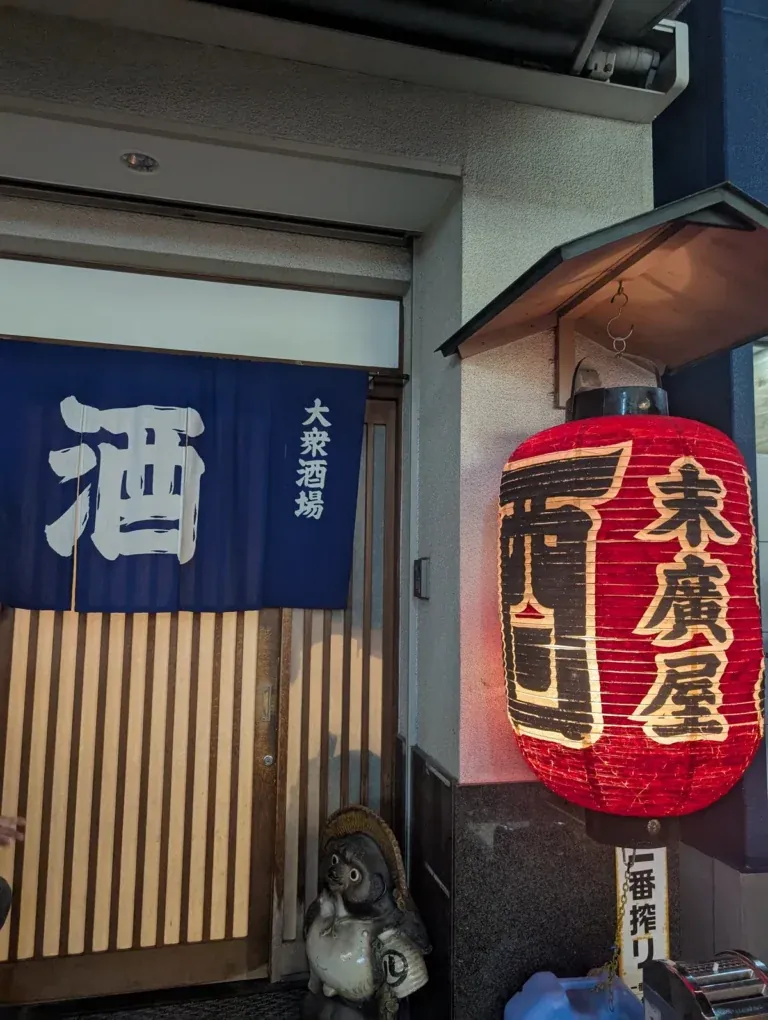
- Why I recommend it: The flagship luxury hotel of Nagoya, occupying floors 20-49 of the JR Central Towers. Every room has sweeping city views — on clear days you can see Mount Fuji from the upper floors. The concierge lounge on the 15th floor is excellent, with complimentary evening cocktails and breakfast. Service is impeccable and the direct station connection is unmatched. I attended a friend’s wedding here, and even in the rain, the station-direct access meant no one got wet — that kind of convenience matters. I have also had afternoon tea here on special occasions and the experience never disappoints. The Zenith bar on the 52nd floor has views worth visiting even if you are not staying — though for truly local Nagoya character, I would rather drink at a red-lantern izakaya at street level in Eki-nishi. The view from Zenith is pretty, but the experience at a tiny local spot is unforgettable.
Hilton Nagoya
- Price range: ¥22,000-42,000/night (2026 rates)
- Nearest station: Fushimi Station (3-minute walk)
- Why I recommend it: A well-established luxury option with spacious rooms by Nagoya standards (the smallest rooms start at about 30 square meters). Indoor pool, full fitness center, and multiple restaurants including excellent Chinese and Japanese dining. I have been going to Hilton Nagoya for over ten years — hundreds of visits for work. The second-floor Chinese restaurant serves an outstanding course meal that I use for business dinners. The seasonal events on the first floor are worth checking, and the first-floor bar is a hidden gem — atmospheric and rarely crowded. The property has been well-maintained through regular renovations, and the location between Nagoya Station and Sakae is convenient for exploring both areas on foot.
TIAD, Autograph Collection
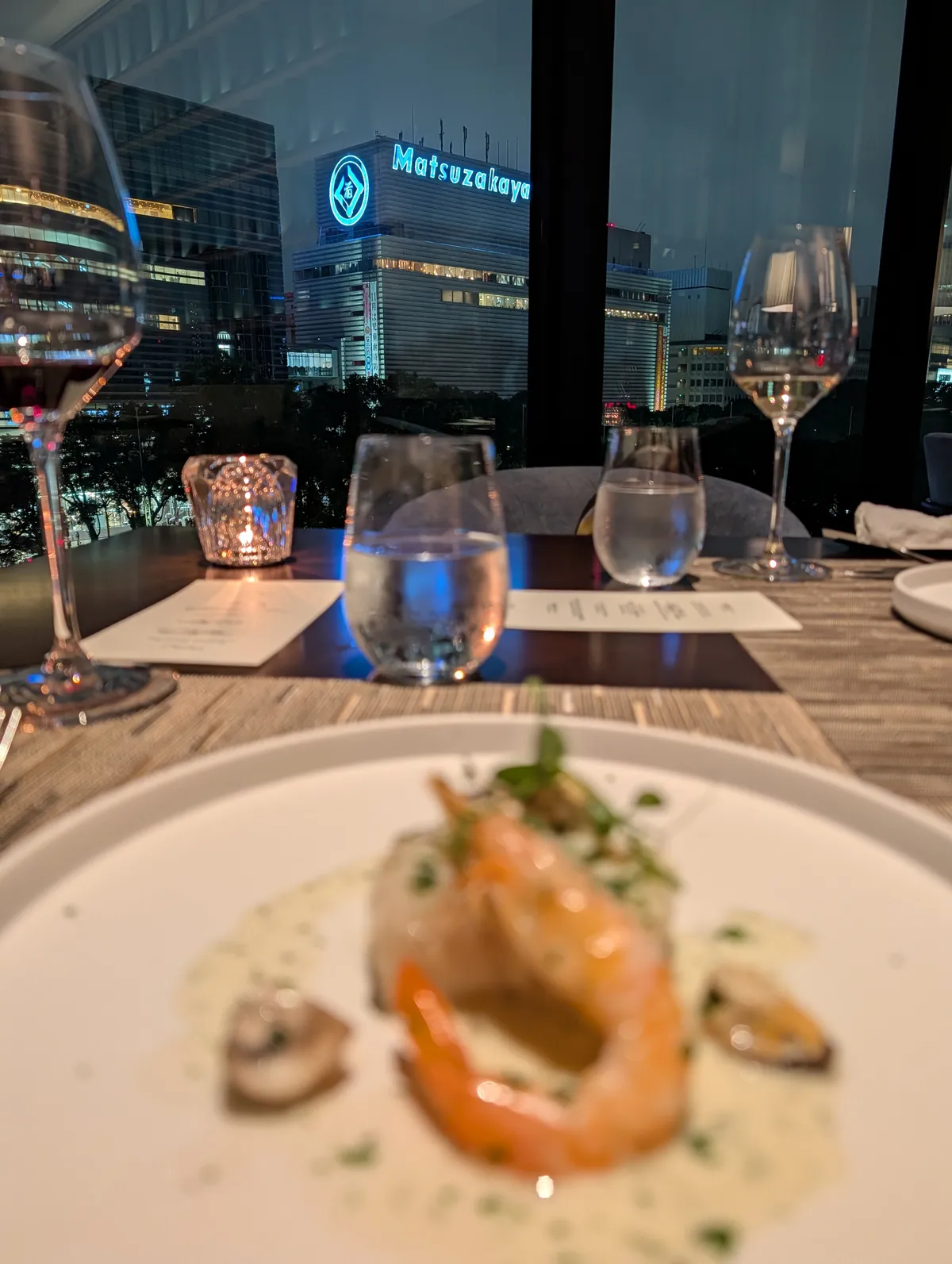
- Price range: ¥32,000-58,000/night (2026 rates)
- Nearest station: Yaba-cho Station (1-minute walk)
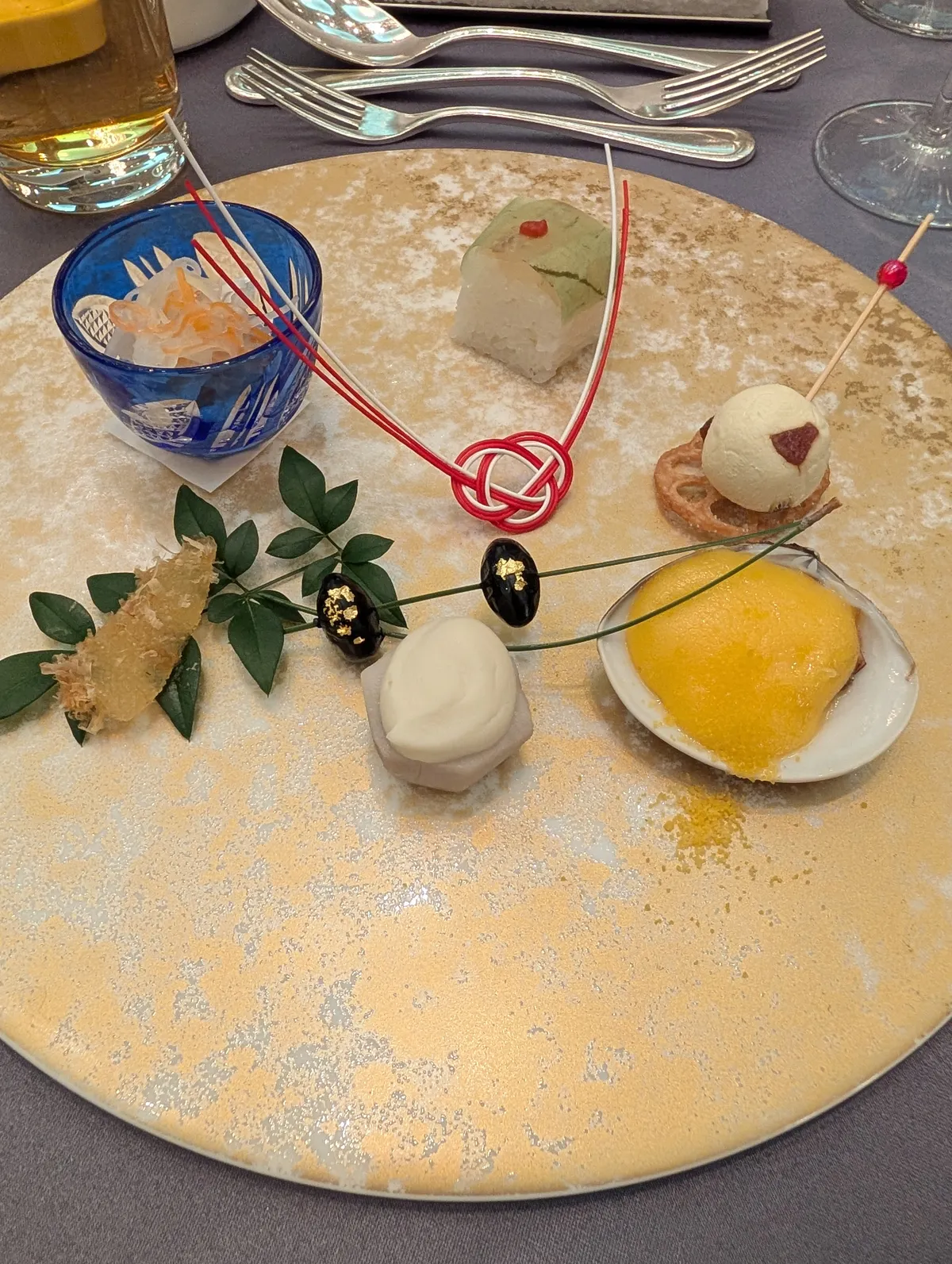
- Why I recommend it: One of Nagoya’s newest luxury additions, in the Sakae district beside Hisaya Odori Park. I held my own wedding at Tiad. The building’s striking contemporary architecture — a 2023 addition to Sakae’s redevelopment — has a presence that photographs cannot capture. Sophisticated design blends contemporary aesthetics with traditional Owari craftsmanship motifs, and the rooftop bar with panoramic views has quickly become one of the most coveted evening spots in the city. The morning breakfast buffet includes Nagoya Meshi dishes, and the dinner course is excellent. Appeals to travelers who prefer boutique luxury over standardized international brands, and the restaurant sources ingredients directly from Aichi Prefecture farms.
The Strings Hotel Nagoya
- Price range: ¥22,000-38,000/night (2026 rates)
- Nearest station: Sasashima-raibu Station (1-minute walk) / Nagoya Station (10-minute walk)
- Why I recommend it: Elegant rooms with floor-to-ceiling windows and a serene atmosphere that feels removed from the city bustle. I attended a wedding here as well, and the first-floor bar is understated and comfortable — we stayed drinking there long after the reception ended. Connected to the Global Gate complex with shops and restaurants, the Sasashima area around it includes Zepp and Global Gate, plus familiar Japanese chain restaurants. The slight distance from the main station chaos is actually what makes it special — guests describe it as a “retreat within the city.” Attentive service and a lovely wedding chapel that gives the hotel a romantic ambience.
Points Hack: If you are a Marriott Bonvoy or Hilton Honors member, Nagoya offers significantly better points redemption value than Tokyo or Kyoto. A night that costs 50,000 points in Nagoya might cost 80,000-100,000 points for similar quality in Tokyo. This is one of the best cities in Japan to use your loyalty points.
Are There Traditional Ryokan Near Nagoya?
Nagoya city itself does not have many ryokan, but several excellent traditional Japanese inns sit within easy reach. A ryokan stay — with tatami rooms, futon beds, elaborate multi-course dinners, and hot spring baths — is one of the most memorable experiences in Japan. For practical tips on booking and what to expect, see our Japan travel essentials guide.
If a ryokan is on your list, the booking process works differently from a hotel — see how to book a ryokan in Japan before you reserve.
Hazu Gassho (Okumikawa Area, Aichi Prefecture)
- Price range: ¥27,000-42,000/night per person (2026 rates, including dinner and breakfast)
- Access: About 2 hours from Nagoya by car, or by train plus bus
- What makes it special: A converted gassho-zukuri farmhouse (the steep-roofed style famous in Shirakawa-go) with outdoor rotenburo hot spring baths overlooking a mountain valley. The multi-course dinner features local river fish, wild mountain vegetables, and Hida beef. When I visited in autumn, the forest colors reflecting in the outdoor bath were unforgettable. A true escape into rural Japan.
Rinkokan (Inuyama, Aichi Prefecture)
- Price range: ¥14,800-19,800/night per person (tax included, with dinner and breakfast; varies by plan and season — check the latest rates)
- Access: About 30 minutes from Meitetsu Nagoya Station to Inuyama-yuen Station on the Meitetsu Inuyama Line, then a 6-minute walk from the west exit
- What makes it special: A 16-room onsen ryokan on the bank of the Kiso River in Inuyama, the castle town covered in our Inuyama Castle and Meiji Mura day trip guide. Every room is traditional tatami, the kaiseki dinner is prepared by the ryokan’s own head chef, and the outdoor rock bath fed by the Inuyama Onsen spring gives a partial view of the castle (Source). Perfect as a one-night side trip from Nagoya — you can explore Inuyama’s historic streets during the day and soak in the onsen at night. I did an internship in Inuyama during university and got to know this area well — the castle town charm is real, the power lines are buried underground giving the streets an almost European feel, and the local kissaten serve surprisingly good food.
Ryokan Experience Without Overnight Stay
If a full ryokan stay does not fit your schedule, many hotels and facilities in the region offer “day-use onsen” (higaeri onsen) where you can enjoy hot spring baths without staying overnight. Prices are typically ¥800-2,000. Ask at your hotel’s front desk for nearby recommendations — most staff will happily point you to a good local option.
Where Should You Stay Based on Your Travel Style?
Not every traveler has the same priorities. Here are my specific neighborhood recommendations based on common trip types.
For Visiting Ghibli Park
Best area: Nagoya Station or Sakae
Ghibli Park is located in Nagakute, east of Nagoya. The route involves taking the Higashiyama subway line to Fujigaoka (about 30 minutes), then transferring to the Linimo magnetic levitation train (about 15 minutes). Total journey from Nagoya Station is approximately 50 minutes, costing about ¥680 one-way.
Stay near Nagoya Station or Sakae — both sit directly on the Higashiyama Line for a straightforward, no-transfer connection to Fujigaoka. Avoid staying in Kanayama if Ghibli Park is your main destination, as you would need to transfer subway lines. Plan to leave early, as Ghibli Park tickets are for timed entry and the park gets crowded by midday.
For Food Lovers
Best area: Sakae or Osu
Nagoya’s food scene is legendary among Japanese food enthusiasts. Miso katsu, hitsumabushi (grilled eel on rice), tebasaki chicken wings, kishimen flat noodles, and Taiwan ramen are just the beginning. Sakae puts you within walking distance of the highest concentration of quality restaurants, while Osu offers the best street food and casual dining at lower prices. Check our detailed Nagoya food guide for specific restaurant recommendations.
For the deepest food experience, consider venturing beyond these tourist-friendly areas into the downtown neighborhoods of Nakagawa-ku and Nakamura-ku. I grew up in Nakagawa-ku, and the food there is incredible — cheap, authentic, and completely off the tourist radar. You eat alongside locals, not visitors. Tiny ramen shops, family-run tonkatsu places, and red-lantern izakayas where the youngest customer might be 70 years old. If you are an adventurous eater willing to go where no guidebook points, those neighborhoods will reward you.
Local Tip: The basement floors of department stores near Nagoya Station (“depachika”) are treasure troves of ready-to-eat gourmet food. Takashimaya’s food hall alone has over 50 vendors. Perfect for a delicious in-room dinner after a long day of sightseeing — grab bento boxes, sushi, wagashi sweets, and local craft beer.
For Business Travelers
Best area: Fushimi or Nagoya Station
Fushimi offers a quiet, professional atmosphere with easy access to Nagoya’s business districts. Many corporate offices for automotive companies (Toyota, Denso, Aisin) are accessible from this area. Hotel prices are reasonable and the atmosphere is calm. If you need Shinkansen access for meetings in Tokyo or Osaka, Nagoya Station is the obvious choice — you can step off the bullet train and into your hotel in under 10 minutes.
For Families with Children
Best area: Nagoya Station (west side)
Families should prioritize room size and convenience. The west side (Taikou-dori) has newer hotels with larger rooms at lower prices. The Vessel Hotel Campana (mentioned above) is particularly family-friendly with its kids-stay-free policy. Being next to the station simplifies the logistics of managing children and luggage, and you have easy access to family-friendly attractions like the SCMAGLEV and Railway Park, Legoland Japan, and the Port of Nagoya Public Aquarium.
For Couples and Romantic Trips
Best area: Fushimi or south Sakae
For a romantic trip, Fushimi’s quiet, walkable streets and proximity to Shirakawa Park create a charming atmosphere. Combine it with a day trip to Takayama’s atmospheric old town for an unforgettable experience. The park is particularly beautiful during cherry blossom season (late March to early April). Southern Sakae near Yaba-cho has a growing wine bar and cafe scene with intimate, candlelit spaces. For a splurge, book a high-floor room at the Marriott Associa for sunset views stretching to the mountains, or try the TIAD’s rooftop bar for cocktails with panoramic city views.
For Day Trip Enthusiasts
Best area: Nagoya Station, without question
If your Nagoya itinerary centers on day trips to Takayama and Shirakawa-go, Kanazawa, Inuyama Castle, or Ise Grand Shrine, Nagoya Station is the only practical choice. All JR limited express trains, Shinkansen, Meitetsu lines, and highway buses depart from here or within a 5-minute walk. Staying elsewhere means adding 15-30 minutes to every departure, which adds up fast over multiple days.
When Is the Best Time to Book Hotels in Nagoya?
Peak Season Pricing
Understanding Nagoya’s seasonal pricing patterns can save you significant money.
| Period | Price Level | Notes |
|---|---|---|
| January – February | Low | Coldest months, cheapest rates. Book 1-2 weeks ahead. |
| Late March – Early April | High | Cherry blossom season. Hotels near Nagoya Castle sell out. Book 2 months ahead. |
| Late April – Early May (Golden Week) | Very High | Japan’s biggest holiday period. Prices jump 30-50%. Book 3 months ahead. |
| June – July | Low to Medium | Rainy season, fewer tourists. Great deals available. |
| Mid-August (Obon) | High | Summer holiday period. Prices spike for about 10 days. Book 2 months ahead. |
| September – November | Medium | Pleasant weather, moderate prices. Best overall value season. |
| December | Medium to High | Christmas markets and winter illuminations draw visitors. Year-end holidays push prices up. |
The Ghibli Park Effect
Since Ghibli Park opened, Nagoya hotel demand has increased noticeably, particularly on weekends. Friday and Saturday nights now cost 20-30% more than equivalent weeknight rates. If your schedule allows, a Tuesday-to-Thursday stay offers the best value.
What Practical Tips Should You Know Before Booking?
Transit Passes Worth Buying
Getting around Nagoya is easy and affordable. The right pass can save you money — check our detailed getting around Nagoya guide for full information.
- Nagoya Subway One-Day Pass (¥760 weekdays): Unlimited subway rides. Worth it if you take 4 or more rides in a day.
- Donichi Eco Kippu (¥620 weekends/holidays): Unlimited subway and bus rides plus small discounts at attractions. Best value pass in the city.
- Meitetsu All Line Pass: Useful for multiple day trips to Inuyama or airport transfers.
Check-in and Luggage
- Check-in time: Most hotels allow check-in from 3:00 PM. If you arrive earlier, the front desk will store your luggage for free — just ask.
- Luggage forwarding (takkyubin): If you are coming from Tokyo or Osaka, you can send your luggage via delivery service from any convenience store for about ¥2,000-2,500 per bag. It arrives the next day, so you can travel light on the Shinkansen. This is one of Japan’s most useful travel hacks.
- Coin laundry: Almost every business hotel has coin-operated washers and dryers. A full wash-and-dry cycle costs about ¥300-500. Detergent is usually sold in vending machines nearby.
Booking Platforms
For Nagoya hotels, I recommend checking multiple platforms as prices genuinely vary:
- Booking.com — Largest selection, free cancellation on most listings
- Agoda — Often has the best prices for Asian hotel chains and business hotels
- Rakuten Travel — Japanese platform with exclusive inventory not found elsewhere; occasionally has significantly lower prices
- Direct hotel websites — Sometimes offer perks like late checkout or breakfast inclusion
Essential Nagoya Travel Links: Before your trip, also check our guides to Japan travel essentials for visa, currency, and SIM card information, and our Nagoya 3-day itinerary for a complete trip plan.
Frequently Asked Questions About Staying in Nagoya
Is Nagoya Station or Sakae better for tourists?
It depends on your priorities. Nagoya Station is better if you are taking day trips (Shinkansen, Meitetsu Line to airport or Inuyama) or want maximum hotel selection. Sakae is better if nightlife, dining, and an energetic urban atmosphere matter more. Both are excellent — they are only 5 minutes apart by subway on the Higashiyama Line.
For most first-time visitors spending 2-3 nights, I recommend Nagoya Station for its versatility. You can easily subway to Sakae for evening entertainment. But if your trip is primarily about experiencing the city (rather than using it as a day-trip base), Sakae will feel more exciting.
How far in advance should I book hotels in Nagoya?
For regular periods, 2-4 weeks is usually sufficient. Nagoya has good hotel supply, so last-minute bookings are often possible outside peak times. However, for Golden Week (late April to early May), Obon (mid-August), cherry blossom season (late March to early April), or any weekend with a major event, book 2-3 months ahead. Prices during these periods jump 30-50%, and popular hotels sell out completely.
Do I need to stay near Nagoya Station for Ghibli Park?
Not necessarily, but you need to stay on the Higashiyama subway line. Nagoya Station, Fushimi, and Sakae are all on this line, which runs east to Fujigaoka where you transfer to the Linimo for Ghibli Park. Staying on the Higashiyama Line gives you a direct, no-transfer connection. Kanayama and Kanayama-area hotels would require an extra subway transfer, adding 10-15 minutes to your journey.
Are hotels in Nagoya cheaper than Tokyo or Osaka?
Yes, significantly. Expect to pay 20-40% less for equivalent quality compared to Tokyo, and roughly 15-25% less than Osaka. In concrete terms, a mid-range hotel room costing ¥13,000/night in Nagoya would cost ¥20,000 or more in Tokyo and ¥16,000-18,000 in Osaka. Nagoya offers outstanding value, particularly in the mid-range segment.
Is it worth staying in Nagoya or just passing through?
Absolutely worth staying. Most travelers underestimate Nagoya, but the city has far more to offer than people realize. From Nagoya Castle and the incredible Nagoya meshi food scene to the Toyota museums and Atsuta Shrine, there is plenty to fill 2-3 days. Add in its position as the perfect base for Ghibli Park, Takayama and Shirakawa-go day trips, and Kanazawa excursions, and Nagoya becomes one of the most strategic places to base yourself in Japan. Check our things to do in Nagoya guide for the full list.
What is the best neighborhood in Nagoya for families?
The west side of Nagoya Station (Taikou-dori area). Newer hotels here offer larger rooms at lower prices — important when you need space for children and luggage. Hotels like Vessel Hotel Campana Nagoya have kids-stay-free policies and family-friendly breakfast buffets. Direct station access means you can easily reach family attractions like the SCMAGLEV and Railway Park, Legoland Japan, and the aquarium. For a detailed plan, see our Nagoya 3-day itinerary.
Can I find English-speaking hotel staff in Nagoya?
Yes, at most hotels. Major international chains (Marriott, Hilton) and most mid-range business hotels have staff who speak basic to conversational English. Budget hostels like Hostel Nagonoya often have excellent English-speaking staff. Smaller local ryokan may have limited English, but smartphone translation apps bridge the gap easily. You will not have communication problems at any of the hotels recommended in this guide.
My Final Recommendation
If I had to give one recommendation for first-time visitors: stay near Nagoya Station in a mid-range hotel. The transit convenience is unbeatable, the hotel options are plentiful, and you are never more than a few subway stops from anywhere you want to be.
For a specific hotel, the Mitsui Garden Hotel Nagoya Premier hits the sweet spot of quality, location, and value that is genuinely hard to beat in any Japanese city.
But honestly, Nagoya is a forgiving city. It is compact, well-connected, and affordable. Whichever neighborhood you choose, you are going to have a great time. Having lived in Sakae, Fushimi, and Osu myself, I can tell you that each has its own personality and rewards — and none of them will let you down. The hardest part will not be finding a place to sleep — it will be deciding which incredible Nagoya meshi dish to eat for dinner.
Happy travels, and enjoy discovering one of Japan’s best-kept secrets.
Sources & Statistics
According to the Nagoya Convention & Visitors Bureau, the city has over 1,200 registered accommodation facilities with a combined capacity exceeding 60,000 rooms.
According to the Japan Tourism Agency Accommodation Survey (2025), Nagoya’s average hotel occupancy rate reached 78.3% in 2025, with an average room rate of approximately ¥11,500 per night for mid-range properties — significantly below Tokyo’s ¥16,800 average.
According to the Japan National Tourism Organization (JNTO), the Chubu region welcomed over 4.2 million international visitors in 2025, with Nagoya serving as the primary accommodation hub for the region.
Related Guides:
- Ghibli Park Complete Guide — Everything you need to know about tickets, access, and what to expect
- Nagoya Food Guide: Nagoya Meshi — The essential dishes and where to eat them
- Things to Do in Nagoya — Top attractions and activities for every type of traveler
- Nagoya to Takayama and Shirakawa-go Day Trip — A perfect day trip from Nagoya
- Getting Around Nagoya — Complete transportation guide for visitors
- Nagoya 3-Day Itinerary — The perfect plan for a first visit
- Japan Travel Essentials for Central Japan — Visa, currency, SIM cards, and practical info
- Inuyama Castle and Meiji Mura Day Trip — A charming day trip from Nagoya
- Nagoya to Kanazawa Day Trip — How to visit Kanazawa from Nagoya
- How Much Does a Nagoya Trip Cost? Complete Budget Guide — Detailed cost breakdown for every travel style
- Where to Stay Near Ghibli Park — Best hotels and areas for Ghibli Park access