Nagoya is one of Japan’s most budget-friendly major cities for travelers. Clean business hotels, modern capsule hotels, and well-run hostels are all available for under ¥12,000 per night. Typical pricing in 2026 looks like this: business hotels ¥7,000-11,000, capsule hotels ¥3,500-6,500, and hostel dorms ¥2,800-4,500. Both Nagoya Station and Sakae are safe even for solo female travelers. This guide is written by a 35-year Nagoya local who has spent years recommending hotels to visiting business friends and overseas guests, and tracking which ones they actually return to.
Last updated: April 2026 | Author: Yuu (born and raised in Nagoya, 35 years local)
This article may contain affiliate links. See our affiliate disclosure for details.
Table of Contents
- Budget Lodging in Nagoya — The Big Picture
- Top 5 Budget Business Hotel Chains
- Top 3 Capsule Hotels
- Top 3 Hostels and Guesthouses
- Best Areas to Stay on a Budget
- Room Types and What’s Included
- Safety and Cleanliness in Real Life
- Booking Strategy and Money-Saving Tips
- Practical Information
- Frequently Asked Questions
- About the Author
- Related Guides
Budget Lodging in Nagoya — The Big Picture
Nagoya is one of Japan’s most cost-effective major cities for accommodation. Compared to Tokyo, Osaka, or Kyoto, the same class of hotel typically runs 20-40% cheaper here. The reason is simple: Nagoya is primarily a business city, not a tourism city. Competition between business hotels is fierce, and travelers like you and me get to enjoy the result — high-quality rooms at low prices.
Nagoya Budget Lodging — 2026 Price Bands
| Type | Per night | What you get |
|---|---|---|
| Business hotel (major chain) | ¥7,000-11,000 | 14-20 sqm room, private bath and toilet |
| Business hotel (independent) | ¥5,500-9,500 | Older but solid value for money |
| Capsule hotel | ¥3,500-6,500 | Cabin-style sleep pod, large public bath usually included |
| Hostel dormitory | ¥2,800-4,500 | Shared 4-8 bed room, shared shower |
| Hostel private room | ¥5,500-8,500 | Private room inside a hostel building |
How Nagoya Compares with Tokyo and Osaka
| City | Business hotel | Capsule | Hostel dorm |
|---|---|---|---|
| Nagoya | ¥7,000-11,000 | ¥3,500-6,500 | ¥2,800-4,500 |
| Tokyo | ¥9,500-14,000 | ¥5,500-8,000 | ¥3,800-6,000 |
| Osaka | ¥8,500-12,500 | ¥4,500-7,000 | ¥3,200-5,000 |
Overseas backpacker forums sometimes describe Nagoya as “Japan’s hidden budget base”, and from my side of the equation, that reputation is earned. Even when budget rooms in Kyoto and Osaka sell out during peak season, Nagoya stays bookable, stays clean, and stays cheap. Since the Shinkansen reaches Kyoto in just 35 minutes, more and more visitors I host are now using the formula “sleep in Nagoya, day-trip to Kyoto and Nara”. Most of the friends I’ve hosted from overseas have told me the same thing afterwards: “It was actually calmer to stay in Nagoya than in Tokyo or Kyoto.”
From 35 years of living here, I have watched a clear pattern in which budget-to-mid-range hotels visiting executives and colleagues actually return to. The recurring names are Toyoko Inn (東横INN), Super Hotel (スーパーホテル), APA Hotel (アパホテル), Daiwa Roynet Hotel (ダイワロイネットホテル), and Mont Blanc Hotel (モンブランホテル). Some heavy business travelers I know also lock in Anshin Oyado (安心お宿) as their personal “home hotel”. The fact that all of these chains have properties right in central Nagoya is exactly why I can recommend the city to first-time foreign visitors with confidence.
Note on the numbers: the bands above are our own estimates, built from live rates on the booking sites and checked against the market. Japan’s official accommodation dataset, the Japan Tourism Agency’s Accommodation Survey, publishes occupancy rates by prefecture and facility type rather than per-city room rates, so treat every figure here as a guide and confirm the current price on the hotel’s own site.
Top 5 Budget Business Hotel Chains
Japanese business hotel chains are highly standardized. No matter which property you book, you can usually count on a baseline of cleanliness, comfort, and service. Below are the five chains I most often recommend in the budget-to-mid-range bracket in Nagoya.
1. Toyoko Inn (東横INN)
With around six properties in Nagoya (Shinkansen South Exit, Sakuradori South Exit, Marunouchi, Nishiki, Kanayama, and Meieki-Minami), Toyoko Inn is the default budget business hotel. Rooms are simple but clean and functional. (Toyoko Inn official Nagoya-area listing)
- Price band: ¥7,000-10,000 (single)
- Flagship Nagoya properties: Toyoko Inn Nagoya Eki Sakuradori-guchi, Toyoko Inn Nagoya Eki Taiko-dori-guchi Shinkansen-guchi, Toyoko Inn Nagoya Nishiki
- Highlights: Free breakfast (rice balls, miso soup, coffee), free Wi-Fi
- Membership discount: 10% off as a Toyoko Inn Club member, plus a Sunday “big discount” rate
- English support: Website and app are multilingual; on-site English ability varies by property
Out of the chains my visiting colleagues and executive friends pick first, Toyoko Inn is the safest default. The “just go with Toyoko Inn” instinct is real, and Nagoya has several of them — Sakuradori-guchi, Taiko-dori-guchi, Nishiki — that you can pick the one closest to your plan for the day.
2. Super Hotel (スーパーホテル)
Known for a large public bath, free breakfast, and well-equipped rooms. Some properties feature a real natural hot spring.
- Price band: ¥7,500-11,000
- Flagship property: Super Hotel Nagoya Ekimae
- Highlights: Natural hot spring public bath (at the Shinkansen-guchi and Premier Sakuradori-guchi properties), free healthy breakfast buffet
- Typical guest: Business travelers, but also popular with health-focused leisure travelers
3. APA Hotel (アパホテル)
Probably the most location-dense chain in Nagoya. Rooms run a little smaller, but the locations are excellent and the price is hard to beat.
- Price band: ¥6,000-9,500
- Flagship Nagoya properties: APA Hotel Nagoya Nishiki EXCELLENT, APA Hotel Nagoya Sakae Kita, APA Hotel Nagoya Ekimae
- Highlights: Many properties have a large public bath; booking via the APA app unlocks discounts
- Typical guest: Wide age range; growing share of foreign visitors
4. Daiwa Roynet Hotel (ダイワロイネットホテル)
The designer-style business hotel arm of Daiwa House Group. Rooms are noticeably more spacious and comfortable than the typical chain.
- Price band: ¥8,000-12,000
- Flagship property: Daiwa Roynet Hotel Nagoya Ekimae
- Highlights: ~18-20 sqm singles (above the industry standard), high interior quality
- English support: Strong focus on international guests
This is the chain heavy business travelers I know choose “when they want a step up from Toyoko Inn without paying luxury prices”. Repeat visitors stick with Daiwa Roynet because the room size and finish quality are more reliably satisfying than Toyoko Inn or APA at the same price band.
5. Dormy Inn (ドーミーイン)
Famous for its free midnight ramen (“yonaki soba”) and a natural hot spring public bath. A perennial cost-performance favorite.
- Price band: ¥8,500-13,000
- Flagship property: Dormy Inn PREMIUM Nagoya Sakae
- Highlights: Natural hot spring plus the legendary free yonaki soba
- Typical guest: Repeat fans, including families
The single most important question to ask when picking a budget business hotel in Japan is, “Does it have a public bath?” If you cannot stay at a ryokan but still want even a hint of the onsen experience, the right chains are Super Hotel, Dormy Inn, and the APA properties with a large bath. Paying about ¥800 more per night for a hotel with a public bath versus shower-only delivers a far bigger boost in satisfaction than the price gap suggests.
Top 3 Capsule Hotels
The capsule hotel is one of Japan’s most distinctive lodging formats and a popular cultural experience for visitors. Since around 2020, the format has been steadily upgraded, and the new generation of foreigner-friendly modern capsules are very different from the smoky businessman bunks of decades past.
1. Nine Hours Nagoya Station
The Nagoya Station branch of the famously minimalist designer capsule chain “9h”, about 2 minutes’ walk from Nagoya Station. Men’s and women’s pods sit on completely separate floors. (9h official location list)
- Price band: ¥4,000-6,500 as a guide (official rates start around ¥4,900 and move with the date)
- Highlights: True to the “9 hours” concept, you can also book short daytime nap and shower plans
- Women-only floor: Yes — separate men’s and women’s floors
- Typical guest: Design-conscious travelers, late-night flight transit users
2. Anshin Oyado Nagoya Man&Woman Sakae (安心お宿)
A “luxury capsule” hotel about 3 minutes’ walk from Sakae Station — the one heavy Japanese business travelers keep coming back to. (Anshin Oyado official Nagoya page)
- Price band: roughly ¥5,000-6,500 as a guide — a late-night pack from about ¥4,980, standard capsules around ¥6,500; rates move with the date, so check the official site
- Highlights: Large mineral bath and sauna, free curry breakfast, free late-night ramen and drink bar — all bundled into the rate, with stays of up to 27 hours
- Women-only floor: Yes — men’s and women’s floors are fully separated
- Typical guest: Repeat business travelers and bath-and-sauna fans
3. TUBE Sq (Chubu International Airport)
A capsule hotel on the 1st floor of Terminal 1 at Chubu International Airport (Centrair). The right answer for late-night arrivals and early-morning departures.
- Price band: ¥5,000-8,000
- Highlights: 24-hour check-in and check-out inside the airport, with escalator access straight to the departure and arrival lobbies; separate men’s and women’s areas, plus showers and a bathing area
- Rooms: 138 cabins
Top 3 Hostels and Guesthouses
Hostels and guesthouses remain a favorite of overseas backpackers. Most of the good Nagoya hostels offer both dormitory beds and private rooms in the same building.
1. Nagoya Travellers Hostel
An English-first hostel in the Sakae area.
- Price band: Dormitory ¥2,800-4,200, private room ¥5,500-8,500
- Location: Sakae, Naka-ku — about 8 minutes’ walk from Sakae Station (Higashiyama and Meijo subway lines)
- Highlights: English-speaking staff, a shared kitchen and common lounge, and women-only dorm rooms
- Typical guest: Long-term travelers and English-speaking solo travelers
2. Glocal Nagoya Backpackers Hostel
A well-run hostel on the west (Taiko-dori) side of Nagoya Station, with a cafe and bar on the ground floor that local residents use too.
- Price band: Dormitory from around ¥3,300 (private rooms also available; rates vary by date)
- Location: Noritake, Nakamura-ku — about 7 minutes’ walk from Nagoya Station (Esca E7 exit)
- Highlights: A women-only dormitory floor with its own shower room, a shared kitchen, and the ground-floor cafe and bar (Centrip Japan)
3. Hostel Wasabi Nagoya Ekimae
A guesthouse-style stay with Japanese-style decor.
- Price band: Dormitory ¥2,900-3,900, private room ¥6,000-8,000
- Location: Tsubakicho, Nakamura-ku — about 5-6 minutes’ walk from Nagoya Station (official site)
- Highlights: Tatami sleeping bays built in Kiso cypress, a whole women-only floor on the 5th, and a look that leans into the “feels like Japan” aesthetic
Best Areas to Stay on a Budget
Below are the four Nagoya areas where budget lodging is concentrated, and what each one is actually like to stay in.
Nagoya Station vs. Sakae — A Local’s Honest Verdict
Even within the budget bracket, which side of the city you sleep on changes how much you enjoy the trip. After 35 years here, my conclusion is clear:
If you are coming for sightseeing, sleep in Sakae.
Three reasons:
- The food is dramatically better in Sakae. Nagoya Station mostly serves the business-travel market, which means a lot of national chains. If you came all the way to Nagoya, you should be eating at the more characterful restaurants concentrated around Sakae.
- Sakae has real night-time energy. The streets keep moving, and even from outside the bars you can feel what a Japanese city’s night life is actually like.
- The Izumi area is the secret weapon for foreign visitors. Not the loud Nishiki-3 nightlife, but the cleaner, quieter Izumi (泉) neighborhood just north of Sakae. Overseas guests almost always tell me afterwards that Izumi was where they “discovered” how nice a Japanese city can feel.
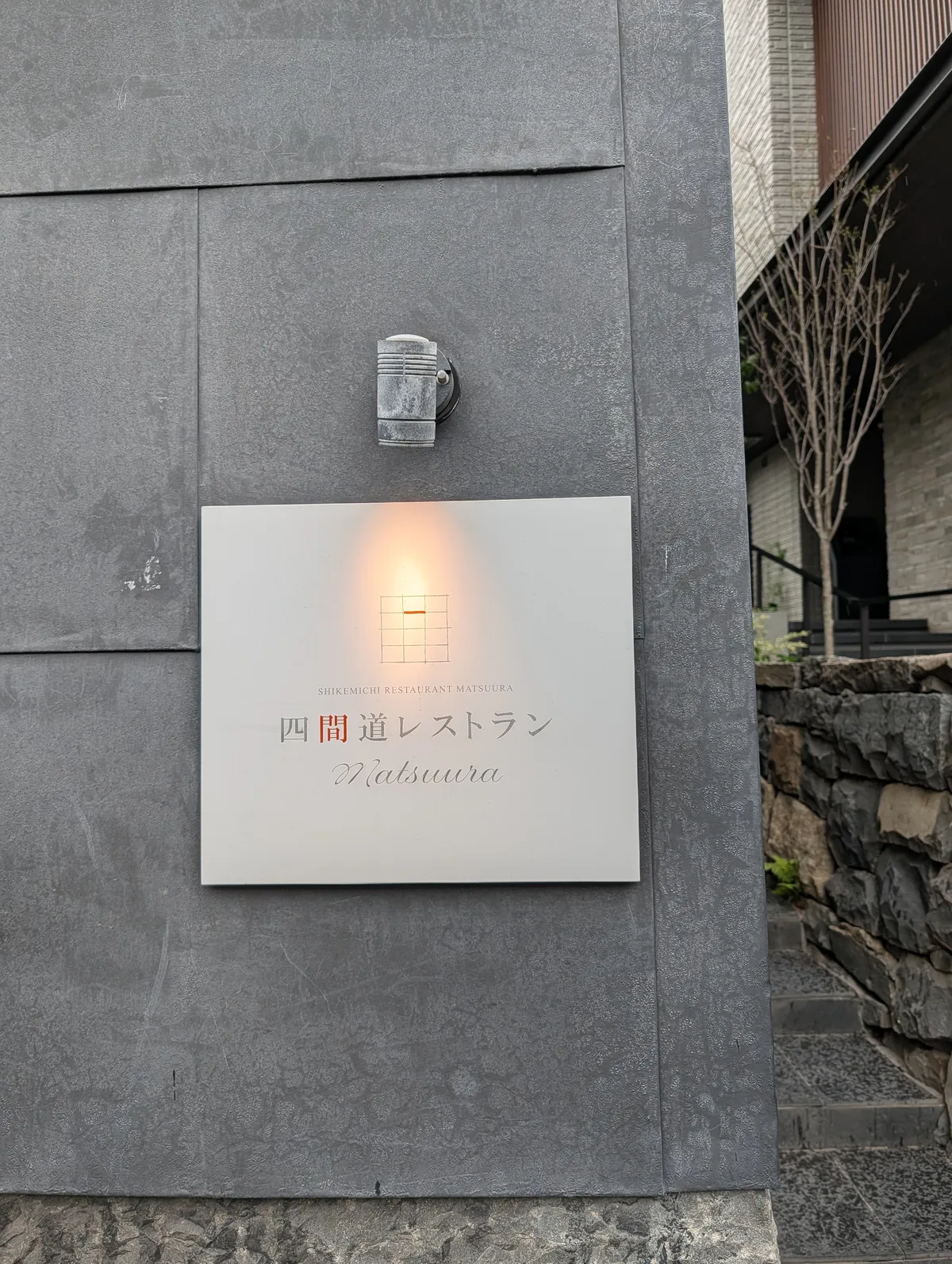
That said, if you do choose to base yourself near Nagoya Station, commit to walking out to Shikemichi (四間道) and Endoji shopping street (円頓寺商店街) for at least one meal. These two neighborhoods sit within walking distance of the station and offer a rare mix of old-town shitamachi atmosphere and stylish renovated cafes and bars — the kind of place locals send each other to. If you stay near Nagoya Station and never leave the Sakuradori-guchi block, you will end up eating the same chain food every night; in that case, Sakae would have made you happier.
Nagoya Station Area (Meieki)
The hub of the Shinkansen, subway, and bus network. The most convenient base for airport access and day trips, with the largest selection of budget hotels. Best for business trips, short stays, and travelers using Nagoya as a base for other cities.
- Recommended: Toyoko Inn Nagoya Eki Sakuradori-guchi, Nine Hours Nagoya Station, Hostel Wasabi Nagoya Ekimae
- Strengths: Many restaurants within walking distance, convenience stores everywhere, excellent airport access
- Weakness: Lots of chain restaurants. Plan to walk to Shikemichi or Endoji shopping street for a more local feel.
Sakae Area
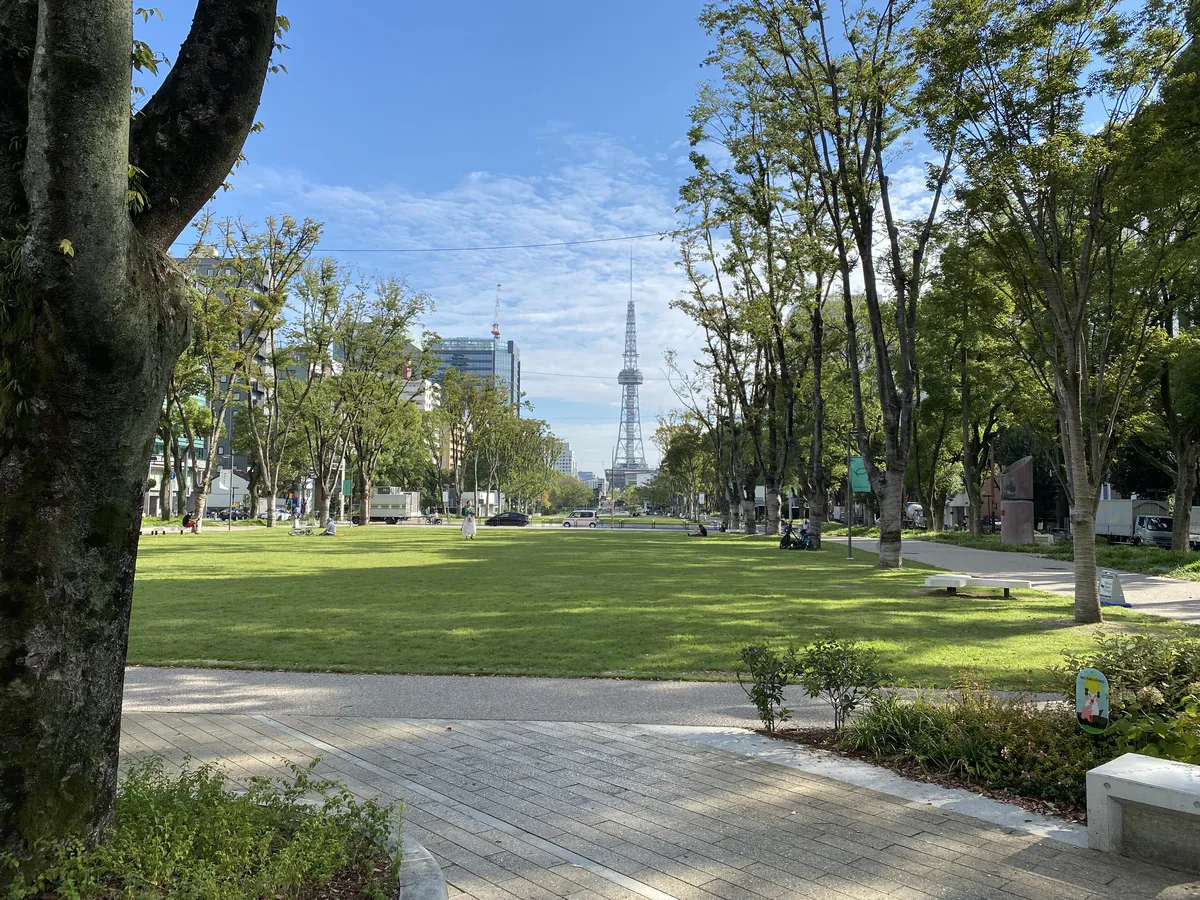
For travelers focused on sightseeing, nightlife, and shopping. The single area I most recommend to overseas visitors as a local. Restaurants and bars sit within easy walking distance.
- Recommended: APA Hotel Nagoya Nishiki EXCELLENT, Dormy Inn PREMIUM Nagoya Sakae
- Strengths: City-center location, real night energy, dramatically better food
- Weakness: Slightly fewer pure-budget options than Nagoya Station
Kanayama Area
Two stops from Nagoya Station on JR, Meitetsu, and the subway. Often about 20% cheaper than the station area.
- Recommended: Meitetsu Inn Kanayama, Nagoya Kanayama Hotel
- Strengths: Multiple rail lines cross here; convenient for day trips outside the city
Taiko-dori Exit (Nagoya Station West Side)
The cheapest area for hotels in central Nagoya. The west side once had a rougher reputation, but it has been steadily cleaned up since the 2010s. For locals, it is now better known as a treasure box of local food.
- Recommended: Toyoko Inn Nagoya Eki Taiko-dori-guchi, plus various independent budget hotels
- Best for: Travelers who want low prices plus a serious local-food experience over typical sightseeing
From 35 years of living here: the old image of “the west side is dangerous” still lingers, but in reality the area has been reasonably well-redeveloped, and overseas visitors are increasingly comfortable here. Compared to Sakuradori-guchi (the east side), the night atmosphere is quieter and business hotels are ¥1,000-2,000 cheaper, which is the real attraction.
What is more important is the food culture on the west side. When I personally want to find an izakaya in Nagoya, my first thought is “go to the west side”. Cheap, good, and unmistakably local — that is what the west-side back streets still deliver, and it is the closest thing to “real Nagoya local food” you can experience as a visitor. The east side is dominated by chains; the west side is the opposite. For overseas travelers who want to taste an actual Japanese city’s food culture, sleeping on the west side is itself the right answer.
Solo travelers and business visitors will be perfectly fine on the Taiko-dori side. Solo female travelers who prefer extra peace of mind can default to the Sakuradori-guchi side without losing much.
Room Types and What’s Included
What do you actually get for your money in each format? Here is the standard equipment.
Business Hotel Single Room (14-20 sqm)
| Item | Standard | Notes |
|---|---|---|
| Bed | Single (100-120 cm wide) | Tall or larger guests should book a semi-double |
| Bathroom | Unit bath | Shower-booth-only rooms are increasing |
| Wi-Fi | Free | Speed varies by property |
| TV | Flat screen | Limited international satellite channels |
| Amenities | Toothbrush, shampoo, etc. | Some properties offer choice of women’s amenity sets |
| Refrigerator | Mini | Most are drinks-only |
| Microwave | In the lobby | Not in-room |
| Breakfast | Extra fee or free, depending on chain | ¥500-1,200 if paid |
Capsule Cabin (1-2 sqm)
- Bed mattress
- Power outlet
- Reading light
- USB charging port
- Safety box or lockable locker (often on the floor, not in the cabin)
- Shared shower and large public bath
Hostel Dormitory Bed
- Bunk bed (upper or lower)
- Personal locker (one per guest)
- Power outlet
- Reading light
- Shared shower and toilet
- Shared kitchen and lounge
Safety and Cleanliness in Real Life
The Baseline of Japanese Budget Lodging
Japanese business hotels, capsule hotels, and hostels are widely regarded as among the cleanest budget accommodations in the world. Daily room cleaning, daily sheet changes, and bathroom disinfection are the norm, and the gap with what most Western travelers expect from a hostel is real.
Safety
- Staff on duty 24 hours: Standard across chains, capsules, and hostels
- Security cards: Elevators and floor access typically require a guest card
- Valuables: Lockers or safety boxes are required at every capsule and dorm
Solo Female Travel
- Women-only floors: Standard in most capsules and hostels
- Women-only dorms: Nagoya Travellers Hostel, Glocal Nagoya Backpackers Hostel, and Hostel Wasabi Nagoya Ekimae all run dedicated women-only rooms or floors
- Security details: Shared showers are time-managed, and overnight visitor restrictions apply
Cleanliness in Practice
| Type | Cleanliness | Note |
|---|---|---|
| Major chain hotels | 5/5 | Daily cleaning, brand-level quality control |
| Independent budget hotels | 4/5 | Varies; aim for Booking.com 8.0 or higher |
| Modern capsules | 4/5 | Built for younger guests, well-maintained |
| Older capsules | 3/5 | Older fixtures, but hygiene is fine |
| Modern hostels | 4/5 | Tightly run by younger staff |
| Guesthouses | 3/5 | Owner-run, so quality varies more |
Booking Strategy and Money-Saving Tips
Five Ways to Push the Price Down
- Stay on a Sunday night: Business demand drops, and rates can fall by up to 30%.
- Book on the day: For hotels with empty rooms, same-day rates often slide downward.
- Use a long-stay (3+ night) plan: Per-night cost typically drops by ¥1,500-3,000.
- Use loyalty programs: Toyoko Inn Club, APA Membership, and Daiwa Roynet’s official site all give around 10% off.
- Avoid peak windows: October (Nagoya Festival), early August, Golden Week, and the New Year period.
Choosing a Booking Site
| Site | Strength | Weakness |
|---|---|---|
| Booking.com | International brand, multilingual | Slightly weaker on Japan-only chains |
| Agoda | Strong on Asian inventory, competitive pricing | Read the cancellation policy carefully |
| Rakuten Travel | Best on Japanese chains, points reward | English support is limited |
| Hotel official sites | Member rates, points | Comparing across sites is a chore |
| Klook / KKDay | Inbound-traveler discounts | Some pure-budget hotels are not listed |
How I Find the Real Lowest Price
- Search the lowest rate on Agoda or Booking.com first.
- Take that rate and verify it on the hotel’s official site (member pricing might beat it).
- If the official member rate wins, book official; otherwise, book through Booking.com.
Practical Information
| Business hotel price band | ¥7,000-11,000 |
| Capsule hotel price band | ¥3,500-6,500 |
| Hostel dorm price band | ¥2,800-4,500 |
| Hostel private room price band | ¥5,500-8,500 |
| Booking lead time (off-peak) | 1-2 weeks ahead |
| Booking lead time (peak) | 1-3 months ahead |
| English support | Major chains, modern capsules, hostels — yes |
| Self check-in | Available at most chains (smartphone reservation) |
| Check-in | Typically from 15:00 |
| Check-out | Typically by 10:00 |
| Author’s #1 default chain | Toyoko Inn (Sakuradori-guchi or Nishiki) |
| Author’s pick for first-time capsule users | Nine Hours Nagoya Station |
Frequently Asked Questions
Are capsule hotels really safe?
Yes — Japanese capsule hotels are among the safest budget accommodations in the world. Staff on duty 24 hours, security-card floor access, and lockers or safety boxes are the standard. Most modern capsules have a women-only floor, so there is no concern about mixing with male guests. Theft and assault are extremely rare, and reports of trouble involving foreign visitors at capsules over the past decade have been notably few. For your first capsule stay, a modern operator like Nine Hours Nagoya Station is the easiest entry point.
Are hostel dormitories OK for a solo female traveler?
Yes. Most Nagoya hostels run a dedicated “female-only dormitory”, and solo female travel is well-supported. Hostel Wasabi Nagoya Ekimae keeps an entire women-only floor, and Glocal Nagoya Backpackers Hostel has a women-only dormitory floor with its own shower room. Shared showers and toilets are typically separated by gender or by time slot, so privacy is well-handled. If you stick to hostels with a Booking.com score of 8.5 or higher, you will have no issues with cleanliness or safety.
Toyoko Inn, APA Hotel, or Super Hotel — which one?
Match the chain to your priority:
- Toyoko Inn: Reliable free breakfast, consistent national standard, ideal for first-timers
- APA Hotel: Densest location coverage, many properties with a large bath, lowest-tier prices
- Super Hotel: Natural hot spring bath plus healthy free breakfast, great for bath fans
- Dormy Inn (slightly higher band): Hot spring plus free midnight ramen — repeatedly described as the best cost-performance
If it’s your first Nagoya trip and you cannot decide, default to Toyoko Inn. Want a bath experience? Pick Super Hotel or Dormy Inn. Price is everything? Go APA Hotel.
Nagoya Station or Sakae for budget travelers?
Nagoya Station has more budget options; Sakae has the better travel experience. As a local, when I am recommending an area to a sightseeing visitor, I send them to Sakae without hesitation. The food is dramatically better, the streets stay alive into the night, and “the night feel of a Japanese city” is something you can only really sense in Sakae. Nagoya Station is dominated by chains, and if you came all the way to Nagoya, you should be eating where the city is most itself. For overseas guests in particular, I also recommend the Izumi area just north of Sakae — it is quietly beautiful and almost no first-time tourist finds it on their own. On the other hand, if you are here on business, day-tripping to other cities, or prioritizing airport access, Nagoya Station is the rational pick. If you do stay near Nagoya Station, plan to walk out to Shikemichi and Endoji shopping street at least once for a real local meal. The two areas are only 5 minutes apart on the subway, so you can always reach the other.
Which hotels do you recommend to visiting business friends?
The list I personally hear most often is Toyoko Inn (東横INN), Super Hotel (スーパーホテル), APA Hotel (アパホテル), Daiwa Roynet Hotel (ダイワロイネットホテル), Mont Blanc Hotel (モンブランホテル), and Anshin Oyado (安心お宿). Among the executives and colleagues I know, the heavy travelers all have their own personal “home hotel” within this list. Some swear by Anshin Oyado as a permanent base — sauna plus capsule plus large public bath in a single package, which is exactly what high-frequency business travelers want. The fact that all of these chains have central Nagoya properties is the reason I can confidently recommend the city to overseas visitors. For a first-time budget hotel choice in Nagoya, picking from this list is the simplest way to avoid a miss.
Do self check-in machines support English?
Toyoko Inn, APA Hotel, and Daiwa Roynet’s newer properties all run multilingual self check-in kiosks with English, Chinese, and Korean. With your reservation number and passport you can complete the process in 2-3 minutes. There is a “call staff” button on every machine, and someone is on duty 24 hours. For late-night arrivals, a hotel with self check-in is the lowest-stress option.
I land at Centrair late at night — where should I stay on day one?
TUBE Sq, located inside the terminal at Chubu International Airport, is the right answer. The terminal is open 24 hours and the cabin is built to airline-cabin specs, so it works equally well for early-morning departures. The last Mu-Sky (limited express) train leaves Centrair around 22:15, with a regular (non-Mu-Sky) limited express running as late as roughly 23:30 and reaching Nagoya Station just after midnight. Miss all of those and the only way into the city is a taxi ride of roughly 45-60 minutes, costing on the order of ¥10,000-15,000 depending on time of night and traffic. For arrivals after midnight, sleep at the airport on day one and move into central Nagoya the next morning — that is the most rational plan. (Meitetsu Centrair access guide)
About the Author
Yuu was born and raised in Nagoya and has lived there for 35 years. During his corporate years he was constantly asked by colleagues posted in from other regions for hotel recommendations, and over time he developed a sharp local instinct for the balance between budget and location across every tier from budget hotels to luxury properties. As a business owner today, he continues to observe firsthand which chains visiting executives and heavy business travelers actually return to as their “home hotel” — Toyoko Inn, Super Hotel, APA Hotel, Daiwa Roynet, Mont Blanc, and Anshin Oyado all appear repeatedly on that list. Combined with a month spent backpacking around New York during his university years, he can speak to both the local-host perspective and the overseas-backpacker perspective when recommending a base in Nagoya.
Related Guides
- Hotels Near Nagoya Station: Complete Guide — Comparison across all budget tiers within walking distance of the station.
- Luxury Hotels in Nagoya: A Local’s Guide — Properties above ¥25,000 per night, including names that double as wedding venues.
- Where to Stay in Nagoya: Neighborhood Guide — A definitive Nagoya Station vs. Sakae vs. Osu breakdown.
- Nagoya 3-Day Itinerary — Sightseeing plans by budget level.
- Getting Around Nagoya: Transport Guide — Subway, bus, and IC card complete guide.
Working to a budget?
Browse budget hotels in Nagoya →Sunday nights are consistently the cheapest here.