Nagoya is the birthplace of two original ramen styles: Taiwan mazesoba (invented at Menya Hanabi in Takabata) and Taiwan ramen (created by Misen in the 1970s). A bowl costs 800-1,200 yen. Nakagawa-ku is the city’s ramen holy land with the highest concentration of quality shops.
Nagoya is not a city that typically makes international “best ramen” lists. That honor goes to Tokyo, Fukuoka, and Sapporo. But Nagoya has something those cities don’t: two entirely original ramen styles born nowhere else on earth — Taiwan mazesoba and Taiwan ramen — plus a neighborhood ramen culture so deep and unpretentious that the best bowls are often served in shops where the youngest customer is 70 years old. This guide is written by someone who has lived that culture for 35 years.
Last updated: August 2, 2026 | Written by Yuu, a Nagoya native of 35 years
This article may contain affiliate links. See our affiliate disclosure for details.
Table of Contents
- What Makes Nagoya’s Ramen Scene Unique?
- How Was Taiwan Mazesoba Invented in Takabata?
- What Is Taiwan Ramen and Where Did It Originate?
- Where Are the Best Ramen Shops in Nagoya?
- Where Do Nagoya Locals Actually Eat Ramen?
- How Do You Order Ramen in Nagoya?
- How Does Ramen Compare to Other Nagoya Noodles?
- What Practical Tips Should You Know for Ramen in Nagoya?
- Where Should You Plan a Ramen Crawl in Nagoya?
- FAQ
- Related Guides
What Makes Nagoya’s Ramen Scene Unique?
Nagoya is the birthplace of two nationally recognized noodle styles — Taiwan mazesoba and Taiwan ramen — neither of which comes from Taiwan. The city’s ramen culture centers on bold flavors, generous toppings, and unpretentious neighborhood shops where consistency matters more than hype.
When travelers think of Japanese ramen, Nagoya is rarely the first city that comes to mind. Tokyo has its tsukemen temples and Michelin-starred shops. Fukuoka is synonymous with tonkotsu. Sapporo owns miso ramen. Nagoya? Most visitors associate the city with miso katsu, hitsumabushi, and tebasaki wings.
But Nagoya has its own ramen identity, and it is one that rewards the curious traveler willing to look past the obvious.
The city is the birthplace of two nationally recognized noodle styles — Taiwan mazesoba and Taiwan ramen — neither of which has anything to do with the country of Taiwan. It has a thriving neighborhood ramen culture, particularly in working-class wards like Nakagawa-ku where ramen shops outnumber convenience stores on some streets. And it has Sugakiya, the casual ramen chain that every Nagoya native grew up eating at shopping mall food courts, which serves a distinctive tonkotsu-shoyu broth for under ¥500.
What Nagoya’s ramen scene lacks in hype, it makes up for in authenticity. The city’s best ramen shops are not designed for Instagram. Many do not have English menus. Some do not even have signs. They are the kind of places where the owner has been ladling soup for thirty years and the regulars sit in the same seat every Tuesday.
I grew up in Nakagawa-ku — a ward that locals call a “ramen holy land” — and spent years as a door-to-door salesman walking every neighborhood in the city.
According to Misen’s official website, Taiwan ramen was first created at their Imaike location in the 1970s by founder Kuo Ming-yu, making it over 50 years old as a Nagoya culinary tradition.
According to the City of Nagoya, Nakagawa-ku has one of the highest concentrations of ramen shops per capita in the city, with dozens of independent establishments in the Takabata area alone.
According to Menya Hanabi, Taiwan mazesoba was born in 2008 as a staff meal at their original Takabata shop and has since expanded to franchise locations nationwide, making Nagoya the birthplace of Japan’s soupless ramen movement.
That job took me into back streets and residential blocks where I discovered ramen shops I never would have found otherwise. Over 35 years, I have eaten at hundreds of ramen shops across Nagoya. This guide distills that experience into something practical and honest.
What makes Nagoya ramen different? Unlike Tokyo’s refined, technique-driven ramen or Fukuoka’s rich tonkotsu tradition, Nagoya ramen culture is rooted in bold flavors, generous toppings, and unpretentious presentation. Hatcho miso (the region’s signature dark red miso) appears in some broths, and spicy minced pork is a common thread across multiple Nagoya-born styles.
How Was Taiwan Mazesoba Invented in Takabata?
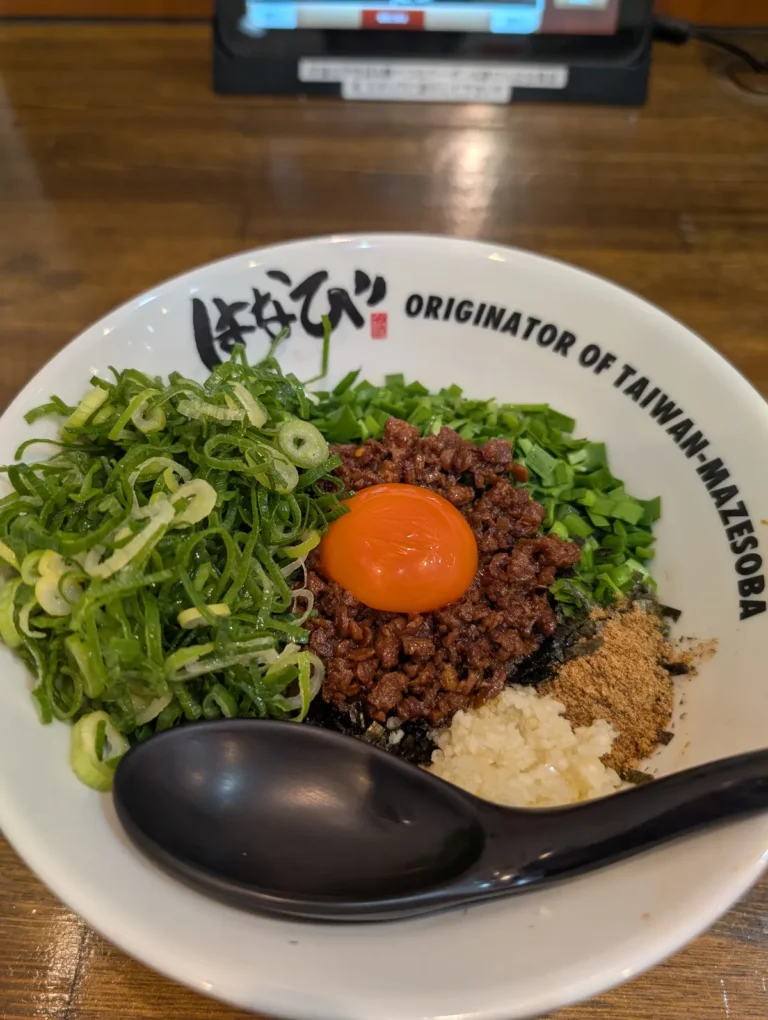
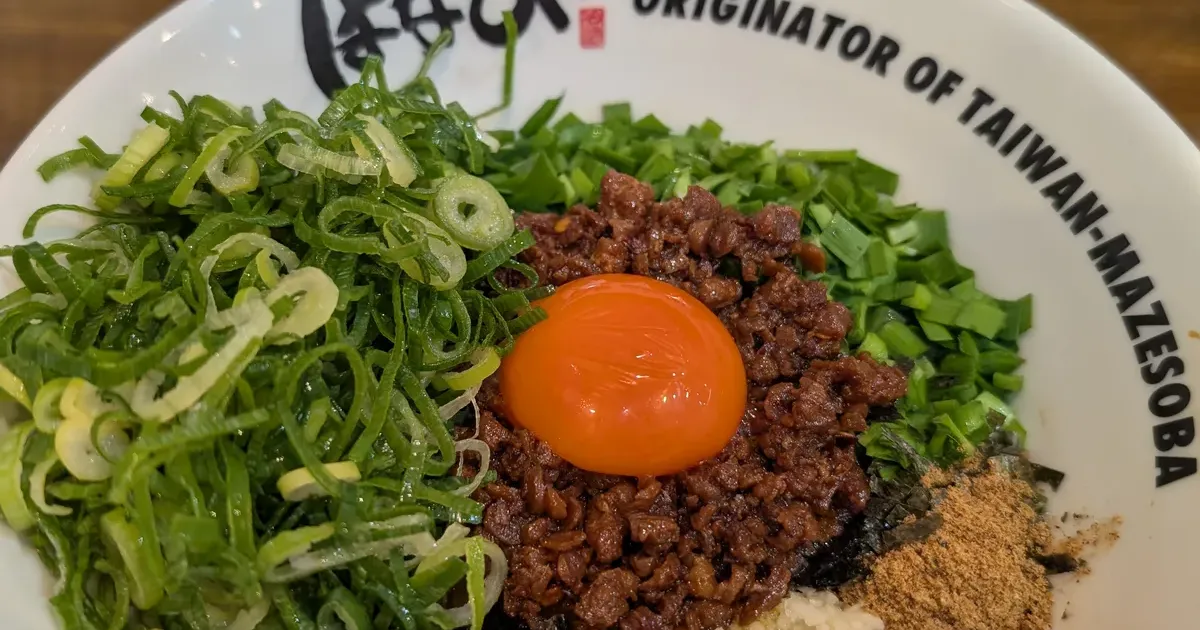
Taiwan mazesoba was created by Menya Hanabi owner Naoto Niiyama as a staff meal at his small Takabata shop in Nakagawa-ku. The soupless dish — thick noodles with spicy minced pork, raw egg yolk, nori, and garlic — became a nationwide phenomenon. The original shop still operates.
A Staff Meal That Changed Japanese Ramen
If there is one dish that defines modern Nagoya ramen, it is Taiwan mazesoba (台湾まぜそば). And its origin story is not the kind you read in corporate press releases. It starts with a single small ramen shop on a quiet street in Takabata, Nakagawa-ku.
Menya Hanabi (麺屋はなび) was just a neighborhood shop when I was growing up. It sat in Takabata — not a trendy area, not a food destination, just a regular residential part of Nakagawa-ku where families lived and kids rode bikes to school. I went since the founding era when only one shop existed in Takabata. Back then, I used to order their shio ramen — most people have forgotten it even existed. That shop is my local. The owner, Naoto Niiyama (新山直人), was not trying to create the next big food trend. He was making dinner for his staff.
The story, as it has been told and retold in Nagoya, goes like this: Niiyama was experimenting with a soupless ramen dish as a makanai (staff meal, the food restaurant workers make for themselves before or after service). He combined thick, chewy noodles with spicy minced pork, raw egg yolk, nori, chopped green onions, garlic, fish powder, and chili. The idea was simple — take all the bold flavors of Nagoya and put them in a bowl without broth.
The staff loved it. Niiyama put it on the menu. Customers went wild for it.
What Taiwan Mazesoba Actually Is
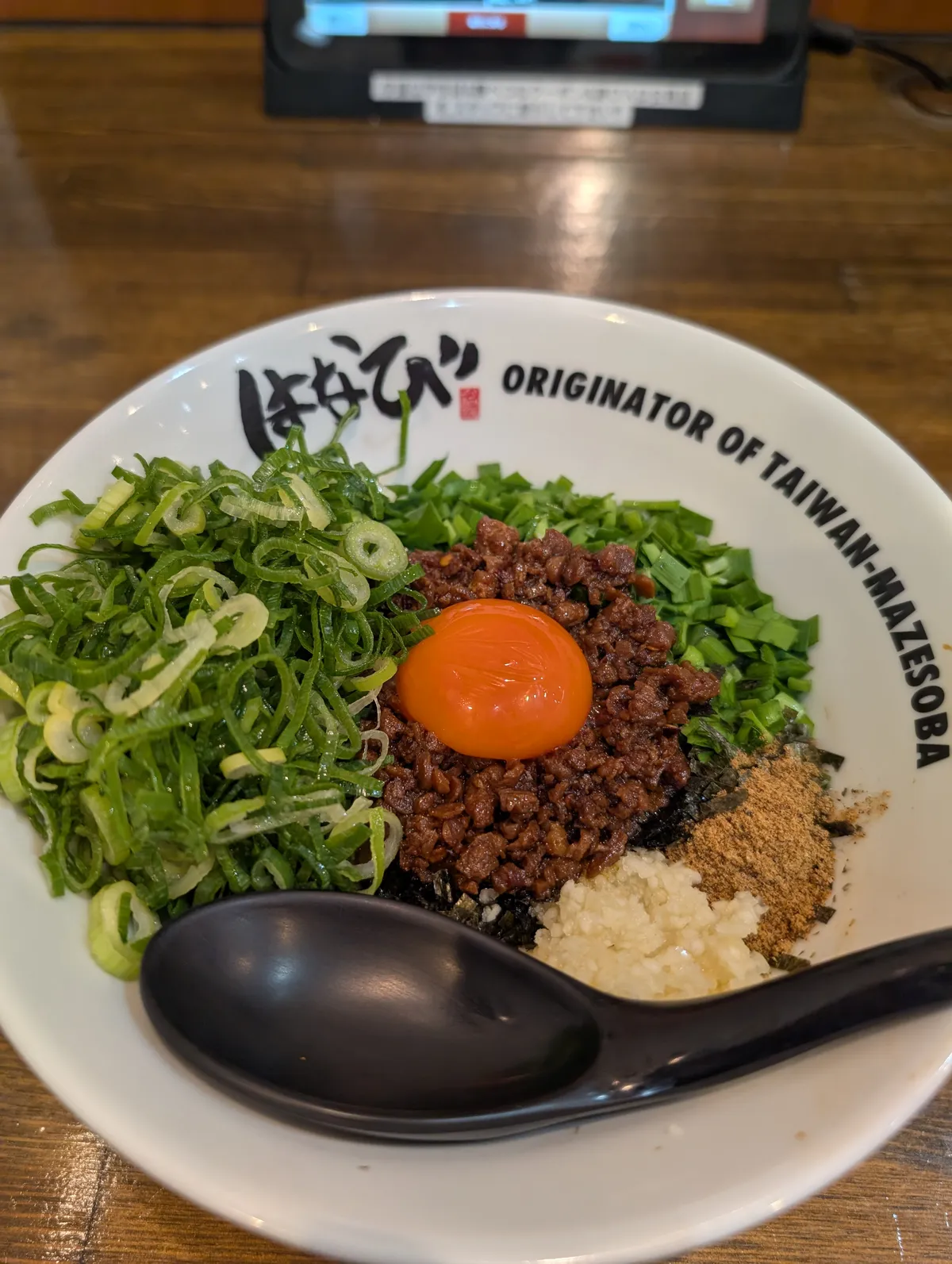
Taiwan mazesoba is a soupless ramen (汁なしラーメン). The name can be confusing — it contains neither soup nor anything from Taiwan. The “Taiwan” in the name is a nod to Taiwan ramen (which we will cover next), specifically its spicy minced pork topping. The “mazesoba” literally means “mixed noodles.”
Here is what lands on your table:
- Thick, straight noodles — chewy and firm, designed to hold toppings
- Spicy minced pork (台湾ミンチ) — the heart of the dish, cooked with chili and garlic
- Raw egg yolk — sitting in a small well at the center
- Nori (dried seaweed) — shredded and scattered across the top
- Green onions (negi) — generous amounts, finely chopped
- Garlic — raw, minced, unapologetically pungent
- Fish powder (魚粉) — adds umami depth
- Chili flakes — for heat
The ritual of eating Taiwan mazesoba is part of the experience. You mix everything from the bottom up, breaking the egg yolk and working the toppings through the noodles until every strand is coated. The flavors are intense — spicy, garlicky, savory, with the richness of the egg binding everything together.
The finishing move: “Tsuisoba rice” (追い飯). When you have finished the noodles but sauce and bits of topping remain at the bottom of the bowl, ask the staff for a small portion of rice. They will bring you a free scoop of white rice to drop into the remaining sauce. Mix it in and eat every last bit. This is not optional — it is the proper way to finish Taiwan mazesoba. Most shops offer this for free.
From Takabata to the Nation
What happened next is the kind of story that could only happen in the social media age. Taiwan mazesoba spread from that single Takabata shop to become a nationwide phenomenon. Menya Hanabi expanded to multiple branches. Imitators and inspired variations appeared across Japan. The dish was featured on every major food show on Japanese television.
But here is what matters to the traveler: the original Takabata location still exists, and there is something meaningful about eating Taiwan mazesoba where it was born. The shop is small. The neighborhood is ordinary. And the bowl tastes exactly the way it should.
What Is Taiwan Ramen and Where Did It Originate?
Taiwan ramen is a spicy soup-based ramen created by Misen restaurant in Nagoya’s Imaike neighborhood in the 1970s (Nagoya Meshi). The founder adapted a Taiwanese danzai noodle dish with dramatically more spice. It features thin noodles in chili-spiked broth with spicy minced pork and garlic chives.
Misen and the Birth of Taiwan Ramen
Before Taiwan mazesoba, there was Taiwan ramen (台湾ラーメン). This is the older of Nagoya’s two signature ramen styles, and its origin story goes back to the 1970s.
Misen (味仙), a Taiwanese-Chinese restaurant in the Imaike (今池) neighborhood, is widely credited with creating Taiwan ramen. The founder, Kuo Ming-yu (郭明優), originally from Taiwan, adapted a Taiwanese danzai noodle dish by making it dramatically spicier to suit the appetites of his Japanese customers. The result was a fiery soup ramen that became inseparable from Nagoya’s food identity.
What Taiwan Ramen Tastes Like
Taiwan ramen is fundamentally different from Taiwan mazesoba:
- It has soup — a light soy sauce or chicken-based broth
- Spicy minced pork sits on top, swimming in the broth
- Garlic chives (nira) are the signature vegetable
- The heat level is intense — this is not a mild dish
- The noodles are thin and straight, unlike mazesoba’s thick noodles
The first sip of Taiwan ramen broth hits you with a wave of chili heat, followed by garlic and the savory depth of the meat. It is a simple construction — there are no elaborate toppings or artistic presentation — but the flavor balance is precise. The broth is not merely hot. It has sweetness from the pork, sharpness from the garlic, and a background warmth that builds with every spoonful.
Why is it called “Taiwan” ramen? The founder’s Taiwanese heritage inspired the dish, but Taiwan ramen as served in Nagoya does not actually exist in Taiwan. If you order “Taiwan ramen” in Taipei, you will get confused looks. It is a Nagoya original, through and through. The same applies to Taiwan mazesoba.
Misen’s Heat Levels
At Misen, you can order Taiwan ramen in several spice levels:
| Level | Japanese | Description |
|---|---|---|
| American | アメリカン | Mild — for spice beginners |
| Regular | 台湾ラーメン | Standard heat — already quite spicy |
| Italian | イタリアン | Extra hot — seriously spicy |
| African | アフリカン | Extreme — available at some locations, not for the faint-hearted |
The naming convention is uniquely Misen and has no logical connection to the countries involved. Most first-time visitors should start with American (mild) or Regular. Do not let pride lead you to Italian on your first visit — the regular version is already spicier than most ramen you have eaten.
Where Are the Best Ramen Shops in Nagoya?
Top picks include Menya Hanabi in Takabata for the original Taiwan mazesoba (¥810), Misen in Imaike for Taiwan ramen (¥700), Sugakiya for the iconic ¥430 hometown bowl, and Karamiso Ramen Fukurou in Sakae for miso ramen you can dial up to your own spice level.
Taiwan Mazesoba Shops
Menya Hanabi (麺屋はなび) — The Original
- Location (Takabata Honten): 1-170 Takabata, Nakagawa-ku, Nagoya 454-0911
- Access: 5-minute walk from Takabata Station (Higashiyama Line)
- Specialty: Ganso Taiwan mazesoba (the original)
- Price: Ganso Taiwan mazesoba ¥810; most toppings/sets bring totals to ¥900–1,100 (Menya Hanabi Takabata Honten — Tabelog menu)
- Hours: 11:30-14:00, 18:00-21:00 (varies; closed Mondays and the 1st & 3rd Tuesday). Check current hours on Tabelog before visiting.
- What to order: Taiwan mazesoba with extra garlic. Ask for tsuisoba rice when you finish the noodles.
- Note: This is the birthplace of Taiwan mazesoba. The Takabata honten (main shop) is small — expect a line during peak hours, especially weekends. Other branches exist across Aichi (including Yatomi), and franchise locations have spread nationally and overseas, but the original is the original.
Getting there: Takabata is on the Higashiyama Line (yellow line), which runs directly from Nagoya Station. The ride is about 10 minutes. It is not a tourist area, so you will experience a genuine Nagoya neighborhood.
Taiwan Ramen Shops
Misen (味仙) — The Originator
- Location (Imaike Honten): 1-12-10 Imaike, Chikusa-ku, Nagoya (Nagoya Meshi official)
- Access: 1-minute walk from Imaike Station (Higashiyama & Sakura Lines, Exit 9)
- Specialty: Taiwan ramen (the original), plus a full Chinese-Taiwanese menu
- Price: Taiwan ramen ¥700; full meals ¥1,500–3,000
- Hours: 17:00-01:00, last order 00:30 (Imaike Honten is dinner/late-night only)
- What to order: Taiwan ramen (start with “American” if you are sensitive to spice), plus niraniku itame (garlic chive stir-fry) and tori no karaage as sides
- Note: Misen has multiple branches across Nagoya, including a convenient location inside JR Nagoya Station on the Umaimon-dori restaurant street (Taiko-dori exit side). However, the Imaike Honten has the most character. It is loud, crowded, and the atmosphere is part of the experience. Misen is also a full Chinese restaurant, so you can order a spread of dishes if ramen alone is not enough. I have lived near the Yaba-cho Misen for almost 10 years. The takeout line is always shorter than the dine-in line — if you do not need the atmosphere, walk past the queue and order at the takeout window.
Misen branches are not identical. Each Misen location is technically run by different family members, and locals insist the flavor differs between branches. The Imaike Honten is considered the benchmark. The Nagoya Station branch is convenient but the atmosphere is more sterile. The Tokyo branches (in Kanda and Shinbashi) are a completely different experience. If you can only visit one, make it Imaike.
Taiwan Ramen Eraku (台湾ラーメン江楽)
- Location (Moriyama Honten): 7-10 Otai, Moriyama-ku, Nagoya (TV Aichi). There is also a Meieki branch at 2-17-13 Meieki, Nishi-ku, a 3-minute walk from Kamejima Station (Hot Pepper)
- Specialty: Taiwan ramen — unlike Misen, this is a dedicated Taiwan ramen shop rather than a full Chinese restaurant
- Price: Taiwan ramen around ¥850 at the Moriyama honten (TV Aichi) — treat this as a guideline and check the menu on arrival
- Hours: Moriyama Honten 11:00-14:50, 18:00-24:00, closed Wednesdays. The Meieki branch keeps different hours and closes Sundays, so check before you go.
- What to order: Taiwan ramen with the half fried-rice set. The shop is known locally for getting a bowl on your table in under two minutes.
Tonkotsu & Other Styles
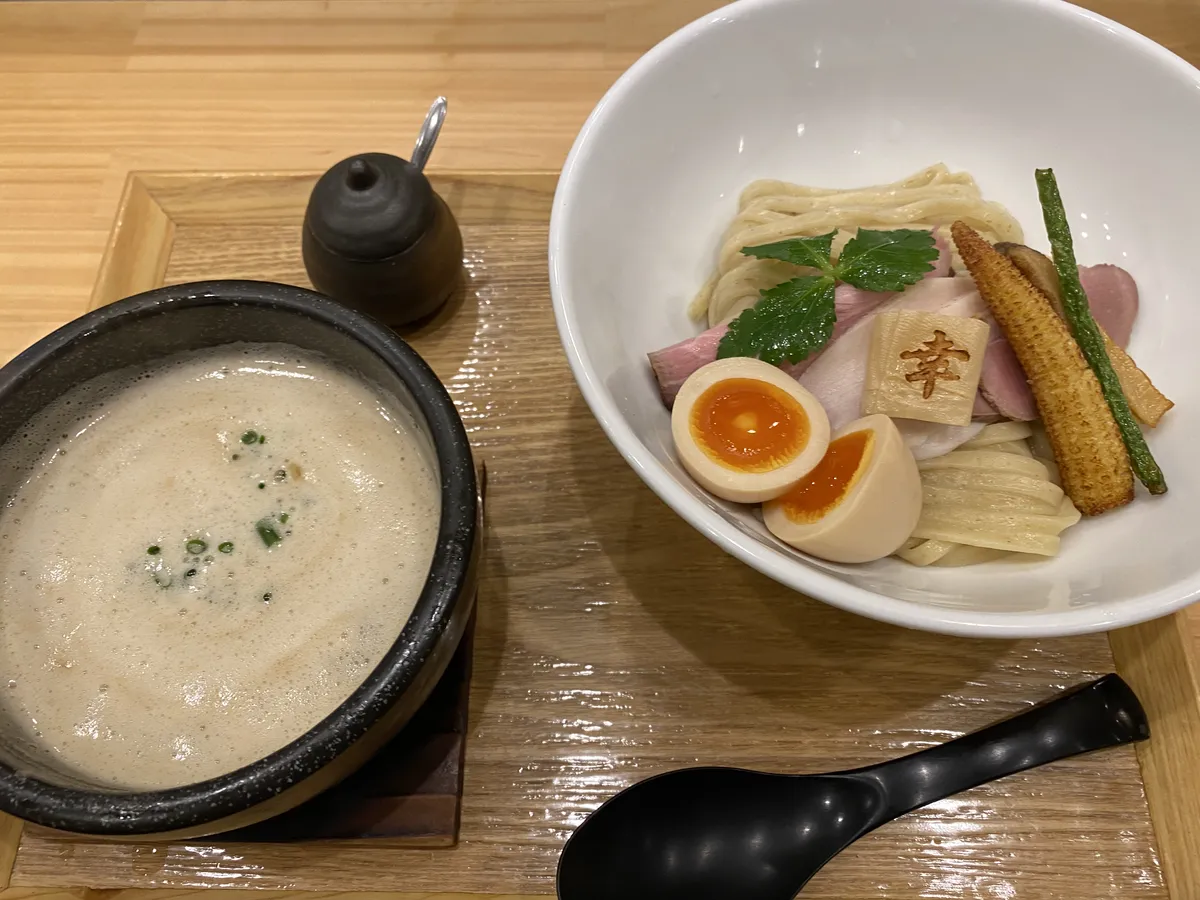
While Nagoya’s signature ramen styles are Taiwan-based, the city has excellent shops serving other styles.
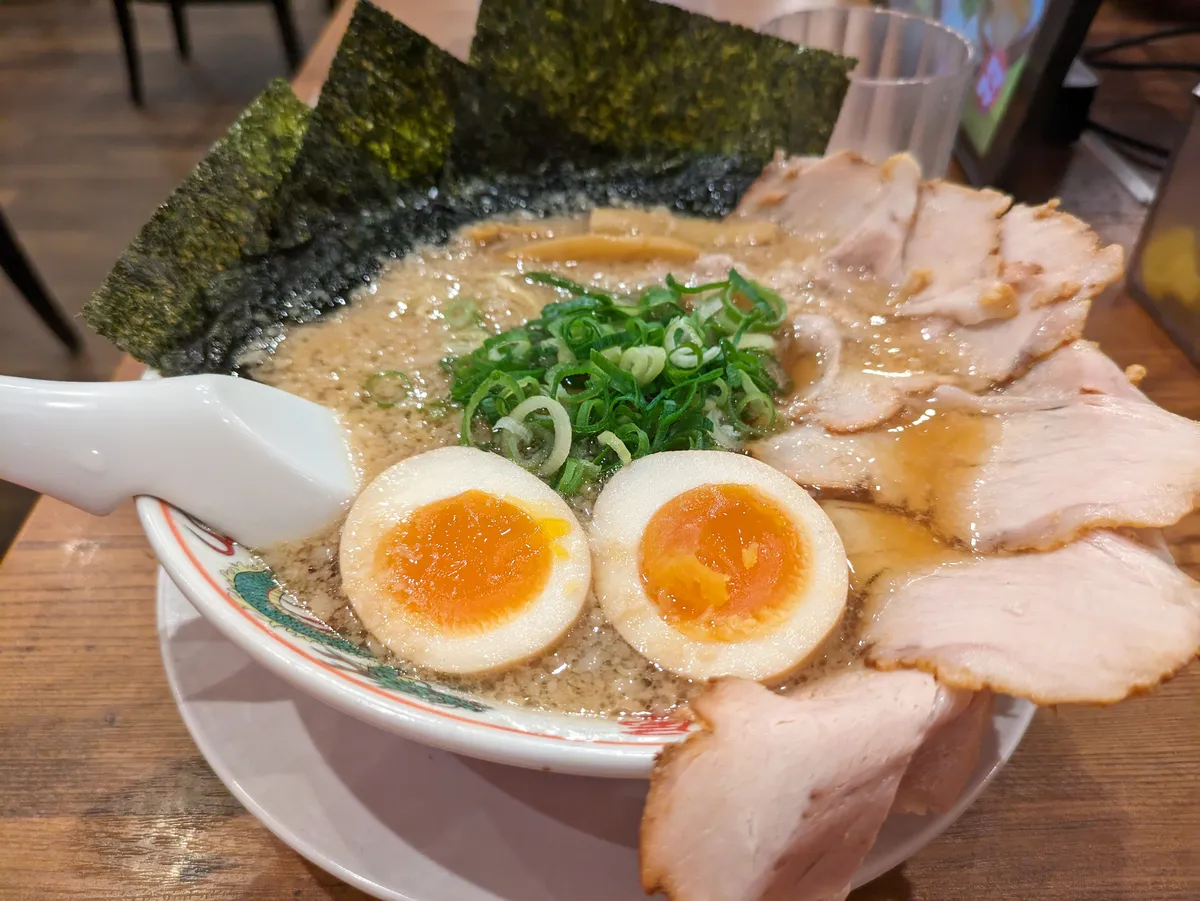
Ramen Zundoya (らーめん ずんどう屋)
- Location: Nakagawa-ku (Yaguma-dori) — the chain’s first Aichi branch, opened 2023
- Specialty: Rich Himeji-style tonkotsu ramen
- Price range: 800-1,100 yen
- Hours: 11:00-late (some locations 24 hours)
- What to order: Tonkotsu ramen with ajitama (seasoned egg). Their broth is thick and creamy without being overwhelming.
Sugakiya (スガキヤ)
- Location: Everywhere — food courts in malls, shopping centers, and standalone shops across Nagoya
- Specialty: Light tonkotsu-shoyu (pork bone and soy sauce) broth. This is Nagoya’s “hometown ramen.”
- Price: Basic “Ramen” ¥430 (tax included); “Tokusei Ramen” (deluxe with extra toppings) ¥680
- Hours: Follows mall/food court hours, typically 10:00-21:00
- What to order: Ramen (the basic bowl is the classic) with soft cream for dessert
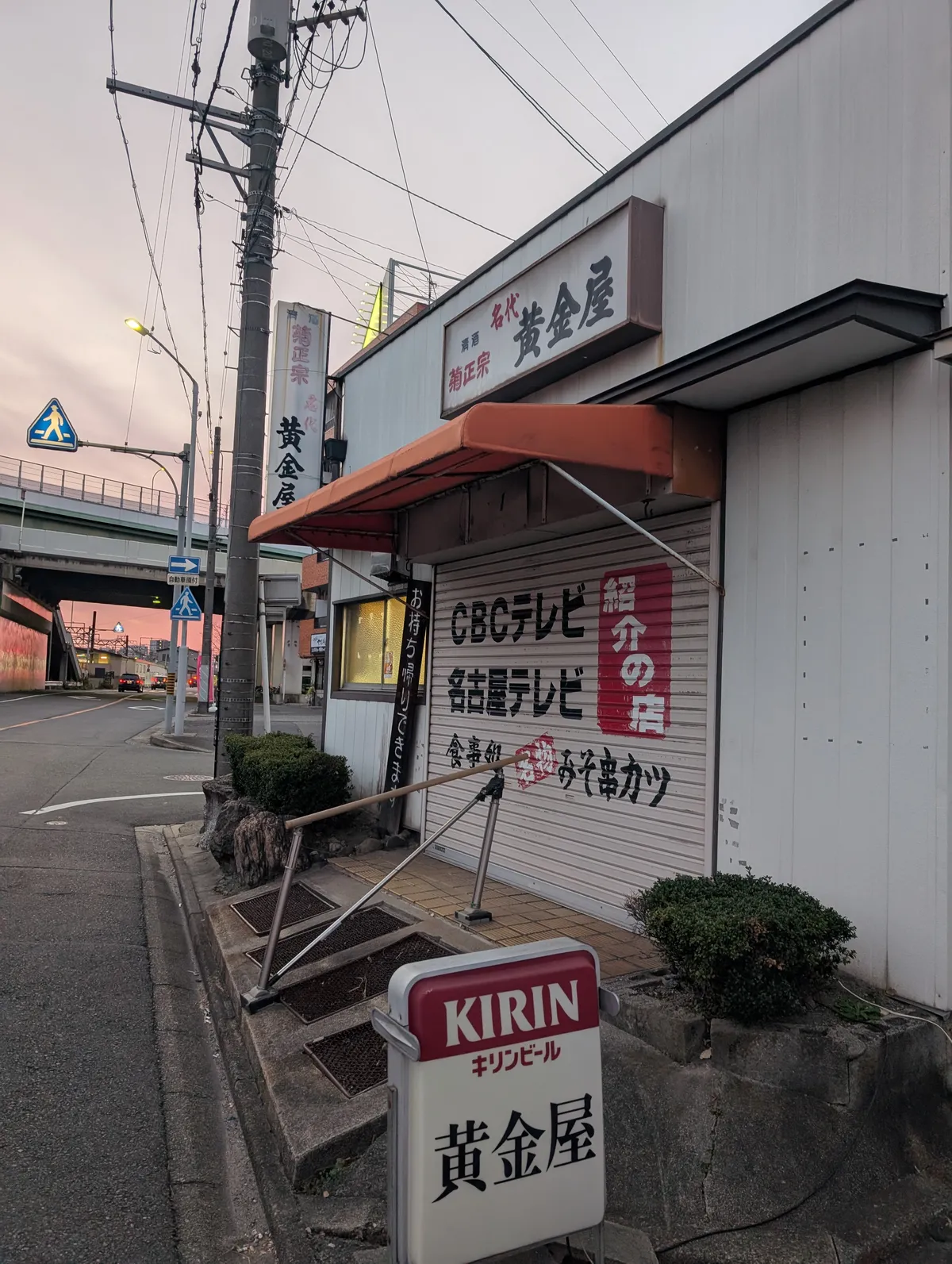
- Note: Sugakiya is not gourmet ramen. It is comfort food. Every person who grew up in Nagoya has childhood memories of eating Sugakiya in a department store food court. The distinctive spork (a combination fork and spoon) is an icon of Nagoya culture. For a traveler, it is worth one visit for the cultural experience and the sheer value — a bowl of ramen for under ¥500 is nearly impossible to find elsewhere in Japan.
Miso Ramen
Karamiso Ramen Fukurou — Sakae Branch (からみそラーメンふくろう 栄店)
Nagoya has Hatcho miso running through its culinary DNA, yet surprisingly few ramen shops build their identity around it. Karamiso Ramen Fukurou fills that gap. Born in Nagoya’s Kami-Iida neighborhood and now expanded to Tokyo, their concept is simple and brilliant: a chicken paitan miso broth arrives with a bright-red ball of house-made spicy miso paste sitting in the center. You dissolve it gradually as you eat, controlling the heat from zero to volcanic. Thick curly noodles catch the rich broth perfectly.
- Location: 3-12-12 Sakae, Naka-ku (4-minute walk from Sakae Station)
- Specialty: Karamiso ramen — miso broth with adjustable spice levels (0-kara to 6-kara; staff recommend 2-kara for first-timers)
- Price range: ~¥950 (Tabelog)
- Hours: Tue-Fri 11:00-14:30, 17:30-24:00; Sat-Sun 11:00-24:00; closed Mondays
- What to order: Karamiso ramen at 2-kara spice level with an extra egg topping. The late-night weekend hours make this a solid post-Sakae option too.
Where Do Nagoya Locals Actually Eat Ramen?
The best local ramen is found in neighborhood shops with faded signs, 6-10 counter seats, and elderly regulars. Nakagawa-ku is the ramen holy land, with the densest concentration. Try Kourai Dojo for unique yakuzen medicinal ramen and Kaisui for old-school paiko-men.
This is the section of the guide that no other English-language article can write, because it requires something no amount of research can replicate: years of walking Nagoya’s neighborhoods on foot.
During my years as a door-to-door salesman, I covered virtually every residential block in the city. I walked past thousands of restaurants, peeked into windows, read hand-written menus taped to doors, and ate wherever the locals ate. The ramen shops I found in those years are not on Tabelog’s top lists. They do not have Instagram accounts. Many of them do not even have websites.
My Philosophy: Go Where the Youngest Customer Is 70
The best ramen in any Japanese city is not necessarily at the shop with the longest line or the most media coverage. It is often at the place with a faded red lantern outside, a counter with eight seats, and a clientele of neighborhood regulars who have been coming for decades.
These shops survive not on hype but on consistency. The owner makes the same soup, the same chashu, the same noodles, day after day, year after year. There is no “limited edition” seasonal bowl. There is no collaboration with a celebrity chef. There is just ramen, made properly, served without ceremony.
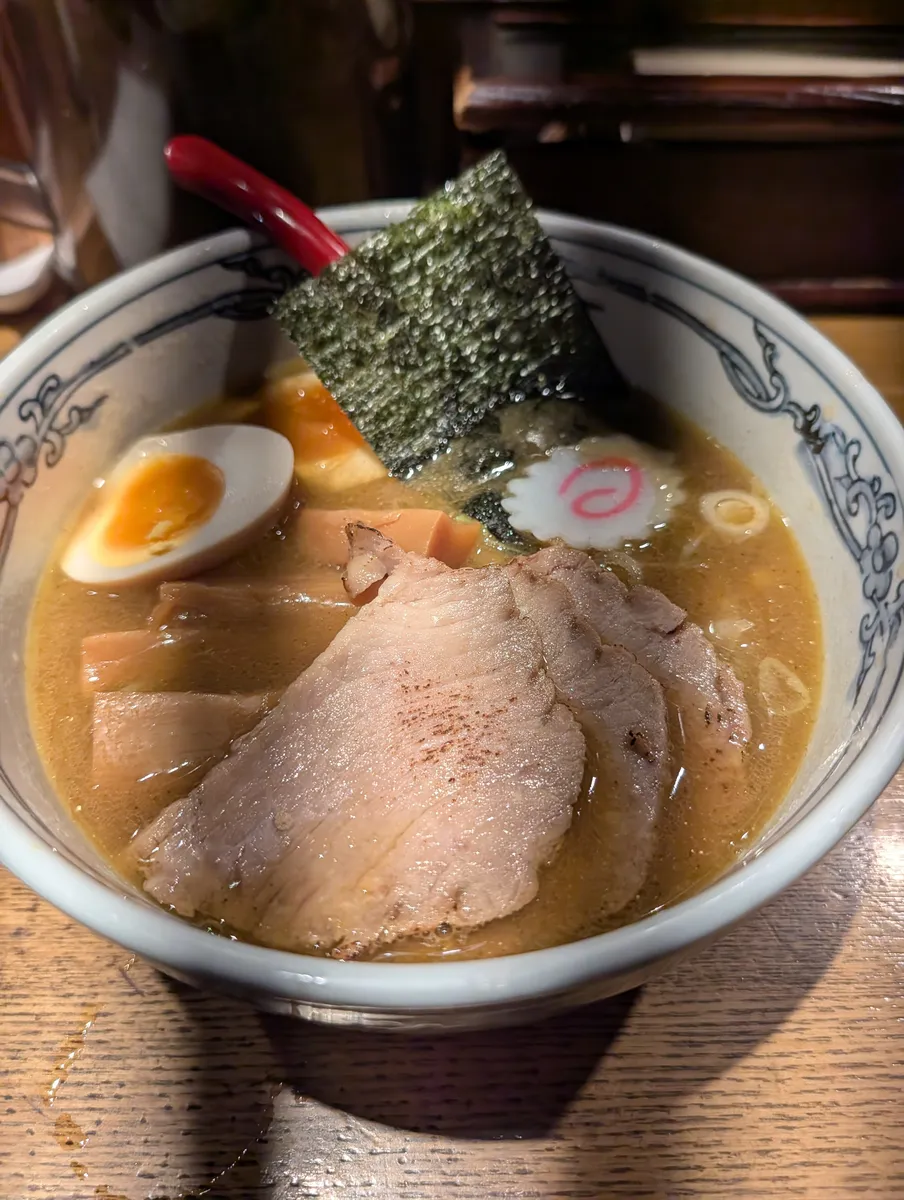
When colleagues from other parts of Japan asked me where to eat in Nagoya, I always told them the same thing: skip the famous places and go to the local ones. The famous places are good. The local ones are real.
Nakagawa-ku: The Ramen Holy Land
Nakagawa-ku is not a glamorous ward. It is a working-class residential area in western Nagoya, flat and sprawling, crisscrossed by rivers and arterial roads. But in terms of ramen density and quality, it punches far above its weight. I call Nakagawa-ku the ramen holy land because I grew up here and watched these shops build their reputations from nothing. This is not a tourist neighborhood — it is where Nagoya’s working families eat, and the quality reflects that honesty.
Within a few kilometers of Takabata Station, you will find:
- The original Menya Hanabi (Taiwan mazesoba birthplace)
- Multiple independent ramen shops serving tonkotsu, shoyu, miso, and hybrid styles
- Old-school Chinese restaurants (中華料理店) that serve their own ramen alongside gyoza, fried rice, and mapo tofu
- Late-night ramen counters that cater to shift workers and taxi drivers
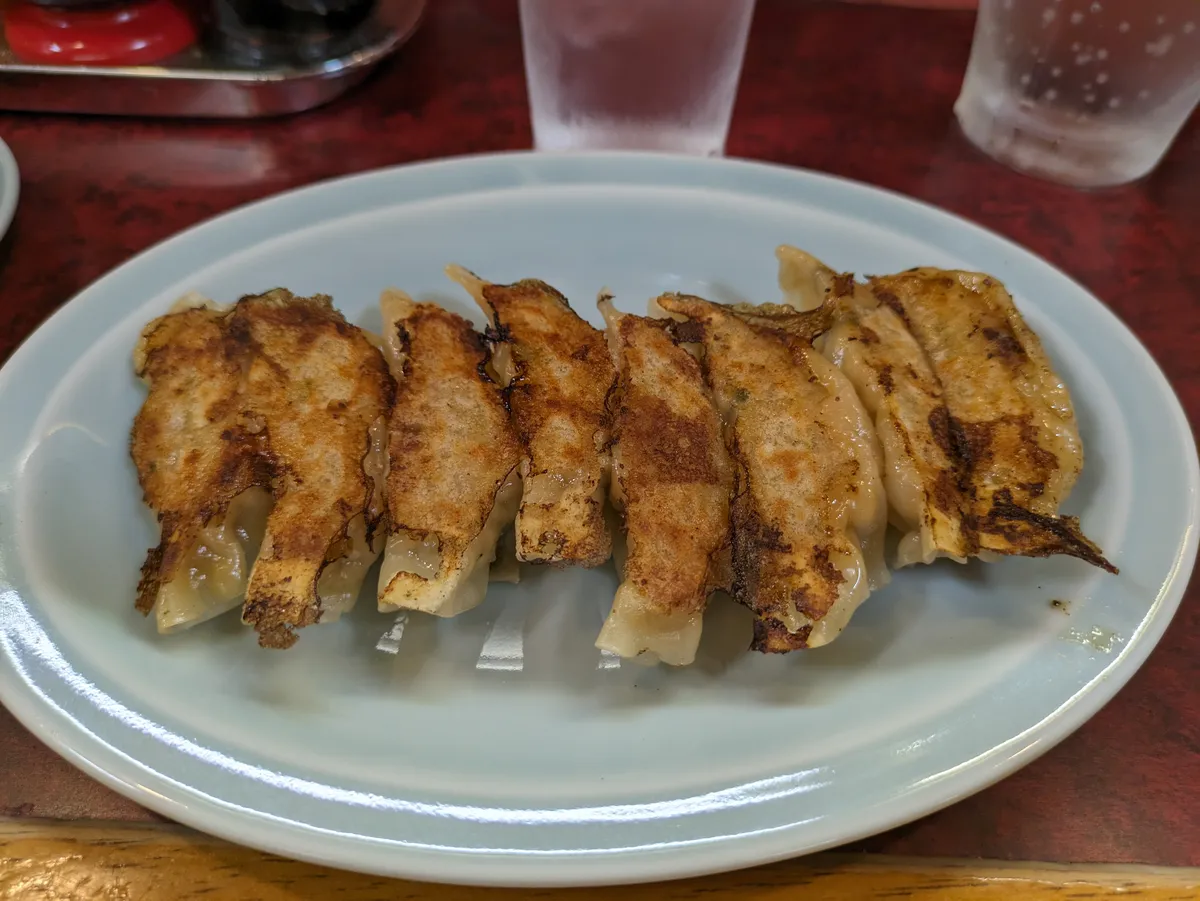
The area around Takabata and Aratama-bashi (荒玉橋) is particularly dense with options. If you have a free afternoon and enjoy walking, take the Higashiyama Line to Takabata and simply wander. Look for the small shops with noren curtains, hand-written menus, and a few locals hunched over their bowls. Walk in. Sit down. Point at whatever the person next to you is eating. You will not be disappointed.
How to spot a great neighborhood ramen shop:
- The sign is faded or hand-painted
- There are 6-10 seats, most at a counter
- The menu is on the wall, not laminated
- There are no photos of the food on the door
- The owner is cooking, serving, and washing dishes alone (or with one helper)
- The youngest person inside is at least 60
These are the places where ramen is not a trend. It is lunch.
Beyond Nakagawa-ku: Other Neighborhood Gems
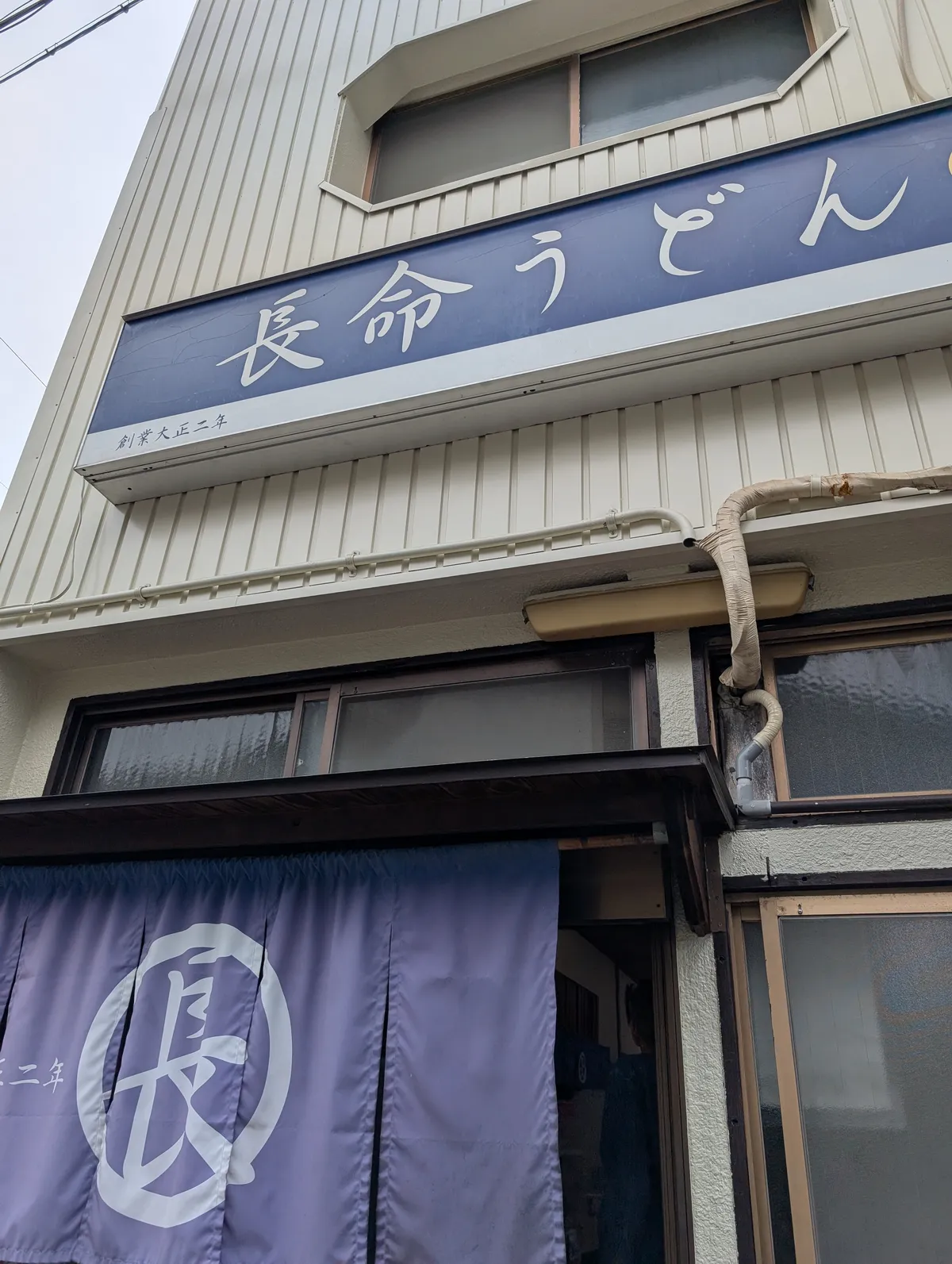
Ramen exploration in Nagoya should not be limited to one ward. Here are other areas worth exploring on foot:
- Atsuta-ku / Jingu area: Several old-school Chinese-style ramen shops near Atsuta Shrine, popular with locals visiting the shrine
- Minato-ku: Blue-collar ward with straightforward, generous ramen at working-class prices
- Moriyama-ku: Suburban feel, but a surprising number of quality ramen shops along the main roads
- Kita-ku: Around Ozone and Kurumamichi stations, small independent shops worth discovering
The key is the same everywhere: avoid the shops designed for visitors and seek out the ones sustained by regulars.
Three Hidden Shops Worth the Detour
Kourai Dojo (好来道場) — Yakuzen Ramen
I tell every visitor who asks me for one ramen recommendation: go to Kourai Dojo. Most Nagoya locals do not even know it exists, which is exactly why you should trust me when I say it is the most unique ramen experience in the city. Their specialty is yakuzen ramen — a medicinal-style bowl and the founding shop of Nagoya’s own “Kourai-kei” (好来系) ramen lineage — a light soy-based broth built from chicken bones, pork, vegetables, and seafood. The broth is complex, earthy, and unlike anything else you will find in Nagoya. This is not a shop you stumble upon; it is a shop you go to because someone who knows told you.
Koyoken (光陽軒)
Koyoken is run by a husband and wife whose warmth makes you feel like a regular after just two visits. The ramen here is old-school — no gimmicks, no fusion, just a clean, well-made bowl in a tiny shop with heart. Foreign visitors who want a genuinely human Japanese dining experience — not just good food — should come here. The couple’s hospitality is as much a reason to visit as the ramen itself.
Kaisui (海水)
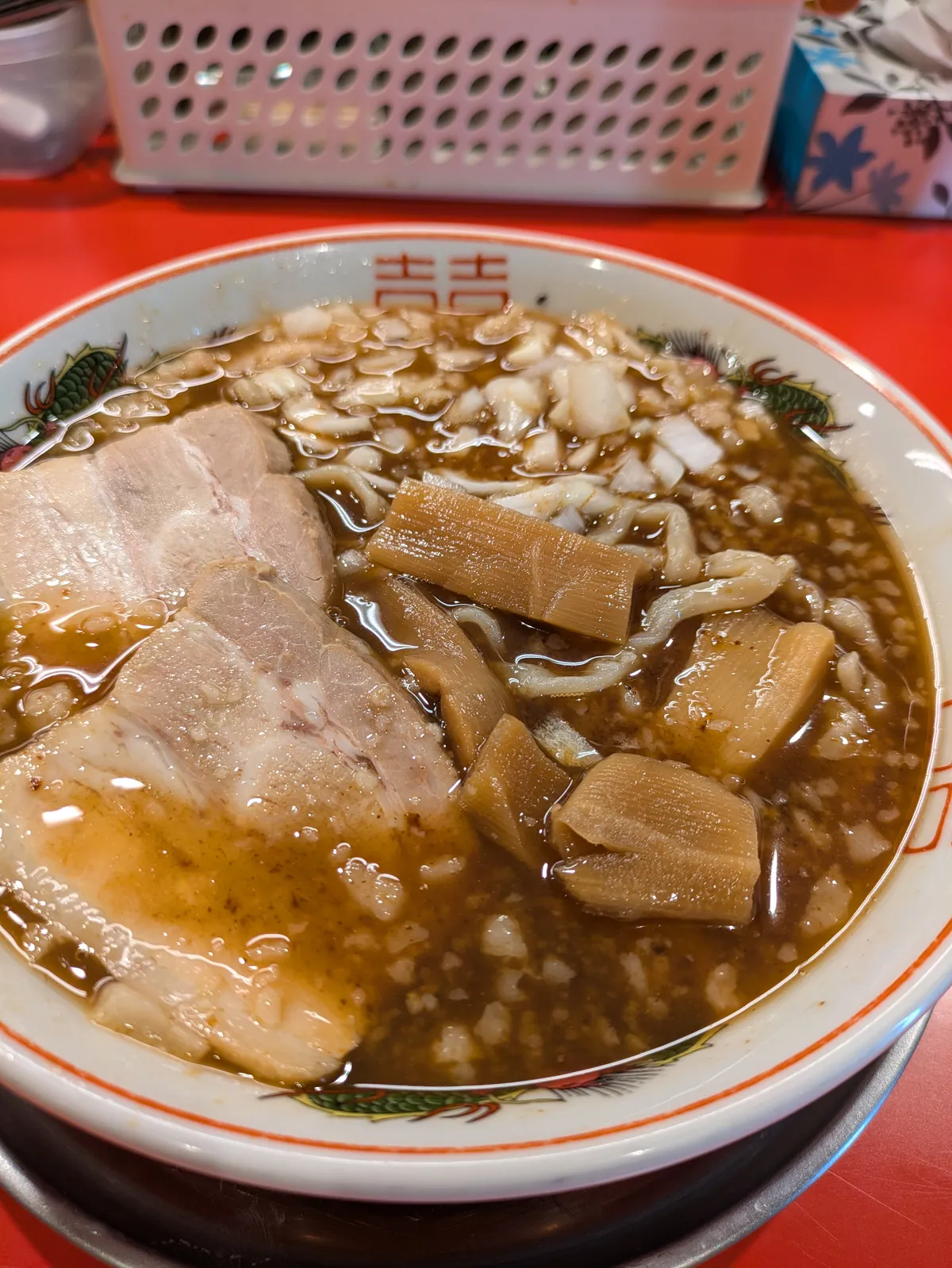
Kaisui is not a ramen-ya in the strict sense — it is a machi-chuka (街中華), the kind of neighborhood Chinese restaurant that exists in every Japanese residential area. I grew up eating here — Kaisui is the neighborhood Chinese restaurant of my childhood in Nakagawa-ku. The menu has over 100 items, but my go-to has always been the paiko-men — ramen topped with a slab of fried chicken. If you want to eat the way actual Nagoya families eat on a Tuesday night, this is the place.
How Do You Order Ramen in Nagoya?
Most shops use ticket vending machines near the entrance — insert cash, press the top-left button for the signature dish, and hand the ticket to staff. At shops without machines, say “osusume wa nan desu ka?” to ask for recommendations.
The Ticket Machine (券売機 / Kenbaiki)
Most ramen shops in Nagoya use a ticket vending machine near the entrance. Here is how it works:
- Find the machine — it is usually just inside the door, before the seating area
- Insert cash — most machines accept 1,000 yen bills and coins. Some newer machines accept IC cards
- Press the button for your order — the most popular item is usually in the top-left position
- Collect your ticket(s) and change
- Hand the ticket to the staff when you sit down (or place it on the counter in front of you)
Can’t read the machine? The top-left button is almost always the shop’s signature dish. If the machine has photos, even better. If not, the most expensive item in the 900-1,100 yen range is typically the recommended bowl. Staff will help if you look confused — do not hesitate to ask.
At Shops Without Ticket Machines
Smaller, older shops often take orders directly. Sit down, and the owner or staff will approach you. If there is no English menu:
- Point at what someone else is eating
- Say “osusume wa nan desu ka?” (おすすめは何ですか? / “What do you recommend?”)
- Or simply say “ramen, onegaishimasu” (ラーメンお願いします / “Ramen, please”)
Key Ordering Vocabulary
| Japanese | Romaji | Meaning |
|---|---|---|
| 大盛り | Omori | Large serving of noodles |
| 替え玉 | Kaedama | Extra noodle refill (common in tonkotsu shops) |
| 味玉 / 煮玉子 | Ajitama / Nitamago | Seasoned soft-boiled egg |
| チャーシュー | Chashu | Braised pork slices |
| ネギ | Negi | Green onion |
| ニンニク | Ninniku | Garlic |
| 辛い | Karai | Spicy |
| 薄味 | Usumaji | Lighter flavor |
Ramen Etiquette in Nagoya
- Slurping is expected and polite. It cools the noodles and is considered a compliment to the chef.
- Eat quickly. Ramen is meant to be eaten as soon as it arrives. The noodles absorb broth and become soft over time. Lingering over a bowl is not the norm.
- Do not leave broth. Finishing the soup is a sign of appreciation, though it is acceptable to leave some if the portions are large.
- Say “gochisousama deshita” (ごちそうさまでした) when you leave — it means “thank you for the meal” and is standard courtesy.
- Clear your own tray at Sugakiya and other food court ramen shops. At counter-style shops, leave your bowl on the counter.
How Does Ramen Compare to Other Nagoya Noodles?
Nagoya has three major noodle traditions: ramen (Taiwan mazesoba and Taiwan ramen), kishimen (flat wheat noodles in light dashi broth), and miso nikomi udon (thick noodles simmered in Hatcho miso). Over three days, try all three for a complete noodle experience.
Nagoya is one of Japan’s great noodle cities, and ramen is only part of the picture. Two other noodle dishes are essential to the city’s food identity:
Kishimen (きしめん)
Flat, wide wheat noodles served in a light dashi broth, typically topped with kamaboko (fish cake), green onions, and bonito flakes. Kishimen is one of the oldest Nagoya noodle traditions and is available at dedicated shops and on Shinkansen platforms at Nagoya Station. It is lighter and more delicate than ramen — a perfect counterpoint after a heavy mazesoba session.
Miso Nikomi Udon (味噌煮込みうどん)
Thick, hard udon noodles simmered in a rich Hatcho miso broth, served in a clay pot that keeps everything bubbling at the table. Yamamotoya Honten is the most famous purveyor. This is a hearty, deeply savory dish that showcases Nagoya’s signature miso in its most intense form.
For a complete overview of Nagoya’s food scene, including these noodle dishes and much more, see the Nagoya Food Guide: 18 Must-Try Nagoya Meshi Dishes.
The noodle spectrum: If you have three days in Nagoya, try to have ramen (Taiwan mazesoba or Taiwan ramen) on day one, kishimen on day two, and miso nikomi udon on day three. Together, they give you a complete understanding of how Nagoya approaches noodles — from the modern and bold (mazesoba) to the traditional and refined (kishimen) to the ancient and powerful (miso nikomi).
What Practical Tips Should You Know for Ramen in Nagoya?
Carry at least 2,000-3,000 yen in cash since most shops are cash-only. Arrive at 11:00 or 13:30 to avoid the lunch rush. Peak hours at popular shops like Menya Hanabi can mean 30-60 minute waits on weekends.
When to Go
- Best times: 11:00-11:30 (right at opening) or 13:30-14:00 (after the lunch rush). For dinner, 18:00-18:30 is ideal.
- Avoid: 12:00-13:00 on weekdays (office worker lunch hour) and 11:30-13:30 on weekends at popular shops like Menya Hanabi. Lines of 30-60 minutes are common at peak times.
- Late-night ramen: Misen Imaike is open until 1:00 AM (last order 12:30 AM). Some shops near Sakae and Nagoya Station are open late as well. Late-night ramen after drinking is a Nagoya institution.
Cash vs Card
- Carry cash. Most independent ramen shops are cash-only or use ticket machines that only accept cash.
- IC cards (Manaca, Suica, Pasmo) are accepted at some chain shops and newer locations.
- Credit cards are rare at ramen shops. Do not rely on them.
- Recommended: Carry at least 2,000-3,000 yen in coins and small bills when ramen crawling.
Vegetarian & Dietary Restrictions
Vegetarian ramen is difficult in Nagoya. Nearly all broths use pork, chicken, or fish stock, and most toppings include meat.
- Best option: Ask for “yasai ramen” (vegetable ramen) at shops that offer it — availability is limited
- Sugakiya’s broth is a tonkotsu-shoyu blend and is not vegetarian
- For halal and vegetarian visitors: The food court at Aeon Mall Atsuta has some options, and a small number of shops near Nagoya Station cater to dietary restrictions. Research specific shops before visiting.
Allergies
Ramen in Nagoya commonly contains: wheat (noodles), soy, pork, chicken, fish (dashi and fish powder), egg, and sesame. Taiwan mazesoba and Taiwan ramen both contain significant amounts of garlic and chili. If you have allergies, write them down in Japanese and show the staff — most will do their best to accommodate you.
Ramen Portions
- Regular (並): Standard serving, sufficient for most people
- Large (大盛り / omori): 1.5x noodles, usually 100-150 yen extra
- Kaedama (替え玉): An extra ball of noodles added to your remaining broth, 100-200 yen — standard at tonkotsu shops, less common at Taiwan mazesoba shops
Find Nagoya Food Tours and Experiences
Where Should You Plan a Ramen Crawl in Nagoya?
Start in Takabata (Nakagawa-ku) for Taiwan mazesoba at its birthplace, then visit Imaike for Taiwan ramen at Misen. The Nagoya Station underground malls offer convenient variety. Sakae and Osu combine ramen with shopping. Allow 2-3 hours per area.
Best Areas for a Ramen Crawl
Nakagawa-ku / Takabata Area
Best for: Taiwan mazesoba origin pilgrimage + neighborhood ramen exploration
Getting there: Higashiyama Line to Takabata Station (10 min from Nagoya Station)
Plan: Start at Menya Hanabi for Taiwan mazesoba, then walk the surrounding streets for hidden gems. Allow 2-3 hours.
Imaike
Best for: Taiwan ramen + nightlife dining
Getting there: Higashiyama Line to Imaike Station (15 min from Nagoya Station)
Plan: Dinner at Misen (the honten), then explore the bars and small restaurants in the surrounding streets. Imaike has a lively, slightly rough-edged nightlife scene that is very different from polished Sakae.
Nagoya Station Area
Best for: Convenience and variety
Getting there: You are already there
Plan: The underground malls (Esca, Gate Walk) and JR Gate Tower have multiple ramen options. Misen has a branch here. Ramen Street in Esca features several shops. This is the best area if you only have time for one quick bowl. It is not the most authentic experience, but it is efficient.
Sakae / Osu
Best for: Combining ramen with shopping and sightseeing
Getting there: Higashiyama or Meijo Line to Sakae Station
Plan: Start with karamiso ramen at Fukurou (4 minutes from Sakae Station), then walk to Osu Shopping Street. For late-night ramen in the Nishiki nightlife area, Jinmaru Nishiki (じんまる錦) serves rare beef tail ramen until 4 AM (¥1,000; 6 minutes from Hisaya-Odori Station).
Kanayama
Best for: Transit hub dining — many travelers change trains here
Getting there: JR, Meitetsu, or Subway to Kanayama Station
Plan: A few solid ramen shops are within a 5-minute walk of the station. Good for a quick bowl between connections.
The ideal two-day ramen itinerary:
- Day 1 lunch: Taiwan mazesoba at Menya Hanabi (Takabata). Walk the neighborhood after.
- Day 1 dinner: Taiwan ramen at Misen (Imaike). Order sides too — their Chinese dishes are excellent.
- Day 2 lunch: Karamiso ramen at Fukurou in Sakae — control your own spice level.
- Day 2 late night: Sugakiya at any food court for the nostalgia experience, or Jinmaru in Nishiki for beef tail ramen until 4 AM.
How to Get Around Nagoya: Subway, Buses, and Day Passes
Frequently Asked Questions
What is the most famous ramen style in Nagoya?
Taiwan mazesoba is the most famous ramen style to originate from Nagoya. Invented by Menya Hanabi in Takabata, Nakagawa-ku, it is a soupless noodle dish with spicy minced pork, raw egg yolk, nori, garlic, green onions, fish powder, and chili. Taiwan ramen, a spicy soup-based noodle invented by Misen in the 1970s, is the other signature Nagoya style.
What is the difference between Taiwan mazesoba and Taiwan ramen?
Taiwan ramen is a soup-based ramen with spicy minced pork in a soy or chicken broth, invented by Misen in Imaike. Taiwan mazesoba is a soupless noodle dish where thick noodles are mixed with toppings. Despite both having “Taiwan” in the name, they are completely different dishes, and neither actually comes from Taiwan.
Where is the best ramen area in Nagoya?
Nakagawa-ku is often called a “ramen holy land” by locals for its dense concentration of quality shops, including the original Menya Hanabi. Imaike (Chikusa-ku) is another ramen hotspot, home to Misen. For convenience, the area around Nagoya Station has the highest concentration of options.
How much does ramen cost in Nagoya?
A bowl typically costs ¥800–1,200 (approximately $5-8 USD). The original Ganso Taiwan mazesoba at Menya Hanabi is ¥810 (Tabelog menu), with most diners totaling ¥1,000–1,400 after toppings, rice, or sides. Nagoya ramen prices are generally 100-200 yen cheaper than Tokyo.
Are ramen shops in Nagoya cash only?
Many are, especially smaller independents and those using ticket vending machines. Carry at least 2,000-3,000 yen in cash. Larger chains accept IC cards and some digital payments.
Is there vegetarian or halal ramen in Nagoya?
Options are limited but growing. Most ramen shops use pork-based broth or toppings. A few shops near Nagoya Station offer soy milk or vegetable broth alternatives. Research specific shops before visiting if you have dietary restrictions.
Can I visit Menya Hanabi’s original location easily?
Yes. Take the Higashiyama Line (yellow line) from Nagoya Station to Takabata Station — about 10 minutes. The shop is a 5-minute walk from the station. Expect a line at peak hours on weekends.
Related Guides
- Nagoya Food Guide: 18 Must-Try Nagoya Meshi Dishes — The complete guide to Nagoya’s unique cuisine, from miso katsu to hitsumabushi
- Things to Do in Nagoya — Plan your Nagoya itinerary beyond food
- Osu Shopping Street Guide — Explore Nagoya’s most vibrant shopping and street food district
JR Pass and Rail Pass Guide for Central Japan
This article is based on 35 years of living, eating, and walking in Nagoya. All shop details are verified as of April 2026. Hours, prices, and availability may change — check individual shop websites or Google Maps for the latest information before visiting.
Facing a ticket machine?
Compare Japan eSIM options on Klook →Camera translation is how most visitors get through it.