Gero Onsen (下呂温泉) is one of Japan’s Three Famous Hot Springs, just 1 hour 40 minutes from Nagoya by JR Hida Limited Express. The alkaline water (pH 9.18, source temperature 84°C) has been prized for over 1,000 years. A day trip costs ¥13,600-15,700 including train fare, Yumeguri Tegata Set (¥2,500 for 3 baths, includes towel and bag), and Hida beef lunch.
Gero Onsen is one of Japan’s “Three Famous Hot Springs” and the most accessible world-class onsen destination from Nagoya. Just 1 hour 40 minutes by limited express train, this riverside mountain town offers alkaline “beauty water” baths, traditional ryokan stays with kaiseki dinners, free foot baths along the Hida River, and one of the most authentic hot spring experiences left in Japan. This guide covers everything you need to plan a day trip or overnight stay in 2026 — including how to get there, where to bathe, what to eat, onsen etiquette, and seasonal tips from a Nagoya local who knows the Hida region well.
Written by Yuu — April 6, 2026
This article may contain affiliate links. See our affiliate disclosure for details.
Table of Contents
- Why Gero Onsen?
- Getting to Gero from Nagoya
- The Hot Springs: What Makes Gero’s Water Special
- Day Trip Options
- Overnight Stay and Ryokan Recommendations
- Food in Gero
- Onsen Etiquette Guide
- Seasonal Guide
- Sample Itineraries
- Practical Info and Budget
- What If It Rains?
- FAQ
- Related Guides
Why Should You Visit Gero Onsen?
Gero is one of only three hot springs in Japan designated as Nihon Sanmeisen (Three Famous Hot Springs), a title dating back to a poem by the Muromachi-period Zen poet Banri Shuku, later endorsed by the Edo-period Confucian scholar Hayashi Razan. Its gentle alkaline water, scenic riverside setting, and easy access from Nagoya make it the best onsen day trip in Central Japan.
Japan has more than 2,800 hot spring resort areas, but only three hold the title of Nihon Sanmeisen — Japan’s Three Famous Hot Springs. The designation traces back to a poem by the Muromachi-period Zen poet Banri Shuku, later endorsed by the Edo-period Confucian scholar Hayashi Razan, and the three towns it names are Kusatsu (Gunma Prefecture), Arima (Hyogo Prefecture), and Gero (Gifu Prefecture).
If Kusatsu is the powerful medicinal spring and Arima the ancient aristocratic spa, Gero is the gentle, skin-softening beauty bath that anyone can enjoy. And for travelers based in Nagoya, it is by far the easiest of the three to reach.
What sets Gero apart
- The water itself. Gero Onsen is an alkaline simple spring (pH 9.18) with a source temperature of 84°C. The moment you step in, you feel it — the water is silky, almost slippery, and leaves your skin noticeably softer. Japanese bathers call it bijin no yu (美人の湯), literally “beauty’s water.”
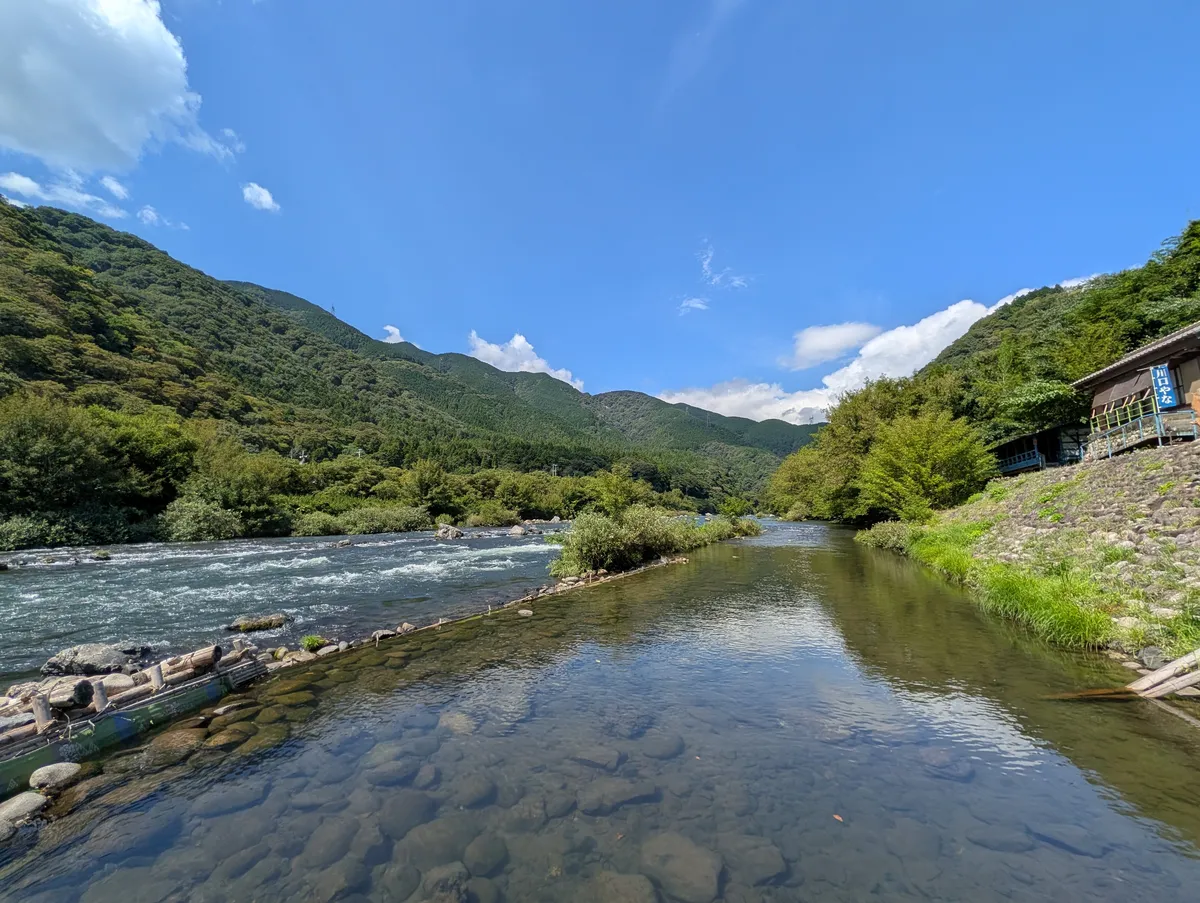
- The setting. The town sits in a narrow valley where the Hida River (飛騨川) cuts through forested mountains. Ryokan line both sides of the river, their outdoor baths perched above the water. At night, the illuminated bridges and steam rising from the baths give the town a dreamlike atmosphere.
- The culture. Gero has been a working hot spring town since the 10th century. Unlike resort-style developments in some parts of Japan, Gero feels authentically local. The bathhouses are modest, the ryokan owners friendly, and the pace of life genuinely slow.
- The access. From Nagoya Station, you can be soaking in a bath in under two hours. No transfers, no complicated bus connections. A single limited express train takes you straight there.
Having visited onsen towns across Japan and thermal baths in Turkey, Hungary, and Iceland, I can say that Gero strikes a rare balance: it delivers the full depth of Japanese bathing culture without the intimidation factor that some larger or more tourist-heavy onsen areas can have. If you are coming to Nagoya and want a real onsen experience, Gero is the closest serious hot spring town. There is nothing else at this level within this distance. For a first onsen experience in Japan, it is hard to beat.
How Do You Get to Gero Onsen from Nagoya?
The JR Hida Limited Express runs directly from Nagoya Station to Gero Station in 1 hour 40 minutes (approximately ¥4,500 one way, reserved seat). No transfers are needed. The ride through mountain valleys along the Hida River is one of the most scenic train journeys in Central Japan.
By Train: JR Hida Limited Express
The JR Hida Limited Express (特急ひだ — the older “Wide View Hida” name was retired in 2022) is the primary way to reach Gero from Nagoya, and it is one of the most scenic train rides in central Japan.
| Detail | Info |
|---|---|
| Route | Nagoya Station → Gero Station |
| Duration | Approximately 1 hour 40 minutes |
| Cost | Approximately ¥4,700 one way with a reserved seat in the regular season (¥2,310 base fare + ¥2,390 limited express fee), dropping to ¥4,500 off-peak and rising to ¥5,100 over New Year; ¥4,170 with a non-reserved seat. All cars are reserved-only Aug 7–16 and Sept 18–23, 2026, and Dec 25, 2026–Jan 5, 2027 (JR Central) |
| Frequency | Roughly 8–10 departures per day |
| Covered by | Japan Rail Pass, Takayama-Hokuriku Area Tourist Pass |
The train follows the Hida River valley north through Gifu Prefecture, passing through tunnels and crossing gorges. If the weather is clear, sit on the right side heading north (left side on the return) for the best river views.
The Hida Limited Express does not run every 30 minutes like a city commuter train. Departures are roughly every 1 to 2 hours, and the schedule varies by season. Check the latest timetable on the JR Central website before you go. For a day trip, aim for one of the morning departures (typically around 7:43 or 8:43 from Nagoya) and a return in the late afternoon (around 16:00–17:00 from Gero).
Reserved seats are recommended on weekends and during peak seasons (Golden Week, Obon, autumn foliage, New Year). You can reserve at JR ticket counters, ticket machines, or online.
Rail Passes for the Hida Region: Complete Guide
By Car
Driving from Nagoya takes about 2 hours via the Tokai-Hokuriku Expressway and Route 41. I drive to Gero — it takes about three hours from Nagoya via local roads (Route 41 without the expressway), but the mountain road is beautiful and the drive itself is part of the experience. Parking is available at most ryokan (free for overnight guests) and at public lots near the station (around ¥500–¥1,000 per day). A car is useful if you want to combine Gero with stops in the Hida countryside, but the train is simpler for a straightforward day trip.
From Other Cities
- From Takayama: JR Hida Limited Express, about 45 minutes. Gero is a natural add-on to a Takayama trip.
- From Osaka/Kyoto: Take the shinkansen to Nagoya, then transfer to the JR Hida. Total travel time is about 2 hours 45 minutes to 3 hours from Shin-Osaka.
- From Tokyo: Shinkansen to Nagoya (1 hour 40 minutes), then JR Hida (1 hour 40 minutes). Total about 3.5 hours.
What Makes Gero Onsen’s Water Special?
Gero’s alkaline simple hot spring water has a pH of 9.18 and a source temperature of 84°C. The high alkalinity creates a silky, slippery texture that naturally exfoliates skin — locals call it bijin no yu (beauty water). It is the gentlest of the Three Famous Springs.
Not all hot springs are the same. Japan classifies its onsen by mineral composition, and each type has different properties. Gero Onsen is categorized as an alkaline simple hot spring (tanjun onsen), and its particular chemistry is what gives it the famous silky feel.
Key water properties
| Property | Value |
|---|---|
| Spring type | Alkaline simple hot spring |
| pH | 9.18 (strongly alkaline) |
| Source temperature | 84°C |
| Bathing temperature | 40–43°C (adjusted) |
| Key minerals | Sodium, potassium, calcium, trace sulfate |
| Characteristics | Colorless, odorless, silky texture |
The high pH is what does the work. Alkaline water dissolves old surface skin cells (a mild, natural exfoliation), which is why your skin feels so smooth after bathing. This is the same principle behind alkaline beauty products, except here you are sitting in a natural spring that has been doing this for over a thousand years.
Compared to the intensely acidic waters of Kusatsu (pH 2.1) or the iron-rich rust-colored waters of Arima, Gero is gentle and approachable. There is no strong sulfur smell, no stinging sensation, and no risk of irritating sensitive skin. It is the easiest of the Three Famous Springs for first-time bathers.
After soaking in Gero’s alkaline water, your skin will feel noticeably smooth — almost as if you have applied lotion. This effect lasts several hours. Many visitors (myself included) skip moisturizer entirely after a Gero bath because it simply is not needed. Drink plenty of water before and after bathing to stay hydrated, especially if you plan to visit multiple baths in one day.
What Can You Do on a Gero Onsen Day Trip?
Buy a Yumeguri Tegata Set (¥2,500, includes towel and bag) to soak in 3 different ryokan baths, visit free foot baths along the Hida River, explore the Gassho-mura open-air museum (¥800), and eat a Hida beef lunch. With 5-6 hours in town, you can comfortably fit all of this.
Even if you only have half a day, Gero offers plenty to fill it. Here are the main ways to enjoy the town on a day trip.
Yumeguri Tegata (Hot Spring Pass)
The Yumeguri Tegata (湯めぐり手形) is Gero’s signature offering for visitors and one of the best deals in Japanese onsen travel.
- Cost: ¥2,500 (set includes wooden pass, towel, and drawstring bag; Gero Onsen Ryokan Association)
- What you get: Entry to 3 baths at participating ryokan (out of roughly 20 participating properties)
- Where to buy: Tourist information center at Gero Station, participating ryokan front desks, or souvenir shops around town
- Format: A small wooden plaque (like an ema) that gets stamped at each bath you visit
This pass lets you experience the private baths of ryokan that would otherwise be reserved for overnight guests. Each ryokan has its own character — some have panoramic open-air baths overlooking the river, others have intimate stone-walled indoor pools, and a few feature rare wooden cypress tubs. The Yumeguri Tegata turns a day trip into a proper onsen-hopping adventure.
Check the operating hours before you start. Each participating ryokan only opens its baths to Yumeguri visitors during set hours, and those windows vary a lot — some are morning-only (around 10:30–12:00), many are early afternoon (12:00–15:00), several are evening-only (18:00–21:00), and the public bathhouses run most of the day. Some close on certain days. The tourist information office has a current list of hours and available baths. Plan your three selections before setting out so you don’t waste time backtracking.
Free Foot Baths (Ashiyu)
Gero has multiple free foot baths scattered along the Hida River and in the town center. These open-air foot soaking pools are the perfect way to rest your legs while enjoying the scenery.
Notable foot baths include:
- Venus no Ashiyu (ビーナスの足湯) — In front of the Shirasagi-no-Yu public bathhouse, beside a Venus statue
- Sarubobo Ogon no Ashiyu (さるぼぼ黄金の足湯) — Inside the grounds of Sarubobo Shichifuku Shrine in the town center
- Miyabi no Ashiyu (雅の足湯) — In front of Hotel Miyabitei on the main onsen street
- Several along the riverside promenade — Just follow the river and you will find them
Foot baths have no entry fee, no time limit, and no etiquette rules beyond keeping the water clean. Do not skip the free foot baths scattered around town. I have tried several, and they are genuinely relaxing — not just a photo opportunity. Sitting with your feet in natural hot spring water while watching the town go by is one of Gero’s simple pleasures. Bring a small towel to dry your feet (or buy one at any convenience store for about ¥100).
Public Bath Houses
You do not have to be a hotel guest to bathe in Gero. Two walk-in bath houses in the town centre take anyone for a single admission fee, which makes them the easy option on a day trip or when your ryokan’s baths are closed for cleaning. Bring your own towel.
| Bath house | Admission | Hours | Closed |
|---|---|---|---|
| Shirasagi-no-Yu (白鷺乃湯) | ¥470 adults, ¥180 elementary school, ¥100 preschool | 10:00–20:45 (last entry 20:00) | Wednesdays (Friday instead when Wednesday is a public holiday) |
| Kua Garden Rotenburo (クアガーデン露天風呂) | ¥800 adults, ¥400 elementary school, ¥200 preschool | 8:00–20:45 (last entry 20:00) | Thursdays (the following day instead when Thursday is a public holiday) |
Admission, hours and closing days are taken from each facility’s official page (Shirasagi-no-Yu, Kua Garden Rotenburo) and were checked in July 2026. Both close one day a week, so check before you plan your soak.
Gero Onsen Gassho-mura (Open-Air Museum)
Gero Onsen Gassho-mura (下呂温泉合掌村) is a small open-air museum featuring relocated gassho-zukuri thatched-roof houses — the same architectural style as the famous houses in the UNESCO World Heritage village of Shirakawa-go.
| Detail | Info |
|---|---|
| Entry | ¥800 (adults); last admission 16:30 (Gero Onsen Gassho-mura official) |
| Hours | 8:30–17:00 year-round (9:00–16:00 on Dec 31, Jan 1–2) |
| What to see | 10 relocated gassho-zukuri houses, a waterfall, workshops (paper-making, ceramics painting), a small shrine |
If you cannot make the trip to Shirakawa-go, Gassho-mura gives you a taste of that unique mountain architecture in a compact, walkable setting. It is particularly beautiful in autumn when the surrounding hills turn gold and crimson.
Other Day Trip Highlights
- Onsenji Temple (温泉寺) — A hillside temple with panoramic views over the town. Reached by a short but steep staircase. Free entry.
- Gero Onsen Museum — Small museum about the history and science of hot springs.
- Riverside walk — The Hida River promenade is pleasant year-round. In winter, the mountains frame the steam rising from riverbank baths. In summer, the sound of the river is a natural coolant.
- Chaplin Statue — A bronze Charlie Chaplin stands on Shirasagi Bridge beside statues of Hayashi Razan and Banri Shuku, the two scholars who made Gero famous. Endearing in its randomness, and a favourite photo stop.
Which Ryokan Should You Stay at in Gero Onsen?
Top picks range from luxury (Suimeikan at ¥25,000-50,000/person) to mid-range (Ogawaya at ¥15,000-25,000) to budget guesthouses from ¥5,000. An overnight stay adds kaiseki dinner, evening yukata strolls, and the quietest morning bath experience.
While a day trip is absolutely doable, spending the night in a Gero ryokan is the premium way to experience the town. An overnight stay means you get the evening atmosphere (lit-up bridges, steam, yukata-clad guests strolling), a multi-course kaiseki dinner, and the chance to bathe at night and again the next morning when the baths are emptiest.
What to Expect at a Ryokan
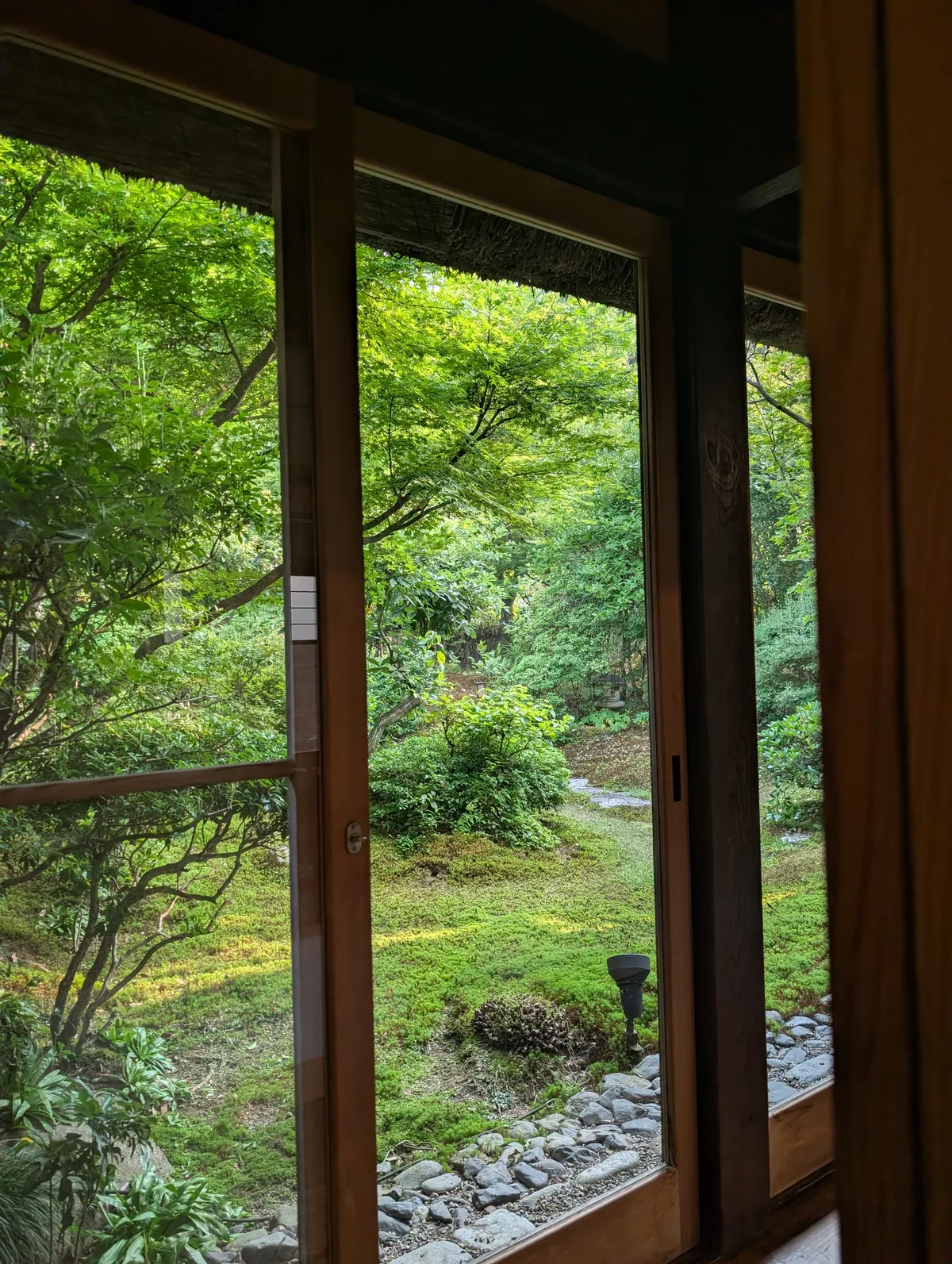
If you have never stayed at a Japanese ryokan, here is what a typical overnight at Gero looks like:
- Check-in (15:00–16:00): You are greeted at the entrance, given slippers, and shown to your room. Rooms have tatami mat floors and futons laid out at bedtime. Many also have a sitting area with a low table and floor cushions.
- First bath: Drop your bags and head to the communal baths (daiyokujou). Most ryokan have separate male and female baths, each with indoor and outdoor (rotenburo) sections. Late afternoon is a lovely time — the light is golden, and the baths are not yet crowded.
- Dinner (18:00–19:30): Kaiseki dinner is served either in your room or in a dining hall. Expect 8 to 12 courses: sashimi, grilled river fish, Hida beef, seasonal vegetables, miso soup, rice, pickles, and a small dessert. At higher-end ryokan, the kaiseki alone justifies the stay.
- Evening stroll: Put on your yukata (lightweight cotton robe) and geta (wooden sandals) and walk the town. Onsen towns are one of the few places in Japan where it is perfectly normal — even expected — to walk around in sleepwear. Visit a foot bath, buy ice cream, and enjoy the nighttime quiet.
- Second bath (late evening or early morning): Many ryokan rotate their male/female baths overnight, so you can experience a different bath in the morning. Bathing before breakfast, in the clean morning air, is one of the great pleasures of ryokan life.
- Breakfast (7:30–9:00): A traditional Japanese breakfast: grilled fish, rice, miso soup, pickles, egg, nori, and various small dishes. It is hearty and filling.
- Check-out (10:00–11:00).
Ryokan Recommendations
Luxury
Suimeikan (水明館)
Gero’s largest and most famous ryokan. Suimeikan has been operating since 1932 and occupies a massive riverside complex with three bath wings, multiple restaurants, a pool, gardens, and art galleries (Suimeikan official). It is not boutique — it is grand-scale — but the variety of baths and the quality of the kaiseki are top-tier. Expect to pay ¥25,000–¥50,000 per person per night with two meals.
Shogetsu (しょうげつ)
A quieter, more intimate luxury option with beautifully designed rooms overlooking the river. Shogetsu is known for its refined kaiseki and attentive service. Good for couples or travelers who prefer a calmer atmosphere. Rates start around ¥30,000 per person per night.
Mid-Range
Ogawaya (小川屋)
Another well-established large ryokan with excellent open-air baths and a good range of room types. Ogawaya hits the sweet spot between quality and affordability. They sometimes offer plans that include the Yumeguri Tegata pass. Rates from about ¥15,000–¥25,000 per person per night with meals.
Yunoshimakan (湯之島館)
A Registered Tangible Cultural Property of Japan built in 1931, Yunoshimakan is perched on a hillside surrounded by forest (Yunoshimakan official). The building itself is a work of art — classic Showa-era wooden architecture. The baths look out over the treetops. A special experience for architecture lovers. Rates around ¥20,000–¥35,000 per person.
Budget
Gero Onsen business hotels and minshuku (guesthouses) offer rooms from ¥5,000–¥8,000 per person without meals. You won’t get the kaiseki dinner or in-room futon service, but you can use the Yumeguri Tegata to visit ryokan baths during the day and eat at local restaurants.
Best Onsen Trips and Stays Near Nagoya
Ryokan fill up fast on weekends, holidays, and during autumn foliage season (mid-October to mid-November). Book at least 2 to 4 weeks in advance for weekend stays. Weeknight stays are often ¥3,000 to ¥5,000 cheaper per person and the baths are far less crowded. Most ryokan can be booked through Booking.com, Rakuten Travel, or Jalan (Japanese booking platforms). Some luxury ryokan require booking directly through their website.
What Should You Eat in Gero?
Hida beef is the must-eat item: A5-grade steak runs ¥3,000-6,000, seared beef sushi costs ¥700-1,000 for two pieces, and rice bowls are ¥1,500-2,500. Also try local tomato juice, charcoal-grilled ayu river fish (June-October), and the cult-favorite Gero Purin custard pudding.
Gero’s food scene is grounded in the mountain cuisine of the Hida region. Do not come expecting seafood sushi — come expecting rich, hearty dishes that reflect the cold-weather, river-and-forest landscape. What I love about Gero is that the restaurants serve local ingredients — river fish, mountain vegetables, Hida beef. There is a pride in the food here that you can taste. The town is small enough that the restaurants do not cater to mass tourism, so the quality stays high.
Hida Beef (飛騨牛)
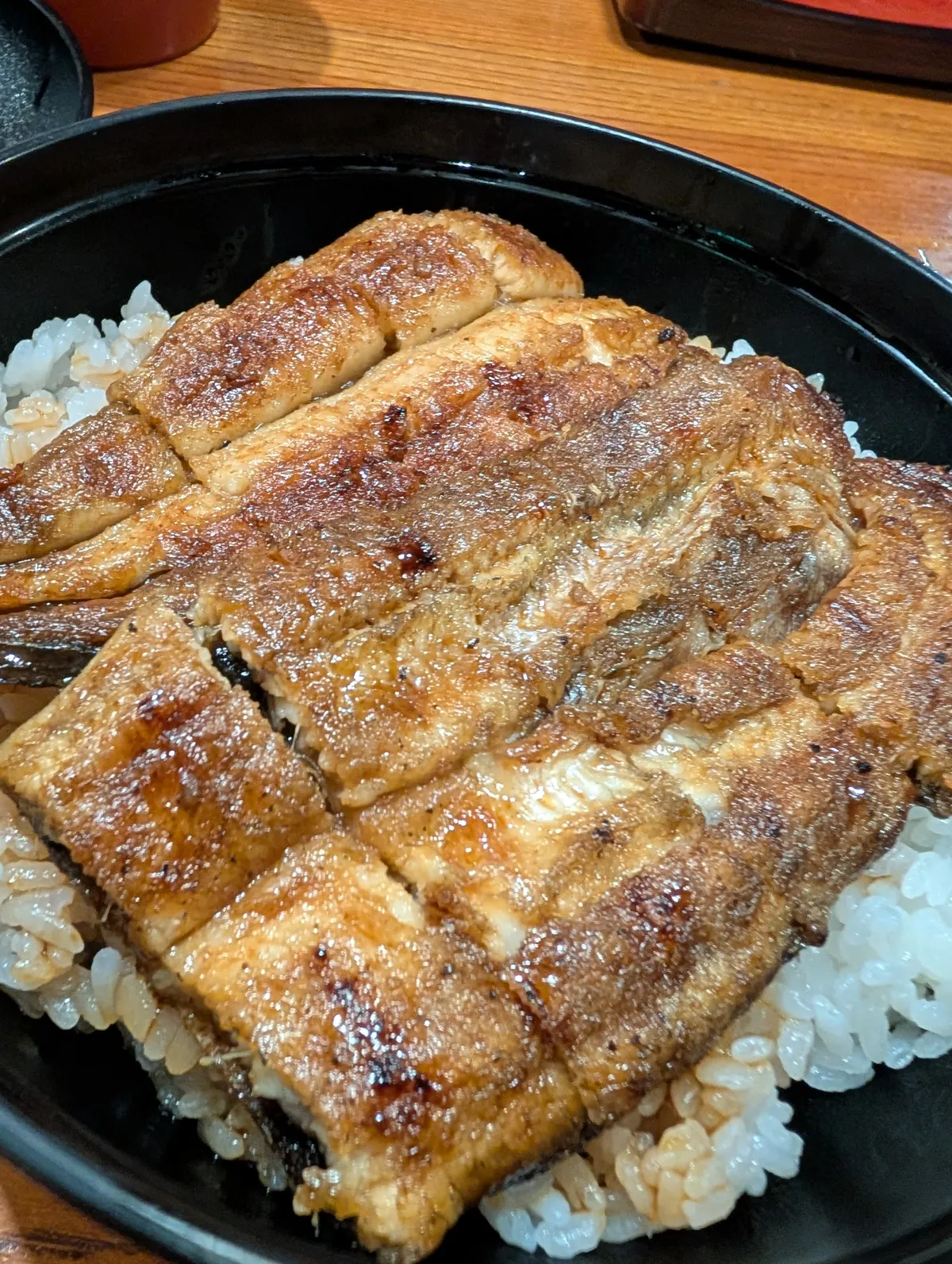
Hida beef is the signature food of the entire Hida region (which includes both Gero and Takayama) and one of Japan’s top wagyu brands. It is intensely marbled, melt-in-your-mouth tender, and typically served:
- As steak — A5-grade Hida beef steak at a ryokan or restaurant, usually ¥3,000–¥6,000
- On rice bowls — Hida beef don (rice bowl), about ¥1,500–¥2,500
- As sushi — Thin slices of seared Hida beef on vinegared rice, served at street stalls and casual shops, ¥700–¥1,000 for two pieces
- Grilled on skewers — Kushiyaki sold at shops around the station area, ¥500–¥800
- In hot pot — Sukiyaki or shabu-shabu style, often included in ryokan kaiseki
If you eat one thing in Gero, make it Hida beef. The quality rivals Kobe beef at a fraction of the price, and eating it in the region where the cattle are raised adds a dimension that a Tokyo restaurant cannot replicate.
Tomato Juice
This one surprises people. The Gero area is known for producing excellent tomatoes, and locally made tomato juice is a regional specialty. You will see it sold at souvenir shops and the station kiosk. It is thicker and sweeter than standard commercial tomato juice — a refreshing pick-me-up between baths.
River Fish
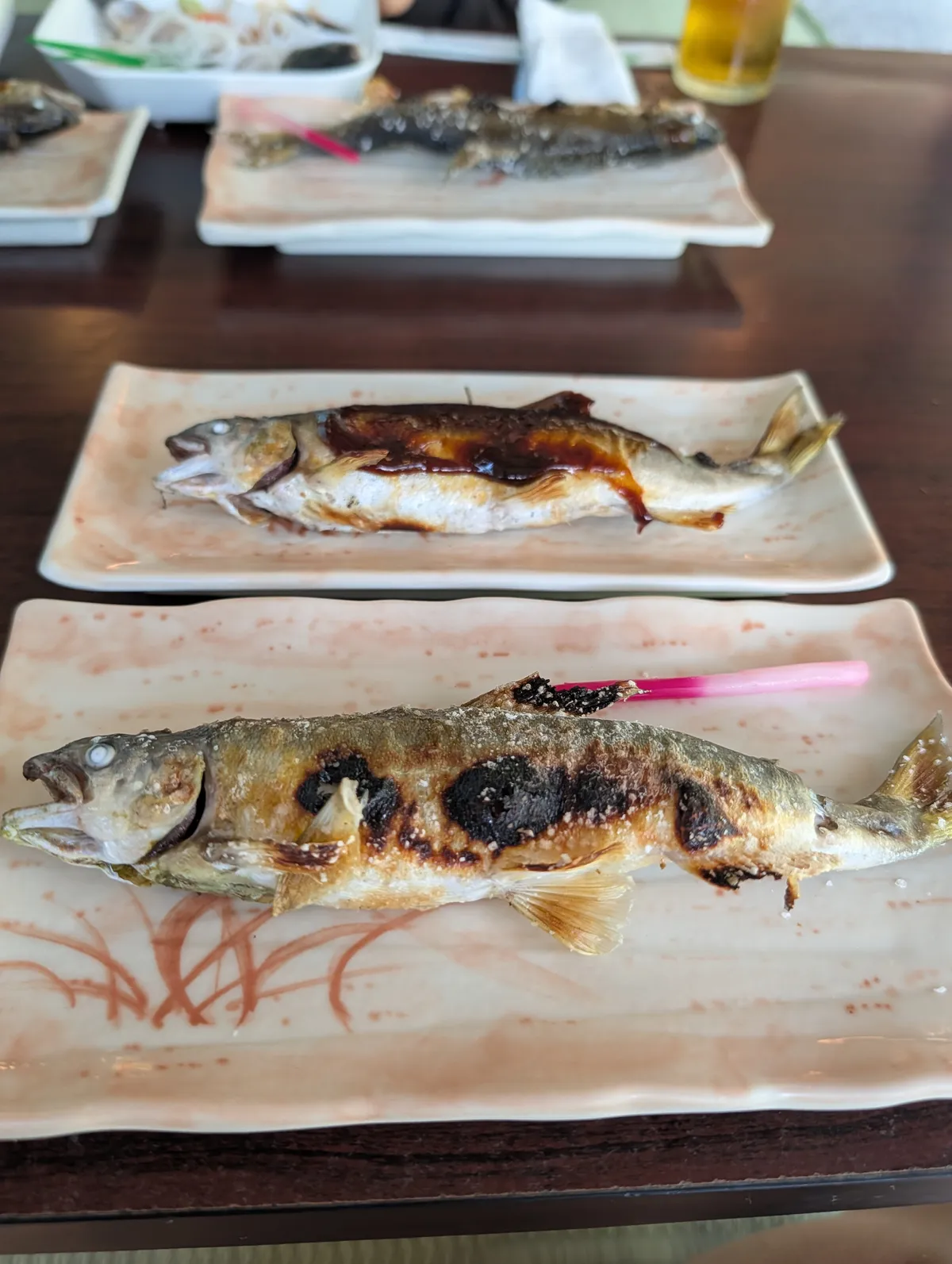
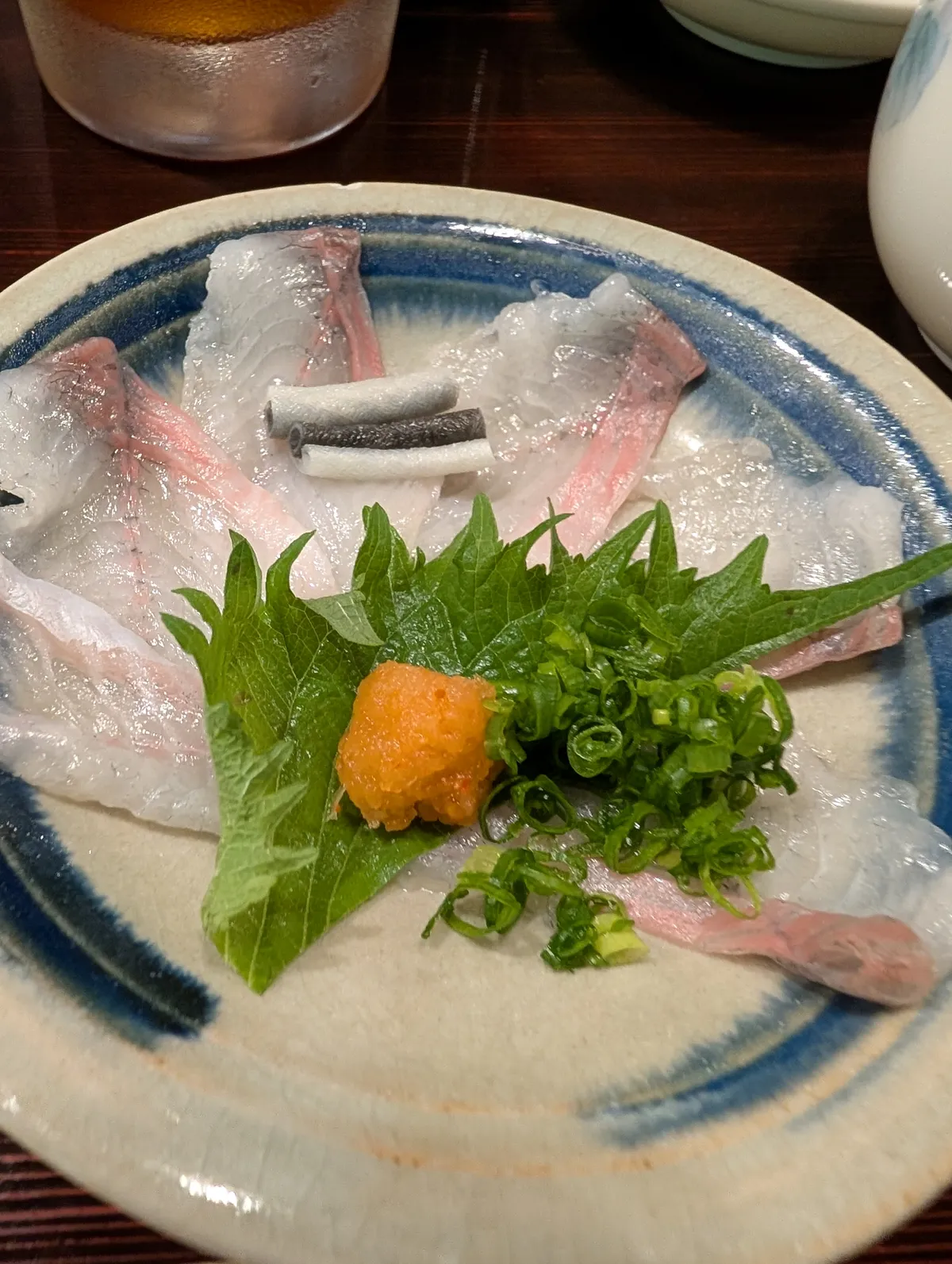
The Hida River provides ayu (sweetfish) and iwana (char), both grilled whole on skewers over charcoal. Ayu season runs roughly from June to October. The fish is served with salt, and you eat it whole — head, bones, and all. Iwana is available year-round at some restaurants. River fish is a quintessential mountain Japan flavor that you will not find in cities.
Gero Pudding (Gero Purin)
A local dessert that has become a cult favorite among Japanese tourists. Gero Purin is a rich, creamy custard pudding sold at a dedicated shop near the station. The packaging features a frog (gero means frog croak in Japanese onomatopoeia, which leads to a lot of playful frog-themed merchandise around town). Worth trying as a snack between baths.
Other Local Dishes
- Keichan (鶏ちゃん) — Chicken stir-fried with cabbage in a sweet miso or soy sauce-based marinade. A Gifu regional dish served at casual izakaya.
- Hoba miso (朴葉みそ) — Miso paste mixed with mushrooms, green onions, and sometimes beef, grilled on a magnolia leaf over a small flame at your table. Aromatic and savory.
- Sake — Several small breweries in the Hida region produce excellent local sake. Try a tasting flight at a restaurant or pick up a bottle at a souvenir shop.
What Are the Onsen Etiquette Rules You Need to Know?
Wash your body completely before entering the bath, enter naked (no swimsuits), keep your towel out of the water, and do not soak for more than 15-20 minutes at a time. Most communal baths are gender-separated, and most ryokan do not allow tattoos in communal baths.
For international visitors, the thought of bathing naked in a public hot spring can be daunting. This section covers everything you need to know to bathe with confidence.
The Basic Rules
-
Wash before entering. Every onsen has a washing area with stools, buckets, showerheads, and provided soap/shampoo. Sit on a stool, wash your entire body thoroughly, and rinse off all soap. Only then do you enter the bath. This is the single most important rule — the bath water is shared, so cleanliness is non-negotiable.
-
Enter slowly. Do not jump or splash in. Lower yourself gradually. The water is hot (typically 40–43°C), and your body needs a moment to adjust.
-
No towels in the water. You will carry a small hand towel (tenugui) with you, but it does not go in the bath. Place it folded on top of your head or on the edge of the bath. This is both hygienic and traditional.
-
No swimsuits. Japanese onsen are entered naked. This applies to all communal baths. Private baths (kashikiri) are the exception, where you can wear whatever you like since it is just you or your group.
-
Rinse off after bathing — though some bathers at alkaline springs like Gero choose not to, to keep the mineral benefits on their skin. Both approaches are acceptable.
-
Dry off before returning to the changing room. Use your small towel to pat yourself down before stepping back into the dressing area to avoid dripping water on the floor.
Gender Separation and Mixed Baths
The vast majority of baths in Gero are gender-separated (danjo betsu). Men and women bathe in different areas with no crossover. The entrance curtains are color-coded: blue/dark for men (男 otoko), red/pink for women (女 onna).
Mixed-gender baths (konyoku) do exist at a few locations in Gero, but mixed bathing has become increasingly rare in Japan. Many former konyoku baths have switched to time-separated bathing (e.g., women in the morning, men in the afternoon).
Tattoo Policy
This is one of the most common concerns for international visitors. The reality:
- Most traditional ryokan communal baths do not allow tattoos. This is a long-standing policy rooted in the association between tattoos and organized crime (yakuza) in Japan.
- Some ryokan offer private baths (kashikiri buro) where tattoo policies do not apply. These can be booked separately, typically for ¥2,000–¥5,000 per session.
- Tattoo cover stickers are sold at some tourist information centers and drugstores. They can cover small tattoos and allow entry to some baths that would otherwise refuse.
- Free foot baths along the river have no tattoo restrictions whatsoever.
- If in doubt, ask. Call or email the ryokan before your visit. The attitude is gradually shifting, especially in tourist-facing establishments, but it is always better to confirm.
- Wash body completely before entering the bath
- Enter naked — no swimsuits
- Keep your towel out of the water
- Do not splash, swim, or make excessive noise
- Tie long hair up so it does not touch the water
- Do not bring phones or cameras into the bath area
- Do not soak for more than 15 to 20 minutes at a time (risk of overheating)
- Drink water before and after bathing
What to Bring vs. What’s Provided
| Item | Provided at ryokan? | Provided at public baths? | Bring your own? |
|---|---|---|---|
| Large bath towel | Yes | Sometimes (may cost extra) | Optional |
| Small hand towel | Yes | Sometimes | Bring one just in case |
| Shampoo / soap | Yes | Yes | Not necessary |
| Yukata (robe) | Yes (ryokan only) | No | Not necessary |
| Razor / toothbrush | Yes (ryokan only) | No | Bring if needed |
| Hair dryer | Yes | Usually | Not necessary |
When Is the Best Time to Visit Gero Onsen?
Winter (December-February) offers the iconic snow rotenburo experience, autumn (October-November) has spectacular mountain foliage, spring brings cherry blossoms along the Hida River, and summer (June-July) features firefly viewing. Weekdays are less crowded year-round.
Spring (March – May)
Cherry blossoms bloom along the Hida River in early to mid-April (about one week later than Nagoya due to the higher elevation). The combination of pink blossoms, the river, and rising steam from the baths is stunning. Temperatures are cool (8–18°C), perfect for hot spring bathing. The town’s own Gero Onsen Matsuri is a summer event (August 1–4), but spring has its own draw: the Tsuchibina Matsuri clay-doll display at Gassho-mura runs from early February to early April.
Summer (June – August)
Gero is a few degrees cooler than sweltering Nagoya, making it a mild escape. The standout summer experience is firefly viewing — hotaru appear along the river in mid-June to early July. Summer also brings ayu fishing season. Baths feel especially refreshing in the open air after a warm day. Evening strolls in yukata are magical.
Autumn (October – November)
The best season for scenery. The mountains surrounding Gero explode in red, orange, and gold from mid-October to mid-November. Autumn foliage and outdoor rotenburo baths is one of the quintessential Japanese onsen experiences. This is peak season — book ryokan well in advance.
Winter (December – February)
The most atmospheric time to visit. Snow blankets the town and the surrounding mountains, and the contrast between the cold air and steaming hot water is unforgettable. Snow rotenburo — soaking in a hot outdoor bath while snowflakes drift down around you — is the image most people picture when they think of Japanese onsen. Temperatures drop to -5 to 5°C. The Gero Onsen Hanabi Monogatari winter fireworks light up the valley every Saturday from mid-January to late March, and a candle illumination is held by the Chaplin statue on December 24.
For first-timers: autumn or winter. For budget travelers: weekdays in spring or summer. For photographers: winter snow scenes or autumn foliage. For festival lovers: August 1–4 (Gero Onsen Matsuri, the town’s biggest summer event) or any Saturday from mid-January to late March (Gero Onsen Hanabi Monogatari winter fireworks).
What Does a Gero Onsen Itinerary Look Like?
A day trip starts at 7:43 AM from Nagoya, gives you 5-6 hours in Gero for three baths, lunch, and sightseeing, and returns you to Nagoya by 6:06 PM. An overnight extension lets you continue to Takayama the next day for a two-day Hida region trip.
Day Trip from Nagoya
| Time | Activity |
|---|---|
| 07:43 | Depart Nagoya Station on JR Hida Limited Express |
| 09:25 | Arrive Gero Station. Pick up a Yumeguri Tegata Set (¥2,500) at the tourist info center |
| 09:45 | Walk to your first ryokan bath (use one Yumeguri stamp). Soak for 30–45 minutes |
| 10:45 | Explore Onsenji Temple. Climb the steps for town views |
| 11:30 | Second ryokan bath (second Yumeguri stamp) |
| 12:30 | Hida beef lunch — try a beef rice bowl or seared beef sushi at a restaurant near the river |
| 13:30 | Walk along the Hida River promenade. Stop at a free foot bath |
| 14:00 | Visit Gero Onsen Gassho-mura (open-air museum, about 1 hour) |
| 15:15 | Third ryokan bath (final Yumeguri stamp). A luxurious end to the day |
| 15:45 | Pick up Gero Purin and souvenirs near the station |
| 16:18 | Depart Gero on the JR Hida Limited Express (Hida No. 16) |
| 18:06 | Arrive Nagoya Station |
Day trip budget: Train ¥8,340–¥9,400 round trip (or free with JR Pass), Yumeguri Tegata Set ¥2,500, Gassho-mura ¥800, lunch ¥1,500–¥2,500, snacks ¥500. Total: approximately ¥13,600–¥15,700 (without rail pass) or ¥5,300–¥6,300 (with rail pass).
Overnight: Gero + Takayama Combination (2 Days)
This is the route I recommend most. It combines the two best Hida-region destinations into one efficient trip.
Day 1: Nagoya → Gero (overnight)
| Time | Activity |
|---|---|
| 10:48 | Depart Nagoya Station (no need to rush — you have the whole afternoon) |
| 12:27 | Arrive Gero. Check bags at station coin lockers if check-in is not yet available |
| 12:30 | Hida beef lunch |
| 13:30 | Gassho-mura or riverside walk and foot baths |
| 15:00 | Check in to ryokan. First bath |
| 18:00 | Kaiseki dinner at ryokan |
| 19:30 | Evening stroll in yukata. Foot baths, ice cream, nighttime atmosphere |
| 21:00 | Late-night bath (often the quietest time) |
Day 2: Gero → Takayama → Nagoya
| Time | Activity |
|---|---|
| 07:00 | Early morning bath (the best bath of the trip) |
| 08:00 | Ryokan breakfast |
| 10:15 | Check out. Board JR Hida to Takayama (43 minutes) |
| 10:58 | Arrive Takayama. Explore Sanmachi Suji (old town), morning markets, sake breweries |
| 13:00 | Lunch in Takayama |
| 14:00 | Continue exploring or visit Takayama Jinya (historic government house) |
| 15:34 | Depart Takayama on JR Hida to Nagoya (about 2 hours 30 minutes) |
| 18:06 | Arrive Nagoya |
This combination works beautifully with the Takayama-Hokuriku Area Tourist Pass (5 days; check the official page for current pricing), which covers all JR trains on this route. See our JR Pass Guide for Central Japan for details.
How Much Does a Gero Onsen Trip Cost?
A day trip totals ¥13,600-15,700 (train ¥8,340-9,400, Yumeguri Tegata Set ¥2,500, lunch ¥1,500-2,500, Gassho-mura ¥800). An overnight stay at a mid-range ryokan with kaiseki dinner runs ¥28,640-41,200. JR Pass holders save the full train fare.
Budget Summary
| Expense | Day Trip | Overnight (mid-range ryokan) |
|---|---|---|
| Train (round trip) | ¥8,340–¥9,400 | ¥8,340–¥9,400 |
| Yumeguri Tegata Set | ¥2,500 | ¥2,500 (optional — your ryokan has baths) |
| Accommodation | — | ¥15,000–¥25,000 (includes dinner and breakfast) |
| Lunch | ¥1,500–¥2,500 | ¥1,500–¥2,500 |
| Gassho-mura | ¥800 | ¥800 |
| Snacks / souvenirs | ¥500–¥1,000 | ¥500–¥1,000 |
| Total | ¥13,640–¥16,200 | ¥28,640–¥41,200 |
With a JR Pass or regional pass, subtract the train cost from both columns.
Useful Information
- Tourist information center: Located just outside Gero Station. English-language maps and pamphlets available. Staff can help with Yumeguri Tegata purchases and bath schedules.
- ATMs: 7-Eleven and Japan Post ATMs in town accept international cards. There are a few near the station.
- Language: English is limited outside of major ryokan. Download Google Translate offline Japanese before your visit.
- Luggage storage: Coin lockers at Gero Station (¥300–¥600). Some ryokan will hold your bags before check-in or after check-out.
- Mobile connectivity: Wi-Fi is available at the station, tourist info center, and most ryokan. Cell service (all major carriers) works throughout town.
- Accessibility: Onsen bathing inherently involves stairs, wet surfaces, and getting in/out of deep tubs. Some ryokan have barrier-free baths — inquire when booking.
Getting Around Gero
Gero town is compact and walkable. The main hot spring area is about a 10-minute walk from Gero Station, heading downhill toward the river. Everything in this guide is within a 20-minute walk. No bus or taxi is needed unless you have mobility concerns.
According to the Gero Onsen Tourism Association, Gero Onsen has been an active hot spring resort for over 1,000 years, with its waters emerging at a source temperature of approximately 84°C.
According to the Ministry of the Environment of Japan, Japan had 2,839 hot spring resort areas and 27,899 hot spring sources as of March 2025. Only three — Kusatsu, Arima, and Gero — carry the historic title of Nihon Sanmeisen (Three Famous Hot Springs), a ranking handed down from the Muromachi-period poet Banri Shuku and the Edo-period scholar Hayashi Razan rather than any government designation.
According to Gero City and the Gero Onsen Tourism Association, Gero Onsen is an alkaline simple hot spring with a pH above 9 (commonly quoted as 9.18), which puts it among the most alkaline onsen in Japan.
What If It Rains? Weather and Contingency Planning
Here is the truth about onsen towns and rain: rainy days are some of the best days to visit. Soaking in a rotenburo (outdoor bath) while rain falls around you is a quintessential Japanese hot spring experience — the sound of rain on water, the steam rising into cool air, the sense of being completely enveloped by nature. Many Japanese travelers actively seek out rainy days for onsen visits.
- Hot springs in the rain are perfect. Indoor baths are unaffected, and outdoor rotenburo become even more atmospheric. This is genuinely one of the few day trips that gets better in rain.
- The town itself is compact and walkable even in wet weather. Most ryokan and bathhouses are within a 10-minute walk of the station. Carry a compact umbrella and you will be fine.
- Gassho-mura (open-air museum) has some covered exhibition areas, but the grounds are mostly outdoor. Light rain is manageable; heavy rain makes the hillside paths slippery and reduces enjoyment.
- Riverside foot baths may be closed or flooded during heavy rain, as they sit at river level. Check conditions when you arrive.
- Fewer tourists on rainy days means easier access to popular ryokan day baths that sometimes have queues on sunny weekends. A rainy weekday at Gero is the insider move for a relaxed experience.
- Heavy rain or typhoon warning: The JR Central Hida Line runs through mountain valleys and can be suspended during severe weather. Check the JR Tokai app or website before departure. If trains are not running, the Japan Meteorological Agency forecast will tell you whether conditions are expected to improve. In this case, consider redirecting to indoor Nagoya alternatives — the extensive underground shopping arcades, Tokugawa Art Museum, or Noritake Garden are all weatherproof options.
Frequently Asked Questions
Can I visit Gero Onsen as a day trip from Nagoya?
Yes. The JR Hida Limited Express takes about 1 hour 40 minutes from Nagoya Station to Gero Station. With a morning departure and late afternoon return, you get 5 to 6 hours in town — enough for multiple baths, lunch, and sightseeing.
What makes Gero Onsen’s water special?
Gero Onsen is an alkaline simple hot spring with a pH of 9.18. The high alkalinity gives the water a silky texture that softens the skin naturally. Locals call it “beauty water” (bijin no yu).
Can I enter Gero Onsen baths if I have a tattoo?
Most traditional ryokan communal baths do not allow tattoos. However, private baths (kashikiri buro), some public facilities, and all free foot baths have no restrictions. Tattoo cover stickers are available at some locations. Always check with the specific ryokan before booking.
What is the Yumeguri Tegata hot spring pass?
The Yumeguri Tegata Set costs ¥2,500 and includes a wooden pass, towel, and drawstring bag. It grants entry to 3 out of roughly 20 participating ryokan baths. It is the best way to sample multiple baths on a day trip. Buy it at the tourist info center near Gero Station.
Is the JR Pass valid for the train to Gero Onsen?
Yes. Both the nationwide Japan Rail Pass and the regional Takayama-Hokuriku Area Tourist Pass cover the JR Hida Limited Express between Nagoya and Gero.
What is the best season to visit Gero Onsen?
Winter (December–February) offers the iconic snow rotenburo experience. Autumn (October–November) has spectacular foliage. Spring (April) brings cherry blossoms, and summer (June–July) has firefly viewing. Each season has unique appeal.
Do I need to bring my own towel and soap?
Ryokan provide everything — towels, soap, shampoo, yukata robes. Public bathhouses usually have soap and shampoo but may charge extra for towels (¥100–¥200). Bringing a small towel is always a safe bet.
Is Gero Onsen suitable for children?
Yes. The gentle alkaline water is safe for children, and many ryokan welcome families. Some ryokan offer private family baths. The Gassho-mura museum and foot baths are also child-friendly activities.
Related Guides
- Nagoya to Takayama and Shirakawago Day Trip — Combine Gero with Takayama for the ultimate Hida region itinerary
- Getting Around Nagoya — Transport guide for your Nagoya base
- JR Pass Guide for Central Japan — Which rail pass saves you the most money for Gero, Takayama, and Kanazawa
- 7 Best Day Trips from Nagoya — Complete overview of the best day trips from the city
Gero Onsen is one of those rare places where the reputation matches the reality. The water is genuinely special, the town is genuinely peaceful, and the experience of soaking in an outdoor bath surrounded by mountains and river mist is genuinely unforgettable. Whether you come for a few hours or a full night, you will leave with softer skin and a quieter mind. That is not marketing — it is just what good onsen does.
If you have questions about visiting Gero Onsen or the Hida region, feel free to reach out — I am always happy to help fellow travelers discover this part of Japan.
— Yuu
Staying the night in Gero?
Browse Gero Onsen ryokan →Check what the meal plan includes before you book.