TL;DR: For 90% of travelers, take the Nozomi Shinkansen — Tokyo to Nagoya in 100 minutes for around ¥11,300. The Hikari Shinkansen is the right pick if you hold a Japan Rail Pass (Nozomi is excluded). Highway buses are the cheapest at ¥2,000–6,500 but eat 6+ hours, and flying is almost never worth it on this route once you add airport transfers.
Last updated: July 2026 | Author: Yuu (Nagoya-born, 35 years local)
This article contains affiliate links. See our affiliate disclosure for details.
Table of Contents
- Quick Comparison Table
- Option 1: Nozomi Shinkansen (Recommended)
- Option 2: Hikari Shinkansen (JR Pass holders)
- Option 3: Highway Bus (Budget pick)
- Option 4: Plane via Centrair (Almost never worth it)
- JR Pass Eligibility Deep-Dive
- Best Choice by Traveler Type
- Booking Strategies from Outside Japan
- Where to Stay When You Arrive in Nagoya
- FAQ
- About the Author
- Related Guides
Quick Comparison Table
I worked for a Tokyo-headquartered company that posted me to its Nagoya branch in Sakae, so I’ve ridden this corridor more times than I can count — Nozomi for client meetings, Hikari when I had a rail pass, an overnight bus a few times in my twenties when I was broke. Here’s what the four real options look like in 2026.
| Mode | Travel time (door-to-door) | One-way price | Frequency | Luggage | Comfort | Best for |
|---|---|---|---|---|---|---|
| Nozomi Shinkansen | ~1h 40m (Tokyo → Nagoya station) | ¥11,300 reserved | 6–9 trains/hour | 2 bags + oversized w/ reservation | ★★★★★ | Most travelers |
| Hikari Shinkansen | ~1h 41m – 1h 58m | ¥11,090 reserved (covered by JR Pass) | ~2 trains/hour | Same as Nozomi | ★★★★★ | Japan Rail Pass holders |
| Highway Bus | 5h 30m – 7h | ¥2,000 – ¥6,500 | ~30+ departures/day (day & overnight) | 1 large under-bus, 1 carry-on | ★★ – ★★★ (depends on grade) | Budget travelers, overnight savers |
| Plane (HND/NRT → NGO) | 3h 30m – 5h door-to-door | ¥10,000 – ¥25,000 | 6 flights/day combined (3 from Haneda, 3 from Narita) | Checked bag fees on LCCs | ★★★ | Mileage runners, niche cases only |
Sources: JR Central (Tokaido Shinkansen), Willer Express, Chubu Centrair International Airport. Prices verified July 2026.
Honest verdict: If you can afford ¥11,300 and you value your time, take the Nozomi. Everything else is a special case.
Option 1: Nozomi Shinkansen (Recommended for 90% of travelers)
The Nozomi is the fastest class of Tokaido Shinkansen and the workhorse of Japanese business travel. When my Tokyo head office needed me back the same day, this was the only realistic option.
The numbers
- Travel time: ~100 minutes (1h 40m), Tokyo Station → Nagoya Station
- Distance: 366 km
- Average speed: ~220 km/h, top speed 285 km/h
- Price: ¥11,300 reserved seat / ¥10,560 non-reserved (April 2026)
- Frequency: Typically 6–9 Nozomi departures per hour through the day, with extra services added at the busiest times
- First Nozomi (eastbound from Nagoya): 06:28 (arrives Tokyo 08:03)
- Last train (westbound from Tokyo): around 21:24
Source: JR Central — Fares & Schedule.
Reserved vs non-reserved: which to pick
On a normal day the Nozomi still has two non-reserved cars — cars 1 and 2 (165 seats per train); every other car is reserved. JR Central also runs every Tokyo–Hakata Nozomi as 100% reserved during peak windows, and for FY2026 that list covers Golden Week, Obon, Silver Week, Sports Day, Labour Thanksgiving Day, New Year, Coming-of-Age Day and the Vernal Equinox weekend. Check JR Central’s all-reserved calendar before you book.
For a foreign visitor with luggage, always reserve. It’s only ¥740 extra and it guarantees you a seat — no standing for 100 minutes between Shinagawa and Nagoya like the salaryman next to you.
Where to sit
- Window seat (E side): view of Mt. Fuji about 40 minutes after leaving Tokyo, around Shin-Fuji station. Clearest in winter (December–February).
- Car 11–12: quietest, fewest passengers boarding/exiting at Shin-Yokohama and Shinagawa. Avoid Car 7 on the Nozomi — it is the S Work car, where laptop noise, phone calls and video meetings are expressly permitted.
- Oversized baggage area: if your suitcase exceeds 160 cm (height + width + depth combined), you must reserve an oversized baggage seat in advance — these are limited and free, but boarding without one now incurs a ¥1,000 surcharge plus you may be moved.
Tokyo Station boarding tips
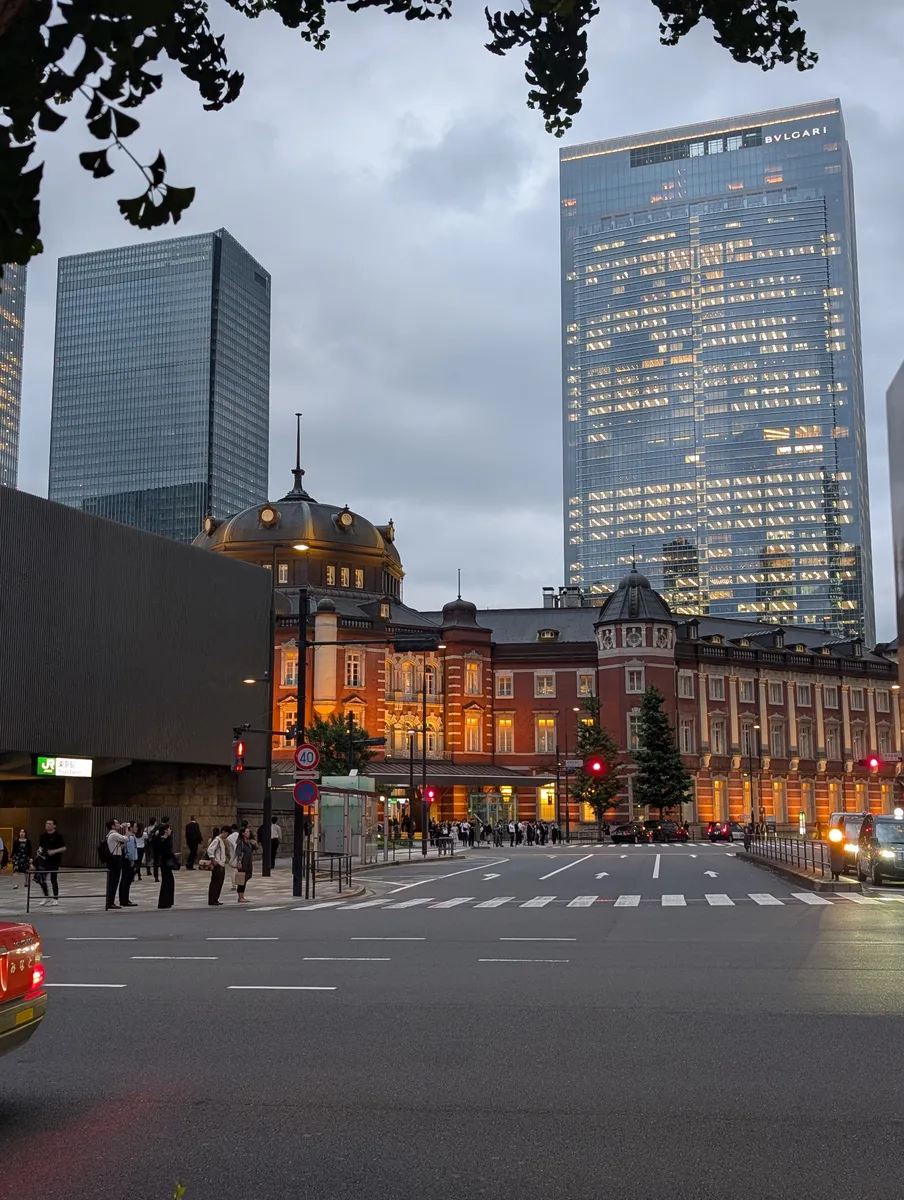
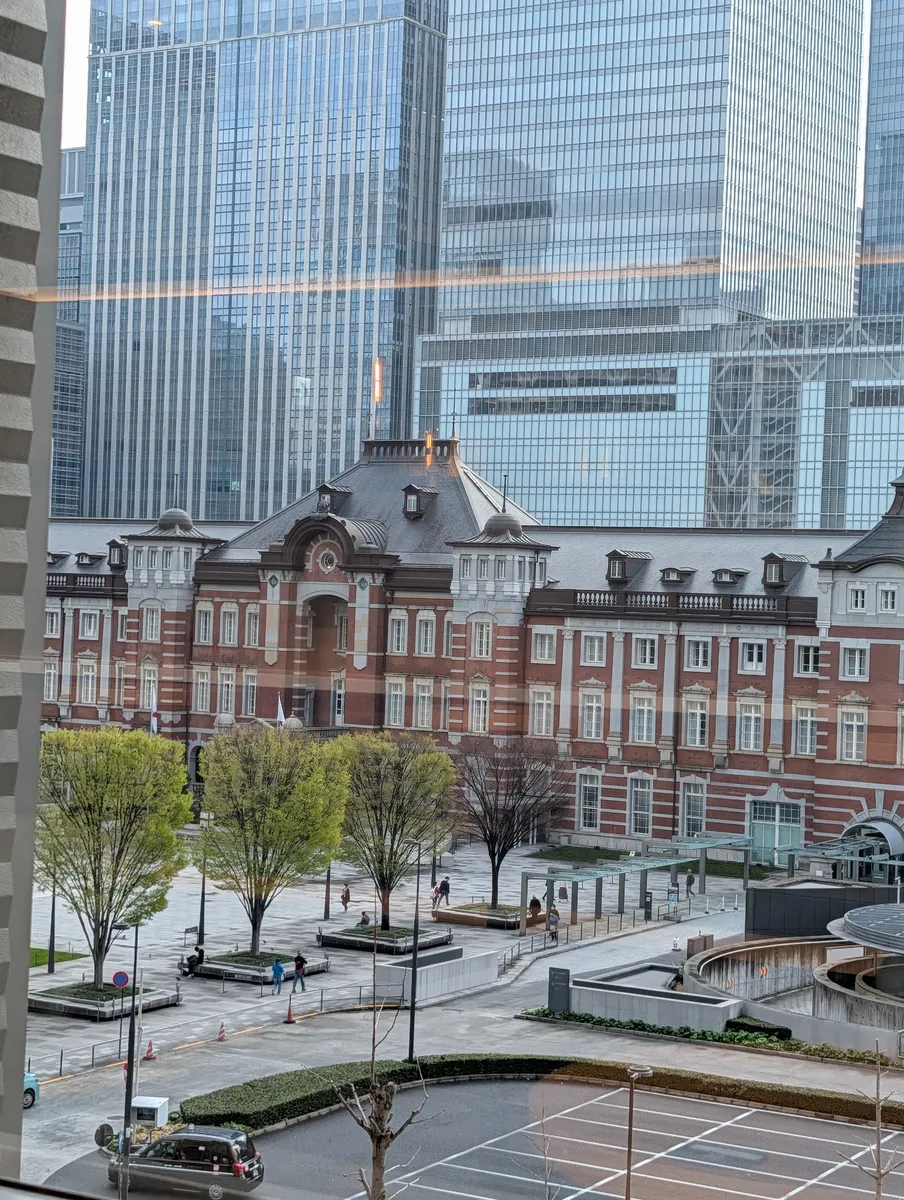
The Tokaido Shinkansen platforms are at Tokyo Station’s south end, marked by orange-and-blue signage. From the Yaesu side (east), follow signs for “Tokaido Shinkansen Central Gate” or “Tokaido Shinkansen South Gate.” If you arrive via the Marunouchi side (west, where the historic red-brick station building is), it’s a 7–10 minute walk through underground passages. Allow extra time.
You can also board at Shinagawa (about 7 minutes after Tokyo) — much less crowded and easier if your hotel is in southern Tokyo.
IC cards: Suica works in Nagoya too
Your Suica or PASMO card from Tokyo will tap through Nagoya’s subway and bus turnstiles without any reissue. Nagoya’s local card is called Manaca, and it’s interoperable with Suica — but you don’t need a separate one. I tell every visiting friend the same thing: top up your Suica before leaving Tokyo, and you’re set for the entire trip.
Source: JR East — Suica.
Booking the Nozomi from outside Japan
The official platform is SmartEX (smart-ex.jp), JR Central’s English booking site. You can reserve up to a month in advance, pay with international credit cards, and pick up the ticket with your booking’s pickup code at JR Central, JR West or JR Kyushu stations — plus a handful of JR East machines including Tokyo and Yokohama — from three days before travel. Bookmark this — it’s the only official channel that doesn’t add a markup.
Source: SmartEX (JR Central).
If you want to bundle with hotel or pay through a familiar checkout, Klook sells Nozomi tickets to international visitors, often with small discounts.
Worth a look: forwarding luggage between cities.
Option 2: Hikari Shinkansen (JR Pass holders only)
Here’s the rule that trips up almost every JR Pass holder: Nozomi is not covered by the standard Japan Rail Pass. Even after the 2023 rule change that lets you pay a supplement to ride Nozomi, the supplement (¥4,180 one-way Tokyo–Nagoya) often makes it cheaper to just buy a regular ticket. Hikari, on the other hand, is fully covered.
The numbers
- Travel time: 1h 41m – 1h 58m (101–118 min) — the :33 departures from Tokyo are the fast ones; the :03 departures make more stops
- Price: ¥11,090 reserved (or ¥0 with a valid JR Pass)
- Frequency: ~2 Hikari per hour, more during peak windows
- JR Pass eligibility: ✅ Full coverage on standard JR Pass
Why Hikari makes sense for Pass holders
If you have a 7-day JR Pass (¥50,000) and you’re doing Tokyo → Nagoya → Kyoto → Osaka → Hiroshima, the math works out instantly. Just one Tokyo–Nagoya–Tokyo round trip (¥22,600 retail) plus a Tokyo–Kyoto leg already pays back about half the pass.
For travelers focusing on central Japan only (Tokyo, Nagoya, Takayama, Ise, Kanazawa), the JR Central Pass or Takayama-Hokuriku Area Tourist Pass can be much cheaper than a nationwide pass. We break this down in our JR Pass guide for central Japan.
The Nozomi supplement option (2023 rule change)
Since October 2023, JR Pass holders can pay a supplement to ride Nozomi and Mizuho:
- Tokyo–Nagoya supplement (Nozomi reserved): ¥4,180
- This is paid at any JR ticket office before boarding
My advice: if you’re rushing to a meeting, fine. Otherwise the extra minutes on Hikari — as few as two if you catch a :33 departure — are the cheapest minutes you’ll ever buy.
Source: JR Central — Nozomi/Mizuho Supplement Ticket.
Option 3: Highway Bus (¥2,000–6,500)
I took the overnight bus from Shinjuku to Nagoya twice in my early twenties when I was a broke student visiting friends. It’s a real option — just be honest with yourself about what you’re trading.
The numbers
- Travel time: 5h 30m – 7h (depending on operator and traffic)
- Day buses: ~6 hours (Shinjuku/Tokyo Sta. → Nagoya Sta./Meitetsu BC)
- Overnight buses: depart Tokyo 22:00–24:00, arrive Nagoya 05:00–07:00
- Price: from about ¥2,000 on a quiet weekday up to ¥6,500 for a 3-row seat, and more on Friday & Sunday nights
- Operators: Willer Express, JR Bus Kanto, Meitetsu Bus, Sakura Kotsu
Day bus vs overnight bus
Day buses are honestly miserable for foreigners. Six hours on the Tomei Expressway, two service-area stops, no view to speak of after the first hour. Unless you specifically need to save the fare difference and you have time to burn, take the train.
Overnight buses have one genuinely useful trick: they save you a hotel night. Board in Tokyo at 23:00, sleep through, arrive in Nagoya at dawn, drop your bags at your hotel for daytime storage, and you’ve effectively converted a ¥10,000 hotel into a ¥5,000 bus seat. For a 7-day trip on a tight budget, that’s a real ¥5,000 saved.
Bus grades worth knowing
Japanese highway buses are heavily stratified by seat type, and the price gap between the cheapest and most comfortable classes is massive:
- 4-row standard (from about ¥2,000): the basic Greyhound-equivalent. Knees in the seat in front. Avoid for overnight.
- 3-row independent (¥5,500–6,500): each seat has its own armrest and aisle on one side. This is the minimum I’d recommend for an overnight ride as a foreigner with luggage.
- Premium / “Cocoon” / curtain-private (¥7,500–10,000): Willer’s premium classes, JR Bus’s “Premium Dream” — basically a curtained pod with a recliner. Honestly, at this price point you should compare to a basic capsule hotel + day Shinkansen.
[12GO:tokyo-nagoya-bus]
Where buses depart and arrive
- Tokyo departures: Shinjuku Highway Bus Terminal (Busta Shinjuku, above the Shinjuku JR South Exit), Tokyo Station Yaesu side
- Nagoya arrivals: Meitetsu Bus Center (3F, integrated into Meitetsu/JR Nagoya Station complex) — extremely convenient for a quick handoff to the subway
Sources: Willer Express, JR Bus Kanto.
Option 4: Plane (Almost Never Worth It on This Route)
Yes, you can fly Tokyo to Nagoya. You almost certainly shouldn’t.
Why the airplane math doesn’t work
The actual flight is short — about 55–60 minutes Haneda → Centrair, and there are only three departures a day (JAL in the morning, ANA and JAL in the evening). But the door-to-door reality:
| Step | Time |
|---|---|
| Tokyo hotel → Haneda Airport (HND) | 45–60 min |
| Check-in & security | 60 min (international LCC: 90 min) |
| Flight | 55–60 min |
| Centrair (NGO) → Nagoya Station via μ-Sky | 28 min |
| Total door-to-door | 3h 30m – 4h |
Compare: Tokyo Station → Nagoya Station on the Nozomi is 1h 40m, plus maybe 30 minutes of station/transfer time on each end = about 2h 40m total. The plane is slower in real life. You’re paying more (¥10,000–25,000) for a worse experience.
When flying actually makes sense
There are three legitimate reasons:
- You’re flying internationally and connecting through HND or NRT — yes, fly through to NGO directly, saves a Tokyo overnight.
- You’re a status-chaser — ANA / JAL mileage runs are a thing.
- You’re starting from far south of Tokyo (e.g., a beach resort in Chiba) with fast access to NRT but slow access to Tokyo Station.
For visiting Nagoya from your Tokyo hotel, just take the Shinkansen.
Source: Chubu Centrair International Airport — Access.
A note on Nagoya Komaki Airport (NKM)
There’s a smaller domestic airport, Nagoya Airfield (Komaki), served by FDA (Fuji Dream Airlines) and JAL on nine regional Japanese routes — Sapporo (Okadama), Aomori, Hanamaki, Yamagata, Niigata, Izumo, Kochi, Fukuoka and Kumamoto It does not operate Tokyo flights. Don’t accidentally book a flight here thinking it’s near downtown Nagoya — it’s a 40-minute bus from Nagoya Station.
Worth a look: getting in from Centrair.
JR Pass Eligibility Deep-Dive
This is the section that saves the most money for the most people, so I’ll spell it out clearly.
What the standard JR Pass covers on this route
✅ Hikari Shinkansen (Tokyo–Shin-Osaka via Nagoya)
✅ Kodama Shinkansen (slow, every-stop service — 2h 39m Tokyo–Nagoya, about an hour more than Nozomi)
❌ Nozomi Shinkansen (requires supplement: ¥4,180 Tokyo–Nagoya)
❌ Mizuho Shinkansen (Sanyo/Kyushu — not relevant for Nagoya anyway)
The pass also covers all JR local trains in Tokyo (Yamanote Line, Chuo Line, etc.) and JR lines from Nagoya into Gifu, Mie, and Aichi prefectures — useful if you’re day-tripping to Inuyama, Ise, or Takayama.
Pass options ranked by travel pattern
Pattern A: Tokyo–Kyoto–Osaka–Hiroshima with Nagoya as a 1-day stop
→ 7-day JR Pass (¥50,000) is the right pick. Note that the price rises to ¥53,000 (7-day) and ¥84,000 (14-day) for passes bought on or after 1 October 2026 — JR Group official price list.
Pattern B: Tokyo + Central Japan focus (Nagoya, Takayama, Ise, Kanazawa)
→ Takayama-Hokuriku Area Tourist Pass (¥19,800, 5 days) — much cheaper if you’re not going west of Kyoto. Note: the free area runs Nagoya–Toyama and Tsuruga–Kyoto–Osaka–Kansai Airport, so you can start in Nagoya, Toyama, Kyoto or Osaka — but not Tokyo — you’ll need a separate Tokyo–Nagoya ticket to start the trip.
Pattern C: 14+ day epic trip across Japan
→ 14-day JR Pass (¥80,000).
Source: JAPAN RAIL PASS — official price list (JR Group).
When the JR Pass is NOT worth it
If you’re only doing Tokyo ↔ Nagoya round-trip and one day-trip in Nagoya, retail ticket math is cheaper:
- 2× Nozomi Tokyo–Nagoya: ¥22,600
- That’s less than half the 7-day pass cost (¥50,000)
Buy individual tickets via SmartEX. Unless you’re connecting onward to Kyoto/Osaka/Hiroshima, the pass loses.
For the detail, see whether the JR Pass pays off.
Best Choice by Traveler Type
Solo budget backpacker (¥4,000 wiggle room matters)
→ Overnight Willer 3-row independent bus. ¥5,000–6,000. Saves a hotel night. Just don’t expect to be productive the next morning.
Couple on a 5–7 day Japan highlights trip
→ Nozomi via SmartEX or Klook. ¥11,300 each. Get reserved seats together, ride 100 minutes in comfort, arrive fresh. If you have a 7-day JR Pass, switch to Hikari.
Family with kids and luggage
→ Hikari with reserved oversized-baggage seats. Kids under 6 ride free if not occupying a seat; ages 6–11 are half-price. The extra minutes vs Nozomi don’t matter when you’re managing a stroller and three suitcases. Pre-reserve the oversized luggage spots — there are only a handful per train.
Business traveler (same-day return)
→ Nozomi. Take the 06:33 from Tokyo, arrive Nagoya 08:10, return on the 19:36 from Nagoya. Reserved seat each way. Don’t even consider anything else.
Senior travelers / mobility-impaired
→ Nozomi reserved seat with a wheelchair space. Every Tokaido Shinkansen train has wheelchair-accessible seating, and N700S trains carry six wheelchair spaces. They go on sale one month before travel at 10:00 a.m. and can be booked at a JR ticket office, by phone, through EX Reservation / SmartEX, or via JR Central’s online request form up to two days before departure. Both Tokyo Station and Nagoya Station have full elevator access from gate to platform. Avoid the bus. Nagoya Station has a JR information desk staffed in English near the central gate.
Solo female traveler (overnight bus consideration)
→ Many Willer overnight buses have female-only floors or female-only seat blocks. Filter for “女性専用 (women only)” in the booking flow. Personally I’d still take the day Shinkansen for ~¥5,000 more.
See Ghibli Park. We cover going straight to Ghibli Park from Tokyo in a separate guide. For the detail, see day trips from Nagoya.
Booking Strategies from Outside Japan
Channel comparison
| Channel | Best for | Pros | Cons |
|---|---|---|---|
| SmartEX (JR Central) | Most travelers | Official rates, English UI, change/cancel online | Need to register, credit card pickup at machine |
| Klook | Bundle bookings | Familiar checkout, occasional discounts, mobile QR ticket | Slightly more limited inventory |
| JRPass.com | Pass holders | Mailed pass before trip, English support | Pass-only, not individual tickets |
| At the JR ticket counter (in Japan) | Walk-up flexibility | Cash works, English-speaking agents at major stations | No advance discount, can sell out at peak times |
Timing and discounts
- EX Hayatoku 21: book 21+ days in advance via SmartEX, save ~¥1,000 each way
- EX Hayatoku 7: book 7+ days ahead; the Hikari/Kodama version prices Tokyo–Nagoya at ¥9,900, about ¥1,200 off the regular Hikari fare
- No senior/student discounts for foreign tourists on Tokaido Shinkansen — those are for Japanese citizens with specific cards
Tickets vs IC cards on the gate
An unregistered Suica will not open the Shinkansen gate. What does work is registering your IC card with SmartEX and linking it to the booking — then you tap in, collect the printed seat slip, and tap out at Nagoya. Otherwise you pick up a paper ticket at a machine or use a QR ticket. Source: SmartEX — boarding with an IC card.
See how to book shinkansen tickets step by step. We cover Suica and Japan’s IC cards in a separate guide.
Where to Stay When You Arrive in Nagoya
When friends visit me from Tokyo, I always tell them: stay near Nagoya Station for one night first, then move to Sakae for the rest. Station-area hotels are the easiest hand-off after a long day on the road.
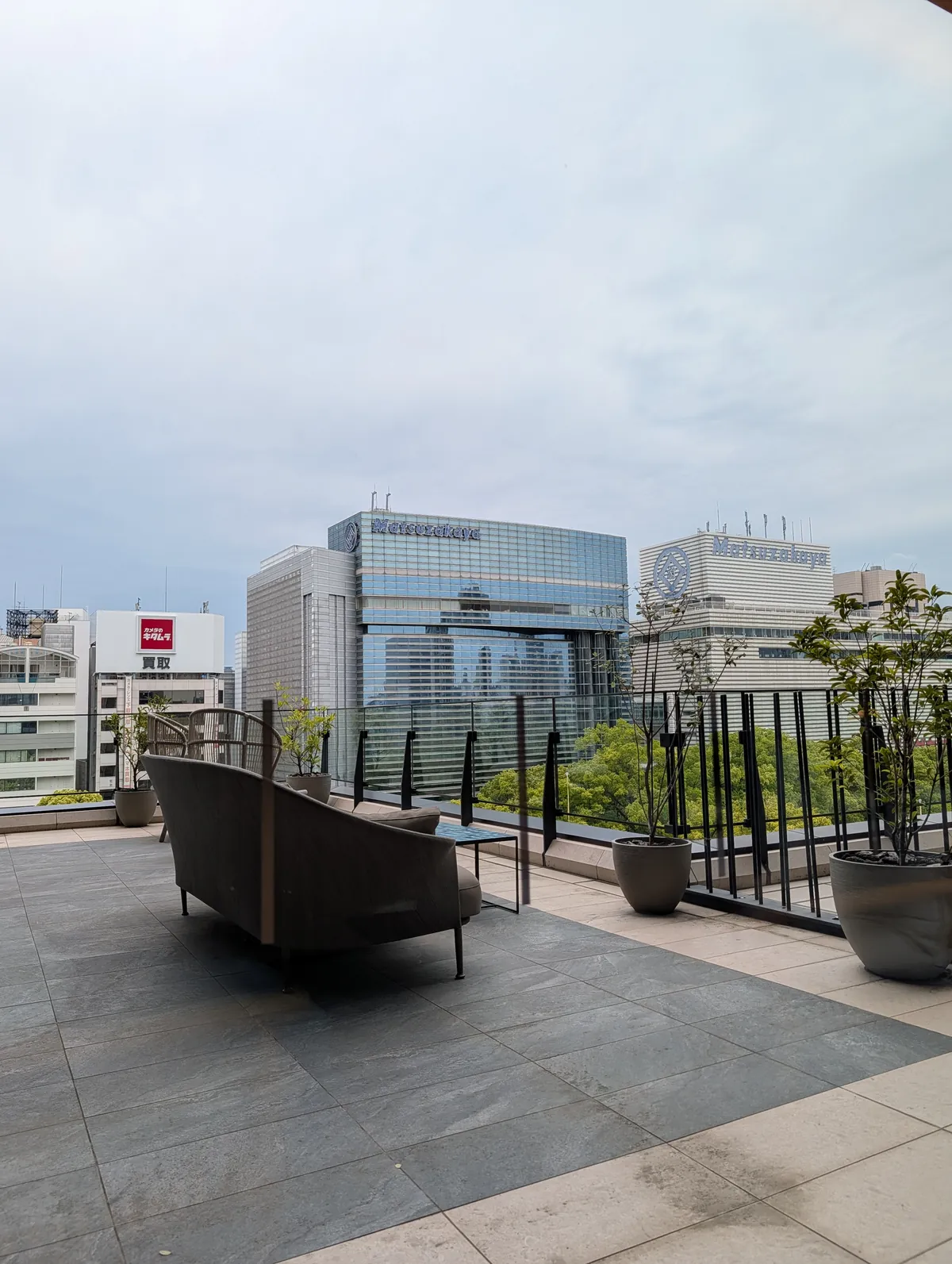
TIAD, Autograph Collection (luxury, station-area)
This is where I held my own wedding, and I’ve stayed two nights as a guest as well. Even setting aside the personal connection, it’s the most polished hotel that opened in Nagoya in the last few years. The lobby has a signature scent the moment you walk in, the spa is so popular the locals book months ahead, and dinner-only visitors come from out of town. Walking distance from Sakae’s main shopping street, about 12 minutes by taxi from Nagoya Station.
Nagoya Marriott Associa (the safe choice, station-attached)
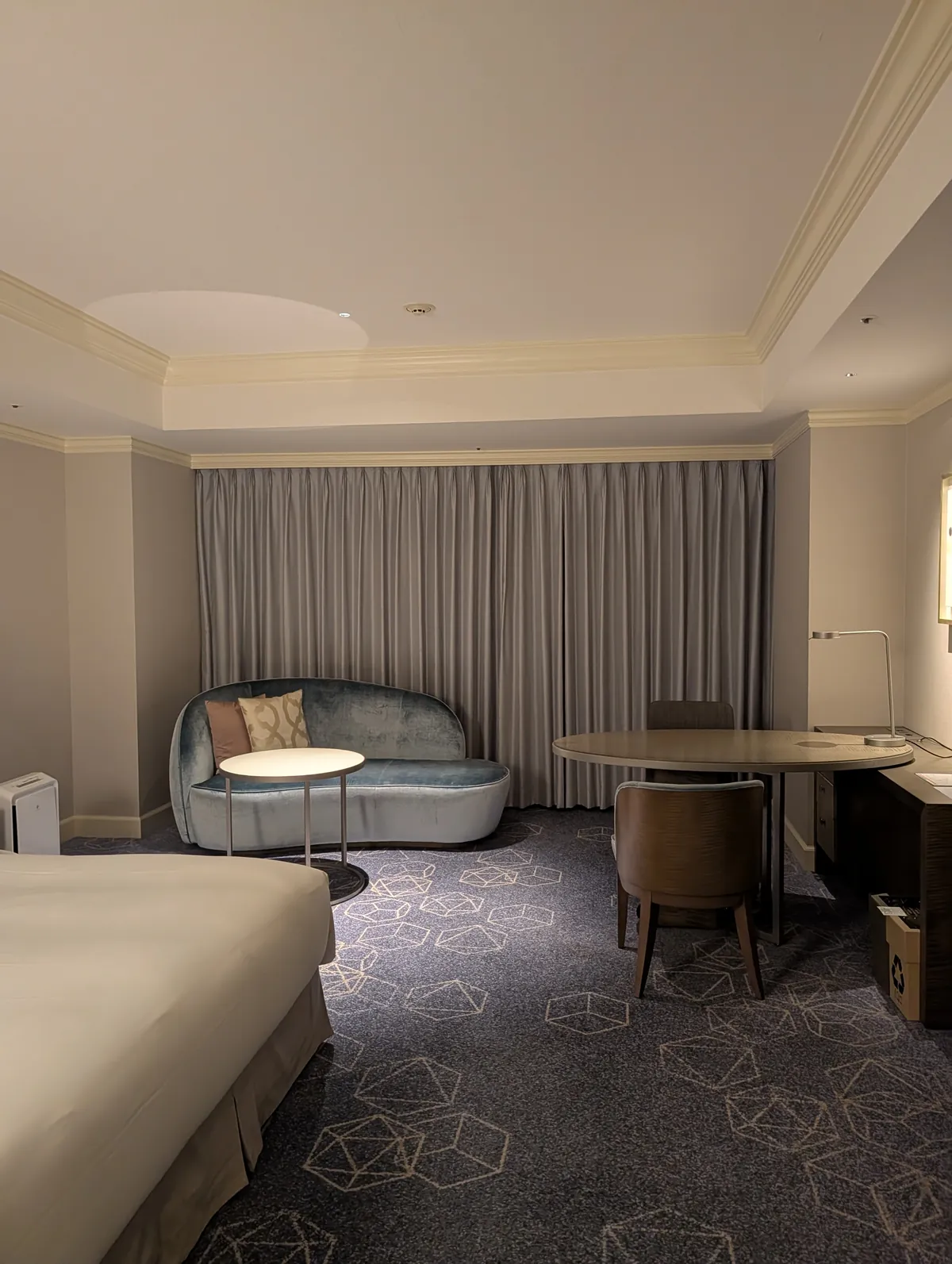
Directly attached to the Sakura-dori-gate side of Nagoya Station — you’re in the lobby in three minutes from the Shinkansen platform. I’ve recommended this to dozens of out-of-town visitors and not one has come back disappointed. The 52nd-floor bar Zenith has the city’s best night view; even Nagoya taxi drivers know it without asking. If you want zero friction after a Shinkansen ride, this is it.
Richmond Hotel Nagoya Nayabashi (mid-range, well-located)
Solid mid-range business hotel a short walk from Fushimi station, between Nagoya Station and Sakae. Clean rooms, English-friendly front desk, prices generally ¥10,000–14,000 for a double. A good pick if you want to be central without paying Marriott rates.
For more options including budget chains and Sakae-area picks, see our full Nagoya hotel guide.
Related reading: hotels near Nagoya Station. We also cover 3-day Nagoya itinerary. If that is the plan, see Nagoya meshi.
FAQ
Q1. How long does it take to travel from Tokyo to Nagoya?
About 100 minutes by Nozomi Shinkansen, 101–118 minutes by Hikari Shinkansen, 5h 30m–7h by highway bus, and 3h 30m–4h door-to-door by plane. The Nozomi is fastest in real-world door-to-door time as well.
Q2. How much does a Tokyo to Nagoya Shinkansen ticket cost?
¥11,300 for a Nozomi reserved seat (April 2026), ¥10,560 for non-reserved (where available), or ¥11,090 for Hikari reserved. JR Pass holders ride Hikari for free.
Q3. Can I use my Japan Rail Pass on the Nozomi to Nagoya?
Yes, but with a supplement. As of October 2023, JR Pass holders can pay ¥4,180 extra (Tokyo–Nagoya) to ride Nozomi reserved. Without the supplement, take the Hikari, which is fully covered and only a few minutes slower on the faster departures.
Q4. What’s the cheapest way to get from Tokyo to Nagoya?
Highway bus, often ¥2,000–5,000 off-peak. Overnight buses can save you a hotel night on top. Willer Express, JR Bus Kanto, and Meitetsu Bus are the main operators.
Q5. Is there an airport in Nagoya?
Yes — Chubu Centrair International Airport (NGO), on a man-made island in Ise Bay. From Centrair, the Meitetsu μ-Sky train reaches Nagoya Station in 28 minutes for ¥1,430 (¥980 fare plus the ¥450 reserved-seat μ-ticket).
Q6. Is it worth flying from Tokyo to Nagoya?
Almost never. Door-to-door, the Shinkansen is faster (2h 40m vs 3h 30m+) and usually cheaper than a same-day flight. Fly only if you’re connecting from an international flight at HND or NRT and want to skip Tokyo entirely.
Q7. Where do I catch the Tokyo to Nagoya Shinkansen in Tokyo?
The Tokaido Shinkansen uses the south end of Tokyo Station (Yaesu side) and Shinagawa Station. Both work; Shinagawa is often less crowded.
Q8. Where does the Shinkansen arrive in Nagoya?
Nagoya Station (名古屋駅), the main central station. From the Shinkansen platforms, follow signs to “Sakura-dori Exit” or “Taiko-dori Exit” depending on your hotel. The Marriott Associa is directly above the station.
Q9. Can I book a Tokyo–Nagoya ticket from outside Japan?
Yes — use SmartEX (smart-ex.jp/en), JR Central’s official English booking site. Klook also resells tickets. Tickets are picked up with your booking’s pickup code at JR Central, JR West and JR Kyushu stations, plus some JR East machines such as Tokyo and Yokohama.
Q10. Is the Suica/PASMO card from Tokyo usable in Nagoya?
Yes. Suica and PASMO work on Nagoya’s subway, city buses, and JR lines via interoperability with the local Manaca card. You don’t need a separate IC card.
About the Author
I’m Yuu, born and raised in Nagoya’s Nakagawa Ward, now in my 35th year as a local. Out of university I joined a Tokyo-headquartered company in Shibuya, then was assigned to the Nagoya branch in Sakae as a sales associate covering every corner of the city. That meant the Tokyo–Nagoya corridor wasn’t a tourist novelty for me — it was a commute. Nozomi for next-day client meetings, Hikari for weekends when I had a pass, the occasional overnight bus in my early twenties when ¥7,000 mattered.
Today I run my own business in Nagoya and write japanesefestival.net to give Nagoya — a city overshadowed by Tokyo and Osaka but easier to actually enjoy than either — the English-language coverage it deserves.
Related Guides
- JR Pass Guide for Central Japan
- Japan Travel Essentials: Central Japan Edition
- Getting Around Nagoya: Subway, Bus & IC Card Guide
- Nagoya Trip Cost & Budget Guide
- Things to Do in Nagoya: 2026 Local’s Guide