TL;DR: Three things you should pre-book on Klook before flying into Nagoya in 2026 — Ghibli Park tickets (officially capacity-limited; same-day walk-up is impossible), Takayama–Shirakawa-go bus tours (winter weekends sell out a month ahead), and LEGOLAND fast passes (queue jump that pays for itself on busy days). Everything else here is a “nice to lock in” rather than a “must,” but pre-booking in English from home beats juggling Japanese counters with a suitcase.
Last updated: June 2026 | Author: Yuu (Nagoya-born, 35 years local)
This article contains affiliate links. See our affiliate disclosure for details. I only recommend tours and tickets I’ve either used myself or that local friends have used and reported back on.
Table of Contents
- Why pre-booking via Klook makes sense for Nagoya
- Category 1: Cultural day tours from Nagoya
- Category 2: Theme park & attraction tickets
- Category 3: Food & cultural experiences
- Category 4: Transit & passes
- Category 5: Outdoor & nature
- How to book on Klook (step-by-step)
- Klook vs Viator vs GetYourGuide vs JTB
- Where to stay between tours
- FAQ
- About the author
- Related guides
Why pre-booking via Klook makes sense for Nagoya travelers
I’ve put visiting friends from Singapore, the UK and Australia on three different bus tours, two Ghibli Park trips, a sushi class in Sakae, and more LEGOLAND days than I’d like to admit. Every time the question is the same: do I really need to book this in advance, or can I just show up?
In Nagoya the honest answer in 2026 is: for the headliners, yes, you have to.
Three reasons it’s worth pre-booking through Klook specifically:
- English checkout in your home currency. Klook displays prices in USD, SGD, AUD, GBP, EUR, HKD, TWD and more. JTB and most direct Japanese sites still expect Japanese billing addresses or charge a foreign-card surcharge. Klook takes any major card without complaint.
- Capacity-limited attractions. Ghibli Park uses date- and time-stamped tickets only — there’s no walk-up gate. LEGOLAND Japan and the Port of Nagoya Public Aquarium still accept day-of, but Klook’s e-tickets are usually a few hundred yen cheaper than the counter and skip the ticket queue entirely.
- English-speaking pickup logistics. Bus tours to Takayama–Shirakawa-go and Ise leave from specific corners of Nagoya Station that are not obvious if you don’t read kanji. Klook listings include English meeting-point photos and operator phone numbers — the kind of friction that ruins your morning if you’re solving it on the day.
The case against Klook is also fair: gate prices for solo attractions like Atsuta Shrine (free anyway), Tokugawa Garden, or the Toyota Commemorative Museum are not on the platform and don’t need to be — you just walk in. So treat this guide as a “what to lock in before the flight” list, not a “everything must be Klook” mandate.
If that is the plan, see things to do in Nagoya.
Category 1: Cultural day tours from Nagoya
These are the three day trips I push hardest on first-time visitors. All three are doable on your own by train (and we have full guides for each), but the bus tour route saves you a lot of route-planning if you only have one day.
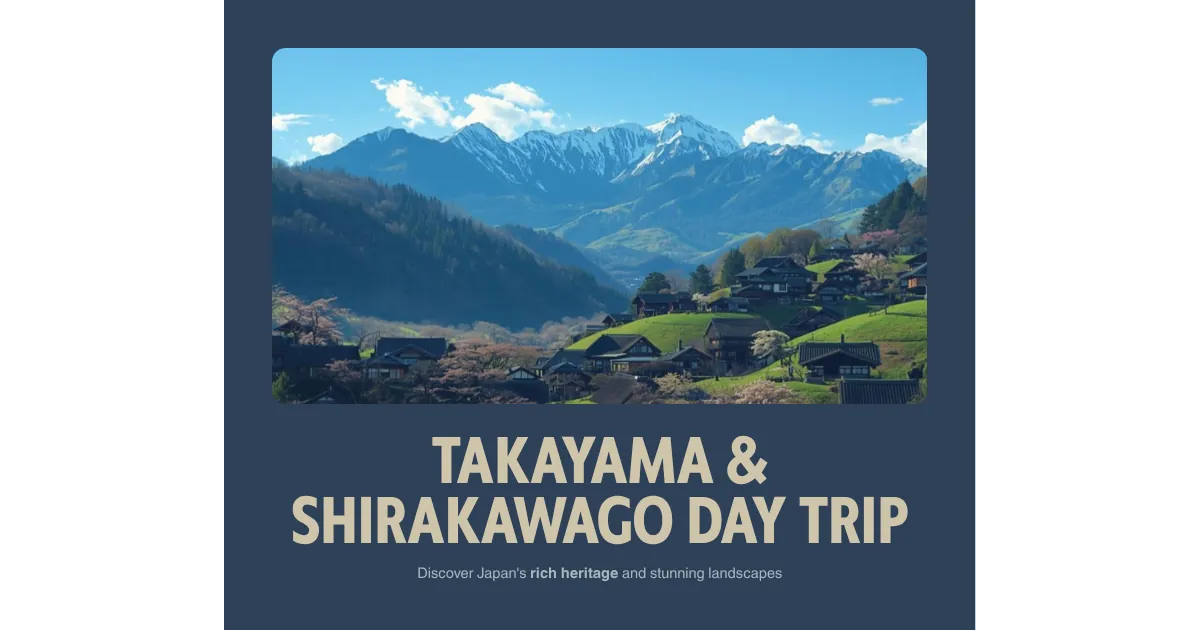
1. Takayama & Shirakawa-go bus tour (the king of central Japan day trips)
Shirakawa-go is a UNESCO World Heritage village of gassho-zukuri thatched farmhouses, tucked in a valley in Gifu prefecture. Takayama is the Edo-period old town nearby — preserved sake breweries, morning markets, and Hida beef on every corner.
The reason a bus tour beats DIY for most people: DIY means either the direct Gifu Bus highway coach from the Meitetsu Bus Center to Shirakawa-go (about 2h45m, reservation-only) — which skips Takayama entirely — or a highway bus / JR Hida limited express to Takayama plus a second Nohi Bus to Shirakawa-go, then back. Doable, but you are managing three separate reservations. Doable but tight. A Klook one-day tour from Nagoya does the same loop with one English-speaking driver and zero connections.
What’s typically included:
- Round-trip bus from Nagoya Station (departure ~07:30, return ~20:00)
- Free time in Shirakawa-go (~2h) and Takayama (~3h)
- English-speaking guide or audio
- Lunch sometimes included, sometimes optional add-on
Price range: ¥12,000–18,000 per adult depending on lunch and season. Compare to roughly ¥10,000–11,100 in DIY transport per our day-trip cost guide — you pay a small premium for zero stress.
When to book: 3–4 weeks ahead for Saturdays year-round. 6+ weeks ahead for January–February weekends when Shirakawa-go’s snow-light-up draws crowds from across Asia.
For a deep dive on doing this trip independently, see our Takayama and Shirakawa-go day trip guide.
2. Kanazawa day tour
Kanazawa is a small, walkable castle town with three major draws: Kenrokuen (one of Japan’s “three great gardens”), the gold-leaf craft district, and a samurai quarter that survived WWII bombing.
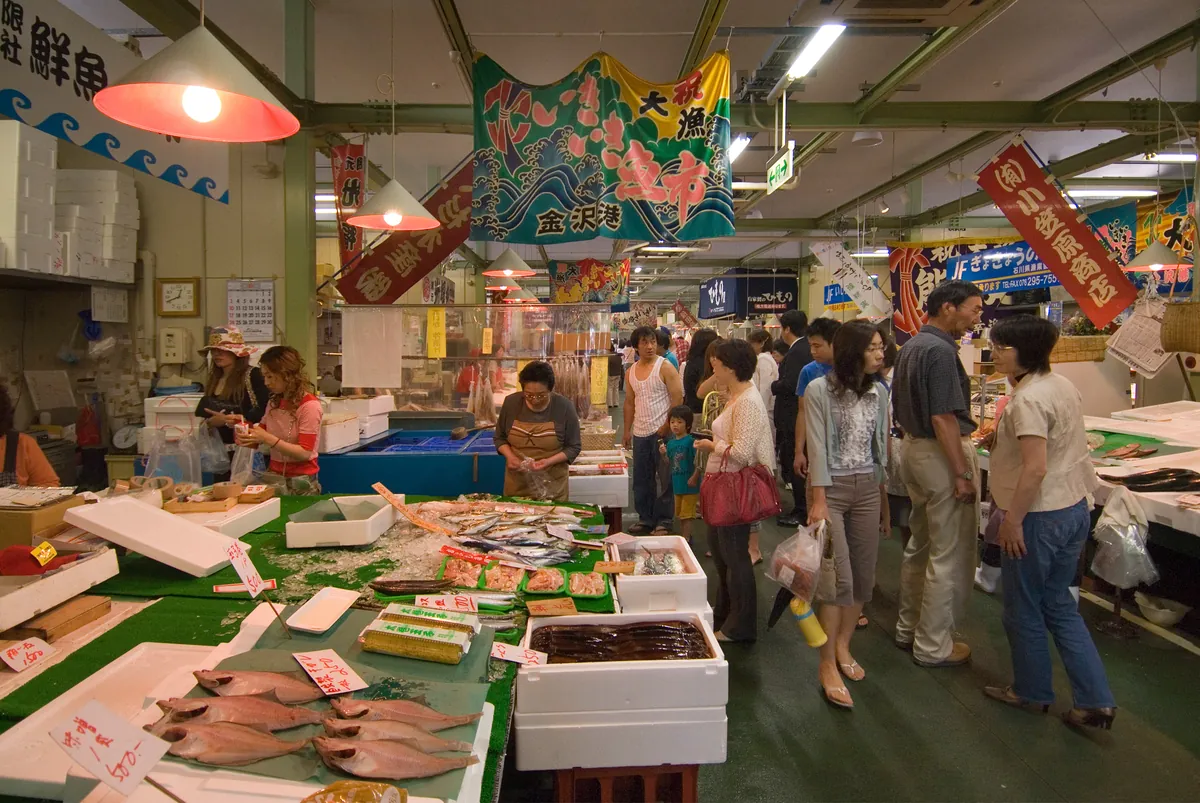
The honest take: Kanazawa is the day trip I most often tell people to do solo by train, because the JR Shirasagi limited express from Nagoya plus a change to the Hokuriku Shinkansen at Tsuruga gets you there in about 2 hours 50 minutes and the city center is tiny. But for travelers who want a guide who can explain the gold-leaf history and the samurai house etiquette, a Klook day tour is a reasonable shortcut.
Price range: ¥15,000–22,000 per adult. Significantly more than DIY (about ¥18,160 round-trip in train fares), so only pick this if you specifically want a guide.
Full DIY breakdown: our Kanazawa day trip from Nagoya guide covers train tickets, Kenrokuen entry, and the best lunch spots in the Omicho Market.
3. Ise Grand Shrine & Mie pearl tour
Ise Jingu is arguably the most spiritually important shrine in Japan — the home of Amaterasu, the sun goddess, and the symbolic ancestral shrine of the imperial family. It sits in southern Mie prefecture, around 90 minutes from Nagoya by Kintetsu limited express.
A Klook day tour usually pairs Ise’s Inner Shrine (Naiku) with a visit to a Mikimoto Pearl Island-style stop in Toba — the region invented cultured pearls in 1893, and the ama (women free-divers) demonstrations are a genuinely unique cultural experience.
Price range: ¥14,000–20,000 per adult including lunch and pearl-island entry.
Full self-guided itinerary: Ise Shrine day trip from Nagoya.
For the detail, see Inuyama Castle and Meiji-mura.
Category 2: Theme park & attraction tickets
This is where Klook genuinely earns its place — capacity-limited or queue-prone attractions where the e-ticket saves you both time and money.
4. Ghibli Park (the one you absolutely cannot wing)
Ghibli Park opened in 2022 inside Aichi Expo Memorial Park (Moricoro Park), about 50–60 minutes from Nagoya Station — Higashiyama subway line to Fujigaoka, then the Linimo maglev. It is the only fully Studio Ghibli–operated theme park in the world.
Critical fact: Ghibli Park does not sell tickets at the gate. Every ticket is date- and time-stamped, sold strictly in advance on a first-come, first-served basis: tickets for a given month go on sale at 14:00 Japan time on the 10th of the month two months earlier, through Lawson’s Boo-Woo Ticket in Japan and authorized international partners including Klook. If you don’t pre-book, you will not get in.
There are five park areas (Hill of Youth, Dondoko Forest, Mononoke Village, Valley of Witches, Grand Warehouse). Klook usually sells either single-area tickets or O-Sanpo Day Pass tickets (Standard covers three areas, Premium all five), often bundled with the Linimo round-trip ticket from Fujigaoka.
Price range: ¥1,000–7,800 per adult depending on ticket type and weekday/weekend, plus transport — single-area tickets start at ¥1,000 (Hill of Youth, Dondoko Forest), the O-Sanpo Day Pass Standard (three areas) is ¥3,300–3,800, and the O-Sanpo Day Pass Premium (all five areas) is ¥7,300–7,800. Klook bundles add roughly ¥1,000–2,000 for the Linimo and convenience.
When to book: As soon as you have flight dates. Weekend tickets vanish within hours of release for popular months. Weekday morning low-season slots can sometimes be picked up 1–2 weeks out via Klook’s late inventory.
Detailed planning, area breakdown and a walk-through of the ticket release in our Ghibli Park ticket guide.
5. LEGOLAND Japan tickets
LEGOLAND Japan is on Nagoya Port’s man-made island, around 25 minutes from Nagoya Station via the Aonami Line. Unlike Tokyo Disney, the gate price is the gate price — no surge pricing, but the regular adult ticket is ¥4,900–7,800 depending on date.
Klook usually sells the same ticket for ¥300–800 less, plus often packages with the adjacent SEA LIFE Nagoya aquarium and the LEGOLAND Hotel. The real value, though, is the fast-pass-style Skip Pass 3-Pack when offered — on summer Saturdays, that turns a 90-minute Submarine Adventure queue into a 15-minute one.
Price range: ¥4,000–9,800 per adult depending on combo.
For ride-by-ride strategy and the case for adding SEA LIFE, see our LEGOLAND Japan guide.
6. Port of Nagoya Public Aquarium
The Port of Nagoya Public Aquarium is, in my honest opinion, the best aquarium in central Japan and competitive with Osaka Kaiyukan. Two main buildings, the largest outdoor pool in any Japanese aquarium, killer whale and dolphin shows, and an emperor-penguin colony.
Gate price: ¥2,030 adult, ¥1,010 elementary school. Klook is usually a few hundred yen below gate plus saves the ticket window queue (which can hit 30 minutes on rainy weekends).
Full guide with show schedules: Port of Nagoya Public Aquarium.
See our complete Ghibli Park guide. We cover how to reach the park in a separate guide.
Category 3: Food & cultural experiences
These are the experiences that turn a “nice trip” into a “tell my friends about it” trip. All four are hands-on, English-friendly, and bookable as 90-minute–3-hour slots.
7. Sushi making class
Several small studios in Nagoya — most clustered around Sakae and Osu — run English sushi classes for travelers. Typical structure: a 2-hour session where you make 6–8 nigiri and a maki roll under a chef’s guidance, then eat what you made with miso soup and tea.
Why pre-book: these are all small operators (4–10 students per class). Walk-up is impossible; even direct booking via their Japanese sites is a hassle. Klook is the easiest English channel.
Price range: ¥6,000–10,000 per person.
8. Sake tasting
Aichi prefecture has a respectable sake scene — not as famous as Niigata or Hyogo, but with several breweries inside city limits and plenty more in the Chita Peninsula. Klook tastings usually cover 5–7 sake varieties with English explanation of junmai, ginjo and daiginjo grades, served alongside small Japanese snacks.
Price range: ¥4,000–8,000 per person, 60–90 minutes.
For the cultural background, see our morning culture guide which covers traditional Nagoya hospitality including sake.
9. Tea ceremony
Tea ceremony (chanoyu or sado) classes near Nagoya Castle and in the Tokugawa Garden area run 45–90 minutes, with a kimono-clad host walking you through the etiquette of the koicha (thick) and usucha (thin) tea preparations.
The best classes are the small private ones — 2 to 6 guests rather than 20-person tour groups. Klook listings usually note the maximum class size.
Price range: ¥3,500–6,500 per person.
10. Kimono rental
Kimono rental is one of those things that Kyoto has perfected and Nagoya does at half the price with a quarter of the queue. A typical Klook kimono package includes the kimono, obi, zori sandals, hairstyling, and a small handbag — for about 8 hours of wear.
The most popular pickup spots are around Osu Kannon (great photo backdrops) and Atsuta Shrine (more traditional setting).
Price range: ¥3,000–7,000 per person depending on grade.
For the best photo routes once you’re in kimono, see our Osu Shopping Street guide and Atsuta Jingu guide.
See Nagoya meshi you can eat without a tour.
Category 4: Transit & passes
If you’re spending more than 24 hours in Nagoya, one of these will save you money.
11. Nagoya Subway 1-day pass (Donichi Eco Kippu / 1-Day Pass)
The Nagoya City Transportation Bureau sells two key passes:
- Subway All-Lines 24-Hour Ticket: ¥760 adult — valid 24 hours from first use (not a calendar day), and pays for itself after 4 rides
- Donichi Eco Kippu (Saturdays, Sundays, public holidays and the 8th of every month): ¥620 adult — covers city buses as well as the whole subway network
Klook resells the standard 1-day pass with English-friendly QR delivery, useful if you’d rather not navigate the Japanese-only counter at Nagoya Station’s subway entrance on day one.
For the full transit primer including IC cards, see our getting around Nagoya guide.
12. Japan Rail Pass via Klook
The nationwide Japan Rail Pass went up to ¥50,000 (7-day adult) in October 2023, and rises again to ¥53,000 for passes bought from 1 October 2026. After that price jump, the math has changed: for a Tokyo-Nagoya-Kyoto-Osaka loop, JR Pass is now barely break-even and often a loss.
Where it still wins: if you’re doing Tokyo → Nagoya → Takayama → Kanazawa → Kyoto → Tokyo, the regional Takayama-Hokuriku Area Tourist Pass at ¥19,800 / 5 days is much better value than the full nationwide JR Pass.
Klook sells both. You choose how to receive the Exchange Order at checkout — pick-up at an airport counter, postal delivery, or an electronic Exchange Order (eMCO) where offered — and you then exchange that document for the actual pass in Japan.
For a no-nonsense breakdown of which pass actually saves you money on a Nagoya-based trip, see our JR Pass guide for central Japan.
13. Chubu Centrair International Airport transfers
Chubu Centrair (NGO) is on a man-made island in Ise Bay, 28 minutes from Nagoya Station via the Meitetsu μ-SKY at ¥1,430 (¥980 base fare + ¥450 μ-ticket).
Klook resells:
- Standard Meitetsu μ-Sky ticket (same as ticket counter, just digital QR)
- Private taxi transfers — ¥18,000–25,000 depending on car class
- Shared shuttle — ¥3,500–4,500 per person
Honest take: the μ-Sky is fast, frequent, and unbeatable on cost. Pre-booking only saves you the ticket-machine queue. Pick a private transfer if you have 4+ people with luggage and the train math gets close.
Category 5: Outdoor & nature
Nagoya is not the obvious base for outdoor tours — Mt. Fuji is closer to Tokyo, and the Japan Alps are closer to Matsumoto. But two niches make sense from here.
14. Mt. Fuji day tours from central Japan
Klook lists a small number of long-distance day tours that pick up around Nagoya or Shizuoka and reach the Mt. Fuji Fifth Station (during summer climbing season, July–early September) or the Lake Kawaguchiko viewpoints year-round.
Honestly: this is a stretch from Nagoya. Tokyo or Hakone is a much better base for Fuji. Pick a Klook Fuji tour from Nagoya only if you’ve already done everything else on this list, or if your trip happens to overlap a tour departure date.
Price range: ¥18,000–28,000 per adult — a long day with 8+ hours on the bus.
15. Hiking & mountain tours
The Kiso Valley and the Magome–Tsumago old post road straddling the Gifu–Nagano border (Magome is in Nakatsugawa, Gifu; Tsumago in Nagiso, Nagano) is an easy half-day from Nagoya by train. Klook occasionally lists guided hiking tours covering this ~8 km stone-paved Edo-period highway through villages preserved in their 1700s state.
Price range: ¥10,000–16,000 per person including transport from Nagoya Station and English guide.
Worth a look: Gero Onsen.
How to book on Klook (step-by-step)
For first-time Klook users, the flow is straightforward but worth walking through so you don’t panic at checkout.
- Create an account. Sign up with email, Google, or Apple ID at klook.com. Set your currency to your home currency at the top right (USD, SGD, AUD, etc.) — this locks in the displayed price.
- Search for the activity. Use the city filter “Nagoya” or search by keyword (e.g., “Ghibli Park,” “Takayama Shirakawago”). Read the listing’s inclusions and cancellation policy carefully.
- Pick a date and tier. Most tours offer multiple price tiers (e.g., with/without lunch, weekday/weekend). Ghibli Park requires a specific area choice — re-read our Ghibli Park guide before picking.
- Add to cart and check out. Pay with credit card, debit card, PayPal, Alipay, or (for some markets) Apple Pay. Klook accepts most international cards without surcharge.
- Receive your voucher. Within minutes for instant-confirmation activities; up to 24 hours for tours that need operator confirmation. The voucher arrives by email and inside the Klook app.
- On the day: open the app, show the QR code at the meeting point or gate. Most Nagoya activities don’t need printing; the app QR is enough.
Pro tip: install the Klook app before you fly. It works offline once vouchers are downloaded — useful when you’re at Centrair without WiFi.
Klook vs Viator vs GetYourGuide vs JTB
Klook is the dominant platform for English-language Japan tours from Asia-Pacific markets, but it’s not the only option. Here’s how the four main competitors compare for Nagoya specifically:
| Platform | Best for | Nagoya inventory | Currencies | Cancellation |
|---|---|---|---|---|
| Klook | Theme park tickets, day tours, transit passes | Largest — 200+ Nagoya activities | USD, SGD, HKD, AUD, GBP, JPY etc. | Free up to 24–72h for most tours; non-refundable for theme park tickets |
| Viator (TripAdvisor) | Private guides, premium tours | Medium — fewer day tours, more private experiences | USD, EUR, GBP etc. | Free up to 24h for most |
| GetYourGuide | European travelers, walking tours | Smaller — focused on Tokyo/Kyoto | EUR, USD, GBP | Free up to 24h |
| JTB | Older Japanese-style group tours | Comprehensive but Japanese-language interface | JPY mainly, USD limited | Strict — often non-refundable |
| Direct (operator site) | Specific operators (Nohi Bus, JR Central) | Operator-by-operator | JPY mostly | Varies by operator |
My take: for 9 out of 10 Nagoya travelers, Klook covers everything you need with the best English UX. Viator is a fair second pick if you specifically want a private English-speaking guide. JTB is the best option only if you specifically want a Japanese-style escorted bus tour and have help reading the site. Direct booking on operator sites makes sense for the JR Pass (via SmartEX) and possibly the Meitetsu μ-Sky.
Sources: Klook, Viator, GetYourGuide, JTB Sunrise Tours, SmartEX (JR Central). Pricing and availability checked April 2026.
Where to stay between tours
Most Klook day tours and city activities meet at Nagoya Station or in Sakae. Pick a hotel within a 5-minute walk of either, and you’ve solved your morning logistics.
Nagoya Marriott Associa (the safe choice, station-attached)
Directly attached to the Sakura-dori-gate side of Nagoya Station — you’re in the lobby in three minutes from the Shinkansen platform, and most Klook bus tours pick up within 200 m of the hotel exit. I’ve recommended this to dozens of out-of-town visitors and not one has come back disappointed. The 52nd-floor bar Zenith has the city’s best night view; even Nagoya taxi drivers know it without asking. If you want zero friction between tour mornings, this is the pick.
TIAD, Autograph Collection (luxury, Sakae-area)
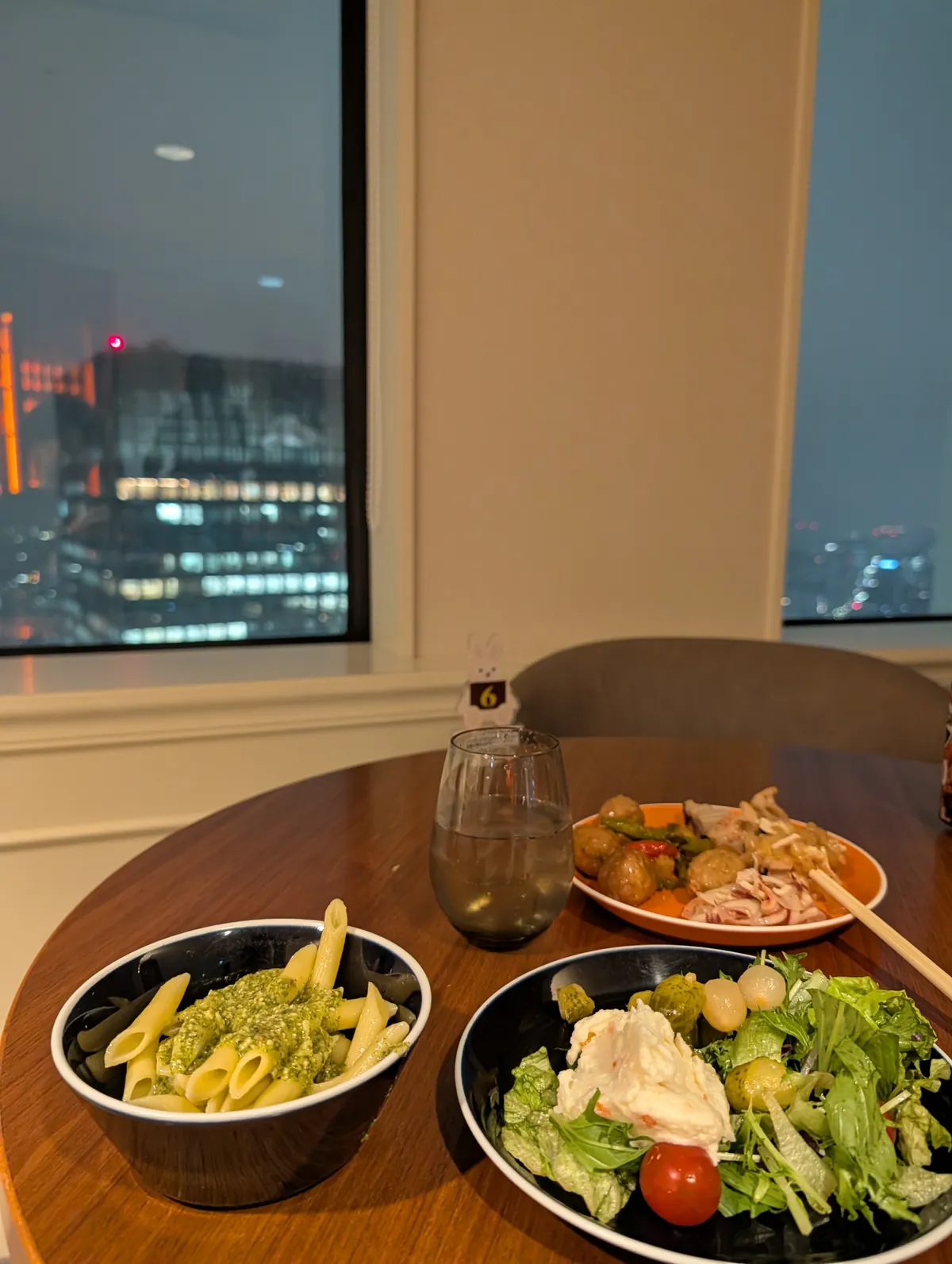
This is where I held my own wedding, and I’ve stayed two nights as a guest as well. Even setting aside the personal connection, it’s the most polished hotel that opened in Nagoya in the last few years. The lobby has a signature scent the moment you walk in, the spa is so popular the locals book months ahead, and dinner-only visitors come from out of town. Walking distance from Sakae’s main shopping street, where most Klook food and culture experiences (sushi class, sake tasting) are based.
Richmond Hotel Nagoya Nayabashi (mid-range, well-located)
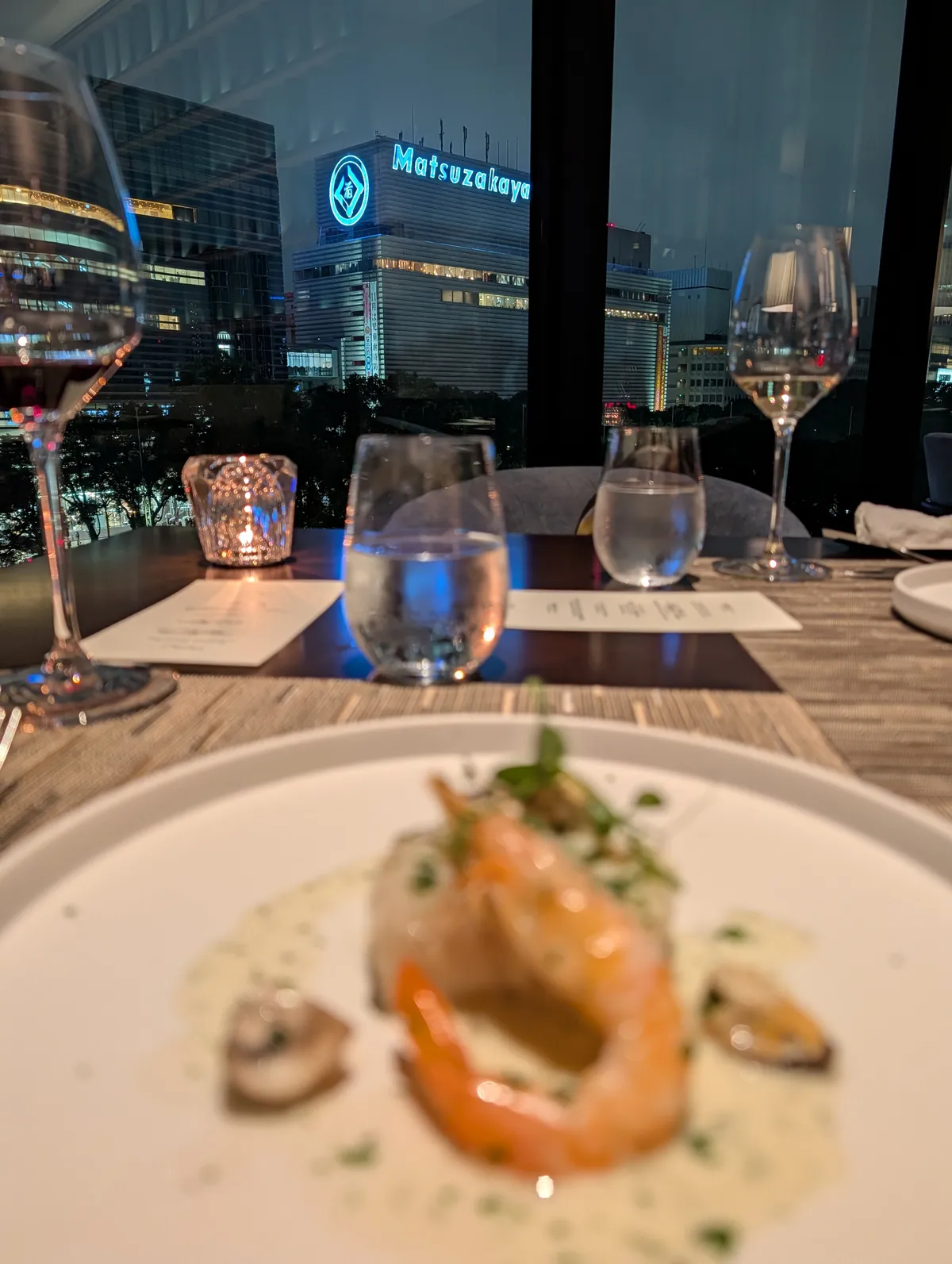
Solid mid-range business hotel a short walk from Fushimi station, between Nagoya Station and Sakae. Clean rooms, English-friendly front desk, prices generally ¥10,000–14,000 for a double. A good pick if you want to be central for both tour pickups and evening Klook experiences without paying Marriott rates.
For more options — including budget chains, Sakae-area boutique picks, and ryokan day-trip stays — see our full Nagoya hotel guide.
Related reading: hotels near Nagoya Station.
FAQ
Q1. Is Klook worth using for Nagoya tours?
Yes, for international visitors. Klook lets you pay in your home currency, gives you English-language vouchers, and locks in seats for tours that often sell out at the counter — Ghibli Park tickets, Takayama-Shirakawago bus tours, sushi classes, and LEGOLAND fast passes are the most common pre-book wins.
Q2. Can I buy Ghibli Park tickets on Klook?
Yes. Klook is one of Ghibli Park’s official ticketing channels, alongside Lawson’s Boo-Woo Ticket. There is no general lottery for ordinary tickets — they go on sale first-come, first-served at 14:00 Japan time on the 10th of the month two months before your visit, and Klook also bundles them with transport from Nagoya Station. This is often the only way for short-stay visitors to secure same-week entry.
Q3. Are Klook prices cheaper than buying at the counter?
Sometimes the same, sometimes 5–15% cheaper, occasionally 5% higher than the gate price. The real value is availability and English support, not raw discount. For LEGOLAND and aquarium tickets, Klook is usually a few hundred yen cheaper than walk-up.
Q4. Do I need to print Klook vouchers?
No. Most Nagoya-area Klook activities accept the QR code displayed on your phone via the Klook app. A few rural tours (some Takayama-Shirakawago bus pickups) prefer a printed voucher — check the listing.
Q5. What’s the best Klook day tour from Nagoya?
For first-time visitors, the one-day Takayama and Shirakawago bus tour from Nagoya is the highest-value pick — UNESCO village, Edo-period old town, and Hida beef in one day with no train transfers to puzzle out.
Q6. Can I cancel a Klook booking?
Most Nagoya activities have free cancellation up to 24–72 hours before, but theme park tickets (Ghibli Park, LEGOLAND) are typically non-refundable once issued. Always check the cancellation policy on the listing before paying.
Q7. Does Klook sell JR Pass for the Nagoya region?
Yes. Klook sells the nationwide Japan Rail Pass plus regional passes including the Takayama-Hokuriku Area Pass, which is the most useful one for Nagoya-based travelers planning Takayama and Kanazawa.
Q8. How early should I book Ghibli Park on Klook?
At least 4–6 weeks before your trip. Weekend slots and the Mononoke Village area sell out fastest. Weekday morning slots in low season can sometimes be picked up 1–2 weeks out.
Q9. Is Klook safe to use for Japan tours?
Yes. Klook is a Hong Kong-headquartered travel platform (founded 2014, and now filed for a New York Stock Exchange listing) that has worked with major Japanese operators (JR Central, Meitetsu, LEGOLAND Japan, Ghibli Park’s official partners) since 2018. Pay with a credit card and you’re covered by your card’s standard fraud protection.
Q10. Are there hidden fees on Klook?
No service fee on the listing price, but your bank may add a small foreign-exchange fee depending on your card. Klook displays prices in your selected currency before checkout — what you see is what you pay.
About the author
I’m Yuu, born and raised in Nagoya for the past 35 years. I worked at a Tokyo-headquartered company that posted me to its Nagoya branch in Sakae, which means I’ve spent more weekends than I can count escorting visiting friends and colleagues from Singapore, the UK, Australia, and Hong Kong through the same tours and tickets listed above.
I’m not a Klook employee or affiliated with the platform beyond being a regular user. The recommendations on this page are the same ones I give friends in person — pre-book the capacity-limited stuff (Ghibli Park, Takayama winter weekends, LEGOLAND Saturdays in summer), and don’t bother pre-booking anything you can buy at the counter without a queue.
Read more about my background and how this site is run on our About page.
Related guides
- Best day trips from Nagoya — the full ranked list, including options Klook doesn’t sell
- Takayama & Shirakawa-go day trip guide — DIY breakdown
- Kanazawa day trip from Nagoya — DIY route, Kenrokuen, gold-leaf district
- Ise Shrine day trip from Nagoya — Naiku, Geku, Okage Yokocho
- Ghibli Park ticket guide — ticket-release walk-through and area breakdown
- LEGOLAND Japan guide — ride strategy and family planning
- Port of Nagoya Public Aquarium — show schedules and access
- Where to stay in Nagoya — full hotel ranking, station vs Sakae
Affiliate disclosure: This article includes affiliate links to Klook, Booking.com and other partners. If you book via these links we earn a small commission at no extra cost to you. We only recommend tours and tickets we’d send our own friends and family to. See our full affiliate disclosure for details.
Ready to book a day trip?
Browse Nagoya tours on Klook →Reserve your spot before the popular dates fill.