Two days in Nagoya is the sweet spot for a Friday-night-arrival weekend trip. This itinerary covers Nagoya Castle, Atsuta Shrine, the Osu Shopping District, Sakae nightlife, and the city’s signature dish (hitsumabushi) — plus an optional half-day Ghibli Park or Inuyama variation, written by a 35-year Nagoya native.
TL;DR — The 48-Hour Plan:
- Day 1 (Saturday): Nagoya Castle and Hommaru Palace in the morning, Osu Shopping District for lunch, Sakae and Mirai Tower at sunset, hitsumabushi for dinner.
- Day 2 (Sunday): Atsuta Shrine at sunrise, Komeda morning set, Nagoya Port Aquarium (or a half-day Ghibli Park swap) in the afternoon, Nagoya Station souvenirs before your shinkansen home.
- Budget: 20,000-66,000 yen per person all-in (hotel, food, transport, attractions).
Last updated: August 2, 2026 | Written by Yuu, a Nagoya native of 35 years
This article may contain affiliate links. See our affiliate disclosure for details.
Table of Contents
- Why a 2-Day Nagoya Trip Works
- Day 1 Saturday Morning: Nagoya Castle and Osu
- Day 1 Afternoon: Hommaru Palace and Tokugawa Garden
- Day 1 Evening: Sakae, Mirai Tower, and Hitsumabushi
- Day 2 Sunday Morning: Atsuta Shrine and Morning Set
- Day 2 Afternoon: Aquarium or Ghibli Park
- Day 2 Evening: Souvenir Shopping at Nagoya Station
- Variation: 2 Days With a Day Trip (Inuyama or Takayama)
- Variation: 2 Days for Foodies — Six Dishes in 48 Hours
- Where to Stay for a 2-Day Trip
- What to Skip on a 2-Day Trip
- Frequently Asked Questions
Why a 2-Day Nagoya Trip Works
Two days in Nagoya is the sweet spot between a rushed one-day stopover and a full three-day stay. You get a Saturday morning castle visit, a proper hitsumabushi dinner, and a Sunday morning at Atsuta Shrine — without the pressure of fitting in Ghibli Park or a far-away day trip.
I grew up here — 35 years and counting — and I have planned this exact 48-hour route for friends visiting from Tokyo and Osaka countless times. The pacing is what makes it work. One day is too short for Nagoya: you can manage either the castle or the food, but not both, and you will leave feeling like you skimmed a city that deserves more. Three days is genuinely better, but it forces you to take a Friday off work, and many travelers cannot.
Two days, anchored to a Saturday-Sunday weekend with a Friday-night arrival, lets you cover:
- The headline sights: Nagoya Castle (Hommaru Palace), Atsuta Shrine, and one shopping district (Osu or Sakae).
- Two signature dishes: hitsumabushi for sure, plus one of miso katsu, miso nikomi udon, or tebasaki.
- One photogenic neighborhood walk: Mirai Tower and Oasis 21 at dusk, or the back lanes of Atsuta in the morning.
- Time to actually breathe: A long lunch on Saturday, a slow Sunday morning, and zero airport-style sprinting between attractions.
What two days does not cover: Ghibli Park (you can squeeze in a half-day visit, but you will lose something else), a full Takayama or Kanazawa day trip, the Toyota Commemorative Museum, and the deeper food scene (Taiwan ramen, ankake spaghetti, the izakaya alleys west of Nagoya Station). If those are non-negotiable, see our 3-day Nagoya itinerary instead.
According to the Nagoya Convention and Visitors Bureau, the average overnight visitor to Nagoya stays 1.5 nights, making 2-day weekend travel the most common visit length. The city’s compact subway network means most major sights are within 20 minutes of Nagoya Station.
According to Nagoya City Transportation Bureau, the Donichi Eco Kippu (Saturday/Sunday/Holiday subway and bus pass) costs 620 yen and is the best value for a 2-day weekend trip — significantly cheaper than the 760-yen Subway All-Line 24-Hour Ticket, and unlike that ticket it covers city buses too.
For a complete overview of the city, start with our things to do in Nagoya guide.
Day 1 Saturday Morning: Nagoya Castle and the Walk to Osu
8:30 AM — Hotel checkout or breakfast. If you arrived Friday night, eat at your hotel or grab a Komeda Coffee morning set (more on Komeda in Day 2). Aim to be on the subway by 9:00.
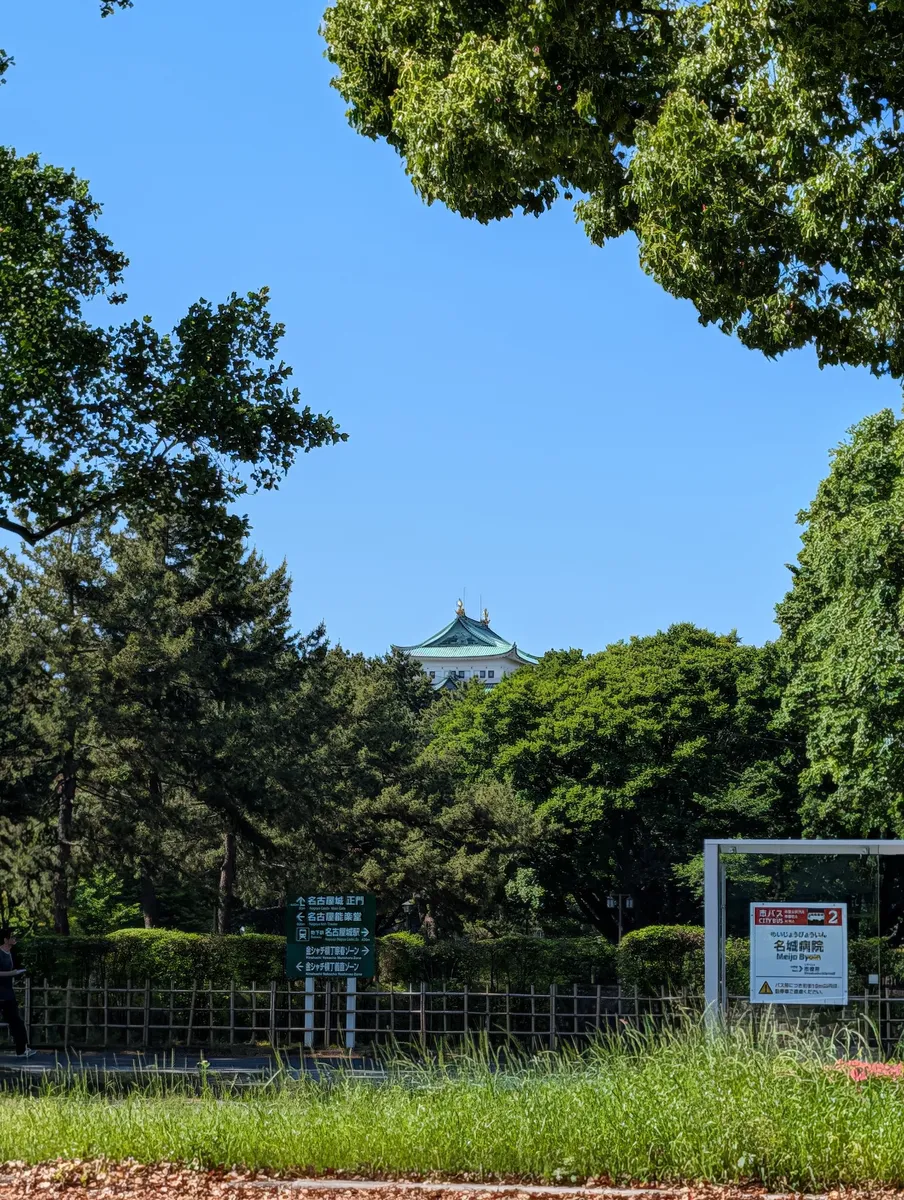
9:00 AM — Subway from Nagoya Station to Nagoya Castle Station (Higashiyama Line to Sakae, then transfer to the Meijo Line, about 10 minutes, 240 yen). Exit 7 puts you 5 minutes from the castle’s east gate. If you bought the Donichi Eco Kippu (620 yen) at the station, today and tomorrow’s subway rides are covered.
9:15 AM – 11:00 AM — Nagoya Castle and Hommaru Palace. The main tower (tenshu) is closed for a multi-year wooden reconstruction project. Do not let that dissuade you — the genuine star of the complex is the Hommaru Palace, a fully reconstructed Shoin-zukuri masterpiece completed in 2018. The painted sliding doors inside (tigers, leopards, pine landscapes in gold leaf) are some of the most stunning palace interiors in Japan, and you will share them with a fraction of the crowds Kyoto draws.
I have brought at least a dozen out-of-town friends here. Every single one has been quietly stunned by the Hommaru Palace — and every single one has thanked me for steering them past the closed main tower instead of giving up on the castle entirely.
Nagoya Castle Visitor Information (2026)
- Hours: 9:00 AM – 4:30 PM (last entry 4:00 PM)
- Admission: 500 yen (adults) until September 30, 2026; 1,000 yen from October 1, 2026
- Getting there: Meijo Line to Nagoya Castle Station, Exit 7, 5-min walk
- Time needed: 1.5-2 hours (Hommaru Palace alone needs 45-60 minutes)
- Official site: nagoyajo.city.nagoya.jp
11:00 AM — Walk through Meijo Park. On your way out, cut south through the castle’s outer moat and Meijo Park toward the subway. On a clear weekend morning the park benches fill with retirees feeding pigeons and families with strollers — it is one of the most “lived-in” public spaces in central Nagoya, and worth ten minutes of slow walking.
11:15 AM — Subway from Nagoya Castle Station to Kamimaezu Station (Meijo Line straight through via Sakae and Yabacho, no transfer, about 10 minutes). Exit 8 drops you at the north end of Osu Shopping District.
11:45 AM — Lunch in Osu. Osu has more lunch options per square meter than any other neighborhood in the city, but for a first-time visitor on a 2-day trip I recommend Suzuya Akamon for miso katsu. Suzuya has been around since 1947, the miso is served on the side so you can control the amount, and it has earned a Michelin Bib Gourmand. It flies under the radar compared to the more famous Yabaton chain, which means shorter waits.
This is the place I take every visitor. If the wait is over 30 minutes (which happens on weekends), Yabaton’s Osu branch is two blocks south and just as good for a first-timer.
Budget for lunch: 1,500-2,000 yen per person.
For more on Nagoya’s signature dishes and the best places to find each one, see our complete Nagoya meshi food guide.
If that is the plan, see a kissaten morning set first.
Day 1 Afternoon: Osu Shopping, Tokugawa Garden, and a Slow Walk
1:00 PM – 3:00 PM — Osu Shopping District. After lunch, wander Osu. This is Nagoya’s most vibrant neighborhood — imagine Tokyo’s Akihabara mixed with a covered shotengai arcade, compressed into a few sprawling blocks. Vintage clothing, electronics, anime goods, street food, secondhand luxury, independent boutiques.
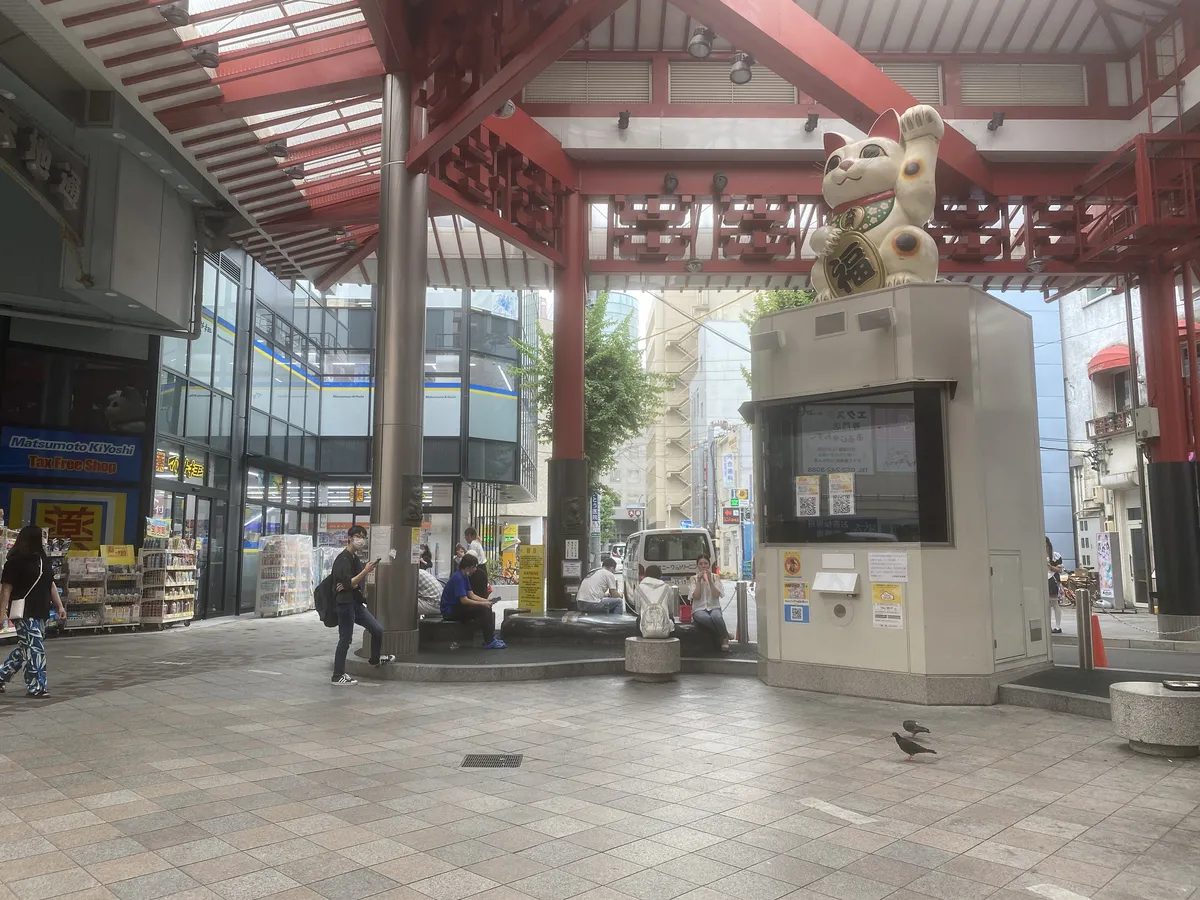
For a 2-day visitor, the must-hit Osu spots are:
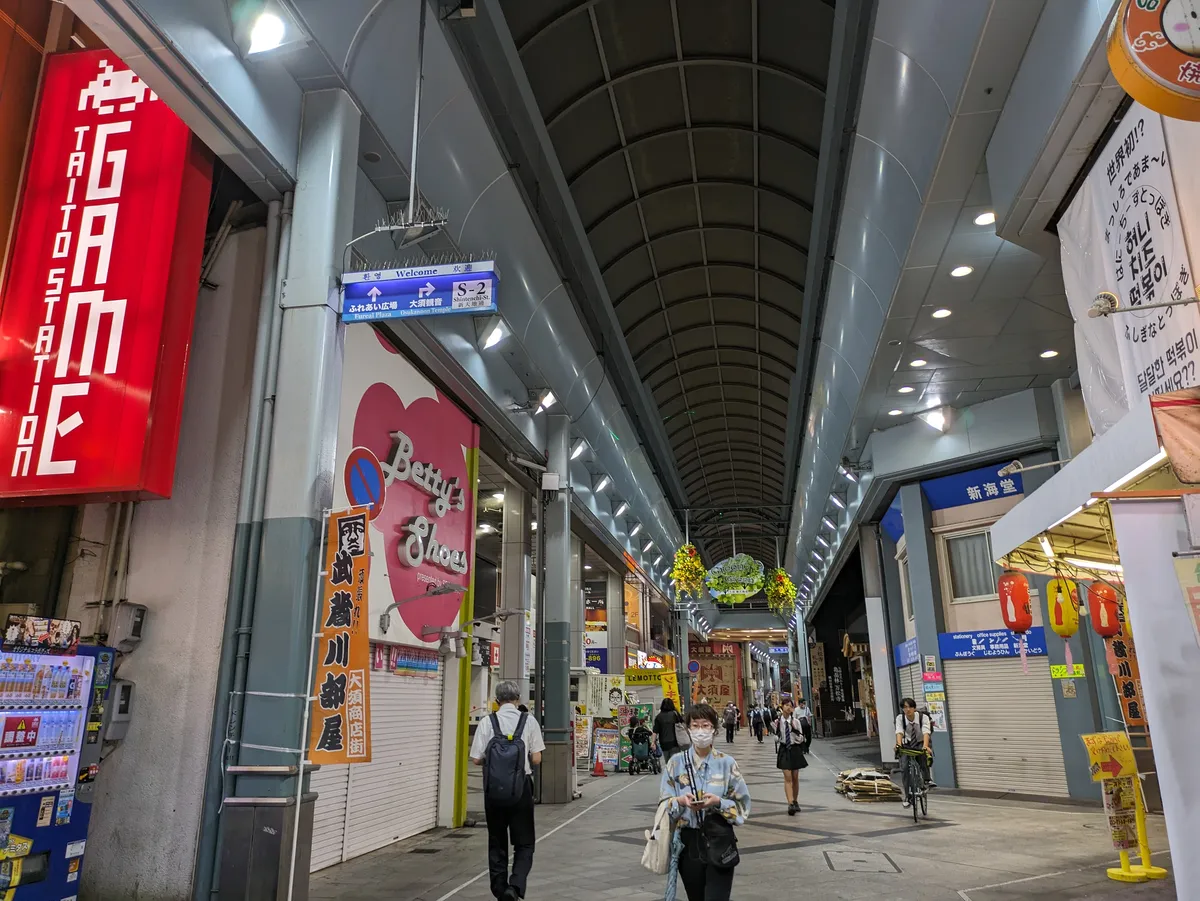
- Osu Kannon Temple — The Buddhist temple that anchors the district. Free, takes 10 minutes, and the bright red main hall is one of Nagoya’s better photo subjects.
- Komehyo — A massive secondhand luxury goods store. Designer bags, watches, jewelry at 30-60% below retail. This is where Nagoya locals actually shop for bargains.
- Banshoji-dori vintage row — Some of the best secondhand kimono and vintage denim shops in Central Japan, at a fraction of Tokyo’s Shimokitazawa prices.
- Street food — Fresh taiyaki, korokke, takoyaki, kakigori in summer.
3:00 PM — Decision point: Tokugawa Garden, or back to the hotel for a break?
If you have energy and the weather is good, take the subway from Osu Kannon Station to Ozone Station (Tsurumai Line to Kamimaezu, then the Meijo Line, about 20 minutes), then walk 10 minutes to Tokugawa Garden (Tokugawa-en). This is one of the most underrated stops in Nagoya — a traditional daimyo’s strolling garden with a large pond, waterfalls, and seasonal flowers. Quiet, almost no foreign tourists.
Tokugawa Garden Visitor Information (2026)
- Hours: 9:30 AM – 5:30 PM (closed Mondays)
- Admission: 300 yen (adults)
- Getting there: Meijo Line to Ozone Station, 10-min walk; or city bus from Sakae
- Time needed: 45-60 minutes
- Official site: tokugawaen.aichi.jp
If your feet are already done — and after a castle and a shopping district they may well be — skip Tokugawa Garden, head back to the hotel for an hour, change clothes, and meet the evening fresher. On a 2-day trip the pacing matters more than checking another box.
Local Tip: If you are visiting between mid-November and early December, Tokugawa Garden’s autumn illumination is the single most beautiful evening event in central Nagoya. It is what locals do on date night. Buy the evening-only ticket and skip the daytime visit.
For complete transit details, see our guide to getting around Nagoya.
For the detail, see our Osu shopping street guide. For the detail, see Tokugawa Garden and Art Museum.
Day 1 Evening: Sakae, Mirai Tower, and Hitsumabushi Dinner
5:30 PM — Subway to Sakae Station (Higashiyama Line or Meijo Line, ~5 minutes from anywhere central). Sakae is Nagoya’s main commercial and entertainment district — the Shibuya of Central Japan, but easier on the feet.
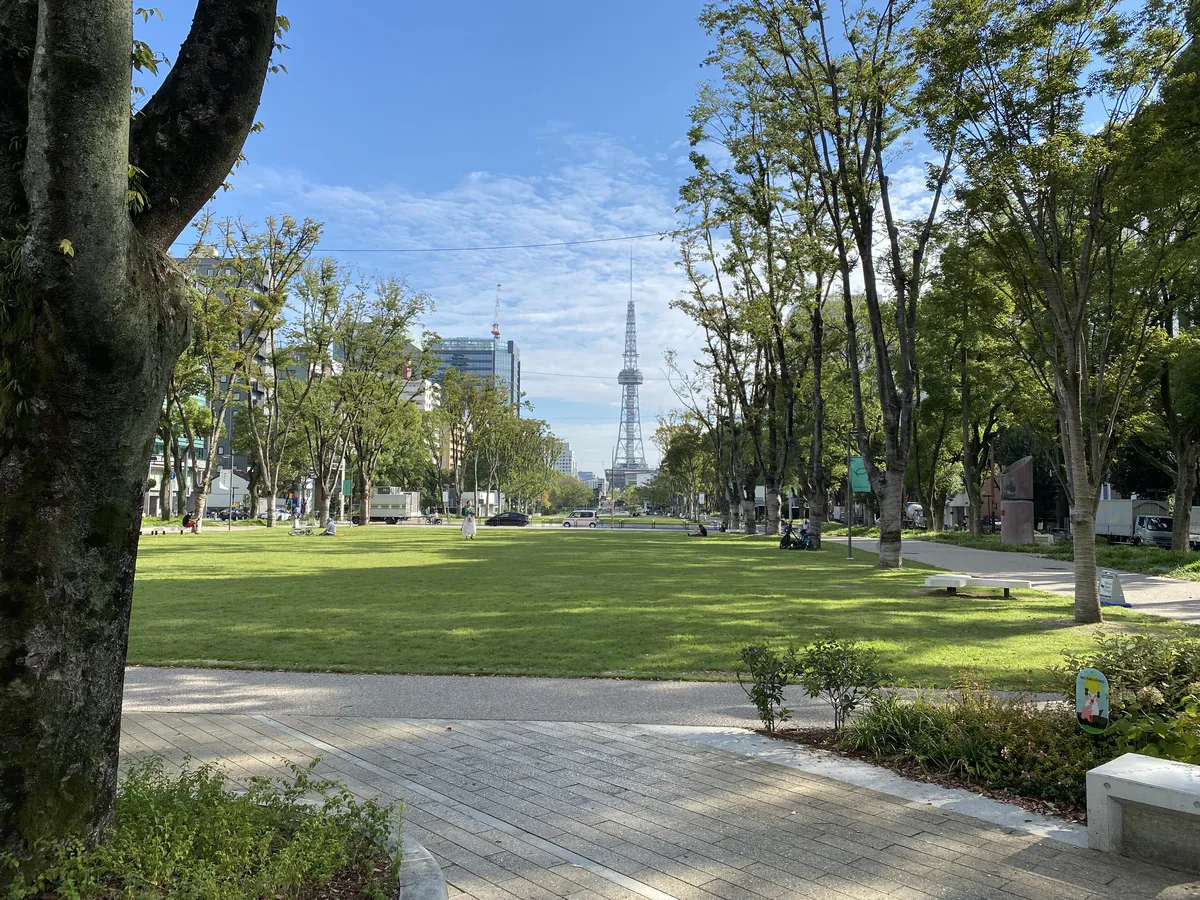
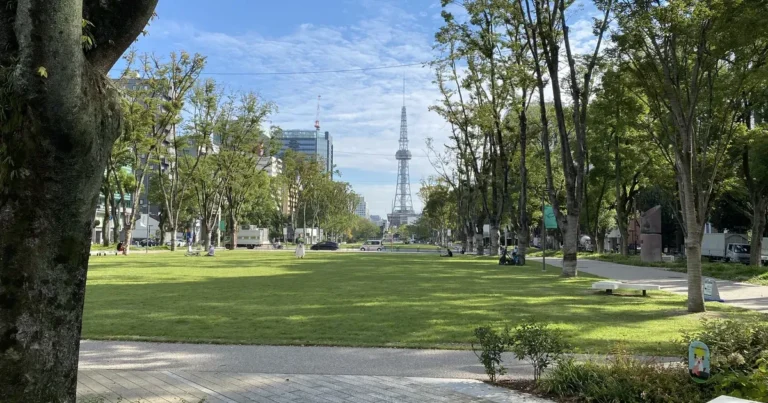
5:45 PM — Oasis 21 and Mirai Tower at sunset. This is the photo moment of the trip. Oasis 21 is a futuristic glass-roofed structure that looks like a translucent spaceship floating above the street. The “Galaxy Platform” rooftop is free and gives you a perfect view of Mirai Tower (formerly Nagoya TV Tower) glowing against the dusk sky.
Mirai Tower itself is Japan’s oldest TV tower (1954) and now hosts an observation deck, a small hotel, and restaurants. The deck ticket is worth it on a clear night, but on most weekends the free rooftop view from Oasis 21 is just as good.
Mirai Tower Observation Deck (2026)
- Hours: 10:00 AM – 9:00 PM, last entry 8:40 PM (Saturdays until 9:40 PM, last entry 9:20 PM)
- Admission: 1,300 yen (adults)
- Getting there: Sakae Station, 3-min walk
- Time needed: 30-45 minutes
- Official site: nagoya-tv-tower.co.jp
6:30 PM — Hitsumabushi dinner. This is the meal of the trip.
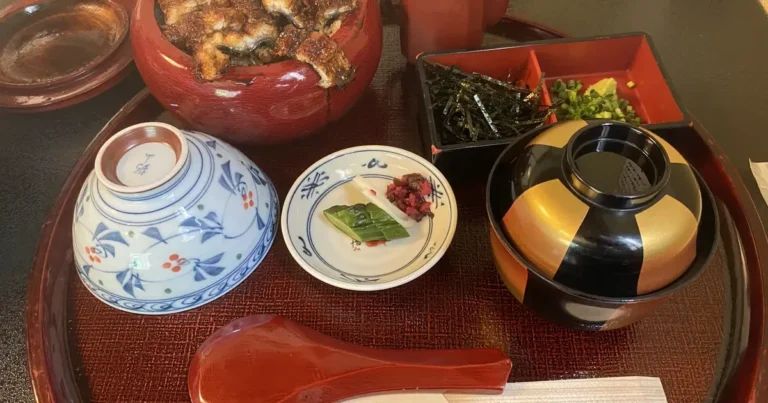
If there is one dish you cannot leave Nagoya without trying, it is hitsumabushi — grilled freshwater eel served over rice, eaten in three deliberate stages (plain, with condiments, then as ochazuke with hot dashi poured over). I have eaten it more than a hundred times across sixteen restaurants, and I write about it constantly because it is the dish that defines this city’s food culture.
For a Saturday night dinner with no advance planning, my recommendation is Atsuta Horai-ken Matsuzakaya branch in Sakae. It is the city-center branch of the original Horai-ken (the Atsuta main shop that invented hitsumabushi in the Meiji era), it accepts walk-ins more readily than the main shop, and it sits inside the Matsuzakaya department store so you can slip in even on a busy weekend.
If you have already booked a reservation, the Atsuta Horai-ken main shop is unmatched — but it requires planning a week ahead and a 20-minute taxi from Sakae.
Budget for dinner: 4,500-6,500 yen per person for hitsumabushi at a top shop.
For a deep dive on every hitsumabushi shop in the city, the eating method, and reservation strategy, see our hitsumabushi complete guide.
Local Reservation Tip: For Saturday night, call the Matsuzakaya branch at lunchtime the same day to ask about wait times, or arrive at 5:30 PM (ten minutes before opening) to get on the first-round seating list. The 7:30 PM second round usually has shorter waits than 6:00 PM.
8:30 PM — Optional nightcap. If you still have energy, Sakae’s narrow back streets behind the Hisaya Odori have small standing bars (tachinomi) and craft beer pubs that locals favor. Order one drink and watch the rhythm of a Nagoya weekend night. Otherwise, head back to the hotel — Day 2 starts early.
Day 2 Sunday Morning: Atsuta Shrine and the Sacred Forest
7:30 AM — Wake early. This is the secret of the 2-day plan. Sunday morning at Atsuta Shrine, before the tour buses arrive, is one of the best free experiences in Nagoya. The forest is quiet, locals come for their morning prayers, and the air smells like cedar and clean water.
8:00 AM — Subway from Nagoya Station to Atsuta-Jingu-Nishi Station (Higashiyama Line to Sakae, then the Meijo Line clockwise, about 20 minutes) or JR Atsuta Station (Tokaido Line, about 6 minutes from Nagoya Station). Both stations sit next to a different gate of the shrine.
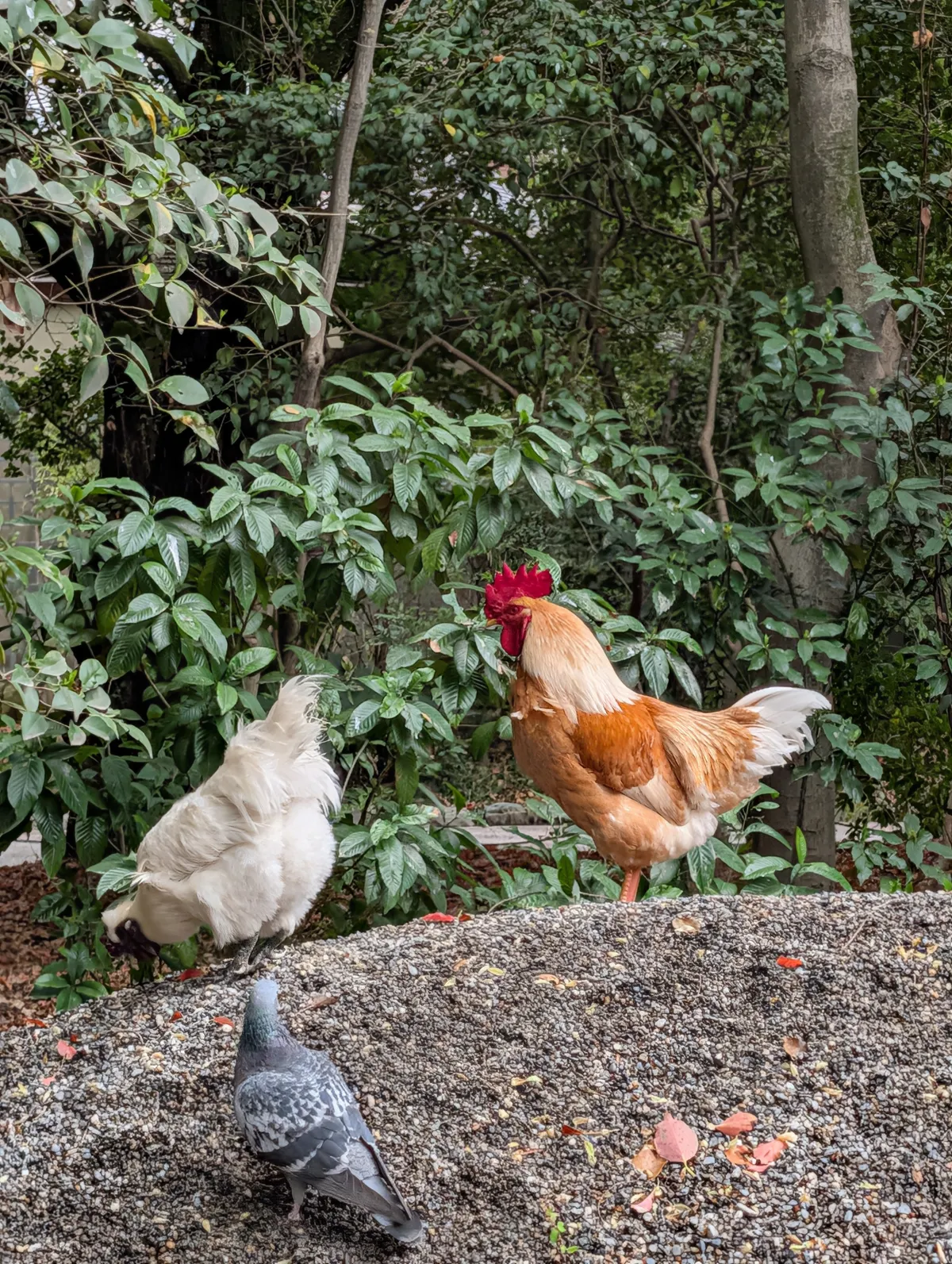
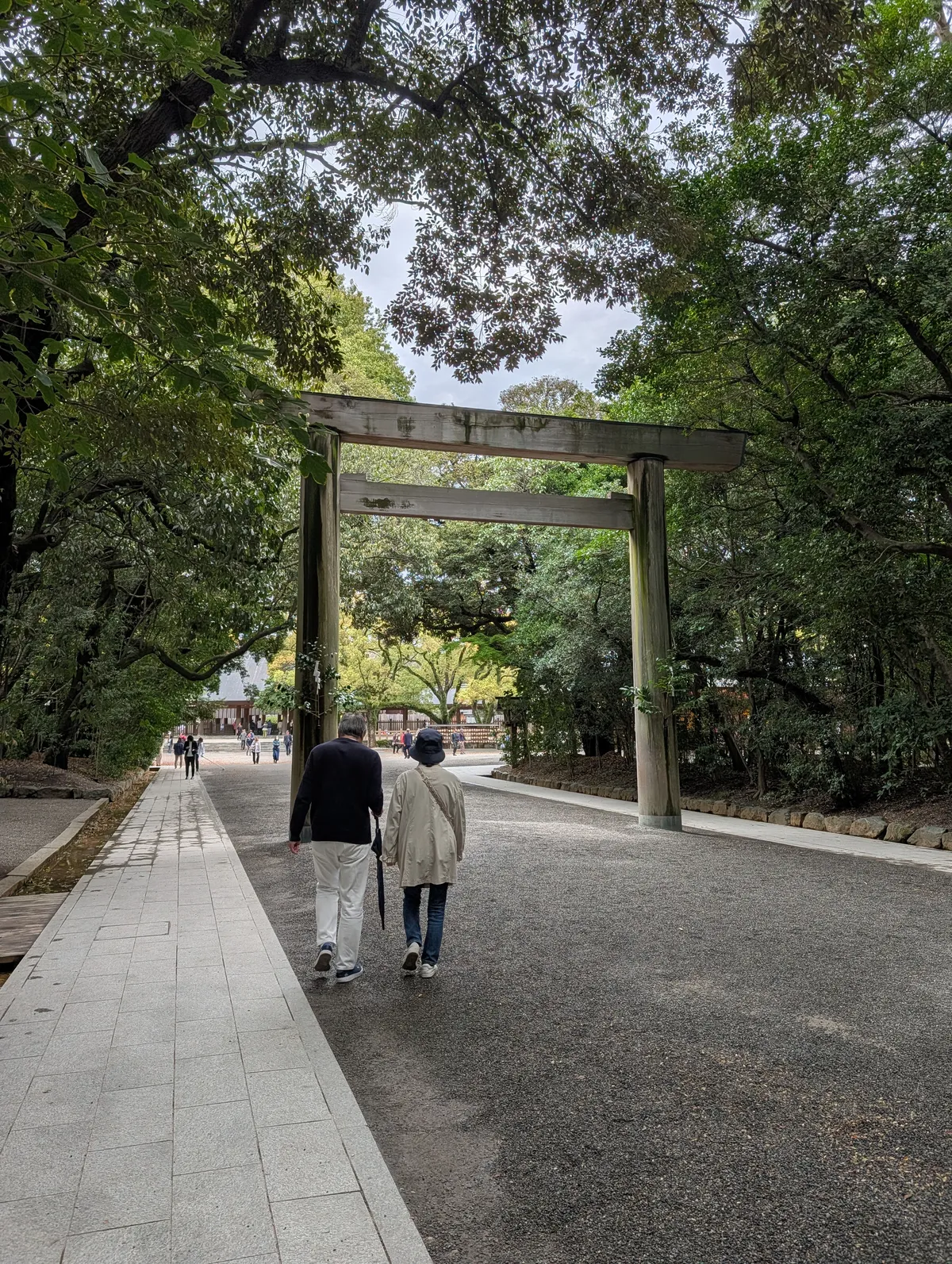
8:15 AM – 9:30 AM — Atsuta Shrine. Atsuta is one of Japan’s most important Shinto shrines. It enshrines the Kusanagi-no-Tsurugi, one of the three sacred imperial regalia, and has been a center of worship for nearly 2,000 years. The grounds cover roughly 190,000 square meters of cedar forest in the middle of the city — when you step through the torii, the temperature drops a few degrees and the noise of urban Nagoya disappears.
What to look for:
- The 1,000-year-old camphor tree near the south gate — said to have been planted by Kobo Daishi.
- The main hall (Hongu) — rebuilt in the Shinmei-zukuri style after WWII, plain unpainted cypress.
- Kusanagi-kan museum (500 yen) — small but worth 20 minutes if you are interested in the sword’s history.
- Miya Kishimen (Jingu branch) within the grounds — a kishimen (flat udon) shop inside the shrine precinct, open from 9:00 AM.
According to the City of Nagoya, Atsuta Jingu draws roughly 7 million worshippers a year, making it one of the most visited shrines in central Japan.
Atsuta Shrine Visitor Information (2026)
- Hours: Open 24 hours (main grounds); museum 9:00 AM – 4:30 PM
- Admission: Free (museum 500 yen)
- Getting there: Meijo Line to Atsuta-Jingu-Nishi Station, or JR Tokaido Line to Atsuta Station
- Time needed: 60-90 minutes
- Official site: atsutajingu.or.jp
9:45 AM — Komeda Coffee morning set. Walk five minutes from the shrine to any Komeda Coffee branch (there is one near Atsuta-Jingu-Nishi Station) and order any drink before 11:00 AM — your drink comes with free toast and a hard-boiled egg or red bean paste. This is the Nagoya morning set tradition (mōningu), and Komeda was founded in Nagoya in 1968.
According to Komeda Coffee’s company history, the chain originated in Nagoya in 1968 and has grown to more than 1,000 locations nationwide while keeping the original morning set free with any drink before 11:00 AM.
The morning set is a piece of living Nagoya culture, not a tourist gimmick. On a Sunday morning, every Komeda fills with retired couples reading newspapers, families with kids, and salarymen on their day off. Sit in a booth, order a melon soda or an iced coffee, and read for half an hour. This is what a slow Nagoya weekend feels like.
Budget for morning set: 500-700 yen per person.
See our complete Atsuta Jingu guide.
Day 2 Afternoon: Nagoya Port Aquarium or Half-Day Ghibli Park
11:00 AM — Decision point. The Day 2 afternoon has two genuinely good options. Pick one based on who you are traveling with.
Option A: Nagoya Port Aquarium (Best for Most 2-Day Visitors)
Nagoya Port Aquarium (Nagoya Kō Suizokukan) is one of Japan’s largest aquariums and the easier choice for a 2-day trip — it is 30 minutes from Atsuta by subway, and you can spend 2-3 flexible hours inside without booking ahead. The aquarium is famous for its orca and beluga whale shows, its sardine ball performance, and its Antarctic-themed deep tank.
Nagoya Port Aquarium (2026)
- Hours: 9:30 AM – 5:30 PM (until 5:00 PM in winter); closed Mondays year-round, except during Golden Week, July-September and the spring/winter school holidays
- Admission: 2,030 yen (adults)
- Getting there: Meiko Line to Nagoyako Station (terminal), 5-min walk
- Time needed: 2.5-3 hours
- Official site: nagoyaaqua.jp
Skip-the-line tickets and combo passes are available on international ticket platforms such as Klook, which is convenient if you are visiting on a peak weekend or during summer holidays.
After the aquarium, the Garden Pier outside is a pleasant walk on a sunny afternoon — but check what is actually open before you build the afternoon around it. From August 1 to November 30, 2026 the Nagoya Port Building (the whole building, including the Nagoya Maritime Museum and the observation deck), the Antarctic research vessel Fuji, and Port House are closed for Aichi-Nagoya 2026 Asian Games preparations (Garden Pier official closure notice). The aquarium is not on that closure list and runs as normal, and neither the small Ferris wheel nor the waterfront boardwalk is part of it. If the maritime museum or the Fuji was the reason you were heading to the port, save it for a visit from December 2026 onward.
12:00 PM lunch break: Eat lunch at the aquarium itself or at one of the casual seafood restaurants on Garden Pier — the chef’s choice sashimi sets are surprisingly good for the location and price.
Option B: Half-Day Ghibli Park (Only If You Booked Ahead)
If you are a serious Studio Ghibli fan and you booked a Grand Warehouse afternoon ticket two months ago, swap the aquarium for a half-day Ghibli Park visit.
The realistic schedule:
- 11:00 AM — Subway from Atsuta to Fujigaoka (Meijo Line to Sakae, then the Higashiyama Line to the terminus, about 40 minutes), then the Linimo to Aichikyuhaku-kinen-koen (about 13 minutes) — roughly 55 minutes door to door.
- 12:00 PM – 4:30 PM — Grand Warehouse (the indoor area) plus one outdoor section.
- 5:00 PM — Linimo back to Nagoya Station.
You will not see all five Ghibli Park areas in half a day — the Grand Warehouse alone takes 3-4 hours. But you will get the most photographically rewarding parts (the Howl’s Moving Castle interior, the Spirited Away bathhouse area, and the cat bus). Tickets are notoriously hard to get; book through the official Boo-Woo system or check authorized international resellers such as Klook.
For full Ghibli Park strategy, ticket booking timelines, and the difference between the five areas, see our Ghibli Park complete guide (3-day itinerary version).
Local Honest Take: If you have not booked Ghibli Park tickets before reading this article, take Option A (the aquarium). Walk-in availability does not exist at Ghibli Park, and trying to scramble tickets the day before your visit will eat hours of your weekend. The aquarium is genuinely good and far less stressful.
Worth a look: the Port of Nagoya Aquarium guide.
Day 2 Evening: Souvenir Shopping at Nagoya Station
4:30 PM — Subway back to Nagoya Station (Meiko Line from Nagoyako, ~25 minutes; Linimo + subway from Ghibli Park, ~50 minutes). Nagoya Station is a destination in itself — the JR Central Towers above and the underground shopping streets below contain everything you could possibly want as a final-day souvenir stop.
4:45 PM – 6:00 PM — Souvenir shopping. The Nagoya specialties to buy:
- Akafuku mochi (the Ise specialty, available at Nagoya Station basement) — Best eaten same-day.
- Misokatsu sandwich by Yabaton — A real “only in Nagoya” travel snack.
- Uiro (a soft, mildly sweet rice-flour confection) — The Aoyagi brand is the Nagoya original.
- Tebasaki crackers (sembei flavored with chicken-wing seasoning) — A surprisingly good edible souvenir.
- Nagoya Komeda’s “shironoir” ice cream cones (a cult dessert) at the JR Gate Tower branch.
- Hatcho miso paste tubes (Maruya Hatcho Miso) — The genuine 8-block miso made in Okazaki.
The basement of Takashimaya in JR Central Towers (Gate Tower side, B1) has the most concentrated selection. Allow at least 45 minutes — the lines for popular items grow by 5:30 PM on Sundays.
6:15 PM — Final dinner at Nagoya Station. If you are still hungry, eat your second Nagoya meshi dish at one of the station’s underground food halls. Yamamotoya Honten (Esca underground mall, on the Shinkansen side of the station) serves the city’s best miso nikomi udon — thick, hand-pulled noodles in a deeply fermented Hatcho miso broth, served bubbling-hot in an iron pot. It is the perfect cold-weather farewell meal.
Budget for dinner: 1,800-2,800 yen per person.
7:30 PM — Shinkansen home. The Nozomi to Tokyo runs roughly every 10 minutes; the last Nozomi to Tokyo departs around 21:23, the last Hikari around 22:09. To Osaka, the last Nozomi departs around 22:30. Buy your bento (ekiben) on the platform — the Nagoya Cochin chicken bento and the misokatsu bento are both excellent.
For a full breakdown of the city’s transit system, including JR Central Towers’ layout, see our getting around Nagoya guide.
Variation: 2 Days With a Day Trip
If you want a day trip on a 2-day Nagoya itinerary, the math only works for one specific case: a half-day Inuyama trip. Anything farther (Takayama, Kanazawa, Ise) requires a full day of travel and forces you to skip half the city.
Here is the realistic 2-day with day trip plan:
Day 1: Full Nagoya City Day (Same as Above)
Use the standard Day 1 above — castle, Osu, Sakae, hitsumabushi.
Day 2: Half-Day Inuyama + Half-Day Nagoya
8:00 AM — Meitetsu Limited Express from Nagoya Station to Inuyama-yuen Station (about 28 minutes, ~690 yen). Note that JR Pass does not cover Meitetsu — buy a regular ticket.
8:30 AM – 12:30 PM — Inuyama Castle and the old town. Inuyama Castle is one of only twelve original castle keeps left in Japan and one of five designated as National Treasures. The castle keep is small but genuinely old (built around 1537), and the views from the top balcony over the Kiso River are some of the most underrated castle views in Central Japan.
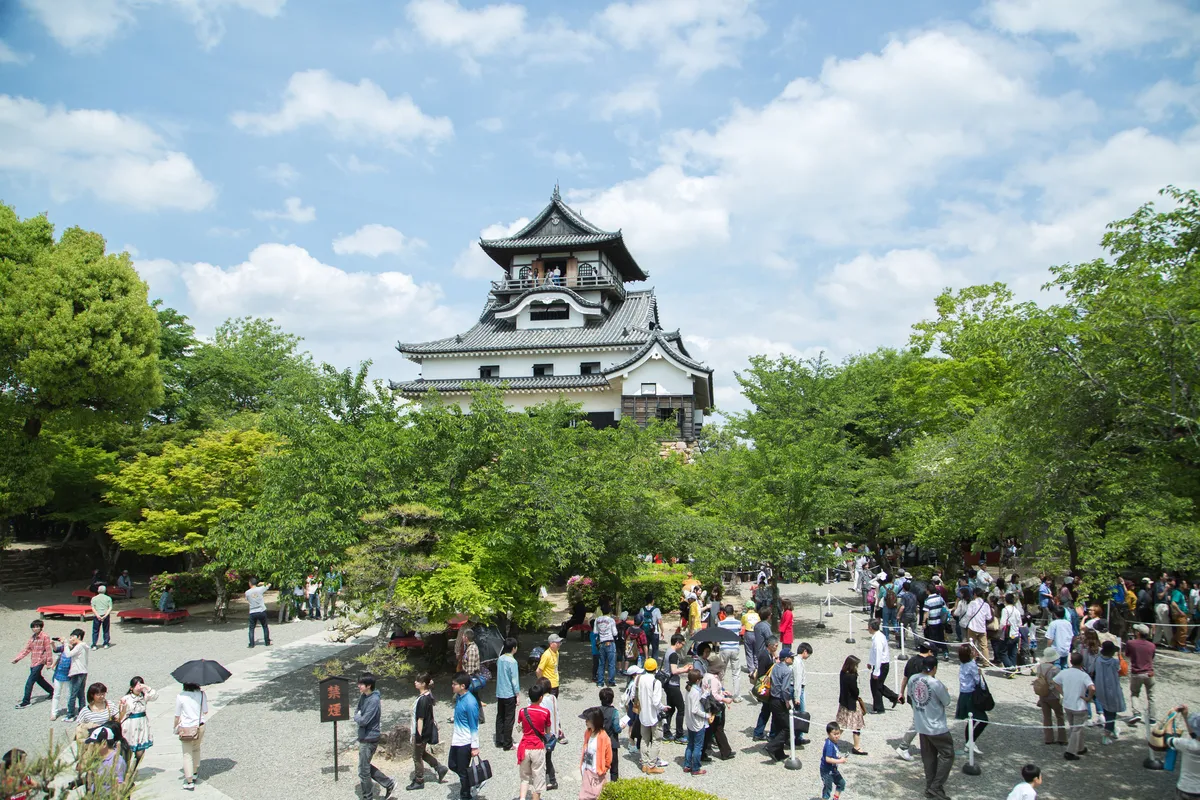
After the castle, walk the Inuyama Joka-machi old town street — a 600-meter preserved Edo-period street with sake breweries, miso shops, and a famous puppet theater (Karakuri).
According to the Inuyama Castle official site, the castle keep dates to 1537 and was designated a National Treasure in 1952, making it one of the oldest extant castle keeps in Japan.
Inuyama Castle Visitor Information (2026)
- Hours: 9:00 AM – 5:00 PM (last entry 4:30 PM)
- Admission: 1,000 yen (adults)
- Getting there: Meitetsu to Inuyama-yuen Station, 15-min walk
- Time needed: 1 hour castle + 1.5 hours old town
- Official site: inuyama-castle.jp
12:30 PM — Lunch in Inuyama old town at one of the small udon, soba, or sweet-shops on Joka-machi. Try the goheimochi (grilled rice cakes with walnut-miso sauce) — a Central Japan mountain specialty.
1:30 PM — Meitetsu back to Nagoya Station. You arrive by 2:00 PM with the rest of the afternoon free.
2:30 PM – 5:00 PM — Half-day Nagoya: Choose Atsuta Shrine OR Osu OR the Nagoya Port Aquarium (pick one based on what you missed on Day 1). I recommend Atsuta — it is closest to the station and most “essential” of the three.
5:30 PM — Hitsumabushi or miso nikomi udon dinner, then shinkansen home.
This variation works best for travelers who have already been to Tokyo and Kyoto — Inuyama gives you an authentic Edo-era atmosphere without competing with Kyoto’s crowds. For a deeper dive on day trips from Nagoya, see our 3-day itinerary.
Related reading: all day trips from Nagoya, compared.
Variation: 2 Days for Foodies — Six Dishes in 48 Hours
If you came to Nagoya specifically for the food (which I fully support), here is the realistic 6-dish weekend plan. Two days, six meals, six different Nagoya specialties.

Day 1 (Saturday):
- Breakfast: Komeda Coffee morning set (Nagoya’s signature mōningu culture).
- Lunch: Miso katsu at Suzuya Akamon or Yabaton in Osu.
- Afternoon snack: Tebasaki chicken wings at Furaibo or Yamachan in Sakae (yes, even at 4:00 PM — they are technically a snack).
- Dinner: Hitsumabushi at Atsuta Horai-ken Matsuzakaya branch.
Day 2 (Sunday):
- Breakfast: Kishimen at Miya Kishimen’s Jingu branch inside the Atsuta Shrine grounds (open from morning).
- Lunch: Taiwan ramen at Misen (the Imaike branch is the original — spicy, garlicky, addictive). Or, if you want a softer flavor, ankake spaghetti at Yokoi.
- Afternoon snack: Ogura toast (red bean paste on thick toast, another Nagoya original) at any Komeda or Konparu.
- Dinner before shinkansen: Miso nikomi udon at Yamamotoya Honten in Nagoya Station.
That is six classic Nagoya meshi dishes plus two breakfast snacks in 48 hours — what I call the “food sprint” weekend. Several friends from Tokyo have done this exact route and walked away convinced Nagoya has the best regional cuisine in Japan.
For each dish’s history and the best shop for each, see our Nagoya meshi food guide.
Local Tip: Eat the heavier dishes (hitsumabushi, miso katsu, tonkatsu, miso nikomi udon) earlier in the day. Save the lighter ones (kishimen, ankake spaghetti, ogura toast) for later. The miso-based dishes are heavier than they look.
Where to Stay for a 2-Day Nagoya Trip
For a 48-hour trip, stay near Nagoya Station (Meieki area). The time you save on transit — getting to the castle, Atsuta, the port, and the Ghibli Park bus stop — is worth more than slightly higher room rates. Sakae is the second-best base if you prioritize nightlife and dinner crawling over morning shinkansen access.
For a complete neighborhood breakdown including Marriott Associa, TIAD, and budget options, see our where to stay in Nagoya guide.
Five Hotels I Recommend for a 2-Day Weekend
1. Nagoya Marriott Associa Hotel (Luxury, Nagoya Station)
Directly inside JR Central Towers above Nagoya Station. The single best location in the city for a 2-day trip — you walk from your room to the shinkansen platform without going outside. The lounge access (for higher-tier rooms) and the breakfast buffet are both excellent. I have stayed at this property and the breakfast alone is worth the rate jump from a standard hotel.
2. The Tower Hotel Nagoya (Boutique, Sakae)
The hotel inside Mirai Tower itself. Genuinely one-of-a-kind — only 15 rooms, all overlooking the Sakae skyline. The location puts you steps from Oasis 21 and the entire Sakae nightlife district. Perfect for couples on a special occasion.
3. ESPACIO NAGOYA CASTLE (Luxury, Castle Area)
The long-running Hotel Nagoya Castle closed on September 30, 2020 after 51 years, and the site was rebuilt. Its successor, ESPACIO NAGOYA CASTLE, opened on October 1, 2025 as a 100-room luxury hotel overlooking Nagoya Castle. Rooms on the castle side still deliver the view the old hotel was famous for, but this is now a top-end property — check current rates before you assume it fits a weekend budget.
4. Mitsui Garden Hotel Nagoya Premier (Mid-Range, Nagoya Station)
A reliable mid-range chain hotel two blocks from Nagoya Station’s Sakuradori exit. The rooms are compact but well-designed, the breakfast is excellent for the price, and the public bath is a nice touch after a long walking day.
5. Richmond Hotel Nagoya Nayabashi (Budget, Fushimi)
The most popular budget-friendly business hotel for travelers who want a comfortable bed without resort prices. Walking distance to Sakae and one subway stop from Nagoya Station. Clean, quiet, and reliable.
Local Booking Tip: For a Saturday-Sunday trip, book at least 4 weeks ahead. Nagoya has a strong domestic business travel market, and Sunday-night rooms (the rate I always recommend) tend to be 20-30% cheaper than Saturday nights. If your dates are flexible, switch arrival to Friday and departure to Sunday morning to save on hotel costs.
You can read more about hotels near Nagoya Station.
Transit, Passes, and Practical Tips
For a 2-day Nagoya trip, the transit math is simple:
- Donichi Eco Kippu (weekend/holiday subway-bus pass): 620 yen per day. The single best value for a Saturday-Sunday trip.
- Subway All-Line 24-Hour Ticket: 760 yen, valid 24 hours from first use on any day (subway only). The bus + subway one-day pass is 870 yen.
- JR Pass: Almost never worth it for a 2-day Nagoya-only trip. Only buy one if you are also using shinkansen for Tokyo, Osaka, or Kyoto.
- Manaca / Suica IC card: Tap-and-go on every train, subway, bus, and many vending machines. Recommended even with the day pass.
If you are doing a multi-day Japan trip with shinkansen segments, a 7-day JR Pass can be cost-effective. For Nagoya-only travelers, the subway day pass gives you the same coverage without the JR Pass markup.
According to the Nagoya City Transportation Bureau, the city’s subway system covers six lines and 87 stations, with most major tourist attractions reachable within 15 minutes of Nagoya Station.
There is a separate guide to a Suica or IC card.
What to Skip on a 2-Day Trip
The honest list of things you should not try to fit in 48 hours:
- Takayama and Kanazawa day trips. Both are 2.5-3 hours each way. They eat an entire day, and you cannot do them justice in a half-day. Save them for a 3-day or 4-day trip.
- Ghibli Park (full visit). A proper Ghibli Park visit takes 6-8 hours across multiple areas. Half-day works only if you booked ahead and accept seeing only the Grand Warehouse.
- Nagoya Castle main tower. Closed for reconstruction. The Hommaru Palace is the real reason to visit anyway.
- Tokugawa Art Museum. Excellent collection (the original Tale of Genji scrolls) but takes 90+ minutes and is a detour. Skip on a 2-day trip; visit on a 3-day.
- Toyota Commemorative Museum of Industry and Technology. World-class, but 3 hours minimum and out of the way. Save for a 3-day trip if you are an automotive enthusiast.
- The Toyota Museum (proper) at Nagakute. Same — wonderful but a half-day commitment.
- Nabana no Sato flower park (in winter). Stunning illuminations but 1 hour each way. Worth a half-day in February.
- Multiple izakaya districts. Pick one (Sakae back streets or the red-lantern row west of Nagoya Station). You cannot do both in a 2-day trip without losing sleep.
The pattern is the same: a 2-day trip rewards depth in fewer places, not breadth across many. Pick the must-see version of each category — one castle, one shrine, one shopping district, one major dinner — and let yourself enjoy them.
For travelers who want to add Ghibli Park and a day trip without rushing, our 3-day Nagoya itinerary is the better starting point.
Total Budget Estimate (2 Days, Per Person)
| Category | Budget | Mid-Range | Premium |
|---|---|---|---|
| Hotel (1 night) | 8,000 yen | 18,000 yen | 35,000 yen |
| Food (5 meals) | 6,500 yen | 11,000 yen | 18,000 yen |
| Transit (Donichi Eco Kippu x2 days; add ~1,400 yen for the Inuyama Meitetsu round trip) | 1,300 yen | 1,300 yen | 1,300 yen |
| Attractions (castle + shrine + 1 paid site) | 1,800 yen | 2,500 yen | 3,500 yen |
| Souvenirs and snacks | 2,000 yen | 4,000 yen | 8,000 yen |
| Total (excluding shinkansen) | 19,600 yen | 36,800 yen | 65,800 yen |
Price note: Nagoya Castle admission rises from 500 to 1,000 yen on October 1, 2026. From that date, add 500 yen to the Attractions row and to each total above.
Add shinkansen round-trip from Tokyo (~22,600 yen) or Osaka (~13,400 yen). The Nagoya weekend is one of the best-value city trips in Japan — you get a major historical city, top-tier regional cuisine, and a famous shrine for less than half the cost of an equivalent Kyoto weekend.
We also cover full Nagoya trip budget guide.
Frequently Asked Questions About Nagoya 2-Day Trips
Is 2 days enough time for Nagoya?
Two days is enough for the headline sights (Nagoya Castle, Atsuta Shrine, one shopping district), the city’s two essential dishes (hitsumabushi plus one other), and one optional half-day add-on (port aquarium or half-day Ghibli Park). It is not enough for a full Ghibli Park visit, a Takayama or Kanazawa day trip, or the deeper food scene. If those are non-negotiable, plan three days.
What is the best 2-day Nagoya itinerary for first-time visitors?
Day 1: Nagoya Castle and Hommaru Palace in the morning, Osu Shopping District for lunch and afternoon, Sakae and Mirai Tower at sunset, hitsumabushi for dinner at Atsuta Horai-ken Matsuzakaya. Day 2: Atsuta Shrine and a Komeda morning set, Nagoya Port Aquarium in the afternoon, and souvenir shopping at Nagoya Station before your shinkansen.
Where should I stay for a 2-day Nagoya trip?
Stay near Nagoya Station (Meieki area). The transit time you save is worth more than the rate difference for a 48-hour trip. Sakae is the second-best base if you prioritize nightlife. The Marriott Associa (luxury), Mitsui Garden Premier (mid-range), and Richmond Nayabashi (budget) are all reliable choices.
Can I do Ghibli Park in a 2-day Nagoya trip?
Only as a half-day visit, and only if you replaces the Day 2 afternoon (port aquarium) with it. Ghibli Park’s Grand Warehouse alone takes 3-4 hours and the round trip from Nagoya Station is roughly 1 hour each way. Tickets sell out 1-2 months ahead — book before you arrive or it will not be possible.
Should I get a JR Pass for a 2-day Nagoya weekend?
Almost never. A JR Pass only pays off if you also use shinkansen for Tokyo, Osaka, or Kyoto. For a Nagoya-only weekend, buy a Donichi Eco Kippu (620 yen on weekends/holidays) — the subway covers nearly every stop on this itinerary.
What is the best food to eat on a 2-day Nagoya trip?
Prioritize hitsumabushi — it is the dish Nagoya is most famous for and you cannot get the same quality outside the city. After that, pick one of: miso katsu (Yabaton or Suzuya Akamon), miso nikomi udon (Yamamotoya Honten), or tebasaki chicken wings (Furaibo). Do not skip Komeda Coffee for a morning set.
How do I get from Tokyo to Nagoya for a weekend?
The Nozomi shinkansen connects Tokyo to Nagoya in 1 hour 40 minutes (~11,300 yen each way). For a Friday-night arrival, take the last Nozomi from Tokyo around 21:23 to land in Nagoya by 23:00. From Osaka, the Nozomi takes about 50 minutes (~6,680 yen).
Is Nagoya Castle’s main tower open in 2026?
No. The main tower remains closed for a multi-year wooden reconstruction project. The Hommaru Palace, however, is fully open and is the genuine highlight of the castle complex — its painted sliding doors are some of the best palace interiors in Japan.
What should I skip on a 2-day Nagoya trip?
Skip Takayama and Kanazawa day trips (they eat a full day each), the Toyota Commemorative Museum (3+ hours), and the Tokugawa Art Museum (unless you are a serious art lover). Skip the closed Nagoya Castle main tower and head straight to the Hommaru Palace.
Can I do this 2-day itinerary on Friday-Saturday or Sunday-Monday?
Yes. The Saturday-Sunday version is the most popular because the Donichi Eco Kippu is cheaper on weekends. If your dates fall on Monday, note that the Tokugawa Art Museum and some smaller museums close on Mondays. Atsuta Shrine, Nagoya Castle and all major restaurants stay open, but the Nagoya Port Aquarium closes on Mondays outside Golden Week, July-September and the school holidays, and Tokugawa Garden closes on Mondays too — swap the aquarium for Osu or the castle if your second day lands on a Monday.
Final Thoughts From a Local
Two days in Nagoya will not show you everything I love about my hometown. It will not introduce you to the small Mikawa-area sake breweries, the back-alley Taiwan ramen shops in Imaike, the riverside cherry blossoms in Yamazaki-gawa, or the slow Sunday afternoons at Higashiyama Zoo. Those are reasons to come back.
What two days will do is give you the city’s spine — the castle, the shrine, the food, the rhythm. If you do this itinerary properly, you will leave with one specific feeling: “I want to come back here for longer.” That is exactly the right reaction. Nagoya is not a one-and-done city. It is a city that opens up slowly, the way the cedar forest at Atsuta cools the air around you when you walk in from the street.
Pick a Saturday. Book the Marriott Associa or the Richmond Nayabashi, depending on your budget. Take the last Friday-night Nozomi out of Tokyo. Eat Suzuya’s miso katsu for lunch and Atsuta Horai-ken’s hitsumabushi for dinner. Wake up early Sunday and walk the cedar approach at Atsuta before anyone else gets there. Then come back next year for three days — and after that, for a week.
That is the local’s way to use a 2-day Nagoya weekend.
Continue reading:
- 3-Day Nagoya Itinerary — The expanded version with Ghibli Park and a full day trip
- Things to Do in Nagoya — Complete attractions overview
- Nagoya Meshi Food Guide — Every signature dish and the best shops
- Hitsumabushi Complete Guide — 16 restaurants reviewed
- Getting Around Nagoya — Subway, buses, and transit passes
- Nagoya Castle Complete Guide — Hommaru Palace, hours, ticket details
- Where to Stay in Nagoya — Neighborhoods and hotel breakdown
Written by Yuu, a 35-year Nagoya native. This itinerary is based on weekend trips planned for personal friends and family visiting from Tokyo, Osaka, and overseas — refined over 10+ years of hosting them in the city. Last updated May 4, 2026.
Only got the weekend?
Browse hotels near Nagoya Station →On 48 hours, transit time saved is trip time gained.