All guides
Every guide on the site — plan your trip, get around, eat well, and take day trips across Central Japan.
Nabana no Sato Illumination 2026-2027: Visitor Guide
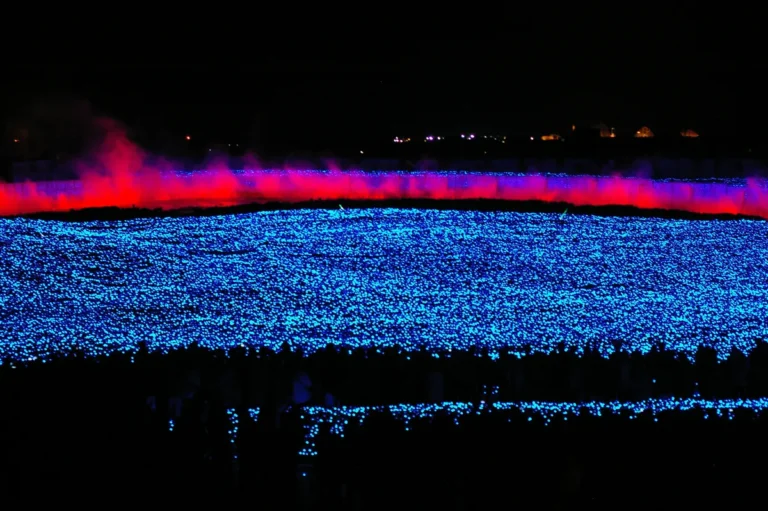
Nabana no Sato (なばなの里) in Kuwana, Mie, lights its winter illumination from October 17, 2026 to May 31, 2027, including what the park calls the largest illumination on water in Japan. This guide covers confirmed dates, the five-tier admission price, verified fares from Nagoya, and the December 23-25 trap.
Shirakawa-go Winter Light-Up 2027: Dates & How to Visit
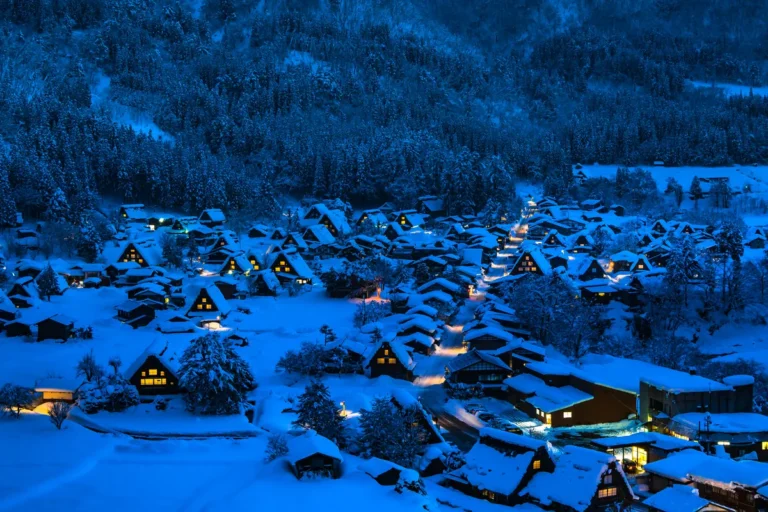
The 41st Shirakawa-go Light-Up Event lights the Ogimachi gassho-zukuri village on four evenings in January 2027. Entry is by advance reservation only, with no same-day admission. Booking details and prices had not been published as of August 16, 2026; the tourist association says they arrive in early September.
How to Enjoy Japanese Fireworks Festivals (Hanabi Taikai)
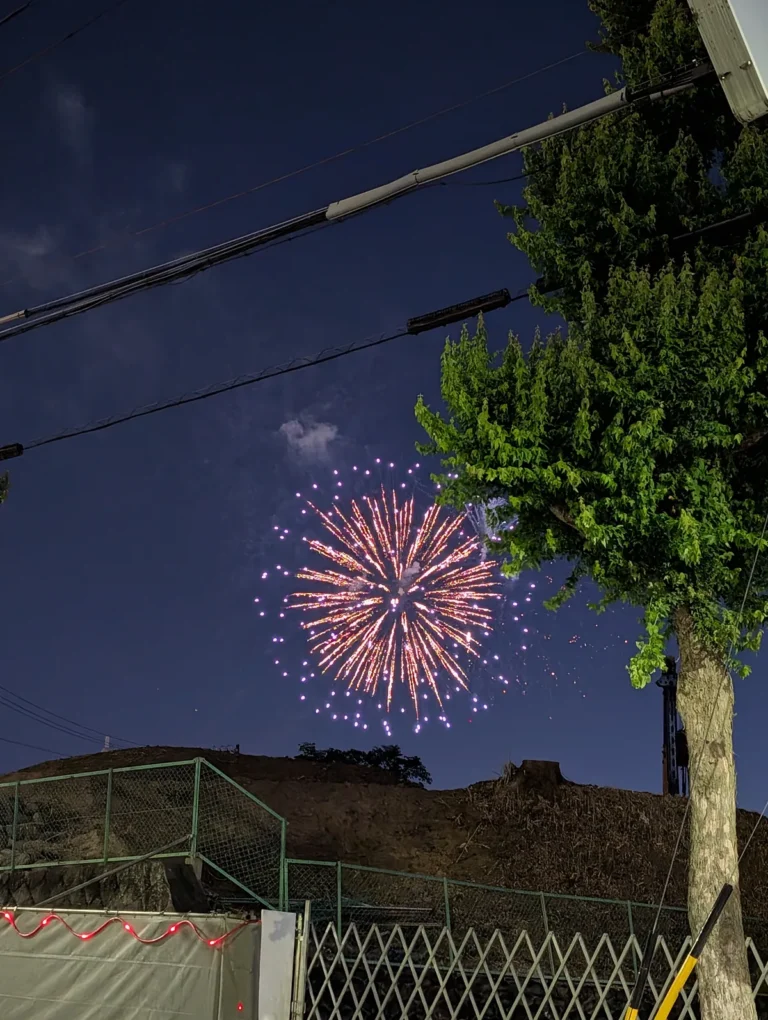
A hanabi taikai is not just fireworks. Japanese shells are spherical, so they open as perfect circles, and each one carries a name. This guide covers what you are watching, how paid seating works, what to bring, and three Central Japan displays that follow completely different rules.
Winter Festivals & New Year in Central Japan
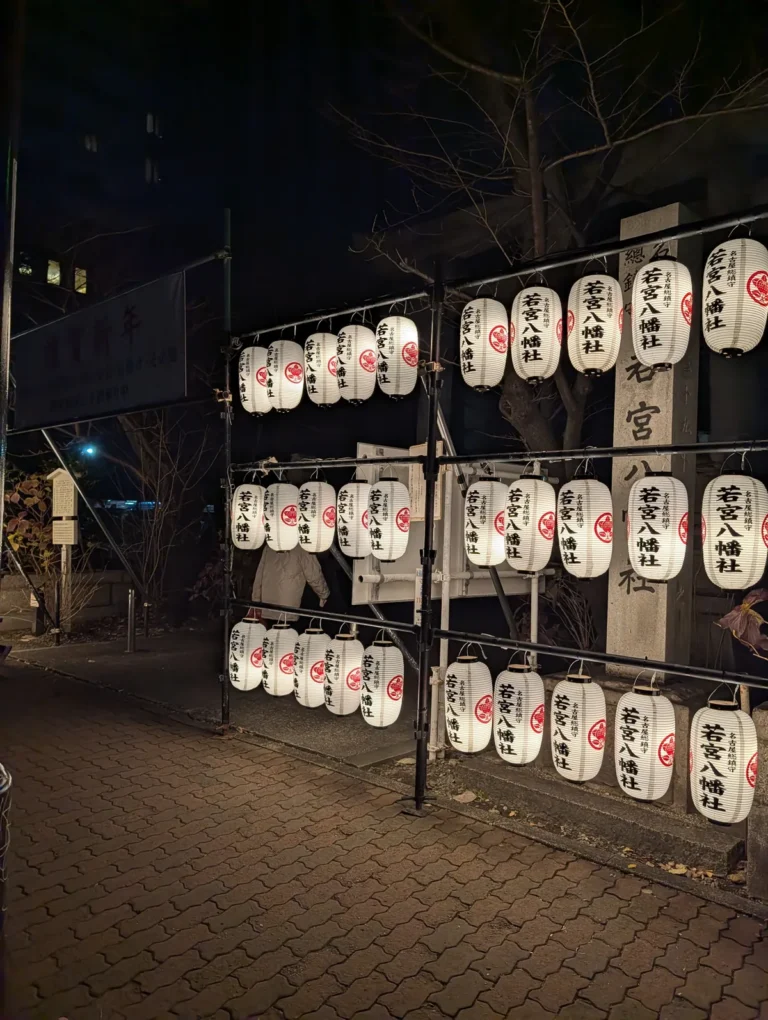
Central Japan's New Year is not a single night but a six-week calendar of shrine and temple rites, followed by fire and loincloth festivals in February. This guide covers hatsumode at Atsuta Jingu, Osu Kannon and Ise Jingu, what stays open, and the winter weather you should actually dress for.
Japanese Festival Food: A Yatai Guide for Central Japan
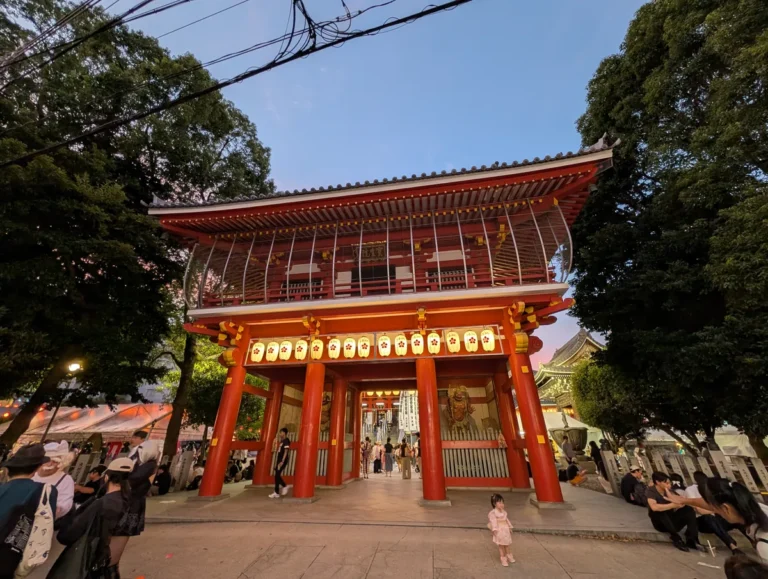
At a Japanese festival, yatai means a food stall: takoyaki, yakisoba, kakigori. Confusingly, the same word means a parade float at Takayama. This guide covers the classics, the Central Japan specialities like gohei-mochi and oni-manju, and why every stall row in the country looks so much alike: the answer involves the fire department and the public health office.
Japanese Festival Guide for First-Timers: Rules & Tips
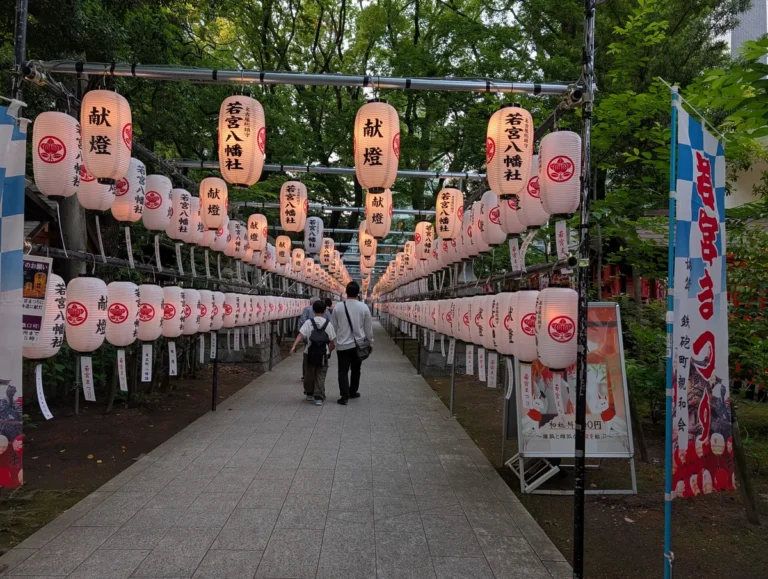
A Japanese matsuri (祭り) is a shrine rite that grew a crowd, not a show staged for visitors. This guide explains what actually happens, which festivals you may join and which you may only watch, the rules organisers publish in writing, and how to choose among 25 festivals in Central Japan.
Hamamatsu Festival 2026: Kite Battles by Day, Palace Floats by Night
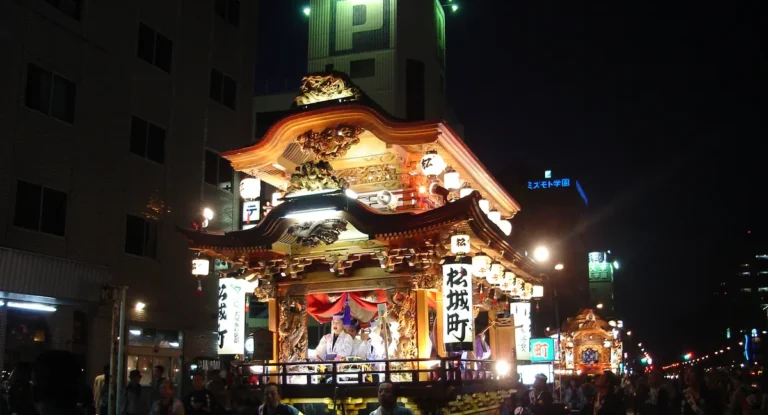
The Hamamatsu Festival (浜松まつり) is a three-day city festival in Shizuoka held every year on 3, 4 and 5 May. Over 170 neighbourhoods fight giant kite battles beside the Nakatajima dunes by day, then pull more than 80 carved palace floats through central Hamamatsu after dark. In 2026 it ran 3-5 May.
Hida Furukawa Festival 2027: The Night the Drum Comes Out
Furukawa Matsuri (古川祭) is the annual festival of Keta Wakamiya Shrine in Hida-Furukawa, Gifu, fixed to 19 and 20 April every year. Nine prefecturally designated floats are pulled through the old town by day; on the night of the 19th around a thousand men carry a turret bearing a large drum while twelve small-drum teams charge it. UNESCO-listed since 2016.
Mino Festival: Gifu’s Flower Mikoshi, Antique Floats and Street Comedy
The Mino Festival (美濃まつり) is the spring rite of Hachiman Shrine in Mino, Gifu, held on the second Saturday of April and the following Sunday - 11 and 12 April in 2026. Saturday belongs to the hanamikoshi, portable shrines roofed with hundreds of paper-flowered bamboo whips; Sunday to six antique floats.
Ueno Tenjin Festival 2026: Demon Parade & Danjiri in Iga
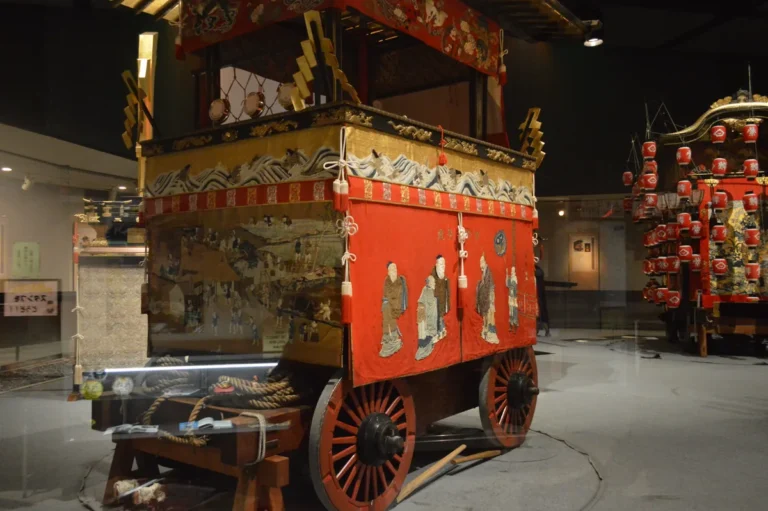
The Ueno Tenjin Festival (上野天神祭) fills the old castle town of Iga, Mie Prefecture, on October 23-25, 2026. More than a hundred masked demons walk one set of streets while nine towering danjiri floats work another. It is UNESCO-listed, free to watch, and about two hours from Nagoya by direct bus.