Yes, you can eat well in Nagoya as a vegetarian, vegan or halal traveler — but it takes a little planning. Nagoya’s famous dishes lean on meat, fish and bonito-based dashi, so plant-based and halal options are not the default. The reliable approach: build your meals around Indian/Nepali, Middle Eastern, Buddhist shojin and modern plant-based spots (concentrated around Osu, Sakae and Nagoya Station), use HappyCow and Google Maps to find current openings, and always confirm ingredients with the restaurant before ordering. This guide shows you exactly how.
This article may contain affiliate links. See our affiliate disclosure for details. Last updated: August 2026.

Can You Eat Vegetarian, Vegan or Halal in Nagoya?
Yes — Nagoya is very doable for vegetarian, vegan and halal travelers, as long as you plan a little instead of walking into the first noodle shop you see. The city has a growing cluster of Indian, Nepali, Middle Eastern, plant-based and Buddhist-temple-style restaurants, mostly around Osu, Sakae and Nagoya Station, where you can eat a full, satisfying meal.
Where people get caught out is assuming Nagoya’s signature dishes will work for them. They mostly won’t, by default. So the trick is not “find a vegetarian version of hitsumabushi” — it’s “know which restaurants are built for your diet, and confirm the details when you arrive.”
“The mistake I see visitors make is treating Nagoya like Tokyo or Kyoto, where there’s a vegan cafe on every other corner. Nagoya is a working food city built on miso, eel and chicken. You absolutely can eat well here on any diet — but you do it by choosing the right restaurants on purpose, not by hoping the famous spots will adapt.”
— Yuu, japanesefestival.net
I’ve spent years being the “where should we eat?” person for friends visiting from abroad — including a vegetarian classmate from my MBA program and Muslim guests I’ve hosted in the city. Through trial and error (and a few awkward menu moments), I learned that Nagoya rewards a tiny bit of preparation enormously. Get the strategy right and you’ll eat genuinely great food. Wing it, and you can end up filling up on convenience-store onigiri.
This guide is honest about that reality. I’ll show you the kinds of places that work, how to find them with tools that show current openings and reviews, the exact questions to ask, and where the hidden traps are (dashi, I’m looking at you). For the bigger picture of what locals actually eat here, pair this with our complete Nagoya food guide (nagoya meshi) so you understand the dishes you’ll be navigating around.
Local Tip from Yuu: Before you arrive, save 4–5 restaurants near your hotel into a Google Maps list, and screenshot a couple in case you lose signal. Decision fatigue at 8pm with a tired, hungry group is the real enemy — not a lack of options. I prep a short list for every visitor I host, and it changes the whole trip.
Why Is Nagoya Tricky for Plant-Based and Halal Travelers?
Nagoya is harder than Tokyo or Kyoto for one structural reason: its entire local cuisine — what locals proudly call nagoya meshi — is built on meat, fish and bonito (katsuobushi) dashi. Hidden animal ingredients are the norm, not the exception, even in dishes that look vegetable-forward.
Here’s the honest breakdown of why the famous dishes don’t translate to plant-based or halal eating:
- Miso katsu is a breaded, deep-fried pork cutlet. Not vegetarian, not halal.
- Hitsumabushi is grilled freshwater eel. Not vegetarian; the sauce and dashi are fish-based.
- Tebasaki are fried chicken wings. Not vegetarian; pork-based seasonings and non-halal slaughter are typical.
- Miso nikomi udon looks like just noodles in miso, but the broth almost always contains bonito dashi and often chicken, and the topping is frequently an egg.
- Kishimen (flat noodles) and even plain soba/udon are usually served in a katsuo (bonito) dashi broth — the single most common hidden non-vegetarian ingredient in all of Japan.
- Taiwan ramen (a Nagoya invention) is built on a pork and chicken base with minced pork.
For a full rundown of these dishes — what’s in them and why locals love them — see our Nagoya ramen guide, which is useful precisely so you know what to steer around.
“Dashi is the thing that trips people up. A bowl that looks like nothing but noodles and green onion is almost always swimming in bonito stock. I’ve watched a vegetarian friend order ‘plain udon,’ relax, and then realize the broth was the problem. If you take one thing from this article: dashi is fish until proven otherwise.”
— Yuu, japanesefestival.net
There are three more practical hurdles worth naming honestly:
1. Alcohol-based seasonings. Mirin and cooking sake are everywhere in Japanese cooking, which matters for halal travelers who avoid alcohol even in trace cooking amounts. This is rarely listed on menus, so it has to be asked about directly.
2. “Vegetarian” can mean different things. A Japanese cook may genuinely consider a dish vegetarian while it contains dashi, a splash of fish sauce, or a sprinkle of bonito flakes, because plant-forward and strictly-no-animal are different concepts here. This isn’t anyone being careless — it’s a translation gap. You close it by being specific.
3. Certification is limited. Formally certified halal restaurants exist in Nagoya but are not common, and a “Muslim-friendly” label is not the same as certified halal — it usually means the kitchen offers options and tries to accommodate, not that the whole operation is certified. The same nuance applies to “vegan-friendly” cafes that still cook with shared equipment. None of this should put you off; it just means you confirm rather than assume.
The Japan National Tourism Organization (JNTO) now publishes a dedicated vegetarian dining guide, and a separate guide for Muslim travelers — a sign that awareness of these needs is rising across Japan, with more multilingual menus and apps appearing every year. Nagoya is part of that trend, just a step behind the biggest tourist cities. The momentum is in your favor.
Local Tip from Yuu: The honest workaround for the dashi problem is to lean on cuisines where animal-free cooking is native — Indian, Nepali, Middle Eastern and dedicated plant-based spots — rather than trying to retrofit Japanese comfort food. You’ll eat better and stress less. I send most dietary-restricted visitors to these first, then we treat a verified shojin (temple) meal as the special “Japanese cuisine” experience.
Where Can You Find Vegetarian Food in Nagoya?
The most reliable vegetarian food in Nagoya comes from three sources: Indian and Nepali restaurants (which always have a clearly vegetarian section), modern plant-based and health-focused cafes (concentrated in Osu and Sakae), and Buddhist shojin ryori for a traditional Japanese experience. Build your week around these rather than around nagoya meshi.
Rather than hand you a list of specific shop names that may have changed hours, closed, or shifted their menu since I wrote this, let me show you the categories that consistently work and exactly how to find current, open options near you. This is how I’d brief a friend arriving tomorrow.
Indian and Nepali restaurants (your most reliable everyday option)
This is the backbone of stress-free vegetarian eating in Nagoya. Indian and Nepali restaurants are scattered across the city — especially around Osu, Sakae, Imaike and near Nagoya Station — and they reliably have a dedicated vegetarian menu: dal, vegetable curries, chana masala, saag, paneer dishes and naan or rice. Portions are generous and prices are reasonable (a vegetable curry set typically runs in the ¥1,000–1,500 range, though prices vary by shop and change over time).
To find them, open Google Maps and search “Indian restaurant” or “vegetarian curry” in your area, then sort by rating and check that the photos show a vegetable-forward menu. Most have English or picture menus.
Local Tip from Yuu: Even at Indian restaurants, two things are worth a quick check: whether the dal or curry uses ghee (clarified butter — fine for most vegetarians, not for vegans) and whether the naan contains egg or milk. A simple “no butter, no egg, no milk?” usually gets a clear nod or a head-shake. The staff are used to the question.
Modern plant-based and health cafes
Nagoya’s younger, design-conscious neighborhoods — Osu above all, plus parts of Sakae and the leafier residential pockets — have a steadily growing number of vegan and vegetarian-friendly cafes serving Buddha bowls, plant-based burgers, oat-milk lattes and gluten-free baking. These come and go faster than traditional restaurants, which is exactly why a live search beats any fixed list.
The single best tool here is HappyCow (the global vegetarian/vegan restaurant database), which lets you filter by “vegan,” “vegetarian” and “veg-options” and shows recent reviews so you can see if a place is still operating and still good. Cross-check what you find against Google Maps for current hours.
Conveyor-belt and casual fallbacks
For a quick, low-stress meal, a few mainstream options help: many kaiten-zushi (conveyor-belt sushi) chains offer cucumber rolls (kappa-maki), natto rolls, inari (sweet tofu pockets), corn and avocado — fine for pescatarian and many vegetarian travelers (note the rice vinegar and the fish-based options around you). Supermarkets and depachika (department-store food halls) under Nagoya Station and at Sakae have salads, tofu, edamame, fruit and onigiri — check fillings, as many contain fish or are seasoned with dashi.
“When I hosted a vegetarian friend for a week, our rhythm was: Indian or a plant-based cafe for the big sit-down meals, a depachika under the station for grab-and-go lunches, and one proper shojin lunch as the cultural highlight. She ate brilliantly and never once felt like she was ‘missing out.’ That template just works in this city.”
— Yuu, japanesefestival.net
If you’d rather not navigate solo, a guided food experience with a guide who knows your needs in advance can be the easiest way to eat confidently on day one — see the booking note below. And for vegetarian-friendly breakfasts, our Nagoya morning and kissaten guide explains the city’s famous “morning service” coffee-shop sets (typically toast, boiled egg, and sometimes ogura-an sweet bean toast) — useful to know which elements are egg- and dairy-based before you order.
What About Vegan Food in Nagoya?
Strict vegan eating in Nagoya is possible but requires more diligence than vegetarian eating, because dairy, egg and honey hide in many “vegetarian-friendly” dishes. Your safest bets are dedicated vegan cafes (find them live on HappyCow), the naturally vegan portions of Indian and Middle Eastern menus, and verified shojin ryori — Buddhist cuisine that is plant-based by tradition.
The gap between “vegetarian” and “vegan” is where most of the friction happens, and it’s worth being clear-eyed about it. Three things to watch in Nagoya specifically:
- Dashi, again. The fish-stock problem affects vegans even more than vegetarians because it’s so pervasive in Japanese savory cooking. Assume any Japanese broth, simmered dish or dipping sauce contains it until confirmed otherwise.
- Egg and dairy in unexpected places. Naan (often milk/egg), Japanese curry roux blocks (can contain dairy and animal fats), tempura batter (often egg), and many breads and pastries.
- Honey and refined sugar. Relevant for the strictest vegans; honey appears in dressings and some “healthy” cafe items.
The practical answer is the same as for vegetarians, just dialed up: lean on cuisines and venues that are vegan-by-design, and confirm. Dedicated vegan cafes (concentrated around Osu and Sakae) are the most comfortable, because the staff already speak your language about ingredients. Indian and Middle Eastern menus have large naturally-vegan zones (many dals, chana, vegetable curries cooked in oil rather than ghee, hummus, falafel, baba ganoush, tabbouleh) — just confirm the oil/butter point.
“I’ll be straight with you: Nagoya is not Kyoto for vegans, and I won’t pretend it is. But it has more than enough if you use HappyCow as your map and treat a verified shojin lunch as the centerpiece. The travelers who struggle are the ones who didn’t look anything up before they got hungry. Five minutes of prep is the whole game.”
— Yuu, japanesefestival.net
For finding current vegan spots, I genuinely recommend leaning on a translation app at the table to read ingredient lists and to phrase precise questions — it removes almost all the anxiety of “did they understand me?” Being able to point your camera at a menu or a packaged-food label and get an instant read is, honestly, the single biggest quality-of-life upgrade for plant-based travelers in Japan.
Local Tip from Yuu: For vegan breakfasts, hotel buffets are a mixed bag in Nagoya — fine for fruit, salad, rice and sometimes tofu, but pastries and cooked items usually aren’t vegan. If breakfast matters to you, it’s worth filtering for accommodation with strong fresh/plant options or simply planning to grab soy milk and fruit from a convenience store. I’d rather set the expectation than have you disappointed at the buffet.
Where Are the Halal and Muslim-Friendly Restaurants in Nagoya?
Nagoya has a real and growing halal and Muslim-friendly dining scene, anchored by Indian, Pakistani, Bangladeshi, Turkish and other Middle Eastern and South Asian restaurants — many around Nagoya Station, Sakae and Osu. Some are certified halal; many more are “Muslim-friendly,” meaning they serve halal meat or no-pork/no-alcohol options. Always confirm a restaurant’s current status directly, because labels and ownership change. If you are here for the Asian Games (September 19 to October 4, 2026), read the “Coming for the Asian Games?” section of our Nagoya halal food guide first — two Nagoya chains added Muslim-friendly menus ahead of the Games, and neither of them is certified. The Games themselves are covered in our Asian Games 2026 Nagoya guide.
Here’s the honest landscape, because halal travelers deserve precision rather than vague reassurance:
Certified halal vs. Muslim-friendly — know the difference
Certified halal means an external body has verified the meat sourcing and kitchen practices. These exist in Nagoya but are a minority. Muslim-friendly is far more common and covers a wide range — from “we use halal-certified chicken and serve no pork or alcohol” to “we can do a no-pork dish on request.” Because that range is so wide, the only safe move is to ask the specific restaurant exactly what they offer, ideally before you go.
The cuisines that most reliably serve halal or easily-Muslim-friendly food in Nagoya are South Asian (Indian, Pakistani, Bangladeshi, Nepali), Turkish and Middle Eastern (kebab, hummus, falafel), and Indonesian/Malaysian where you can find them. Their large vegetarian sections are also a built-in safety net when a meat dish can’t be confirmed as halal.
How to find current halal options
Use these tools rather than any fixed list:
- Google Maps — search “halal” or “halal restaurant Nagoya,” then read recent reviews (travelers often note certification status and whether alcohol is served).
- Dedicated halal directories — apps and sites such as Halal Gourmet Japan let you filter by certification level, no-pork, no-alcohol and prayer-space availability across Nagoya.
- Call or message ahead for dinner plans, especially for a group — confirm halal meat, no alcohol in cooking (watch for mirin/cooking sake), and whether they can accommodate your timing.
“When I’ve hosted Muslim guests, the relief on their faces when I’d already confirmed a place by phone was real. Showing up somewhere uncertain and having to interrogate the staff in front of everyone is stressful and a little embarrassing. Ten minutes of checking ahead turns a tense meal into a relaxed one. That’s the whole job — I just do the homework first.”
— Yuu, japanesefestival.net
Prayer spaces and practical notes
Some Nagoya shopping complexes and the Centrair (Chubu Centrair International Airport) area provide prayer rooms, and the city has mosques including the well-known Nagoya Mosque (Masjid). For current prayer-space locations, the halal directories above and Google Maps (“prayer room” / “musholla” / “mosque Nagoya”) are the most up-to-date sources. If arriving by air, our Centrair airport to city guide helps with the transfer in.
Local Tip from Yuu: For halal-conscious travelers, the Indian and Pakistani restaurants near Nagoya Station are the most convenient anchor — easy to reach, often open late, and used to the question. I’d make one of these your reliable “we know this works” backup, then explore certified spots from a position of safety. Never let yourself get stuck hungry with no confirmed option; always have the backup.
Can You Try Traditional Japanese Food as a Vegetarian (Shojin Ryori)?
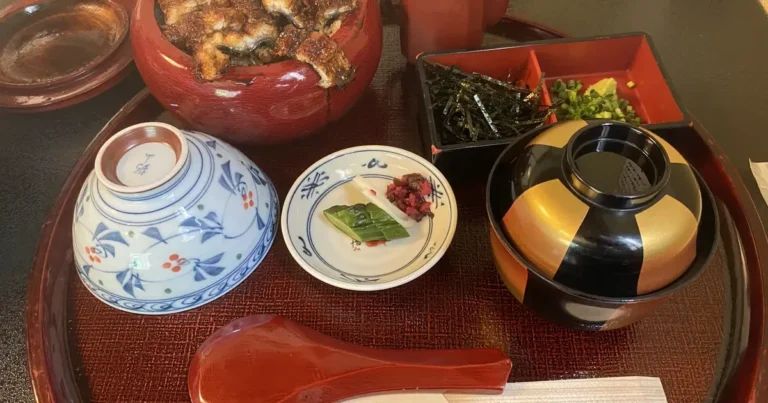
Yes — shojin ryori (精進料理), Buddhist temple cuisine, is the one traditional Japanese food experience that is plant-based by design, and it’s the best way for vegetarians and vegans to eat genuinely Japanese in the Nagoya region. It’s built on tofu, seasonal vegetables, sesame, mountain plants and (crucially) kombu-and-shiitake dashi instead of fish stock. Always reserve ahead, as it’s usually served by reservation only.
Shojin ryori developed in Japan’s Buddhist temples, where monks ate no meat, fish or animal products. That makes it a near-perfect fit for vegetarians, and most of it is vegan or easily made vegan — though it’s still worth confirming, because some modern interpretations adjust the tradition.
Within the Nagoya area, you can experience temple-style or shojin-inspired cuisine in a few ways: at temples that serve formal shojin meals (typically by reservation), at specialist restaurants that present a refined shojin or vegetable-kaiseki course, and as part of certain temple-stay or cultural experiences. Because availability changes with the season and individual temple schedules, the right move is to search “shojin ryori Nagoya” or “shojin ryori Aichi” close to your dates, and to book ahead.
“If you only do one ‘Japanese cuisine’ meal on a plant-based trip to Nagoya, make it a proper shojin lunch. It reframes the whole experience — instead of feeling like you’re avoiding the local food, you’re eating something deeply local that happens to be made for you. The dashi is kombu and shiitake, the textures are extraordinary, and it photographs beautifully. It’s the highlight I steer every dietary-restricted guest toward.”
— Yuu, japanesefestival.net
The Nagoya region is also rich in temples and shrines worth pairing with a quieter, food-focused day. Atsuta Jingu, one of Japan’s most important shrines, sits in southern Nagoya and its approach has eateries worth exploring (confirm ingredients as always) — see our Atsuta Jingu guide to plan that side of the trip.
Local Tip from Yuu: When you book shojin, state your needs clearly in advance — “no fish, no meat, no dashi from fish; vegan if possible.” Even within shojin, a kitchen may use a bonito-blended dashi unless told otherwise, and a garnish or a dressing can slip in. Reputable places will happily confirm. Booking ahead also means they prepare the full seasonal course properly rather than improvising.
Which Nagoya Neighborhoods Are Easiest for Dietary Needs?
For vegetarian, vegan and halal travelers, the three easiest bases in Nagoya are Osu, Sakae and the Nagoya Station area. Osu has the highest concentration of plant-based cafes and international food; Sakae offers the broadest overall variety; and Nagoya Station is the most convenient for reliable Indian, Pakistani and halal-friendly options plus quick depachika meals.
Where you base yourself genuinely affects how easy your meals are. Here’s how the key areas stack up from a dietary-needs point of view, drawn from years of walking these neighborhoods:
Osu (大須) — best for plant-based and variety
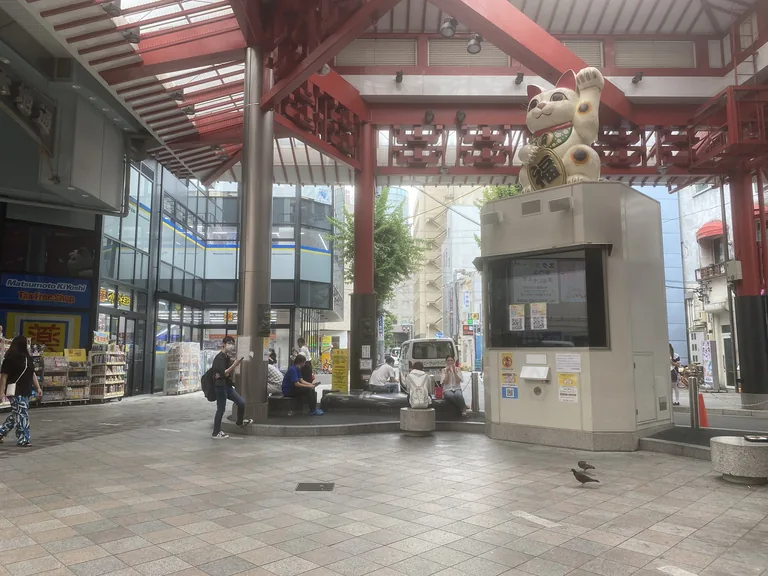
Osu is Nagoya’s most eclectic, international and youthful district — a covered shopping arcade packed with global food, vintage shops and a genuinely diverse crowd. It has the city’s densest cluster of vegan/vegetarian-friendly cafes and international eateries, and the relaxed, multicultural vibe means staff are more used to dietary questions. For street snacking, look for fruit, certain fried items and sweets (confirm ingredients), though note many famous Osu street foods do contain meat, egg or dairy. If plant-based eating is your priority, I’d base near Osu. Our Osu shopping street guide covers the wider area.
Sakae (栄) — best all-round variety
Sakae is the central downtown — the widest range of restaurants of any type, including international cuisines, modern cafes and department-store food halls. If you want options across all three diets in one walkable area, Sakae is the safe all-rounder. It’s also the nightlife and shopping core, so you’re never far from something open.
Nagoya Station / Meieki (名駅) — best for convenience and halal anchors
The station area is the most convenient base, with reliable Indian and Pakistani restaurants (a solid halal-friendly anchor), department-store depachika for grab-and-go vegetarian items, and easy transit everywhere. If you’re doing day trips and want a dependable fallback near “home base,” stay here.
“If a vegetarian or Muslim friend asked me where to book a hotel in Nagoya purely for easy eating, I’d say Osu or the edge of Sakae for plant-based travelers, and the station area for halal-conscious travelers who want Indian and Pakistani food a short walk away. All three are well-connected, so you can’t really go wrong — but matching the base to your diet makes the trip noticeably smoother.”
— Yuu, japanesefestival.net
To choose the right base and hotel for your trip overall, see our where to stay in Nagoya guide, then filter for breakfast and location.
How Do You Ask About Ingredients in Japanese?
The most useful skill for dietary-restricted travelers in Nagoya is knowing how to ask about ingredients clearly. A few specific Japanese phrases — plus a translation app for backup — will get you accurate answers far more reliably than the English word “vegetarian,” which many staff interpret loosely. Be specific about each ingredient rather than relying on a label.
Here are the phrases I’d put on a card or in your phone. Say them slowly, and don’t be shy — Japanese restaurant staff are generally very willing to help, they just need to understand exactly what you mean.
| What you want to say | Japanese (romaji) | Japanese (kana/kanji) |
|---|---|---|
| I don’t eat meat. | Niku wo tabemasen. | 肉を食べません。 |
| I don’t eat meat or fish. | Niku to sakana wo tabemasen. | 肉と魚を食べません。 |
| No fish stock (dashi), please. | Katsuo / sakana no dashi nashi de. | かつお・魚のだし無しで。 |
| I’m vegan (no meat, fish, egg, dairy). | Bīgan desu. Niku, sakana, tamago, nyūseihin nashi. | ヴィーガンです。肉・魚・卵・乳製品なし。 |
| I don’t eat pork. | Buta-niku wo tabemasen. | 豚肉を食べません。 |
| Is this halal? | Kore wa harāru desu ka? | これはハラルですか? |
| No alcohol in cooking, please. | Ryōri ni arukōru nashi de. | 料理にアルコール無しで。 |
| Does this contain ___? | Kore ni ___ wa haitte imasu ka? | これに___は入っていますか? |
Useful ingredient words to slot in: niku (meat), buta (pork), tori (chicken), sakana (fish), ebi (shrimp), tamago (egg), gyūnyū / nyūseihin (milk / dairy), dashi (stock), katsuo (bonito), mirin (sweet cooking rice wine), hachimitsu (honey).
“The word ‘vegetarian’ alone has failed in front of me more than once — the staff smile, nod, and bring something with bonito flakes on top, because to them it was a vegetable dish. Naming the specific ingredient is what works. ‘No bonito dashi’ does more heavy lifting than ‘I’m vegetarian’ ever will in this country.”
— Yuu, japanesefestival.net
Local Tip from Yuu: Keep a translation app open at the table and use its camera mode on menus and on packaged-food labels at supermarkets — it reads ingredient lists instantly. Pair it with the phrases above: say the phrase, then show the screen if there’s any doubt. That combination has resolved basically every uncertain moment I’ve watched a visitor face. A reliable data connection makes this effortless.
For the wider connectivity and pre-trip setup, our Japan travel essentials guide for Central Japan covers data, payments and the apps worth installing before you land.
Quick Comparison: What Each Diet Can and Can’t Eat in Nagoya
This table summarizes, at a glance, how Nagoya’s main food categories work for vegetarian, vegan and halal travelers. Treat every “✓ with check” as “generally workable, but confirm ingredients with the specific restaurant,” because individual kitchens vary and menus change. Nothing here is a guarantee about any single venue — it’s a planning map.
| Food category | Vegetarian | Vegan | Halal / Muslim-friendly | Notes & what to confirm |
|---|---|---|---|---|
| Indian / Nepali | Yes | Yes (ask: ghee, milk, egg in naan) | Often yes | Most reliable everyday option. Confirm halal meat; many run vegetarian-only sections. |
| Middle Eastern / Turkish | Yes | Yes (hummus, falafel, salads) | Often yes | Falafel, hummus, baba ganoush are naturally vegan. Confirm meat sourcing. |
| Dedicated vegan / veg cafes | Yes | Yes | Usually no alcohol issue; confirm | Find live on HappyCow; concentrated in Osu & Sakae. Hours change often. |
| Shojin ryori (temple) | Yes | Usually yes | No meat/alcohol, but confirm | Plant-based by tradition; reserve ahead. Confirm dashi is kombu/shiitake, not fish. |
| Kaiten-zushi (conveyor sushi) | Partly (cucumber, natto, inari, corn) | Partly (watch egg, mayo) | No (raw fish, shared, alcohol) | Veg rolls exist; everything else is fish. Rice vinegar generally fine. |
| Nagoya meshi (miso katsu, hitsumabushi, tebasaki, taiwan ramen) | No (by default) | No | No (by default) | Built on pork, eel, chicken and bonito dashi. Steer around these. |
| Plain soba / udon / kishimen | Caution | Caution | Caution | Broth is almost always bonito dashi. Ask for “dashi nashi” or a veg broth. |
| Kissaten “morning” set | Often (toast, salad) | Caution (egg, butter, dairy) | Often (no pork/alcohol; confirm) | Toast + boiled egg is standard. Ask about butter/egg for vegan. |
| Depachika / convenience store | Yes (check fillings) | Partly (fruit, edamame, some salads) | Partly (read labels) | Great for grab-and-go. Many onigiri/salads hide fish or dashi. |
This table is a general planning guide based on how these categories typically operate in Nagoya. It is not a statement about any individual restaurant’s certification or current menu — always confirm directly before ordering.
Practical Tips for Eating Out With Dietary Needs in Nagoya
Eating out smoothly in Nagoya with a dietary restriction comes down to a handful of habits: research a short list before you arrive, use HappyCow and Google Maps for live openings, carry the key Japanese phrases, keep a translation app running, and always have one confirmed “safe” restaurant as a fallback. Do these and you’ll eat well with very little stress.
Here’s the practical checklist I give every dietary-restricted visitor, refined over years of hosting:
- Prep a Maps list before you fly. Save 4–6 spots near your hotel and a couple near the places you’ll sightsee. Future-you, tired and hungry, will be grateful.
- Use HappyCow for plant-based, Halal Gourmet Japan for halal. These show current openings and reviews — far more reliable than any static list (including, honestly, parts of this article a year from now).
- Confirm, don’t assume. “Vegetarian” and “Muslim-friendly” mean different things to different kitchens. Name the specific ingredient: “no bonito dashi,” “no pork,” “no alcohol in cooking.”
- Keep a translation app on hand. Camera mode on menus and packaged-food labels removes almost all uncertainty. A stable data connection makes this effortless.
- Anchor on reliable cuisines. Indian, Nepali, Middle Eastern and dedicated plant-based/shojin spots do the heavy lifting. Treat nagoya meshi as a thing to admire, not your daily meal.
- Always hold a fallback. Know one confirmed restaurant near your base you can default to. Never end up with no plan at 8pm.
- Book the special meals ahead. Shojin ryori and group halal dinners are far smoother when reserved and briefed in advance.
- Stock your room. Soy milk, fruit, nuts and plant-friendly snacks from a convenience store or depachika make breakfasts and late nights easy.
“Nagoya isn’t a city that hands dietary travelers an easy menu — but it’s a city that rewards the prepared traveler enormously. Every guest I’ve hosted who did five minutes of homework ended up loving the food here. The ones who struggled simply hadn’t looked. Preparation is the entire difference, and now you have the playbook.”
— Yuu, japanesefestival.net
Once your meals are sorted, build the rest of your trip around them with our complete guide to things to do in Nagoya — pairing confirmed restaurants with nearby sights is exactly how I plan a smooth day for visitors.
Frequently Asked Questions
Is it hard to be vegetarian in Nagoya?
It’s moderately challenging if you rely on local nagoya meshi, but easy if you build meals around Indian, Nepali, Middle Eastern and dedicated plant-based restaurants, plus shojin ryori for a traditional experience. The main hidden trap is bonito (fish) dashi in broths and sauces, so always confirm “no fish stock.” With a little planning, vegetarians eat very well in Nagoya.
What is the safest food for vegans to order in Nagoya?
The safest vegan choices are dishes from cuisines that are plant-based by tradition: Indian dal and vegetable curries (ask for no ghee/butter), Middle Eastern falafel and hummus, items at dedicated vegan cafes (find current ones on HappyCow), and verified shojin ryori. Avoid Japanese broths unless confirmed dashi-free, since most use fish stock, and watch for egg and dairy in naan, batter and baked goods.
Are there halal restaurants in Nagoya?
Yes. Nagoya has a growing number of halal and Muslim-friendly restaurants, mainly Indian, Pakistani, Bangladeshi, Turkish and Middle Eastern, concentrated around Nagoya Station, Sakae and Osu. Some are certified halal and many more are Muslim-friendly (halal meat or no-pork/no-alcohol options). Because certification and ownership change, confirm each restaurant’s current status directly or via a directory like Halal Gourmet Japan, and ask about alcohol in cooking such as mirin.
What does “Muslim-friendly” mean versus “halal certified”?
“Halal certified” means an external body has verified the meat sourcing and kitchen practices, while “Muslim-friendly” is a broader, self-described term ranging from “uses halal meat, no pork, no alcohol” to “can make a no-pork dish on request.” Muslim-friendly is far more common in Nagoya than full certification. The only reliable way to know what a place offers is to ask the specific restaurant, ideally before visiting.
Can I eat traditional Japanese food in Nagoya as a vegetarian or vegan?
Yes — shojin ryori (Buddhist temple cuisine) is the ideal choice, as it’s plant-based by tradition and uses kombu-and-shiitake dashi instead of fish stock. It’s typically served by reservation, so book ahead and state your needs clearly (no meat, no fish, no fish dashi; vegan if possible). It’s the most rewarding way to experience genuinely Japanese food on a plant-based trip to Nagoya.
How do I tell a restaurant in Nagoya that I don’t eat meat or fish?
Say “Niku to sakana wo tabemasen” (I don’t eat meat or fish) and add “Katsuo no dashi nashi de” (no bonito stock, please), since the English word “vegetarian” is often interpreted loosely. Naming specific ingredients works far better than a label. Keep a translation app open and use its camera mode on menus and food labels to confirm — Nagoya staff are generally very willing to help once they understand exactly what you mean.
Related Guides
- Nagoya Food Guide: The Local’s Nagoya Meshi Guide — the parent guide to everything locals eat here, so you know what you’re navigating around.
- Nagoya Morning & Kissaten Guide — the city’s famous coffee-shop “morning service” sets and which items are egg- or dairy-based.
- Atsuta Jingu Guide — one of Japan’s great shrines, in southern Nagoya, with an approach worth a quieter food day.
- Osu Shopping Street Guide — Nagoya’s most international district and the best base for plant-based eating.