Nagoya in winter (December to February) is cold, mostly dry and quietly festive. The headline draw is the Nabana no Sato illumination in nearby Kuwana — one of Japan’s largest, with millions of LED bulbs, about 40 minutes from the city. Add European-style Christmas markets, hatsumode at Atsuta Jingu, and warm indoor days, and a winter trip rewards anyone who dresses for evenings around 0-5°C (32-41°F).
This article may contain affiliate links. See our affiliate disclosure for details.

Is Nagoya Worth Visiting in Winter?
Yes — winter is one of the most underrated times to visit Nagoya. Skies are often clear and dry, crowds are thinner than in spring, and the season has its own headline events: the Nabana no Sato illumination, Christmas markets, and the deeply atmospheric New Year shrine visits. The main thing to plan around is the New Year holiday closures from roughly December 29 to January 3.
According to the Japan Meteorological Agency, Nagoya sits in a part of central Japan that stays comparatively dry and sunny in winter, unlike the heavy-snow regions on the Sea of Japan side. That makes it a comfortable winter base — you get crisp, walkable days in the city and easy access to snow country when you want it.
“Summer in Nagoya is brutal — over 35°C and humid, and my honest advice in August is to stay indoors. Winter is the opposite. The air is dry and clear, the evenings have that quiet festive feeling, and for once the city isn’t fighting the weather. If you can only choose between an August trip and a December one, take December.”
— Yuu, japanesefestival.net
Winter also pairs naturally with day trips. The illuminations sit just outside the city in Mie, and snow-country destinations like Takayama and Shirakawago are within reach, though I’ll be honest about the travel trade-offs of winter driving further down. For a season-by-season overview of when to come and why, see our guide to the best time to visit Nagoya, which compares winter against spring, summer and autumn in detail.
Local Tip: If your dates are flexible, the first half of December and the stretch from January 4 onward are the sweet spots — full festive lighting, but without the New Year shutdown that empties out smaller restaurants and shops.
How Cold Is Nagoya in Winter, and What Should You Pack?
Nagoya winters are cold but manageable: daytime highs of roughly 8-12°C (46-54°F) from December through February, with evenings dropping to about 0-5°C (32-41°F). It is mostly dry and sunny, with only a few light snowfalls a year and almost no accumulation in the city itself. A warm coat with layers underneath handles it comfortably.
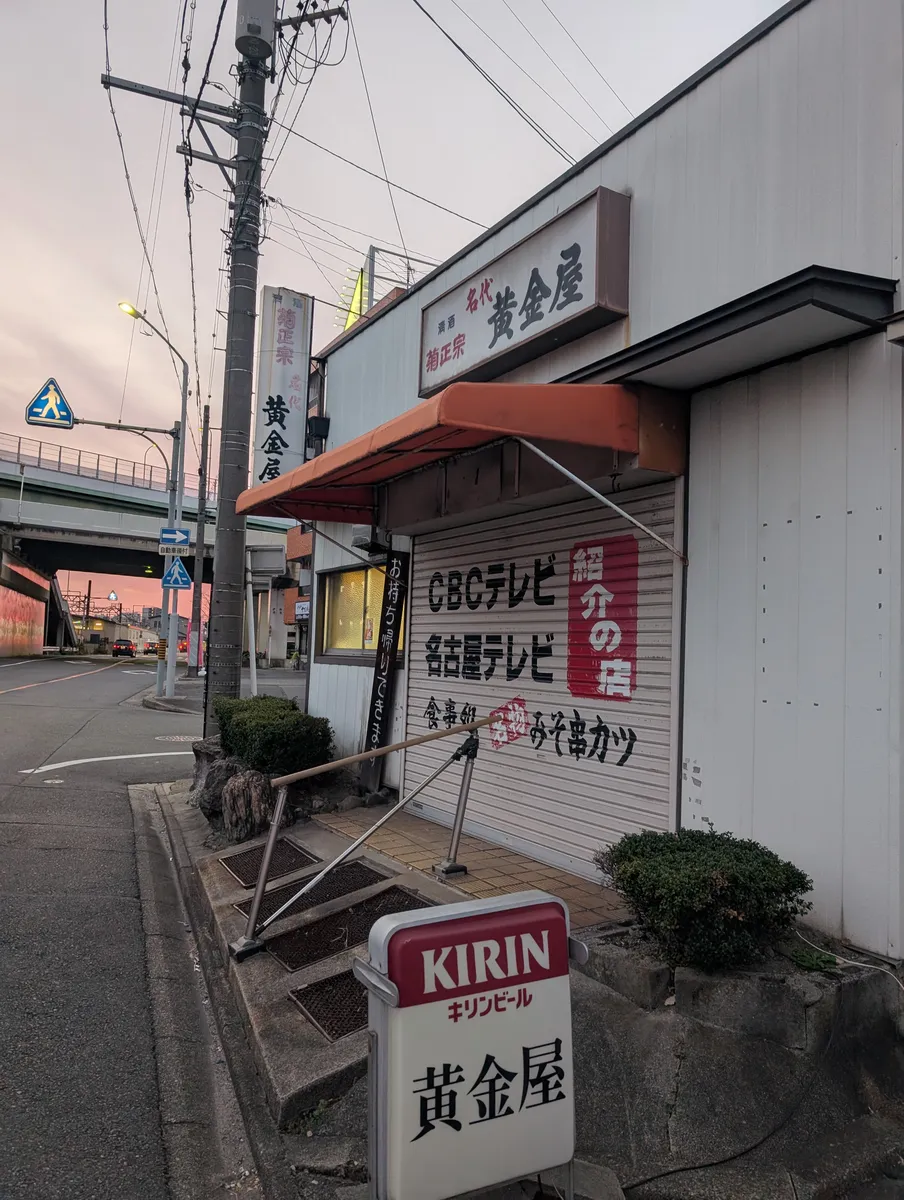
The figures below mirror the climate normals published by the Japan Meteorological Agency for Nagoya, and they match the monthly breakdown in our seasonal guide. The single most important thing to understand about a Nagoya winter is that the cold is a dry cold — relative humidity averages around 60-66%, noticeably lower than in summer, which feels different from a damp coastal winter and is rough on skin.
Monthly winter conditions in Nagoya
| Month | Daytime high | Evening low | What it feels like |
|---|---|---|---|
| December | 9-12°C (48-54°F) | 2-5°C (36-41°F) | Crisp, festive; illuminations in full swing |
| January | 8-10°C (46-50°F) | 0-2°C (32-36°F) | Coldest month; clear, dry, occasional flurries |
| February | 9-11°C (48-52°F) | 1-3°C (34-37°F) | Still cold; first hints of late-winter sun |
Source: Japan Meteorological Agency, 1991-2020 climate normals for Nagoya. Day-to-day weather varies — check the forecast before you travel.
What to pack for a Nagoya winter
- A warm coat plus layers. Indoors and on trains it is well heated, so you’ll want layers you can shed. A coat, a sweater and a base layer cover most situations.
- Gloves and a scarf for the evenings. Standing still at an illumination or queuing for a late-night shrine visit is when the cold bites.
- Lip balm, hand cream and moisturizer. The dry air is no joke. I keep lip balm in my coat pocket all winter.
- Comfortable, grippy shoes. Snow is rare, but the odd icy morning patch near rivers and shaded corners does happen.
“My winter routine after a cold day out is simple: I head to a small udon shop and order something hot. A bowl of Nagoya-style miso nikomi udon on a freezing evening is one of the genuine pleasures of the season here. You warm up from the inside and it costs less than a coffee-and-cake back home.”
— Yuu, japanesefestival.net
For a fuller packing and preparation rundown across all seasons, our best time to visit Nagoya guide goes month by month, and indoor escape ideas for genuinely cold or wet days are collected in our indoor activities guide.
What Is the Nabana no Sato Illumination, and Is It Worth the Trip?
Nabana no Sato is a large flower park in Kuwana, Mie, about 40 minutes from Nagoya, and its winter illumination is one of Japan’s largest — millions of LED bulbs spread across the grounds. The season typically runs from mid-October to late May, making it one of the longest-running illuminations in the country. It is, in my view, the single best reason to visit the Nagoya area in winter. Our full Nabana no Sato illumination guide goes through the season, tickets and access in detail.
The headline is the main light tunnel and a huge themed light show on a hillside field — the theme changes by season, which is why locals happily return year after year. Because the run is so long, this is one of the few major illuminations you can still catch into spring. Period, tickets and the seasonal theme change every year, so always confirm the current details on the official site: Nabana no Sato illumination page (the site has an English-language option).
Nabana no Sato is part of the Nagashima Resort complex, which also includes Nagashima Spa Land and an outlet mall. One practical detail worth knowing: admission to the park typically includes a voucher that can be spent inside on food or shopping — but because the exact ticket structure and price vary by season, check the official Nabana no Sato site before you go rather than relying on a figure that may be out of date.
“Here’s my honest local take on Nabana no Sato: go, but don’t go alone. It’s a place to share — with family, a partner, friends. On your own it can feel a little lonely among all the couples and families. My usual move is to fold it into a day at Nagashima Spa Land and drift over to the illumination in the evening on the way home, rather than treating it as a trip all by itself.”
— Yuu, japanesefestival.net
When should you go, and how busy is it?
The illumination runs every evening through the season, and honestly every period has its charm — the winter weeks are the most atmospheric, but late-season visits into spring pair the lights with blossoms. Weekends, the run-up to Christmas, and the New Year holiday are the busiest, so a weekday evening is calmer if your schedule allows.
Local Tip: On peak nights, tickets are often sold in advance at convenience stores (FamilyMart, Seven-Eleven) rather than only at the gate, and there can be special arrangements around Christmas. Check the official illumination page for the current ticketing method before you set out — the system is updated each season.
This is also where booking a tour earns its keep. Public transport works fine by day, but evening connections back can be limited, and the queues build on big nights. A round-trip tour with transfers and admission included takes the logistics off your plate — particularly valuable here, where the venue is genuinely awkward to reach late at night without a car.
Nabana no Sato also features in our wider central Japan festival and events calendar, alongside the region’s other seasonal highlights, if you want to see how it fits into the year as a whole.
How Do You Get to Nabana no Sato from Nagoya?
During the illumination season (mid-October to late May) the standard public-transport route is the Kintetsu Nagoya Line to Kintetsu Nagashima Station (近鉄長島駅), then the direct shuttle bus to Nabana no Sato — about 10 minutes on the bus (¥250) and roughly 35 to 45 minutes in total. There is no bus from Kuwana Station in this period. The other option is the direct highway bus from the Meitetsu Bus Center in central Nagoya, which runs year-round and takes about 30 minutes. Self-driving is straightforward, with large parking areas on site.
Because timetables — especially the late-evening buses during illumination season and the New Year holiday — change each year, plan your return trip using the official information rather than assuming the last bus times. For trains, the Kintetsu route is covered on the Kintetsu Railway English site; for the buses, shuttle details and the latest access map are on the official Nabana no Sato access page.
Your main options compared
| Option | Rough journey | Best for | Watch out for |
|---|---|---|---|
| Kintetsu train to Nagashima + direct bus | ~35-45 min total | Independent travellers | No bus from Kuwana Station in illumination season; limited late-evening connections back |
| Direct highway bus from Nagoya | ~30 min, ¥1,200 one way | Going straight there in the evening | Runs year-round, but confirm the day’s timetable |
| Organised tour with transfers | Door-to-door | Evening illumination without transport stress | Less flexibility on timing |
| Rental car / taxi | ~30-40 min by expressway | Families, late returns, combining with Spa Land | Peak-night traffic near the resort |
Source: routing based on the official Nabana no Sato access page, accessed May 2026. Journey times are approximate and depend on the day and connections.
“If you’re set on doing it independently, the part to nail down in advance is the trip back. The lights are beautiful, but standing at a dark bus stop afterwards working out the last connection is the opposite of relaxing. Either build your evening around a confirmed return bus, or let a tour handle the round trip.”
— Yuu, japanesefestival.net
Heading there straight from a flight, or planning your wider train logistics? Our getting around Nagoya guide covers the rail and bus basics, IC cards and day passes.
Where Are the Christmas Markets in Nagoya?
European-style Christmas markets run in central Nagoya through December, with the main one — the Nagoya Christmas Market — in Hisaya-odori Park (Edion Hisaya Hiroba and Angel Hiroba), right beside Oasis 21 in the Sakae area, plus festive events around Osu. Expect wooden stalls, mulled wine, German-style sausages and seasonal lighting — a compact, walkable evening rather than a sprawling affair, and easy to combine with dinner in Sakae. Our guide to Nagoya’s Christmas markets and winter illuminations covers the individual venues and how each season’s dates get announced.
Dates shift slightly each year and the markets typically run from early to late December, so check the latest schedule before you plan an evening around one. The Nagoya Convention & Visitors Bureau publishes the city’s seasonal event listings in English, which is the most reliable place to confirm this year’s markets and dates.
“The nice thing about Nagoya’s Christmas markets is how central they are. You can wander the stalls in Hisaya-odori Park, look up at the lit-up MIRAI TOWER (the old Nagoya TV Tower), and then be sitting down to a proper Nagoya dinner ten minutes later. It’s a low-effort, high-charm winter evening — and it’s all within the area where I spent my twenties.”
— Yuu, japanesefestival.net
Sakae is also one of the best bases for a winter stay precisely because so much is within walking distance, lit up and warm. Hotels in the Sakae and Nagoya Station areas get busy over Christmas and New Year, so it pays to lock in your dates early.
Local Tip: The markets get busiest right after sunset on weekends. If you’d rather browse in peace, arrive on the early side around opening, or go on a weekday evening — you’ll get the same lights with room to move.
What Is New Year Like in Nagoya (Hatsumode)?
New Year is the heart of a Japanese winter, and in Nagoya that means hatsumode — the first shrine or temple visit of the year, usually made on January 1-3. Atsuta Jingu is central Japan’s biggest hatsumode destination, drawing well over 2 million worshippers across the first three days. It’s an experience, but it is genuinely crowded; smaller neighbourhood shrines offer the same ritual in calm. For the wider season — hatsumode, the winter rites of Aichi and what stays open over the New Year — see our guide to winter festivals and New Year in Central Japan.
The official traffic notice issued by Atsuta Police Station and the shrine lists the busiest hours as 00:00-02:00 on January 1 and 10:00-15:00 on January 2-3, so arriving outside those windows is far more comfortable; our detailed Atsuta Jingu guide covers the rest of the access picture. For hours, festival dates and grounds information, the shrine’s official site is the authority: Atsuta Jingu official website. Note that New Year is also when food stalls fill the approach, which is half the fun.
“My own New Year is a two-part ritual. Late on December 31 I go to a shrine near the centre of Sakae to hear the temple bells ring out the old year — it’s a quiet, moving thing to do at midnight. Then I save my Atsuta visit for the start of the working year, when I go to pray for the year’s work ahead. By then the worst of the crowds have eased and the stalls are still going, which suits me far better than fighting the January 1 crush.”
— Yuu, japanesefestival.net
The one thing to plan around: New Year closures
From around December 29 to January 3, many smaller restaurants, shops and family-run businesses close for the holiday. Major department stores, chain restaurants, convenience stores and tourist sites largely stay open, and sales (fukubukuro “lucky bags”) are a January 1-2 tradition — but if you had your heart set on a specific tiny izakaya, check whether it’s open over the holiday.
Local Tip: Trains and buses run on special holiday timetables over New Year, and some services add or cut runs. If you’re moving around on December 31 or January 1, check the day’s schedule in advance rather than assuming the normal one applies.
The Setsubun bean-throwing event at Osu Kannon on February 3, whose costumed “treasure ship” procession walks about 2km from Hisaya-odori Park to the temple, rounds out the winter ritual calendar. You’ll find it and the rest of the season’s events in our central Japan festival calendar.
What Can You Do Indoors on a Cold Day in Nagoya?
Plenty — Nagoya is one of the easier Japanese cities to enjoy entirely indoors, which makes it forgiving on a raw winter day. Between the vast underground malls, the SCMAGLEV and Railway Park, the Nagoya City Science Museum with its giant planetarium, the Tokugawa Art Museum, and warm day spas, you can fill a full day without ever feeling the cold for long.
The same indoor playbook I use for rainy days works perfectly in winter, because the goal is identical: stay warm and dry while still seeing the best of the city. Our Nagoya indoor activities guide lays out a dozen fully enclosed options in detail, from the aquarium to covered shopping arcades.
“My honest winter strategy mirrors my summer one, just for the opposite reason. In August I hide from the heat indoors; in January I hide from the cold the same way. The underground malls under Nagoya and Sakae stations are the secret weapon — you can walk for ages, shop, eat and connect between train lines without going outside once.”
— Yuu, japanesefestival.net
Quick indoor picks for winter
- Underground malls (Nagoya & Sakae stations). Two large networks of shops and restaurants, all climate-controlled and connected to the trains.
- SCMAGLEV and Railway Park. An indoor hall of historic Shinkansen and rail exhibits — a reliable hit with families and train fans.
- Nagoya City Science Museum (now branded FUJI Nagoya Science Museum). Home to one of the world’s largest planetarium domes; great on a cold afternoon.
- Day spas and hot springs in the city. Facilities like Canal Resort give you a warm soak without leaving Nagoya.
- Kissaten morning culture. A long, warm coffee with the famous “morning service” set is a perfect cold-weather start to the day.
Day spas and hot-spring facilities are an easy add to any winter day. If you’d rather make an onsen the centrepiece, the warming day trips in our seasonal guides and the wider site cover options near the city, and a soak feels especially good in the cold.
What Should You Eat in Nagoya in Winter?
Winter is the season for Nagoya’s hot, soul-warming dishes. Top of the list is miso nikomi udon (味噌煮込みうどん) — thick udon simmered in a rich red-miso broth, served bubbling in a clay pot. Add the city’s hearty chicken miso hotpot (a local specialty), a steaming bowl of ramen, and a warming visit to a kissaten, and the cold becomes part of the pleasure.
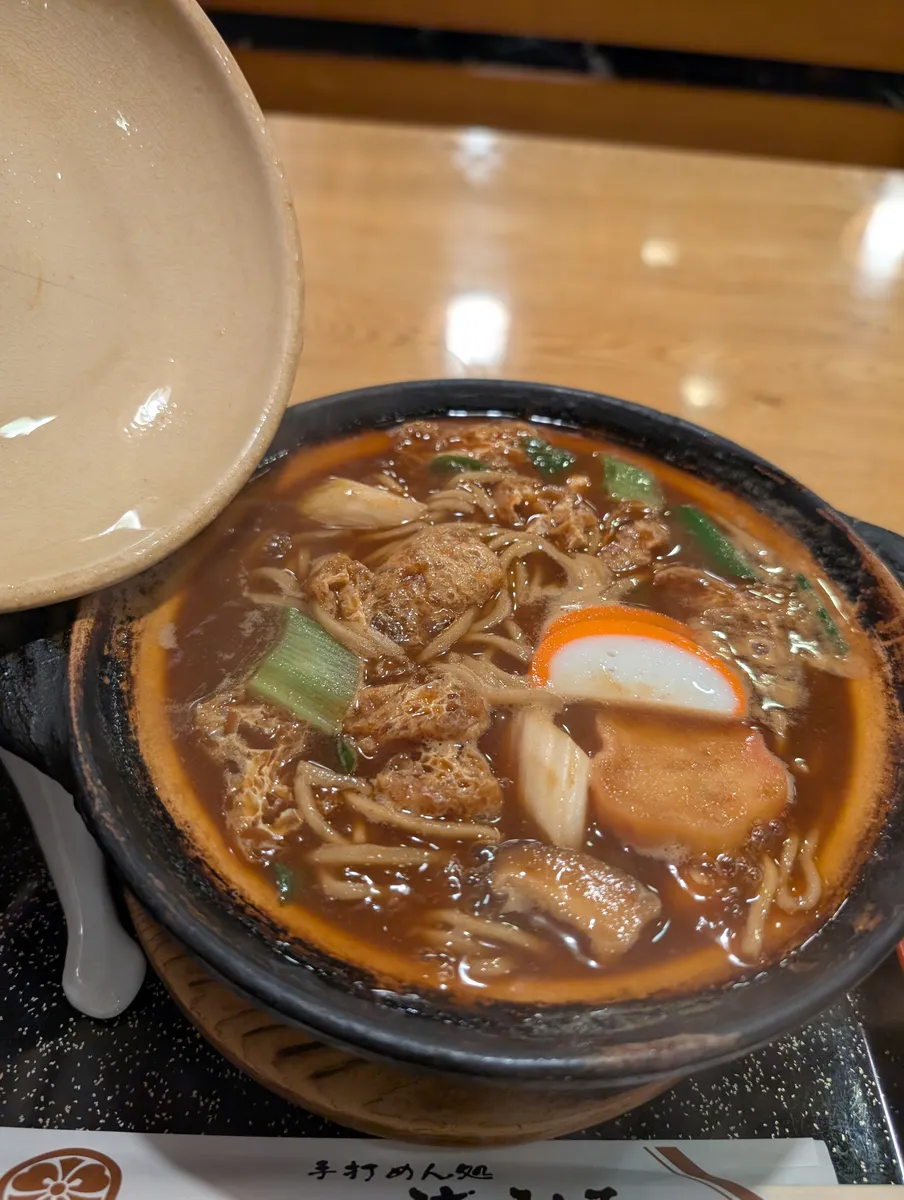
Miso nikomi udon is the dish I steer every winter visitor toward first. What’s fun is how much it varies shop to shop — the firmness of the noodles, the ingredients, even the pot. Personally I lean toward the softer-noodle, neighbourhood-style places rather than the famous chains. The point is to wander, try a couple, and find the one you like.
“On a freezing Nagoya evening, my move is a small, family-run udon shop and a clay pot of miso nikomi udon. There’s something about lifting the lid on that bubbling red-miso broth when it’s near zero outside — you warm up from the inside out. I’d take that over any fancy meal in winter.”
— Yuu, japanesefestival.net
For the full rundown of what makes Nagoya’s cuisine distinct — from miso katsu to hitsumabushi to the chicken hotpots locals love — see our seasonal eating notes and explore the food sections across the site. Just remember the New Year caveat: many of the smallest, best places close from around December 29 to January 3, so a winter food crawl is best planned for early December or after January 4.
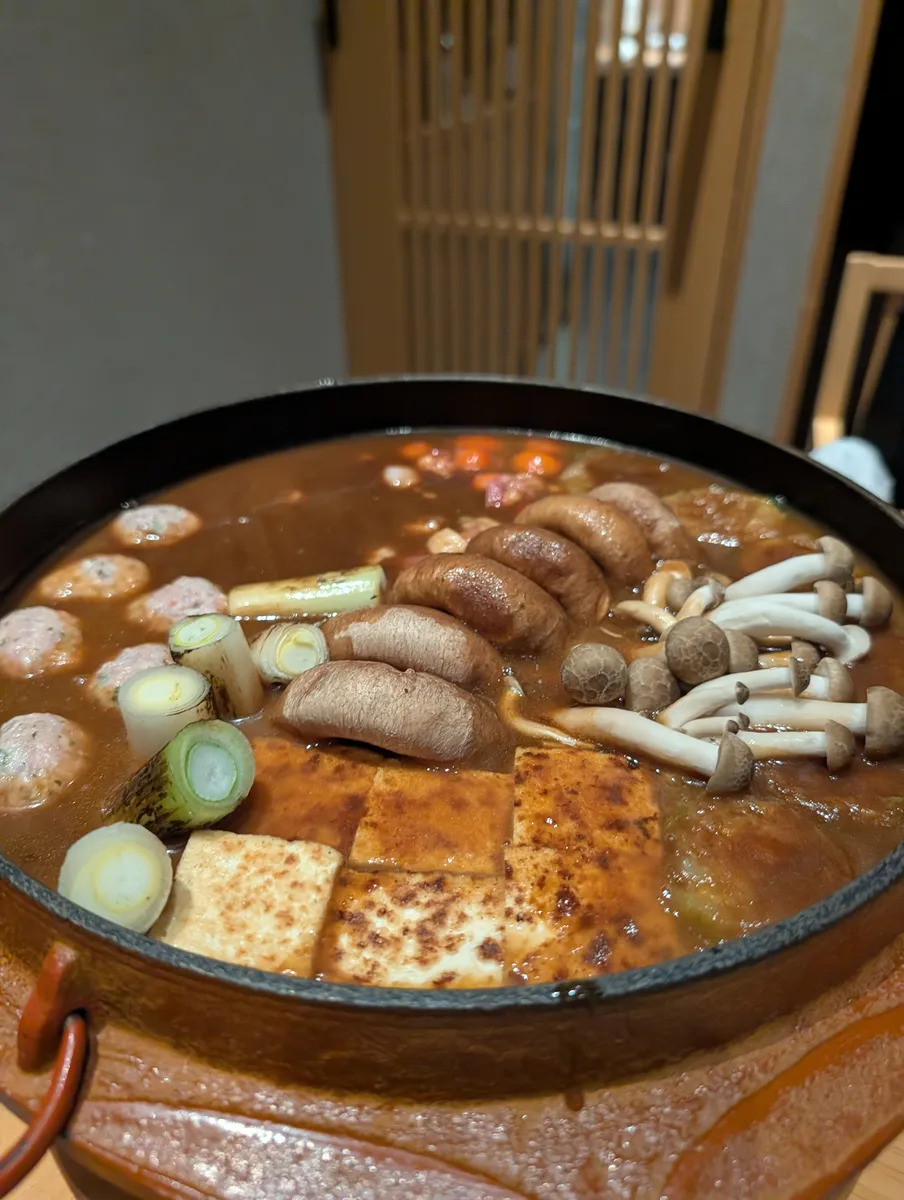
Local Tip: Order your miso nikomi udon with the raw egg cracked in if it’s offered — stir it through the hot broth at the end and it turns silky. And the broth is meant to be very hot; let it sit a minute before the first sip.
A Sample 2-Night Winter Itinerary
Here is a simple, realistic two-night winter plan that balances the headline illumination with warm indoor time and a city evening. It assumes a base in Sakae or near Nagoya Station and avoids the New Year shutdown — slot it into early December or mid-January for the smoothest run.
Day 1 — Arrive and Christmas markets
- Afternoon: Settle in, then explore the underground malls and Sakae on foot to stay warm.
- Evening: The Nagoya Christmas Market in Hisaya-odori Park, followed by a hot dinner of miso nikomi udon or a chicken hotpot nearby.
Day 2 — Nabana no Sato illumination
- Daytime: An indoor morning — the SCMAGLEV and Railway Park or the Science Museum planetarium — then a relaxed lunch.
- Evening: Head to the Nabana no Sato illumination. Take a tour with transfers, or build the trip around a confirmed return bus. Allow a full evening.
Day 3 — Shrine visit and departure
- Morning: An early hatsumode-style visit to Atsuta Jingu (calmest before 8:00) or a quieter neighbourhood shrine, with stall snacks if it’s the New Year period.
- Before you leave: A long, warm kissaten breakfast with the classic morning service set.
Want it longer or shorter? Adapt the structure from our existing seasonal planning guide, and lean on the indoor activities guide for any genuinely cold or wet day.
Winter Activities Compared at a Glance
A quick side-by-side of the season’s main options, to help you prioritise based on your dates, budget and energy for the cold.
| Activity | Best window | Indoor / outdoor | Pre-book? | Good for |
|---|---|---|---|---|
| Nabana no Sato illumination | Mid-Oct to late May (peak: Dec) | Outdoor (cold) | Tickets + transfers recommended | Couples, families, photographers |
| Christmas markets (Sakae) | Early-late December | Outdoor (central) | No | Easy festive evening |
| Hatsumode at Atsuta Jingu | January 1-3 (busiest) | Outdoor | No | Cultural experience |
| Setsubun at Osu Kannon | February 3 | Outdoor | No | Seasonal ritual, crowds |
| Underground malls & museums | All winter | Indoor (warm) | Some tickets | Cold or short days |
| Day spa / onsen | All winter | Indoor (warm) | No | Recovering from the cold |
| Miso nikomi udon & hotpots | All winter (mind NY closures) | Indoor (warm) | No | Everyone |
Dates and ticketing for the illumination, markets and shrine events change each year — confirm via the official links in each section above before finalising plans.
Practical Information
| Best winter months | December (festive, illuminations) and mid-to-late January (calm, lowest crowds) |
| Typical temperatures | Daytime 8-12°C (46-54°F); evenings 0-5°C (32-41°F). Source: JMA |
| Snow | A few light falls per year; rarely accumulates in the city |
| Headline event | Nabana no Sato Winter Illumination — Nabana no Sato official illumination page (confirm season, tickets, theme) |
| Nabana no Sato access | Kintetsu train to Nagashima Station + 10-min bus, or the direct Meitetsu highway bus from Nagoya (~30 min, ¥1,200) — official access page |
| New Year closures | Many small businesses closed approx. Dec 29 – Jan 3; trains/buses on holiday timetables |
| Hatsumode | Atsuta Jingu (2M+ over Jan 1-3) — Atsuta Jingu official site |
| City events listing (EN) | Nagoya Convention & Visitors Bureau |
| Where to stay | Sakae (festive, walkable) or Nagoya Station (transport hub); book early over Christmas/New Year |
All prices, dates, opening hours and timetables vary by year and season. The official links above are always the source of truth — confirm the current details before you travel.
Frequently Asked Questions
What is the best winter illumination near Nagoya?
Nabana no Sato in Kuwana, Mie is the standout — one of Japan’s largest illuminations with millions of LED bulbs, about 40 minutes from Nagoya. Its season usually runs from mid-October to late May. Because the period, tickets and seasonal theme change every year, confirm the current details on the official illumination page before you go.
What is there to do in Nagoya in winter?
The winter highlights are the Nabana no Sato illuminations, the European-style Nagoya Christmas Market in Hisaya-odori Park, hatsumode at Atsuta Jingu, and the Osu Kannon Setsubun-e on February 3. On cold days, the underground malls, the SCMAGLEV and Railway Park, the Science Museum planetarium and day spas keep you warm. It’s a season that rewards mixing one outdoor highlight with warm indoor time.
How cold does Nagoya get in winter?
Nagoya winters are cold but mostly dry and sunny. Daytime highs run roughly 8-12°C (46-54°F) from December to February, with evenings dropping to about 0-5°C (32-41°F). Snow falls only a few times a year and rarely accumulates in the city. A warm coat with layers, plus gloves for the evening, is usually enough.
How do you get to Nabana no Sato from Nagoya?
Take the Kintetsu Nagoya Line to Kintetsu Nagashima Station, then the direct shuttle bus to Nabana no Sato (about 10 minutes, ¥250) — roughly 35 to 45 minutes in total. There is no bus from Kuwana Station during the illumination season. Direct highway buses from the Meitetsu Bus Center in central Nagoya run year-round and take about 30 minutes. Because late-evening connections can be limited, many visitors take a tour with transfers included or build their evening around a confirmed return bus. See the official access page for current times.
Is December a good time to visit Nagoya?
Yes. December brings illuminations and Christmas markets with crisp, mostly dry weather. The main thing to plan around is the New Year holiday from about December 29 to January 3, when many smaller restaurants and shops close. Hotels also fill up over Christmas and New Year, so book early — early December is an ideal window.
What is hatsumode, and where do locals go in Nagoya?
Hatsumode is the first shrine or temple visit of the New Year, usually made between January 1 and 3. In Nagoya, Atsuta Jingu is the biggest destination, drawing more than 2 million worshippers over the first three days. If you’d rather avoid the crowds, a smaller neighbourhood shrine offers the same ritual in calm, and visiting early morning or after January 3 is far quieter.
Does it snow in Nagoya?
Only a little. Nagoya sits on the drier, sunnier side of central Japan and typically sees just a few light snowfalls each winter, with little to no accumulation in the city. If you want reliable snow, the mountains of Gifu — including Takayama and Shirakawago — are within day-trip reach, though winter road and transport conditions there need checking in advance.
Related Guides
- Best Time to Visit Nagoya — how winter compares to spring, summer and autumn, month by month.
- Central Japan Festival & Events Calendar — where the illuminations, hatsumode and Setsubun fit into the year.
- Nagoya Indoor Activities Guide — a dozen warm, fully enclosed options for cold or wet days.
- Atsuta Jingu Guide — the city’s biggest hatsumode shrine, with access and crowd tips.